



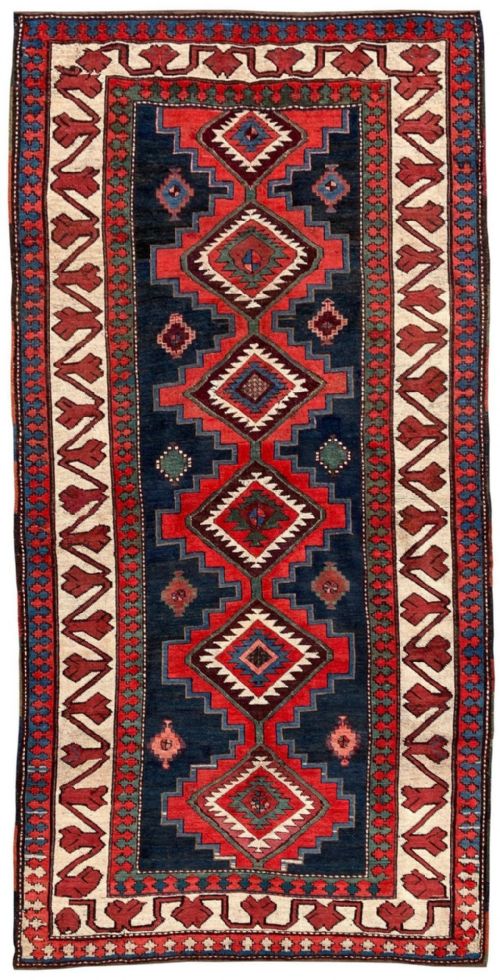
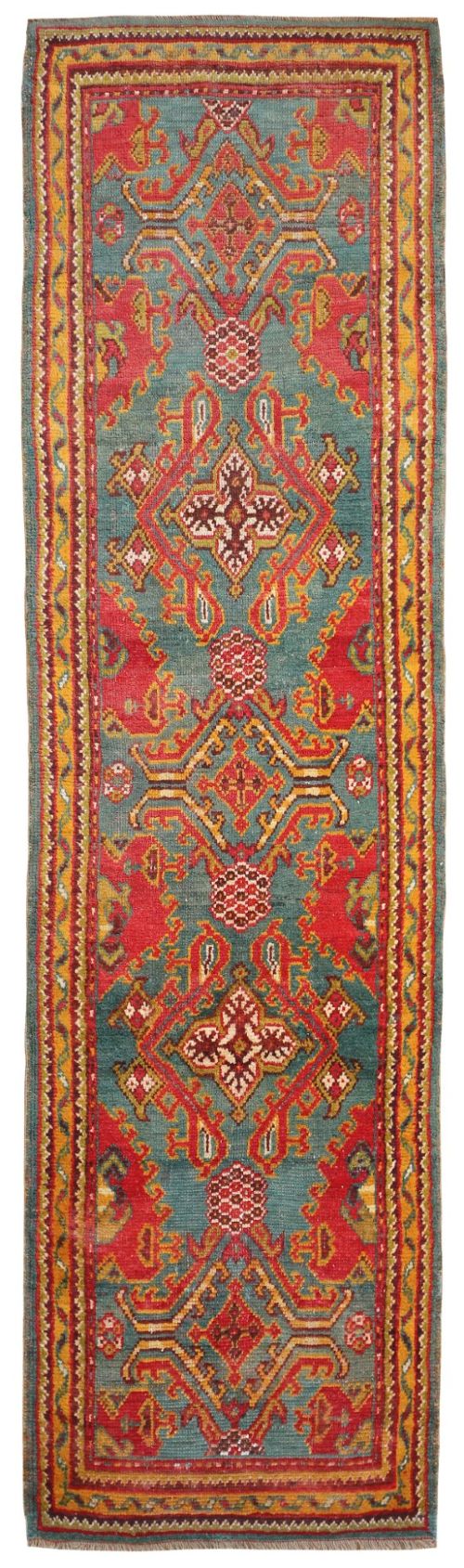
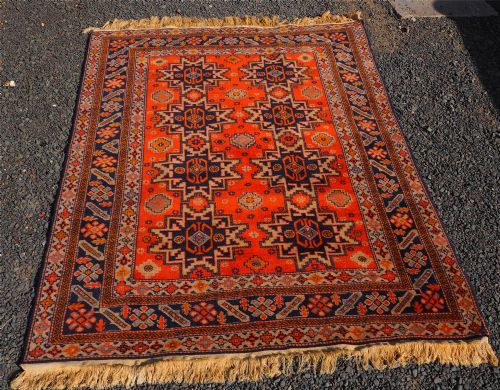
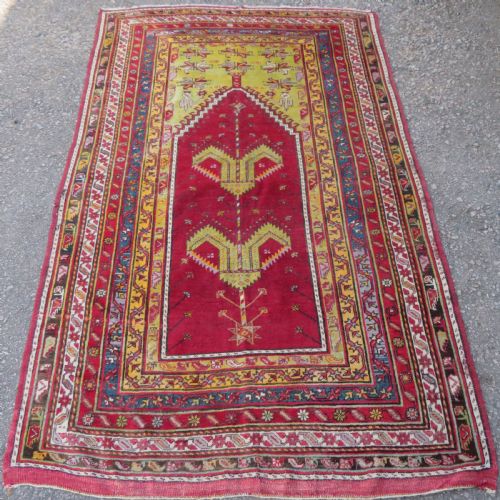
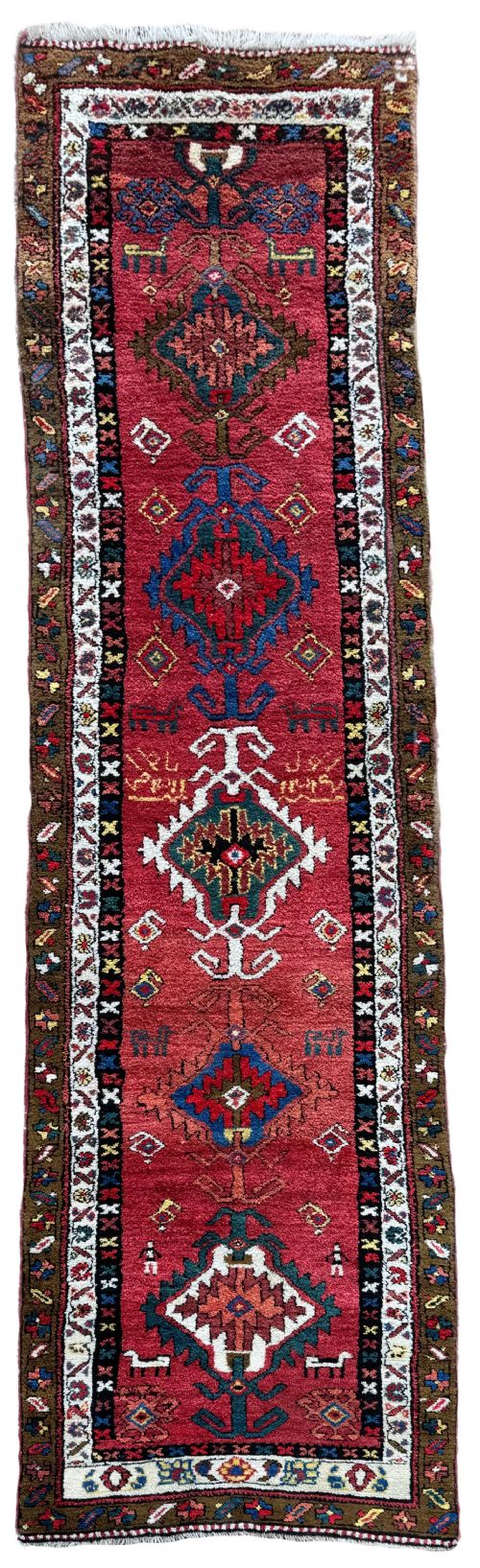
Antique Tribal Runner Rug
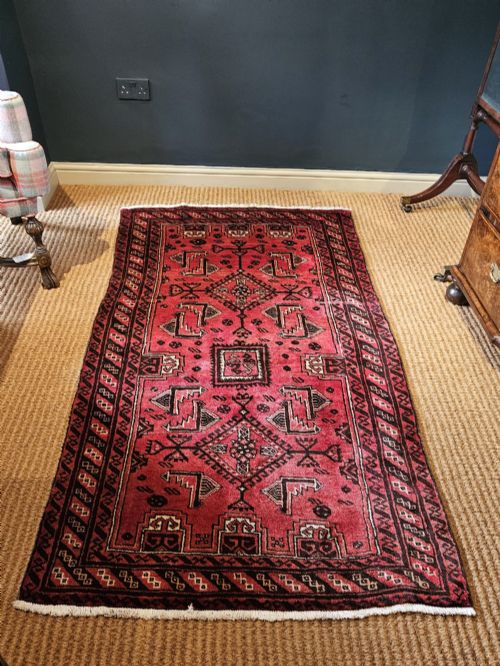
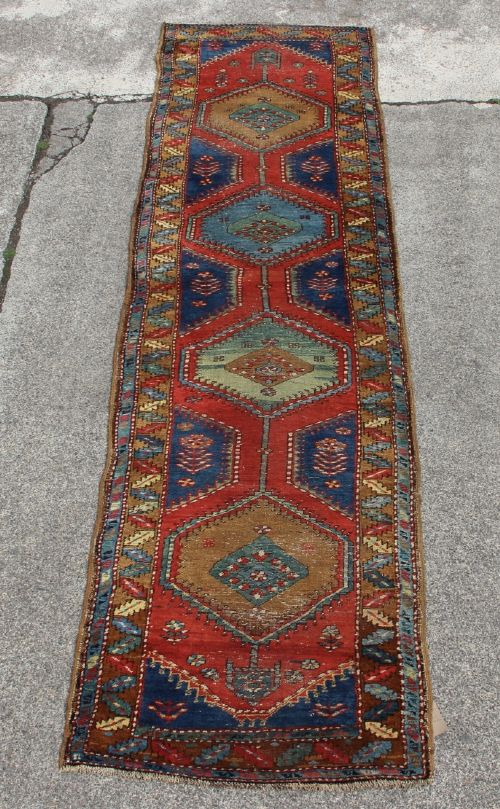
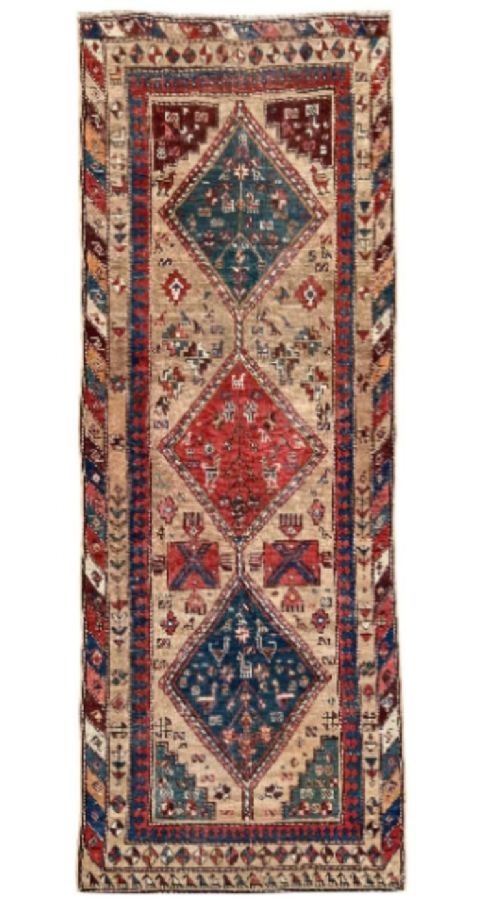
An antique tribal runner rug brings distinct village character and enduring floor coverings into narrow spaces, shaped by weaving traditions from Persia, the Caucasus, and Anatolia.
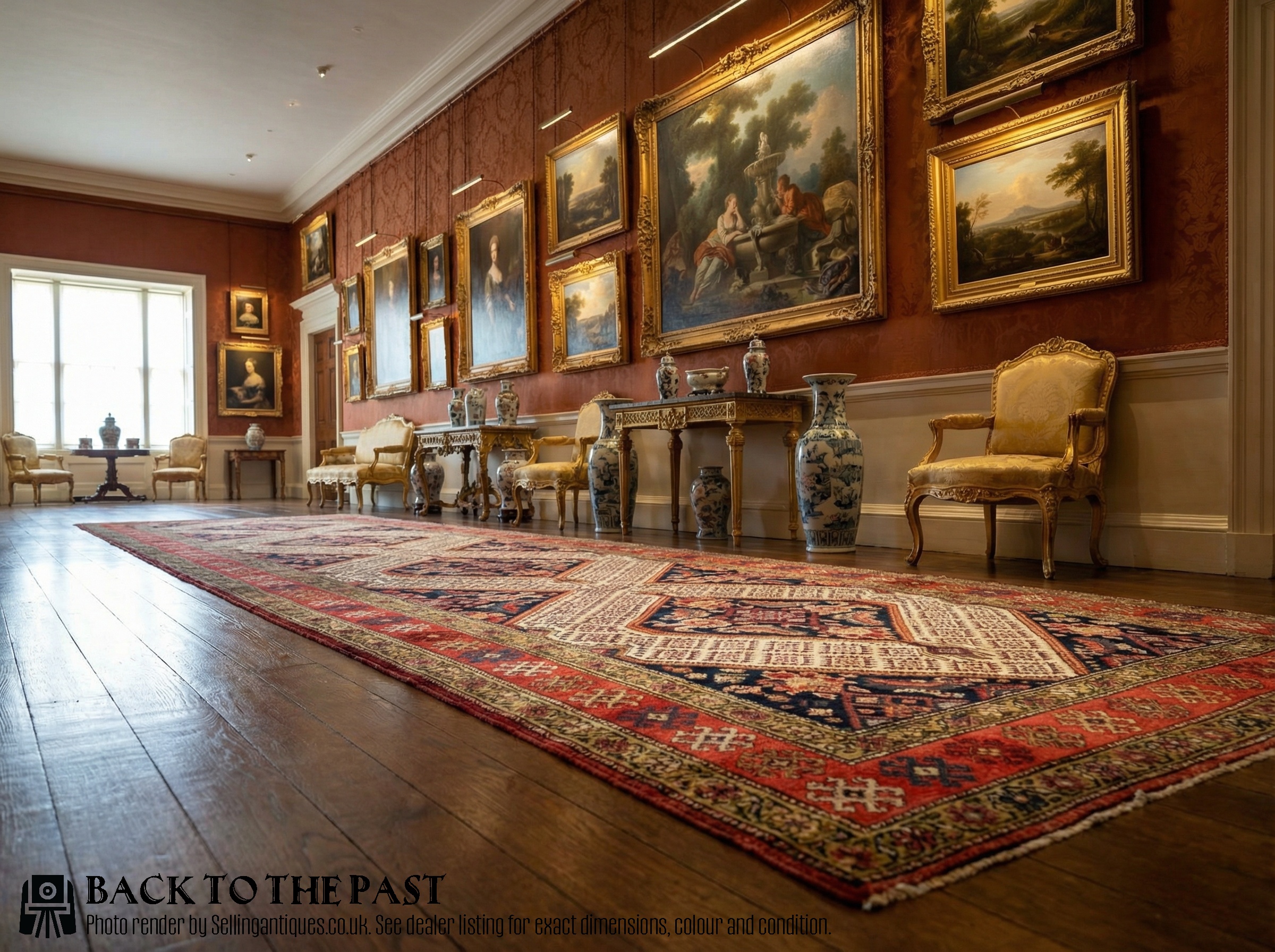
Antique Tribal Runner Rug
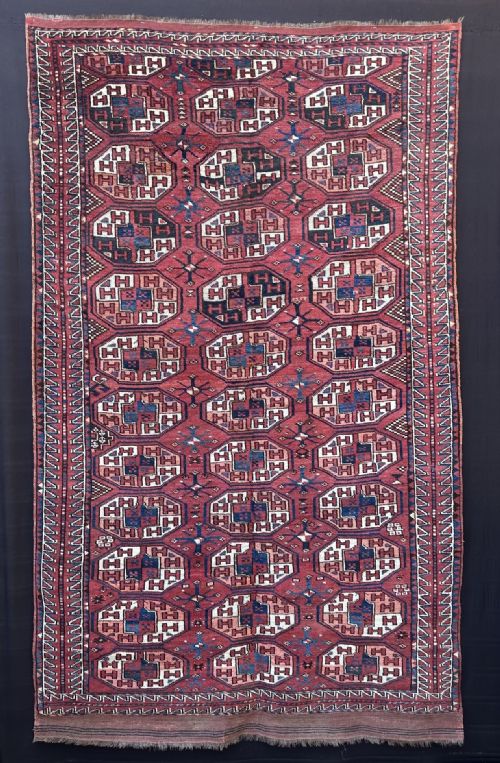
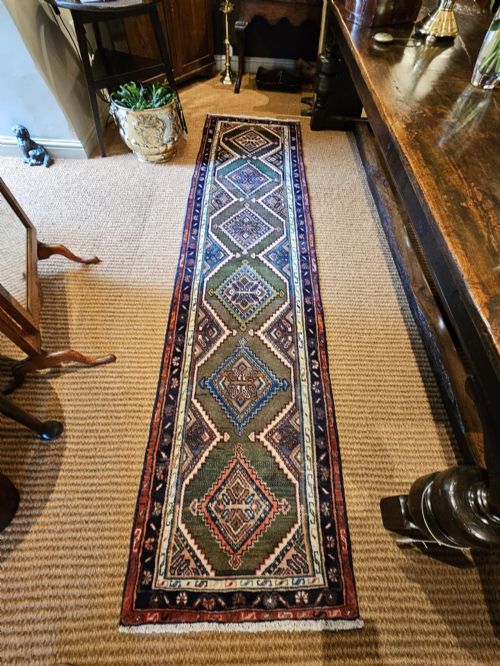
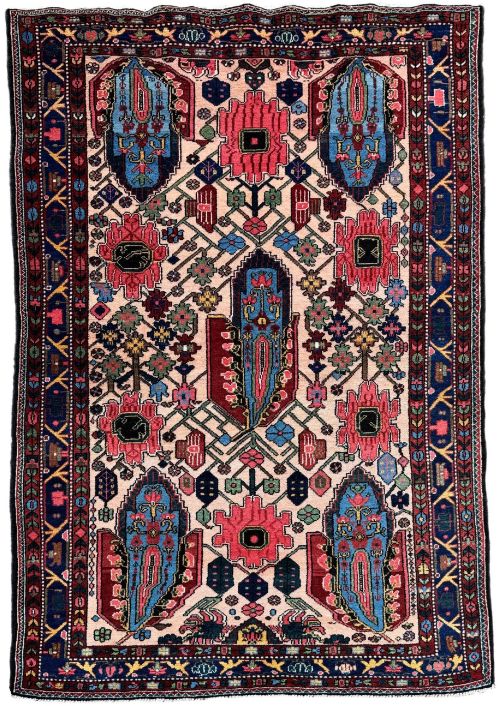
An antique tribal runner rug satisfies the search for elongated floor textiles produced by village and nomadic weavers across Central Asia, Persia, the Caucasus, and Anatolia. These pieces span from the nineteenth century into the early twentieth century, taking forms such as hallway runners, long rugs, and narrow carpet formats.
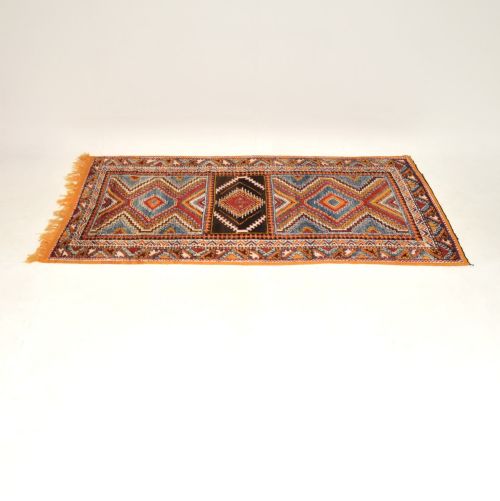
Buyers frequently encounter regional village styles on this page, including Persian tribal weaves, Caucasian geometric patterns, and Anatolian runners. The formats range from compact hearth-sized rugs to extended long runners intended for corridors and passage spaces.

Materials and construction
Weavers employ traditional hand-knotting and flatweaving techniques, integrating local dyes that yield deep olive greens, navy blues, and mellow polychrome palettes. The structural composition reflects regional tribal methods handed down through generations.
Antique Tribal Runner Rug Retail Price Guide 2026
Typical asking prices for tribal runner rug among the pieces listed under this phrase on Sellingantiques today, from the lower quarter to the upper quarter. They describe what is for sale here now, not the wider market.
Nomadic weavers occasionally embedded stray animal hairs directly into the wool pile.
Judging the weave
The distinction between standard examples and finer works rests on knot density, precision of tribal motifs, and the integrity of the wool pile. Tighter construction yields sharper geometric definition in lattice designs and medallion formats.
Condition of the edges, consistency of the natural dyes, and the retention of original side selvedges separate utilitarian survivals from exceptional collector examples. Even wear across the wool surface indicates balanced usage over decades.
Kizyl Ayak Tribe·Baluch Tribe·Shahsavan
The Antique Tribal Runner Rug Glossary
- Runner
- A long, narrow carpet format designed specifically for corridors, hallways, and staircases. These pieces measure significantly longer than they are wide.
- Prayer rug
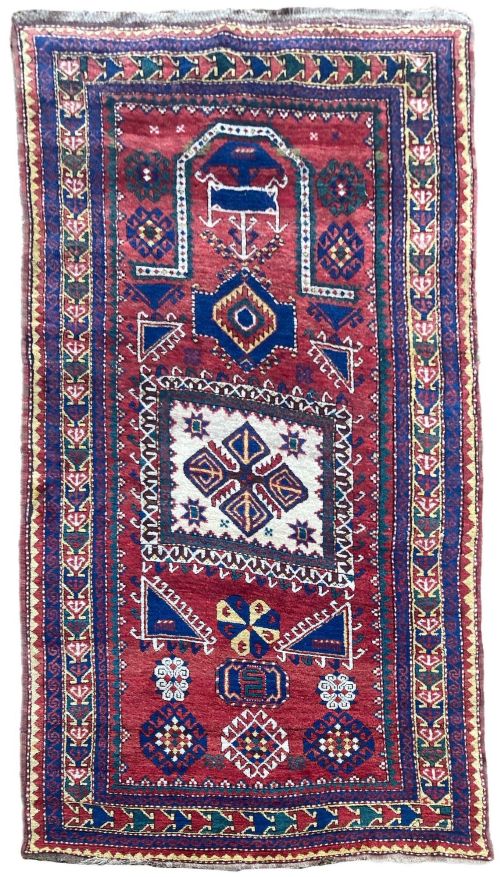
- A small textile featuring a mihrab or niche design at one or both ends, historically used for private devotional prayer. The arch motif directs the supplicant's focus.
- Gul
- A repeating medallion or octagonal motif characteristic of Turkmen and Baluch tribal weaving. Each tribe utilises distinct variations of these primary crests.
- Kazak
- A designated style of rug originating from the Caucasus, known for bold geometric medallions and primary primary colours. These pieces display strong tribal character.
- Kelim
- A flatwoven carpet produced without a pile, created by tightly interweaving warp and weft threads. This technique results in a lightweight, reversible textile.
Antique Tribal Runner Rug: Frequently Asked Questions
Where should I place a runner?
These narrow formats suit hallways, corridors, entryways, and narrow gallery spaces where standard rectangular carpets fail to fit. They guide movement through a home while protecting timber or stone flooring.
Ensure you use an appropriate underlay to prevent slipping and reduce friction on antique wool pile during daily foot traffic.
How do I clean an antique rug?
Gentle surface brushing and careful professional immersion washing remove embedded dust without damaging fragile natural fibres or fugitive dyes. Avoid modern chemical detergents and aggressive scrubbing.
Regular rotation prevents uneven wear patterns and balances exposure to natural light in high-traffic domestic environments.
What defines a tribal design?
Tribal designs rely on geometric motifs, stylized animals, repeating lattice patterns, and symbolic guls rather than the curved floral court designs of city workshops. These patterns stem from nomadic memory and local village traditions.
Weavers expressed their specific clan heritage through these distinct graphical vocabularies passed down across generations.
How do I date an old rug?
Dating relies on assessing the natural dye palette, wool quality, structural materials like cotton versus wool warps, and regional weaving characteristics. Subtle irregularities point to manual village production.
Comparing knot structure and specific tribal motifs against documented nineteenth and early twentieth-century examples helps narrow the period of origin.