

Antique Transferware
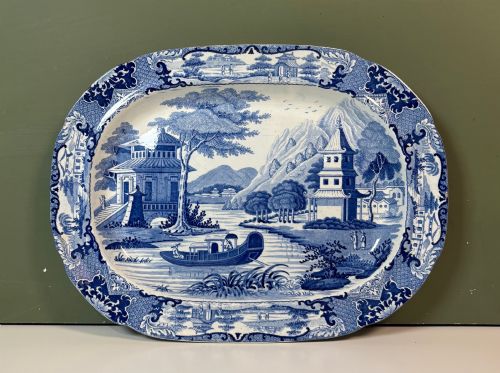
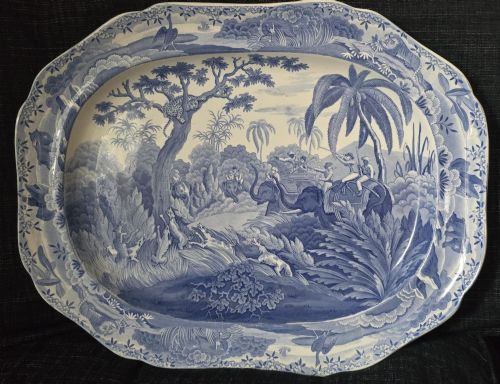
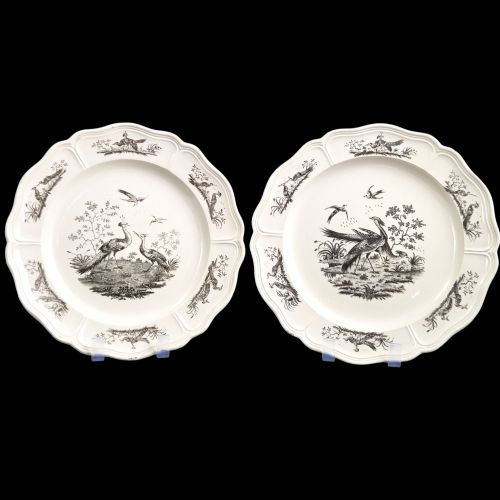
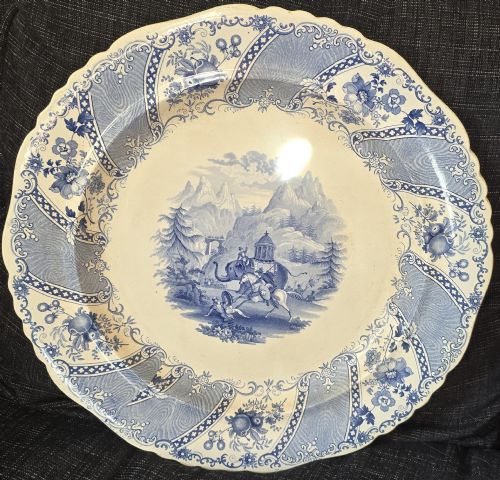
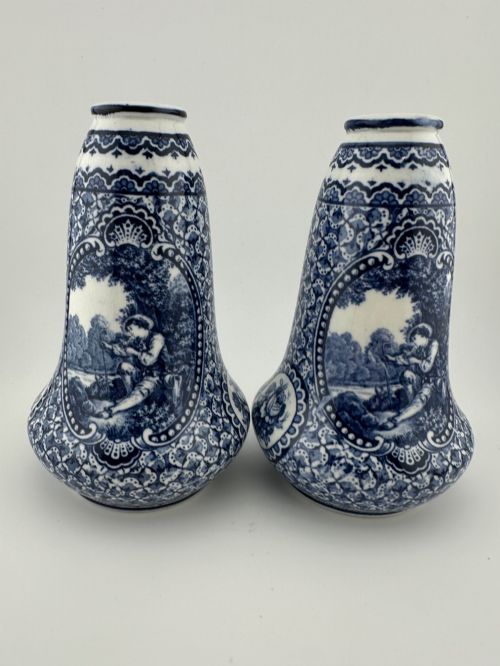
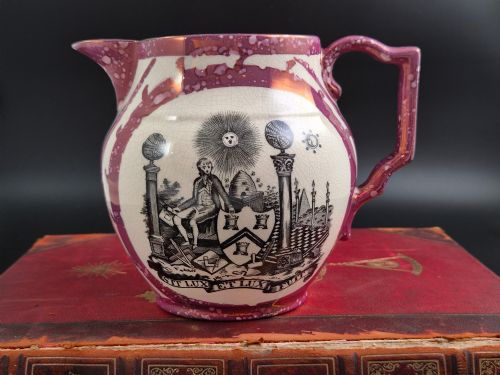
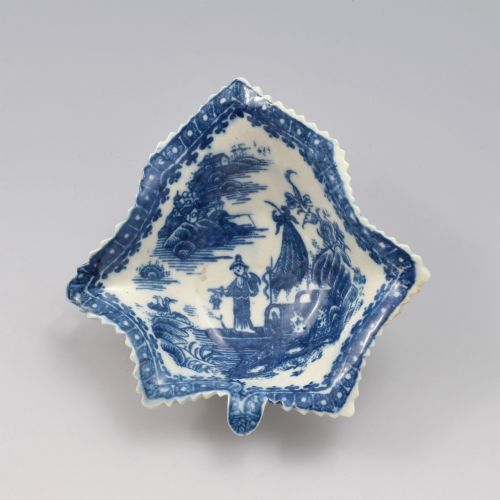
Antique transferware brings printed pictorial scenes to earthenware, creamware, and ironstone vessels through copperplate engraving.
Antique Transferware
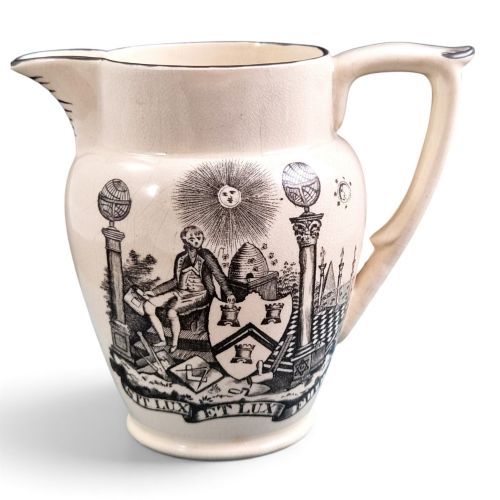
Antique transferware comprises ceramics decorated by applying a printed paper transfer from a copperplate onto a biscuit or glazed surface. The technique allowed potteries to produce complex figurative and landscape designs with uniform precision.
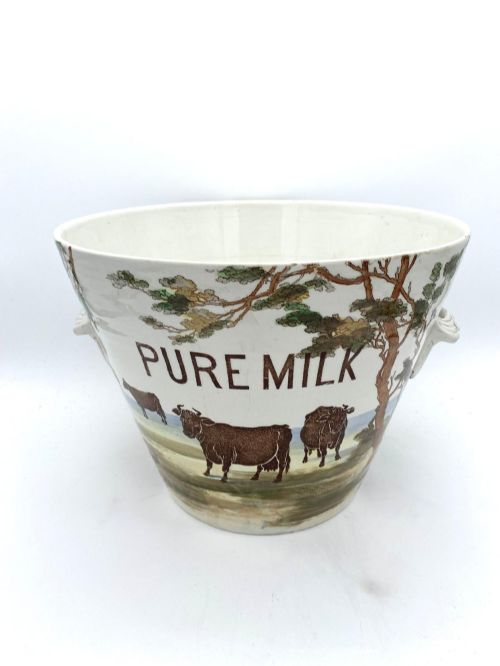
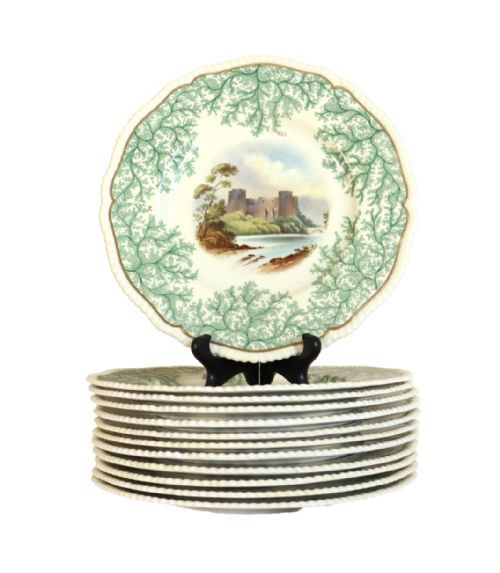
Plates, serving platters, tureens, jugs, and pitchers form the majority of pieces encountered on this page. These functional household items range from eighteenth-century creamware to Victorian flow blue services.
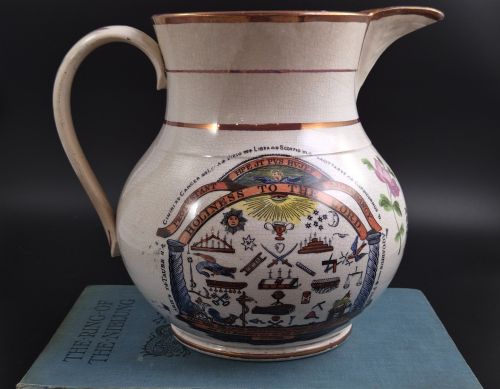
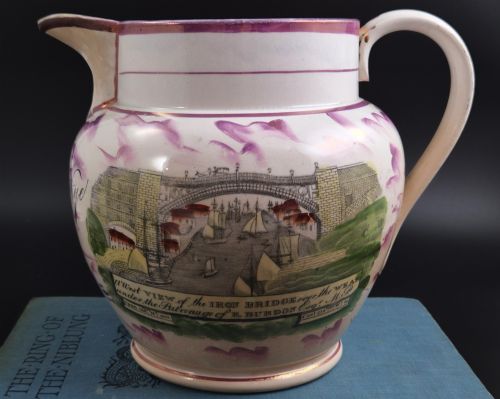
The aesthetic spans pastoral views, classical architecture, and commemorative subjects created across Georgian, Regency, and Victorian periods. Collectors encounter both monochrome prints and polychrome hand-coloured enhancements.
How they were made
Potters engraved copper plates with fine linear designs, which were inked and pressed onto tissue paper to create the transfer. This paper was rubbed onto the ceramic body before firing to set the pigment into the glaze.
Earthenware, creamware, pearlware, and ironstone provide the primary body materials for these wares. Glaze seals the porous clay beneath the print, often imparting a soft blue or creamy tone characteristic of the period.
Antique Transferware Retail Price Guide 2026
Typical asking prices for transferware among the pieces listed under this phrase on Sellingantiques today, from the lower quarter to the upper quarter. They describe what is for sale here now, not the wider market.
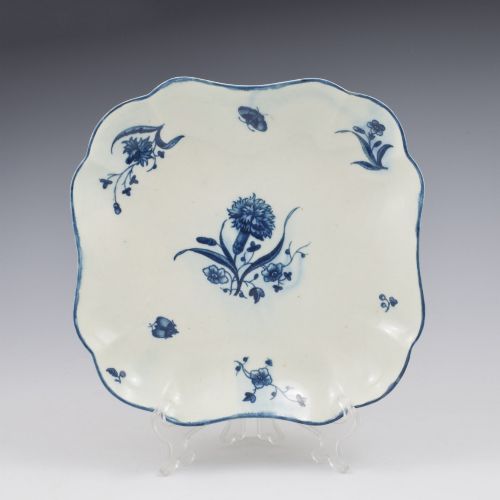
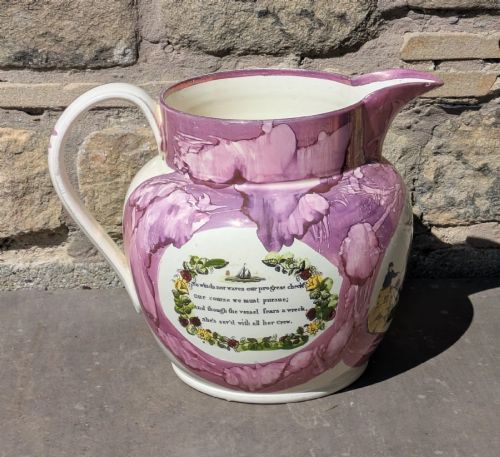
The selection includes serving platters, decorative plates, tureens, and commemorative jugs featuring historical and landscape scenes.
What varies in quality
Clarity and depth of the printed line separate standard output from superior examples, as worn copperplates produce blurred transfers. Finer pieces maintain crisp topographical detail and well-balanced compositions across the entire surface.
The refinement of the underlying ceramic body influences the overall grade of the object. Heavier ironstone and pearlware bodies provide a superior canvas for deep cobalt prints compared to coarser nineteenth-century earthenware.
Spode·William Smith And Co·Royal Bonn Franz Anton Mehlem·Minton·Davenport·John Rogers And Son·J And R Clews·J And R Riley
The Antique Transferware Glossary
- Transfer printing
- A method of decorating ceramics by transferring an inked design from an engraved copperplate onto paper and thence to the pottery body. This process enabled mass production of detailed pictorial patterns.
- Flow blue
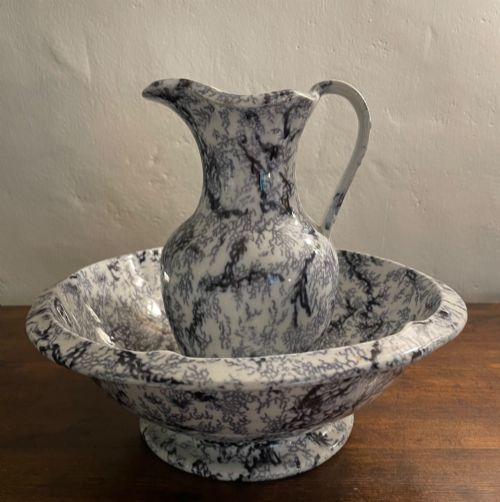
- A style of cobalt printing where lime or ammonia chloride was introduced during the kiln firing to deliberately blur the edges of the design. The resulting indigo pigment bleeds softly into the white glaze.
- Pearlware
- A refined earthenware developed by Josiah Wedgwood featuring a bluish-tinted glaze that pooled slightly in crevices. This formulation was designed to mimic the appearance of Chinese export porcelain.
- Creamware
- A fine earthenware with a warm, pale yellow hue produced by dipping cream-coloured body clay into a transparent lead glaze. It served as the dominant ceramic substrate before the widespread adoption of whiteware.
- Ironstone
- A dense, durable type of heavy earthenware patented in the early nineteenth century to resist chipping. It provided a strong, opaque base well suited to large platters and dinner services.
Antique Transferware: Frequently Asked Questions
How do I clean antique transferware?
Wash pieces gently by hand in lukewarm water using a mild, non-abrasive liquid soap and a soft cloth. Avoid harsh scrubbing brushes and dishwasher cycles, which can damage the historic glaze and soften the transfer print over time.
Dry each item thoroughly with a lint-free towel before returning it to display cabinets or shelving. Sudden temperature changes should also be avoided to prevent thermal shock to the old ceramic body.
Can I use antique transferware for food?
Most of these historic ceramics remain structurally sound for serving dry foods or occasional use. However, older glazes on earthenware and creamware can be porous or contain historical trace elements from early firing materials.
Displaying platters, plates, and jugs as decorative art is generally recommended for pieces with extensive age. Modern acidic foods can also interact with degraded historic glazes over prolonged contact.
How do I date a transferware piece?
Examine the base for potter marks, registered design diamonds, or specific pattern names recorded in ceramic archives. The ceramic body itself, such as early creamware versus later heavy ironstone, also provides a reliable chronological indicator.
The style of the printed border often narrows down the manufacturing decade, as decorative motifs shifted from neoclassical shells to busy Victorian florals.
What caused the blurry look on flow blue?
Potters deliberately introduced volatile chloride salts into the kiln atmosphere during the firing process. These chemical vapours caused the cobalt oxide pigment to expand and bleed outward into the surrounding white glaze.
This atmospheric reaction produced a misty, atmospheric effect that hid minor printing flaws and created a rich tonal depth unique to mid-nineteenth-century aesthetics.