





Antique Tortoiseshell Chest
These antique tortoiseshell chest examples combine rich mottled shells with fine timber structures, bringing tactile warmth and historic craftsmanship to any room.
Antique Tortoiseshell Chest
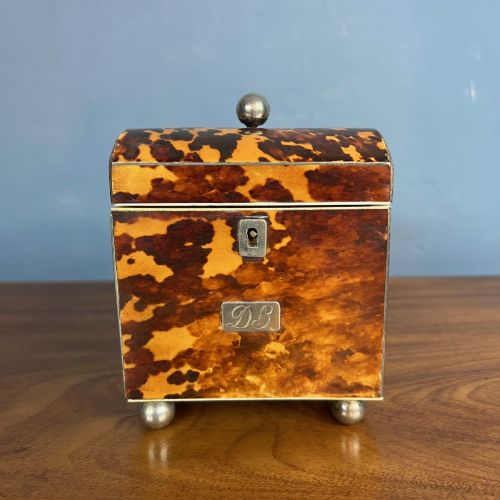
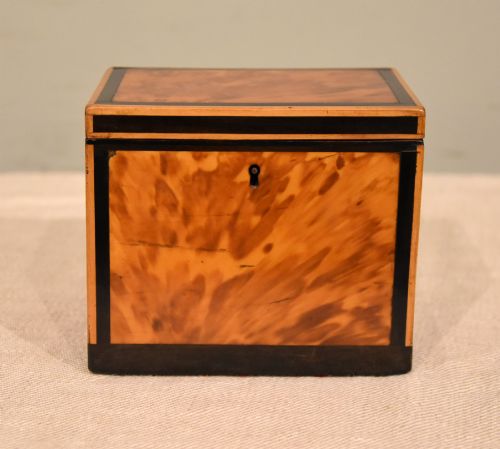
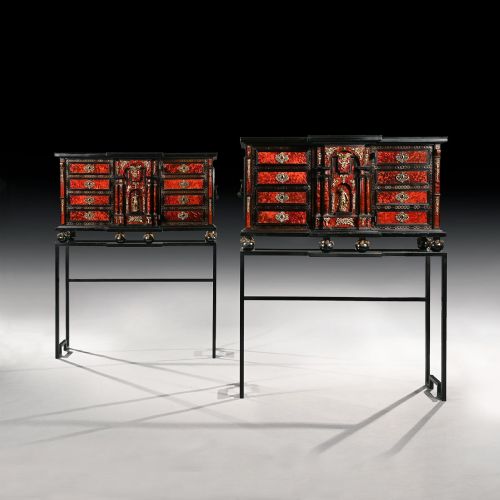
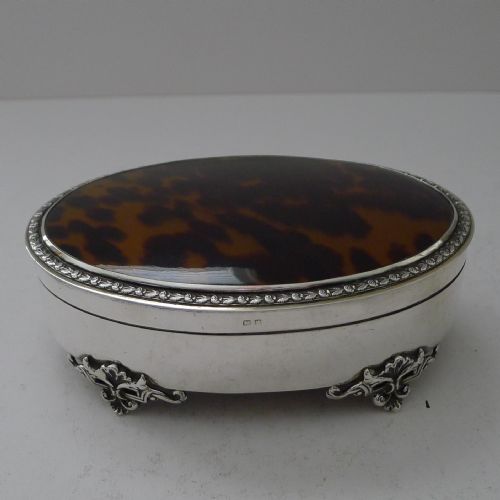
When searching for an antique tortoiseshell chest, buyers typically encounter compact table-top tea caddies, fitted jewellery boxes, and larger architectural cabinets on stands. These pieces span periods from the seventeenth century through the Georgian and Regency eras up to the early twentieth century.
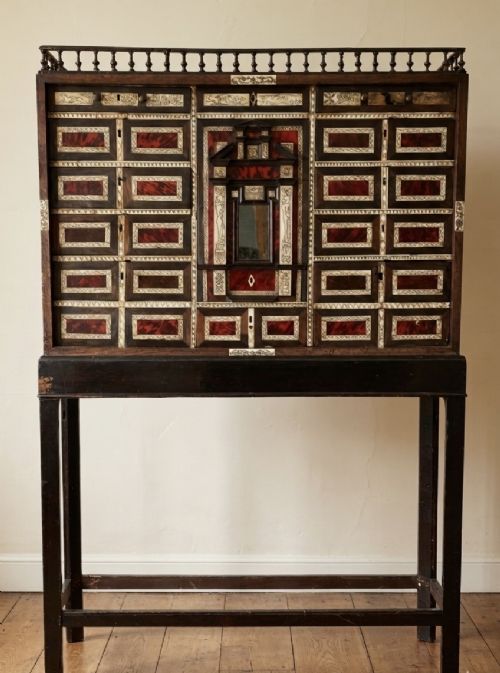
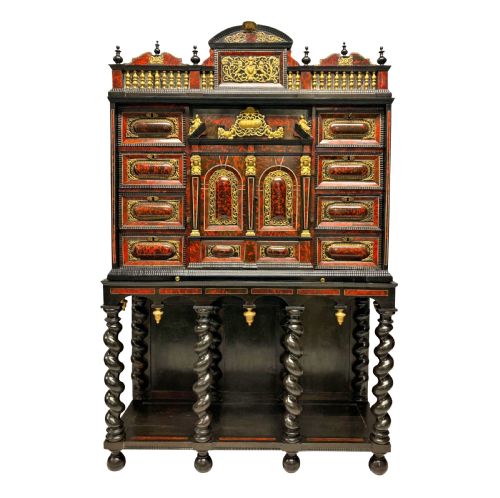
The smaller containers include single and double tea caddies alongside ladies table-top jewellery boxes. Larger examples take the form of cabinets on stands originating from seventeenth-century Flemish and Spanish workshops.
The versions met most frequently on this page are Georgian tea caddies and twentieth-century sterling silver mounted jewellery boxes. Alongside these, substantial continental cabinets on stands appear from Spanish, Portuguese, and Flemish traditions.
Judging quality in tortoiseshell work
Quality separates objects by the precision of the shell veneer application and the preservation of the underlying foil layers. Superior examples display vibrant, unclouded mottling where individual plates fit flush against the timber carcase without warping or shrinkage.
The complexity of the metal mounts and internal fittings also distinguishes finer pieces. Comprehensive silver hardware, intact interior cannisters, and original working locks elevate the status of a caddy or cabinet.
Antique Tortoiseshell Chest Retail Price Guide 2026
Typical asking prices for tortoiseshell chest among the pieces listed under this phrase on Sellingantiques today, from the lower quarter to the upper quarter. They describe what is for sale here now, not the wider market.
The selection includes materials such as tortoiseshell, bone, ebony, gilt bronze, and sterling silver applied across Georgian, Regency, and seventeenth-century forms.
The Antique Tortoiseshell Chest Glossary
- Tortoiseshell
- A decorative veneer harvested from the shell of certain marine turtles, valued for its translucent amber and dark brown patterning. Artisans heated and pressed thin plates of it over wooden carcases.
- Tea caddy
- A small box or chest designed to store loose tea leaves securely. During the eighteenth and nineteenth centuries, these often featured internal divisions and fitted cannisters.
- Ebonised wood
- Timber treated with a dark stain or finish to imitate expensive solid ebony. It frequently appears alongside tortoiseshell to create contrasting borders.
- Cabinet on stand
- A large display or storage cabinet elevated on a matching support frame. Seventeenth-century versions from Spanish and Flemish makers often utilise this grand format.
- Gilt bronze
- Copper alloy treated with a gold wash or mercury gilding to provide metallic mounts and decorative feet. It adds structural weight and visual brilliance to cabinet corners and handles.
Antique Tortoiseshell Chest: Frequently Asked Questions
How do I clean tortoiseshell?
Maintain the surface by dusting gently with a soft, dry microfibre cloth. Avoid harsh chemical cleaners, alcohol, or excessive moisture which can damage the delicate shell and adhesive layers beneath.
Keep the piece out of direct sunlight to prevent the amber tones from fading and the underlying foils from drying out over time.
Were these chests used for tea?
Smaller boxes functioned primarily as tea caddies to safeguard valuable tea leaves under lock and key. Wealthy households stored green and black teas securely in these divided compartments.
Larger cabinet structures served different domestic purposes, housing precious objects, documents, or jewellery rather than dry goods.
How do I identify a Georgian piece?
Georgian examples often manifest as compact tea caddies or table boxes displaying characteristic eighteenth-century proportions and brass hardware. Look for hand-cut dovetails on internal wooden components and period locking mechanisms.
Stylistic cues align with the prevailing furniture designs of the reigns spanning the mid-eighteenth to early nineteenth centuries.
Why do the colours vary so much?
Natural tortoiseshell exhibits wide variations in pattern, ranging from pale translucent blonde to deep amber and dark brown spots. Artisans also placed metallic foils beneath the translucent shell plates to amplify specific hues.
Different marine species and the specific section of the shell used dictate the distinct visual character of each individual panel.