
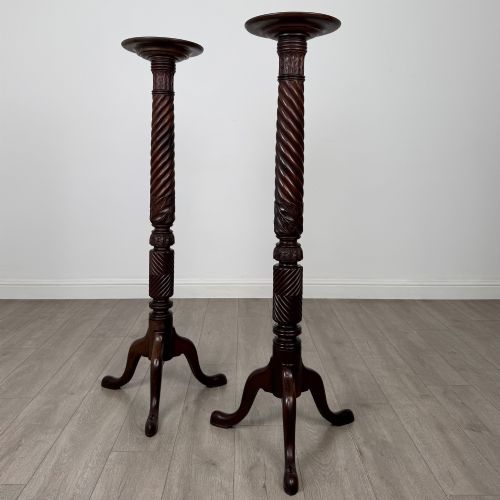
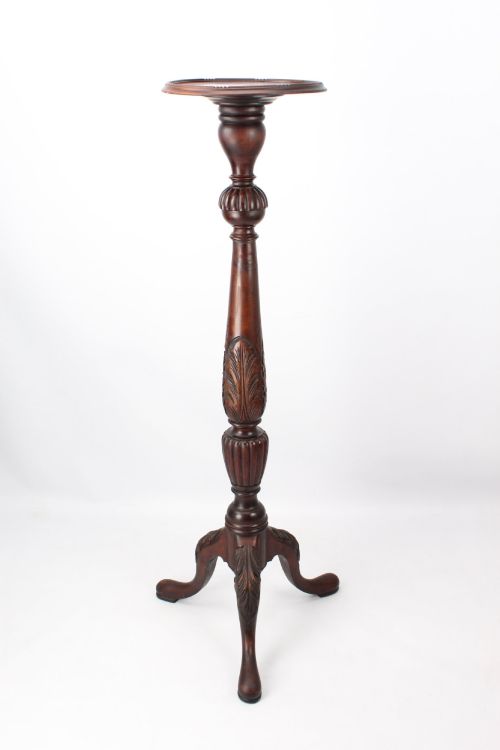
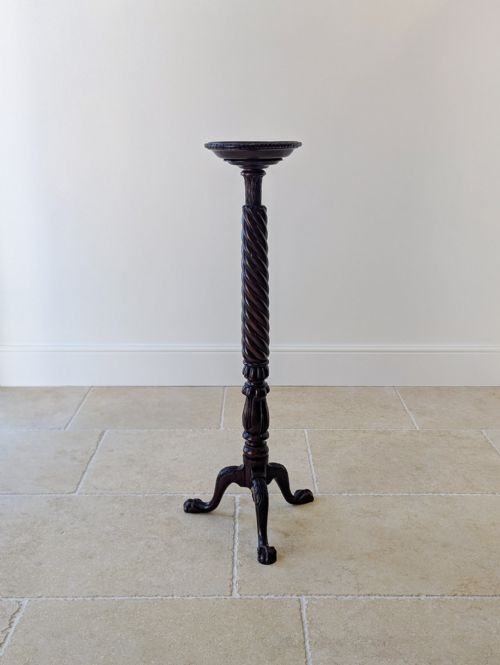

Antique Torchere Plant Stand
An antique torchere plant stand brings height and sculptural presence to a room, displaying urns, flora or lighting with timeless vertical grace.
Antique Torchere Plant Stand
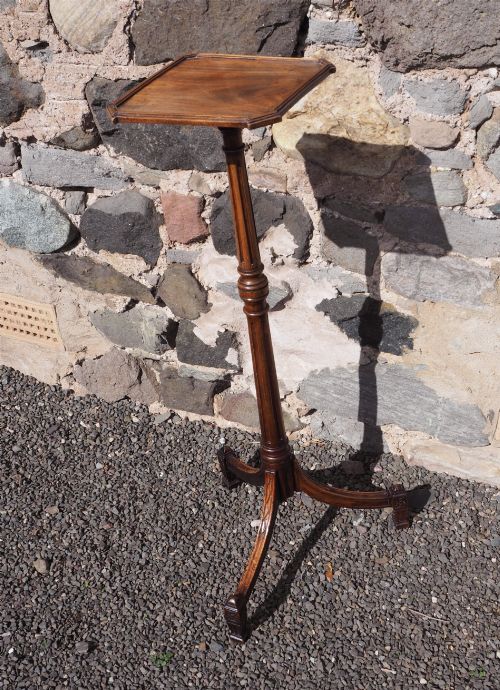
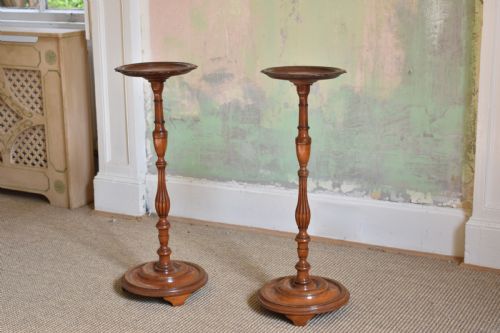
An antique torchere plant stand serves primarily as an elevated display platform for botanical arrangements, decorative urns or candle lighting. These slender furnishings evolved from eighteenth-century candle stands into versatile nineteenth-century pedestals capable of supporting potted plants and jardinières.
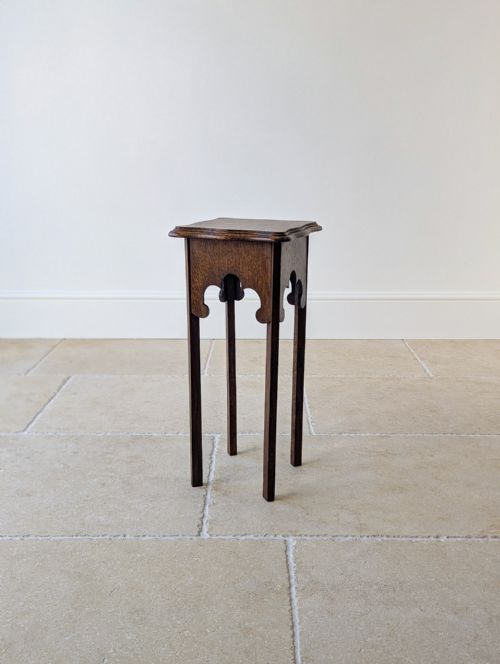
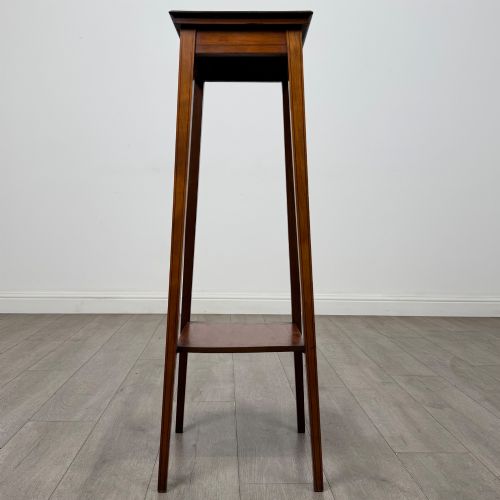
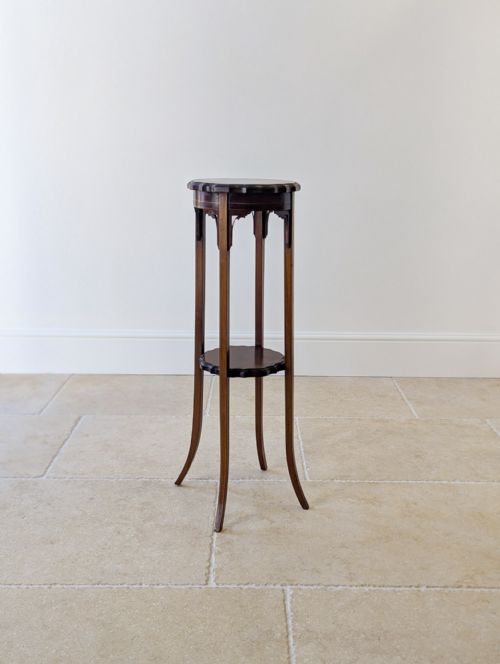
The selections recorded here span the Georgian, Victorian and Edwardian eras, encompassing tall tripod columns and heavy turned plinths alike. Mahogany remains the most frequent wood encountered, accompanied by walnut, oak and occasional satinwood or ebonised finishes.
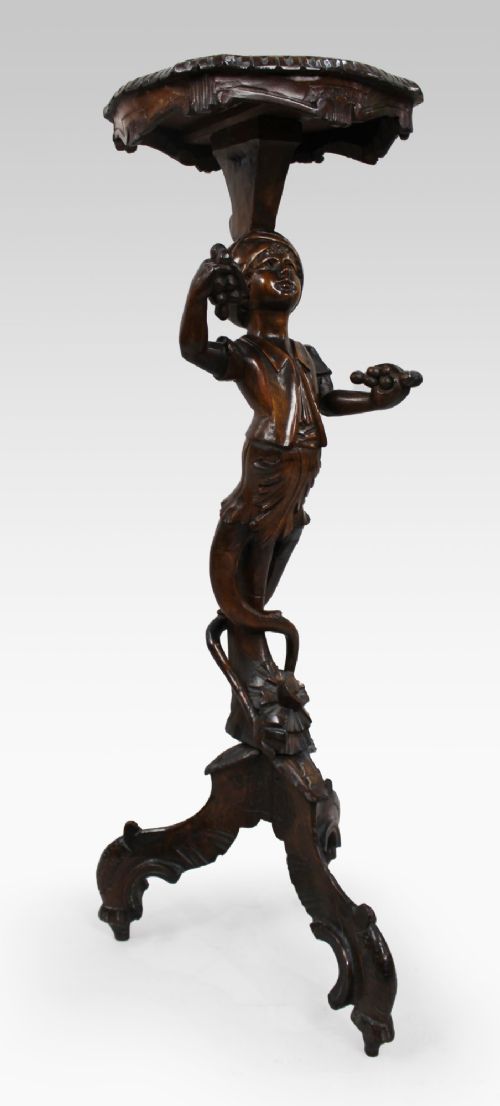
Makers utilised diverse regional idioms, ranging from English Chippendale and Regency revivals to Venetian baroque carvings and French inlaid styles. Buyers frequently encounter combined designations where torcheres and plant stands fulfil identical decorative interior functions.
Materials and construction
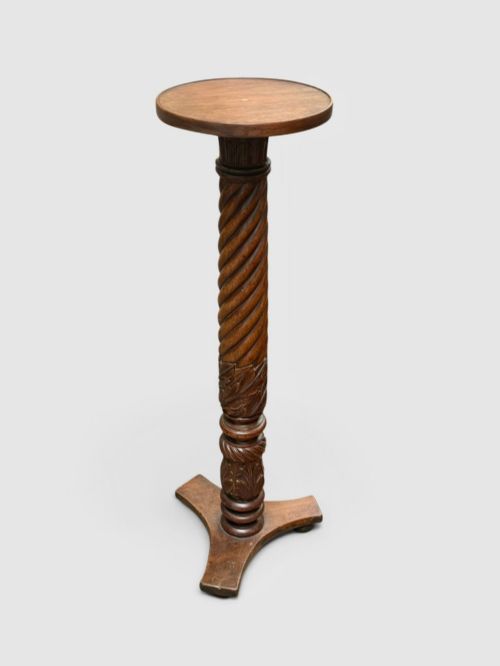
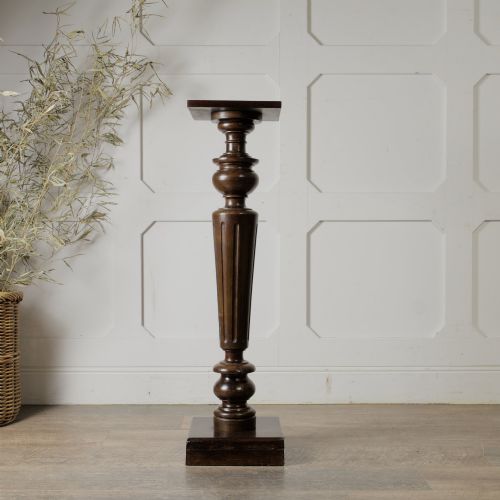
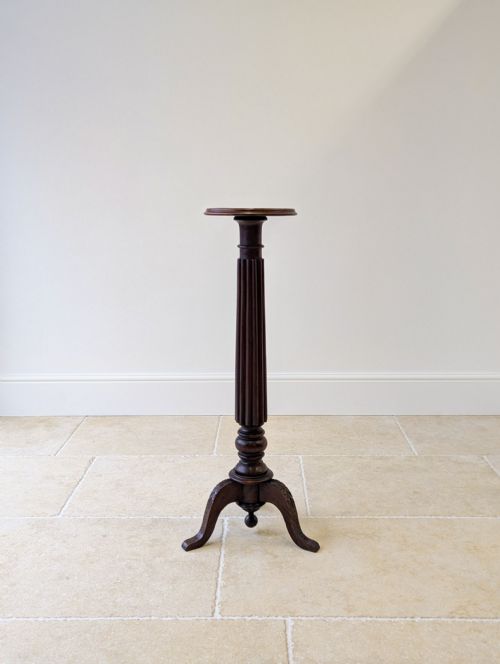
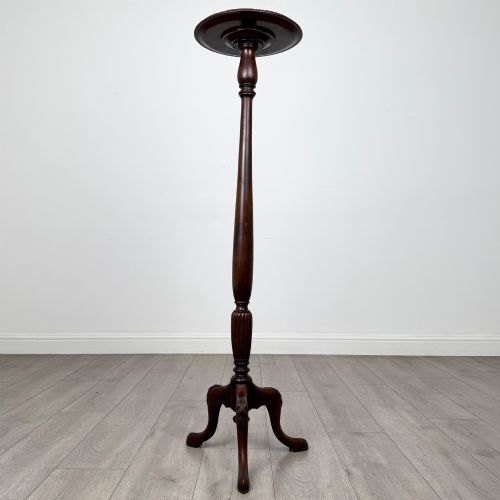
Cabinetmakers relied heavily upon dense hardwoods like mahogany and walnut to provide structural stability for tall, slender shafts without risking a top-heavy wobble. Turning lathes shaped central columns into fluted or spiralled profiles, while skilled joiners constructed sturdy tripod bases or weighted square plinths.
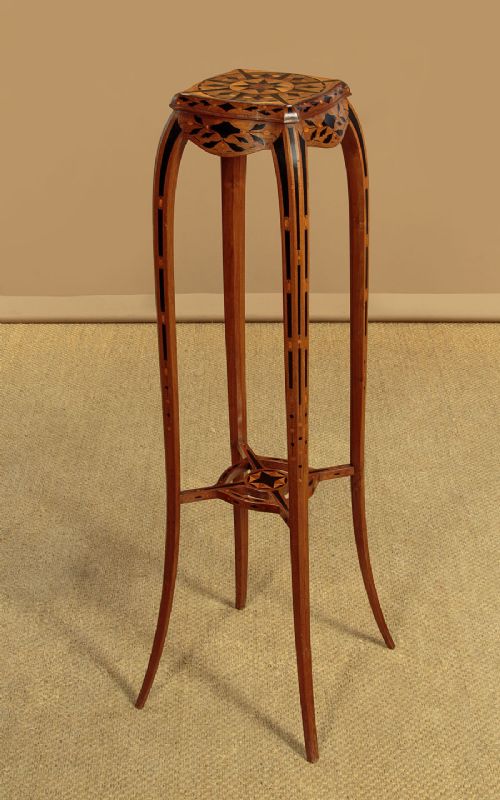
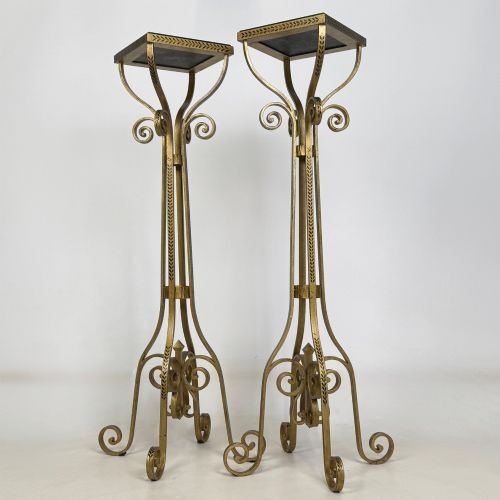
Surface ornamentation involved intricate hand-carving, marquetry inlay, gilt accents or painted finishes such as original green paint and ebonisation. Tops occasionally incorporated contrasting slabs of marble or polished specimen woods to support damp flower pots and heavy ornamental vases.
Several Victorian smokers managed their habits with dedicated stands that doubled as plant holders, proving multitasking furniture is not a modern invention.
Assessing craftsmanship
Quality rests significantly in the crispness of the hand-carving and the integrity of the timber selection, distinguishing master workshops from standard production pieces. Superior examples exhibit tightly fitted joints, stable tripod feet that sit level without rocking, and finely figured wood grains.
Weight distribution dictates structural excellence, as taller columns require substantial internal mass or wide-spreading bases to remain secure under heavy marble slabs or large ceramic jardinières.
The Antique Torchere Plant Stand Glossary
- Torchere
- A tall, slender stand originally designed to hold a torch or candle, later adapted for displaying plants and decorative objects. These elevated platforms draw the eye upward and occupy minimal floor space.
- Jardiniere
- An ornamental pot or stand, typically ceramic or metal, designed specifically to hold growing plants or floral displays. They frequently accompany tall pedestals in nineteenth-century interiors.
- Tripod base
- A three-legged support structure commonly utilised on nineteenth-century stands to ensure stability on uneven historical floorboards. This design configuration prevents the rocking often associated with four-legged narrow bases.
- Plinth
- A heavy rectangular or circular base that supports a column, statue or plant stand. It provides crucial lower weight to anchor tall display furniture safely.
- Marquetry
- Decorative veneer work arranged in intricate patterns using various coloured woods, occasionally seen on Edwardian and Georgian table tops. This technique adds elaborate geometric or floral ornamentation to flat surfaces.
Antique Torchere Plant Stand: Frequently Asked Questions
What is an antique torchere plant stand used for?
These tall stands function primarily to elevate potted plants, floral arrangements, decorative urns or lighting fixtures above floor level. Their slender profile allows them to occupy neglected corners while adding vertical interest to interior spaces.
Historically, similar small tables also supported candles or smoking paraphernalia before evolving into popular Victorian and Edwardian plant displays.
How do I distinguish between a torchere and a plant stand?
While modern terminology often treats them interchangeably, traditional torcheres generally feature smaller tops intended for candles or light decorative objects. Plant stands and jardiniere columns typically possess broader, sturdier tops designed to accommodate heavier pots and damp earth.
Many surviving pieces combine both functions, reflecting nineteenth-century versatility where a single tall stand served multiple decorative purposes.
Which woods are most common in these stands?
Mahogany dominates the surviving record across Georgian, Victorian and Edwardian periods, prized for its strength and rich grain. Walnut and oak appear frequently, particularly within Arts and Crafts or earlier continental pieces.
More decorative examples incorporate exotic timbers like satinwood, kingwood, or ebonised finishes paired with inlaid marquetry details.