

Carved Tripod Lamp Stand
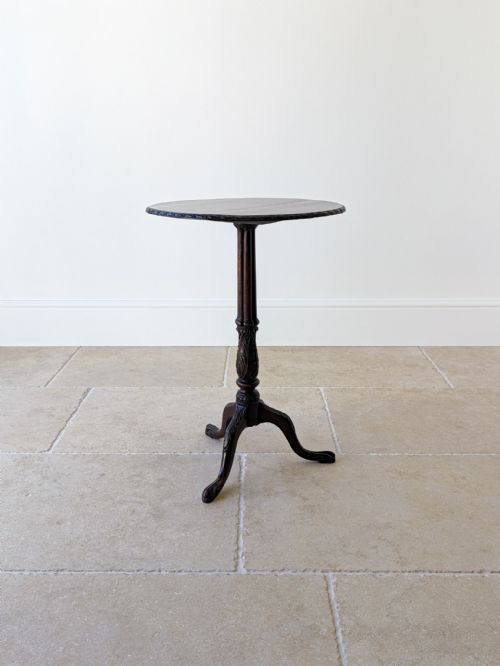
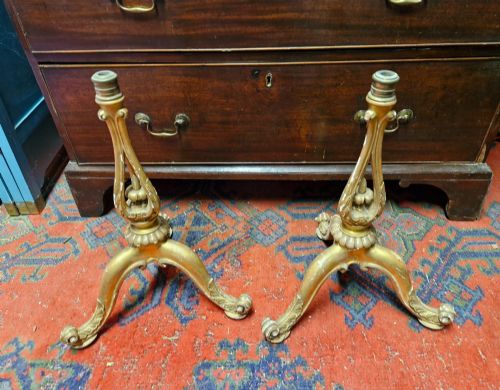
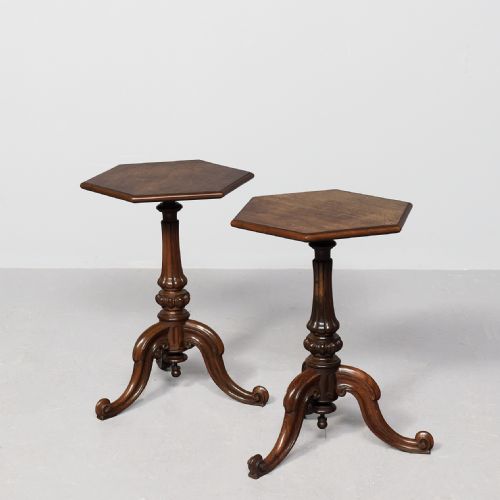
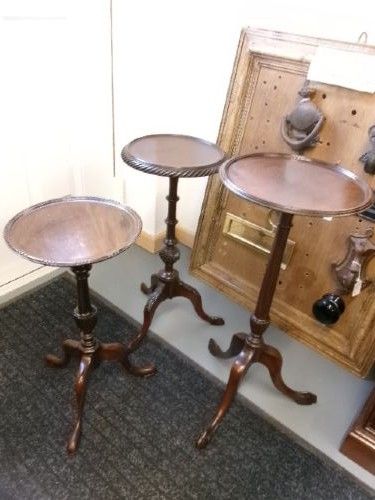
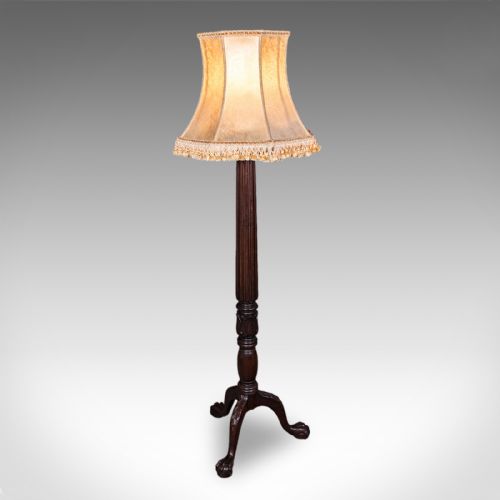
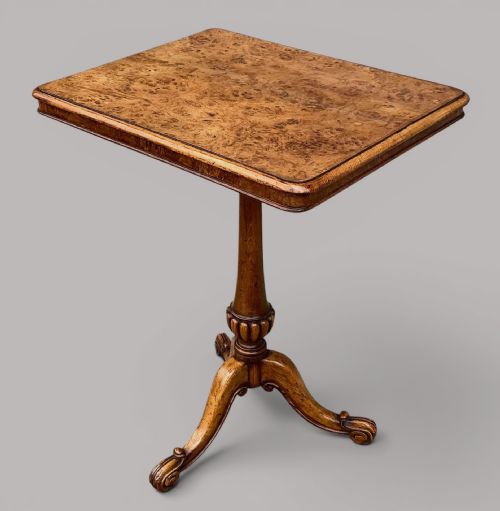
These carved tripod lamp stand pieces combine sturdy three-legged supports with surfaces designed to hold lighting or display items.
Carved Tripod Lamp Stand
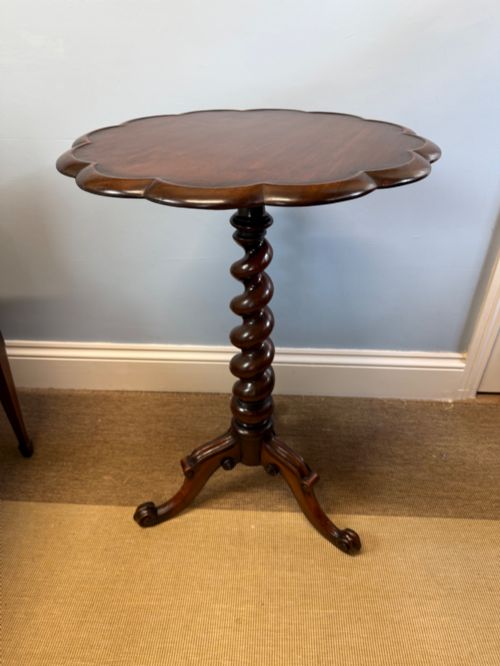
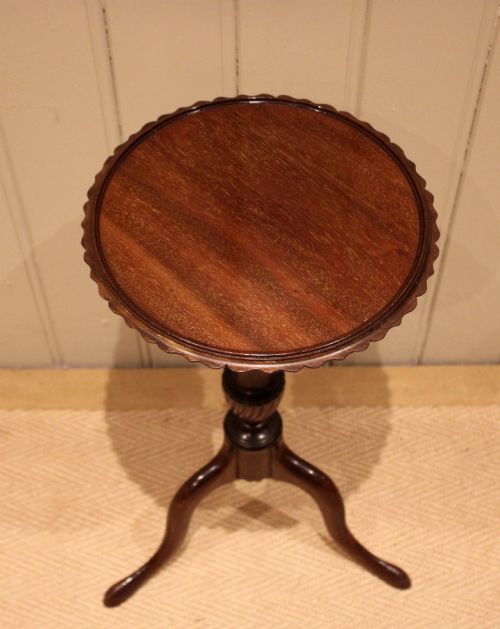
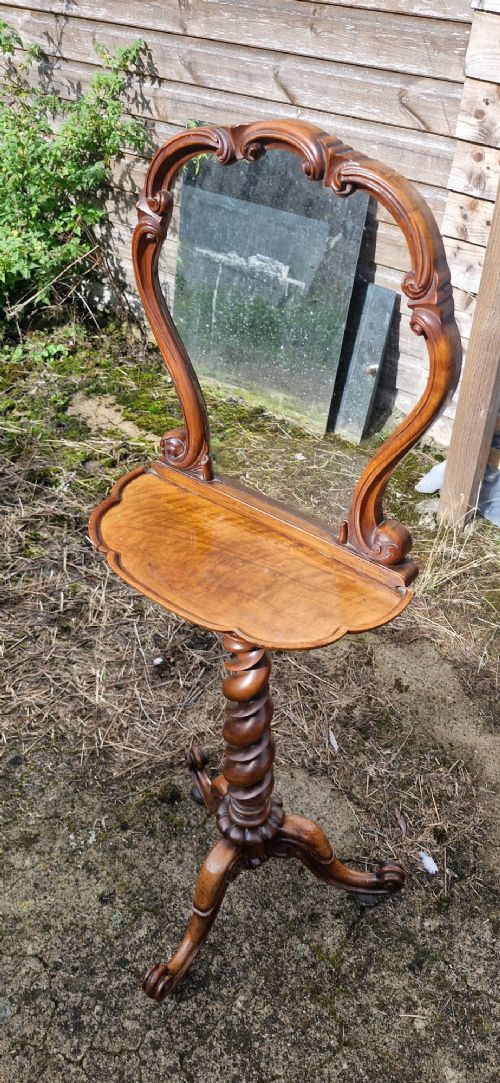
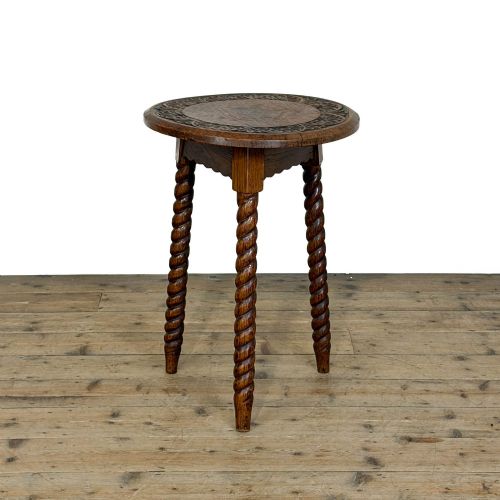
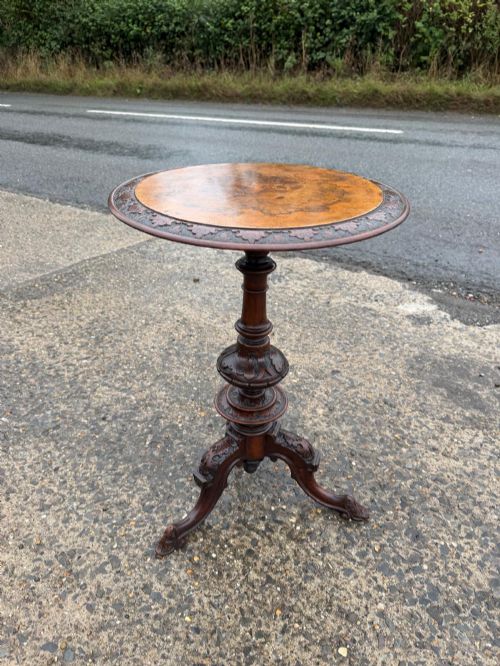
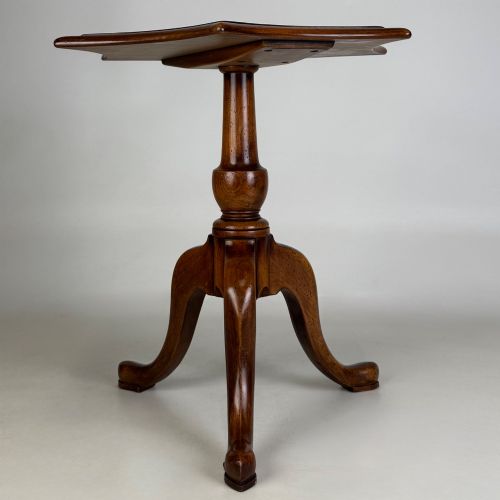
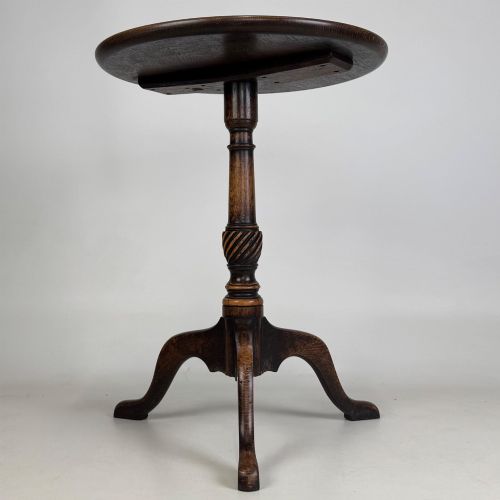
A carved tripod lamp stand appears in various iterations across this selection, functioning primarily as lamp tables, wine tables, occasional tables, or standard floor lamps. These items emerge from the 19th Century, Victorian, Regency, and Edwardian eras, displaying distinct historical influences such as William IV, Jacobean Revival, and Georgian styles. Most examples rely on a central pedestal anchored by three splayed legs to provide stability for elevated surfaces or lighting fixtures.
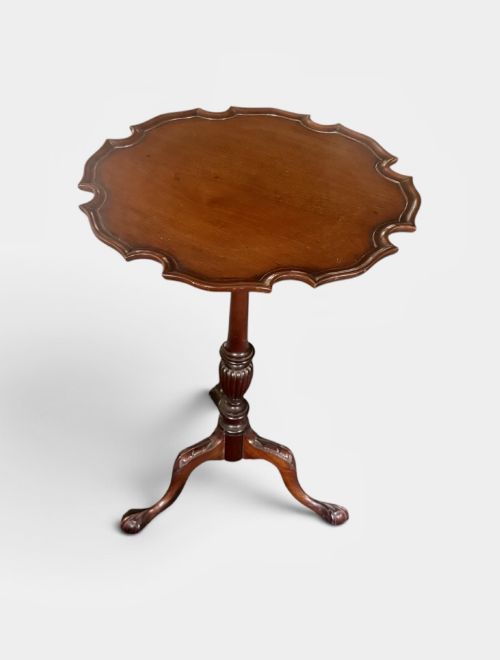
Makers frequently adapted these versatile supports into smaller occasional pieces, incorporating circular, dishtop, or pie crust rims to retain small objects. Floor-standing standard lamps and tall torcheres also utilise this three-legged format to support illumination at height. Buyers frequently encounter mahogany and walnut constructions, occasionally enhanced with burr wood or boxwood stringing.
Materials and Technique
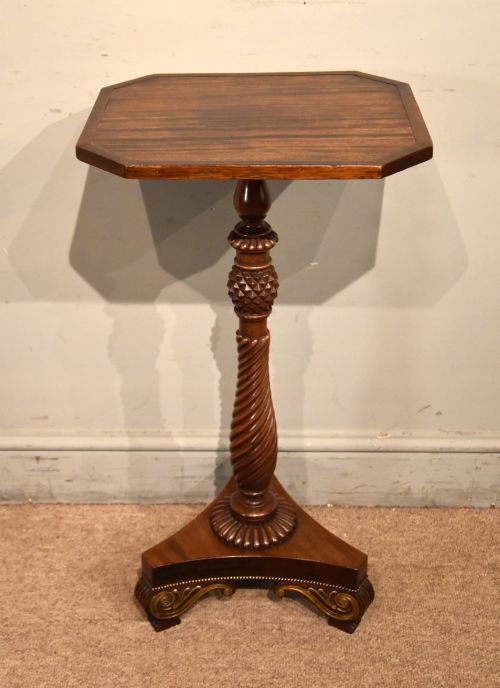
Cabinetmakers constructed these supports predominantly from dense hardwoods such as mahogany, walnut, burr walnut, oak, and rosewood, ensuring sufficient weight in the central shaft and feet. The characteristic three-legged tripod base requires precise joinery to angle the legs outward from the central pedestal for balanced weight distribution. Turned elements like barley twists and bobbin galleries appear alongside hand-carved details such as grape vine motifs or shaped rims.
Secondary materials like brass, glass, and gilt accents provide functional hardware and decorative contrast against the dark timbers. Surface treatments typically involve polishing the wood grain to highlight the natural figuration found in burr walnut and mahogany veneers.
Recorded periods stretch from the 1820s through the Victorian and Edwardian eras up to the 1930s.
Distinctions in Execution
Quality rests upon the selection of timber figures, such as highly grained burr walnut or rich mahogany, and the crispness of the hand-carved details on the legs and edges. Superior examples display balanced proportions between the central pedestal and the splayed tripod feet, ensuring the piece remains stable without feeling overly heavy.
The Carved Tripod Lamp Stand Glossary
- Tripod base
- A support structure featuring three splayed legs radiating from a central pillar. This configuration provides a stable footprint on uneven flooring.
- Torchere
- A tall stand or pedestal originally intended to hold a candle or torch. These later accommodate elevated lamps or decorative objects.
- Pie crust rim
- A raised, decoratively carved edge shaped in undulating curves resembling pastry work. This feature prevents items from sliding off the tabletop.
- Barley twist
- A carved or turned column resembling a spiralling rope or barley sugar stick. It adds textural movement to the central pedestal.
- Burr walnut
- Timber taken from the deformed growth or root of a walnut tree, yielding intricate, swirling grain patterns. It is typically used for decorative veneers on tabletops.
Carved Tripod Lamp Stand: Frequently Asked Questions
What is a carved tripod lamp stand used for?
These pieces serve as compact surfaces for table lamps, drinks, or decorative objects in living spaces. Their small footprint allows them to fit easily beside seating.
Floor-standing versions provide vertical illumination by holding standard lamps at a higher elevation.
How do I identify a Victorian piece?
Victorian examples often feature dense timbers like mahogany and walnut, frequently combined with elaborate turning such as barley twists or bobbin galleries. Stylistic revivals of earlier periods also point toward this era of production.
Construction details typically reveal machine-assisted cutting alongside traditional hand-finishing methods common in the nineteenth century.
Are these stands stable on carpets?
The three-legged tripod design distributes weight evenly, allowing the base to maintain contact with the floor across three points. However, thick carpets can cause slight wobbling depending on the spread of the feet.
Lighter occasional tables benefit from placement on hard flooring or flat rugs to ensure optimal balance.
What is a wine table?
A wine table is a small occasional table traditionally designed to hold glasses and bottles during evening gatherings. Their portable nature made them easy to move around a drawing room.
In modern settings, they function effectively as compact lamp tables or display surfaces.