
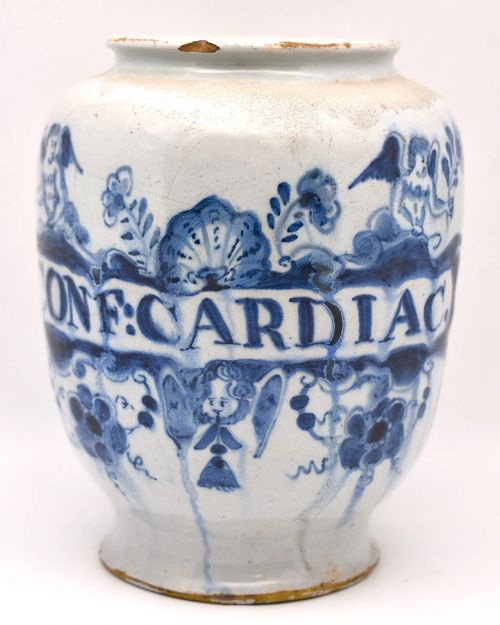


Antique Tin Glazed Pot
When you handle an antique tin glazed pot, you hold centuries of earthenware shaped by hand, coated in opaque white glaze, and painted in cobalt or polychrome pigments.

Antique Tin Glazed Pot
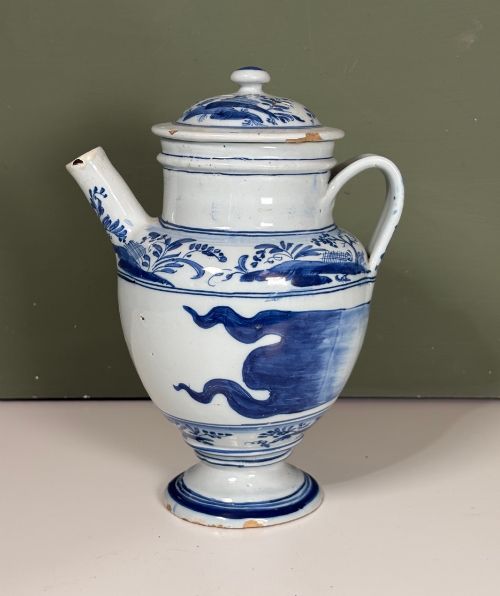
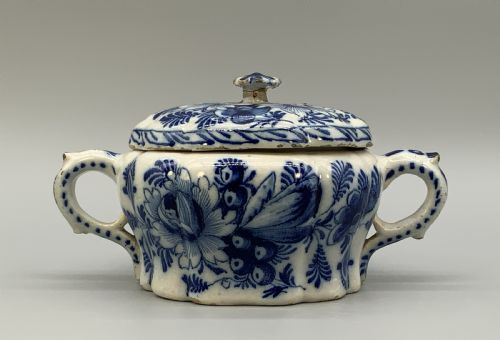
An antique tin glazed pot spans utilitarian apothecary vessels, drug jars, coffee pots, posset pots, and garden urns produced across the seventeenth, eighteenth, and nineteenth centuries. Buyers searching this phrase meet domestic and medical storage pieces rooted in English, Dutch, French, and Italian traditions.
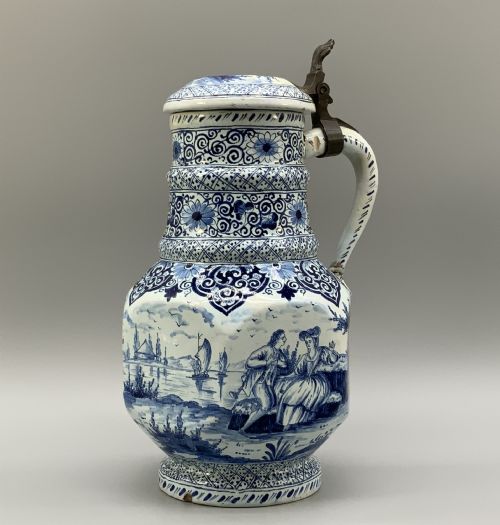
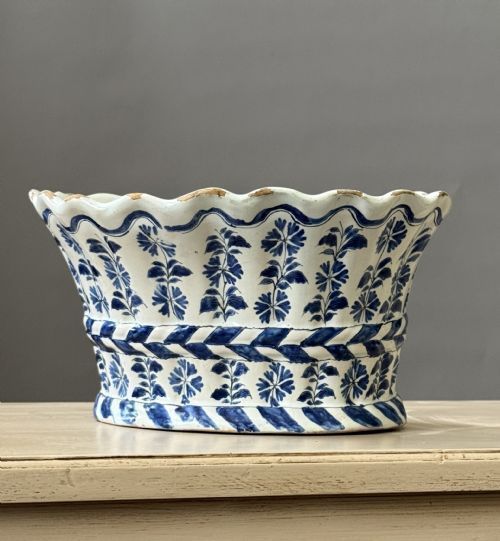
The material surface carries distinct regional painting styles, from Dutch blue and white florals to Italian polychrome pharmacy labels and manganese coffee vessels. These objects range from modest storage jars to large garden planters and lidded jugs fitted with pewter hardware.
Materials and Technique
Potters built these vessels in earthenware, applying a tin glaze that creates the characteristic opaque white background necessary for subsequent pigment work. Artisans then painted directly onto the unfired glaze using cobalt pigment and other mineral colours, absorbing the oxides into the coating during firing.
Certain pieces incorporate supplementary elements such as brass or pewter mounts, particularly on lidded jugs and pitchers. The resulting ceramic body combines porous earthenware with a glossy, glass-like outer layer.
Some pharmaceutical jars preserve cryptic historical abbreviations for ingredients like 'Syr Alth', reminding us of old apothecary recipes.
Execution and Detail
Quality rests in the crispness of the hand-painted pigment and the control of the glaze surface across the earthenware body. Finer examples display confident brushwork in cobalt or polychrome, with well-proportioned forms and minimal distortion from the kiln.
The complexity of the vessel type, such as lidded posset pots or inscribed apothecary jars with specific drug labels, distinguishes standard utility wares from more ambitious workshop productions.
The Antique Tin Glazed Pot Glossary
- Tin glaze
- An opaque white ceramic coating containing tin oxide applied to earthenware before painting. This technique provides a smooth canvas for cobalt and polychrome pigments.
- Albarello
- A cylindrical pharmacy jar designed for storing dry drugs, ointments, or syrups. Originating in the Middle East, this form became standard across Italian and European potteries.
- Posset pot
- A multi-handled vessel used for serving posset, a traditional hot drink made of curdled milk and wine or ale. These pieces frequently feature lids and spouts.
- Faience
- European tin-glazed earthenware, particularly associated with French, Italian, and Dutch production centres. The term encompasses a broad range of decorative and pharmaceutical forms.
- Majolica
- Italian tin-glazed earthenware decorated with colourful metal oxide pigments on a white background. Pieces often display narrative scenes or floral motifs.
Antique Tin Glazed Pot: Frequently Asked Questions
What is an apothecary jar?
An apothecary jar is a ceramic vessel used by pharmacists and physicians to store dry drugs, herbs, and medicinal compounds.
These containers often feature abbreviated Latin inscriptions denoting their contents so practitioners could identify medicines quickly on the shelf.
How do I clean tin glazed pottery?
Tin glazed earthenware requires gentle cleaning with a soft cloth and warm water without harsh detergents.
Because the historic ceramic body and glaze can be porous or develop hairline cracks over centuries, prolonged soaking must be avoided.
Are these pots waterproof?
Most antique tin glazed pots are made from porous earthenware that can absorb moisture through unglazed areas or historic fissures.
Using them as dry storage or placing a protective liner inside prevents water from damaging the historic ceramic body.
How do I date a piece?
Dating relies on stylistic shifts in painting, form changes, and regional palette variations observed across the seventeenth, eighteenth, and nineteenth centuries.
Comparing brushwork, tin glaze opacity, and container shapes against documented examples helps narrow the period of manufacture.