
Antique Timber Wall Panel
When you search for an antique timber wall panel, you are looking at centuries of architectural salvage and carved wood relief.
Antique Timber Wall Panel
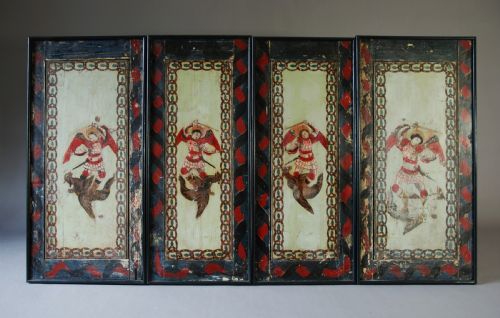
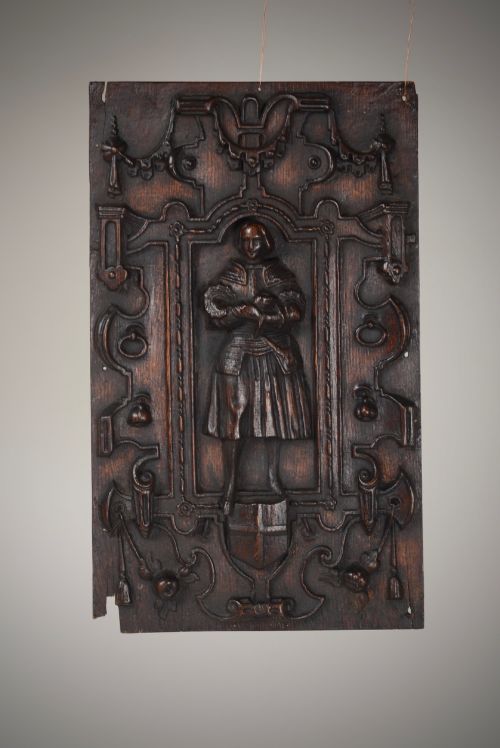
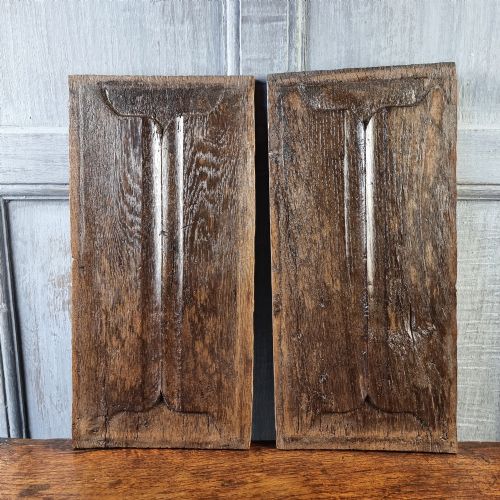
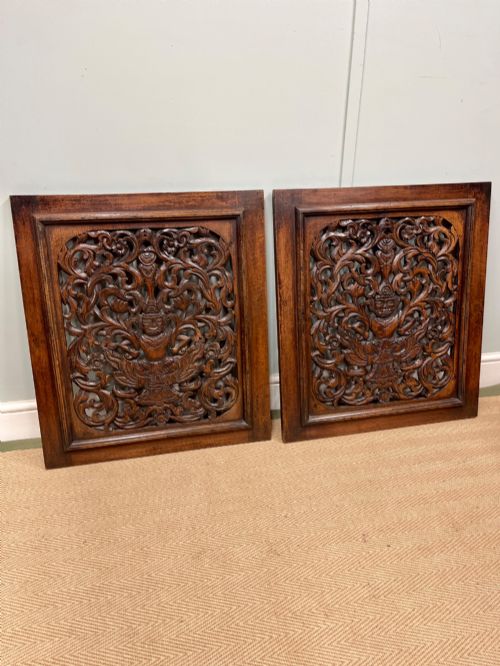
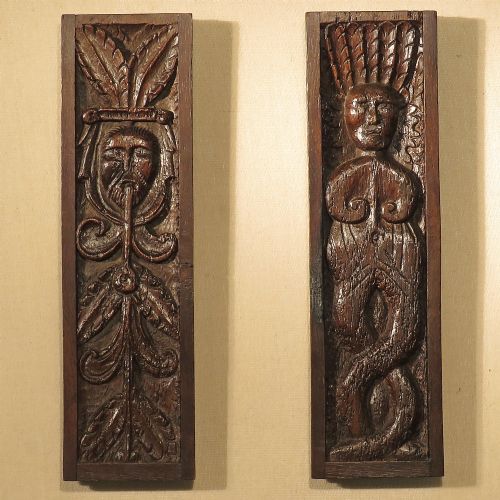
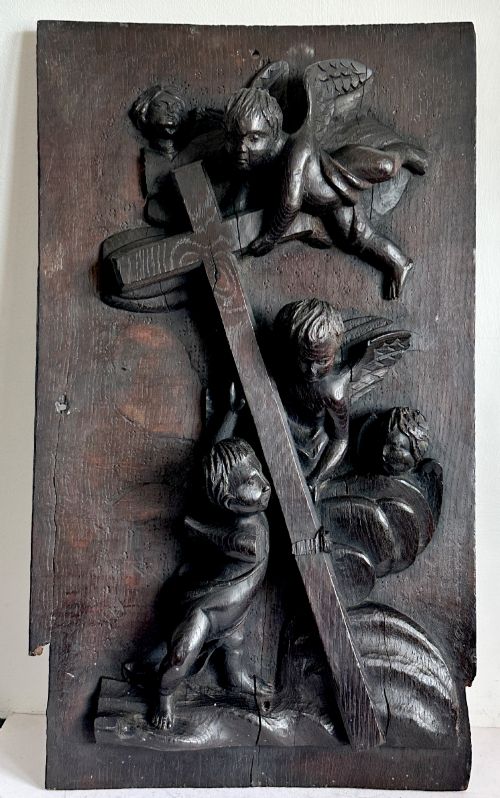
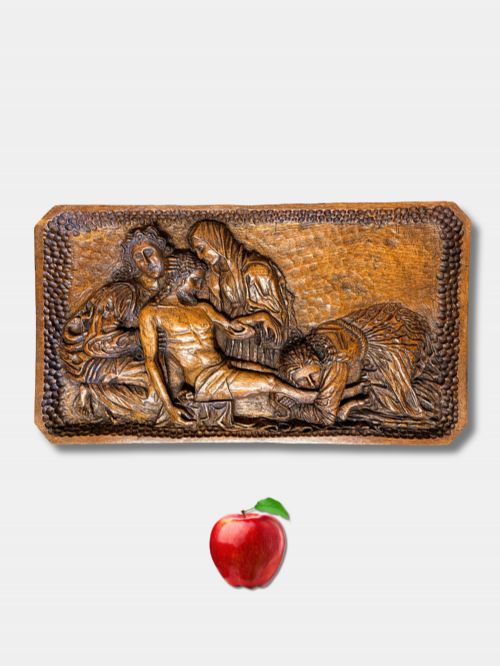
An antique timber wall panel is a piece of architectural salvage or wood carving designed to be mounted on a wall. These objects range from sixteenth-century English linenfold oak panels to eighteenth-century painted pine pieces and nineteenth-century Chinese plaques.
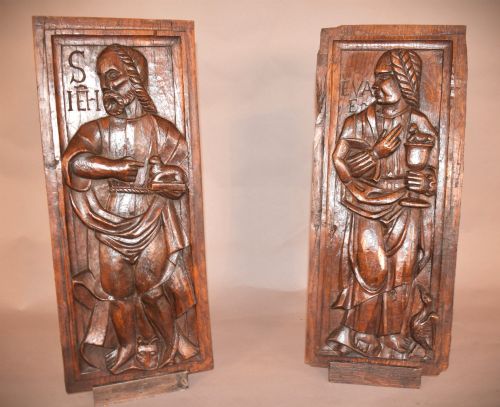
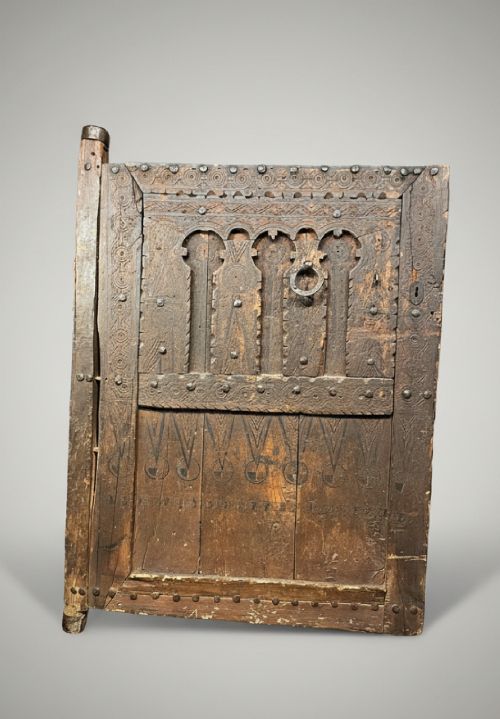
The versions most commonly met on this page include seventeenth-century carved oak panels, various European and Asian architectural fragments, and decorative overmantles. They originate from domestic interiors, churches, and public buildings across Britain, continental Europe, India, and China.
Buyers choose an antique timber wall panel to introduce texture, history, and sculptural weight to an interior wall. They function as standalone artworks, overdoor panels, or integrated elements within period room schemes.
How they were made
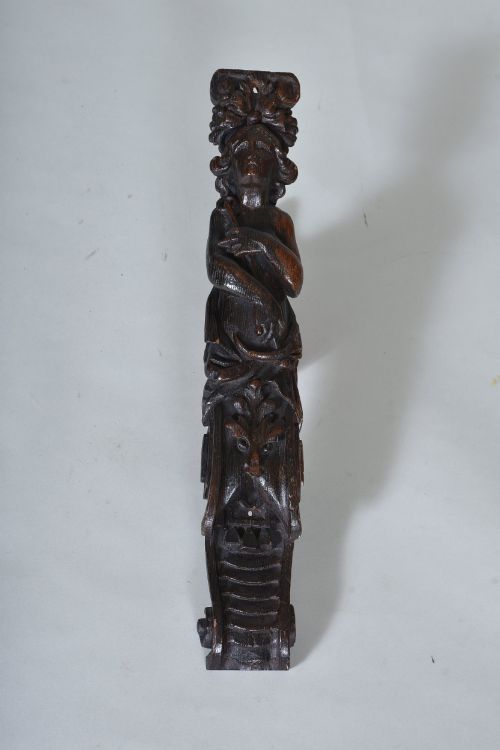
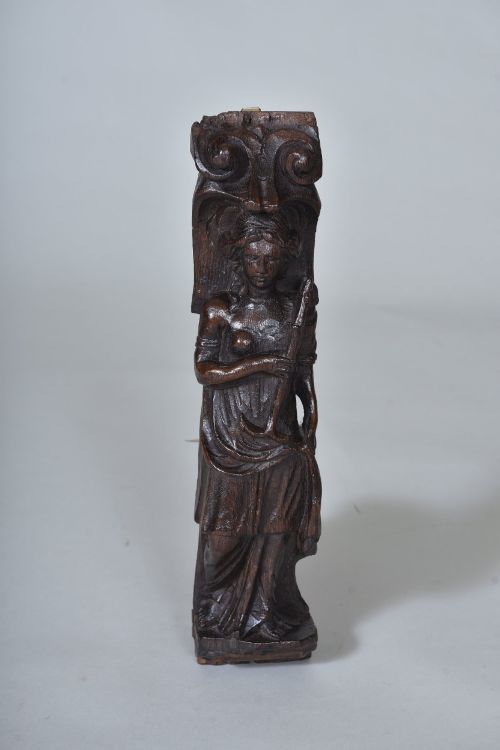
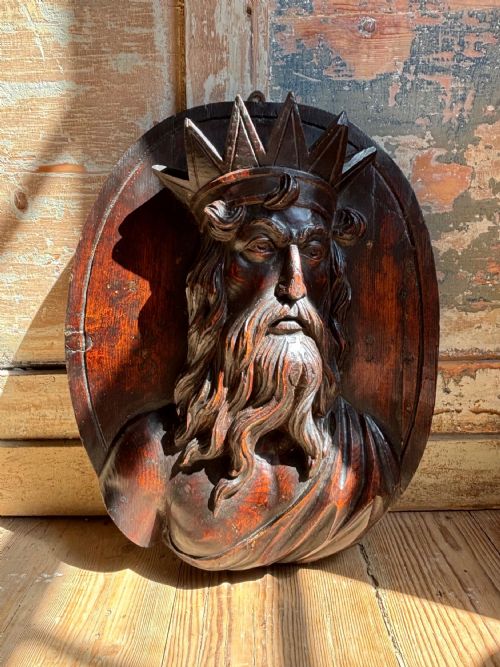
Makers shaped these panels using traditional hand woodworking techniques, relying on seasoned hardwoods such as oak, walnut, elm, chestnut, and fruitwood. Workers employed gouges, chisels, and hand saws to carve low and high reliefs directly into the timber.
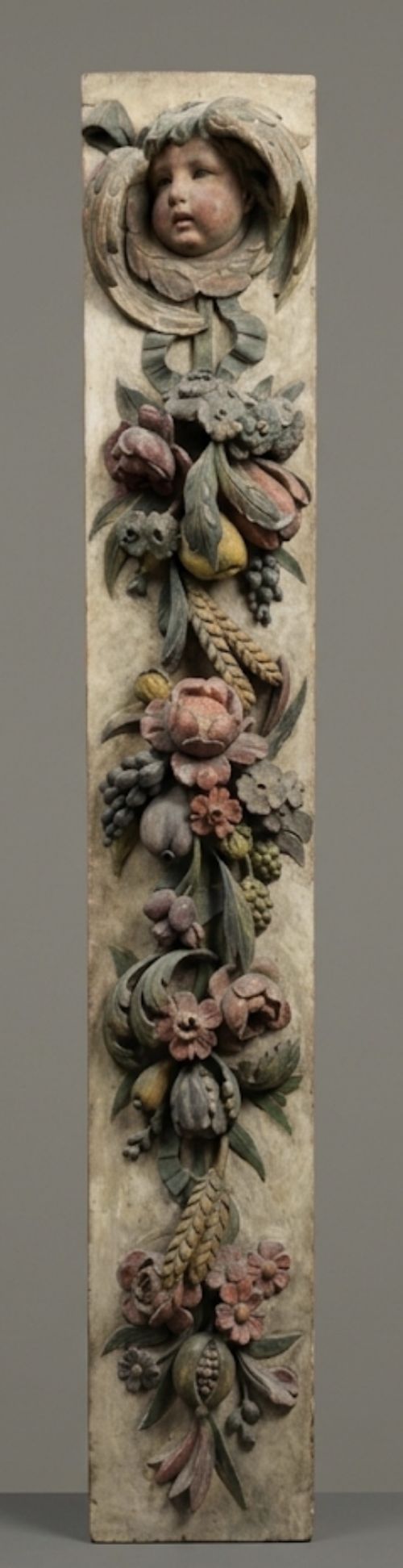
Surface treatments varied according to period and region, incorporating natural wood finishes, polychrome paint, gesso, and gold leaf. Many pieces utilise traditional joinery methods such as mortise and tenon frames to house the carved centre boards.
Listings feature oak, walnut, elm, chestnut, fruitwood, and teak panels spanning from the sixteenth century through the early twentieth century.
What varies in quality
The depth, precision, and spirit of the hand carving separate simpler architectural fragments from masterworks. Crisp undercut details in limewood or oak demonstrate a higher degree of sculptural competence than shallow, mechanical incisions.
The integrity of the timber and the preservation of original surface finishes significantly influence the character of a piece. Surviving polychrome paint, original parcel gilt, or untouched historic patina elevate an object's visual impact.
Edward Pearce·Grinling Gibbons·Thomas Chippendale
The Antique Timber Wall Panel Glossary
- Linenfold
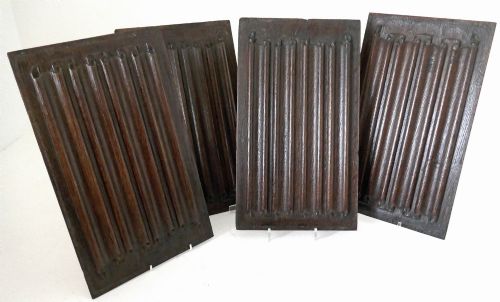
- A style of wood carving that imitates folded linen, commonly seen on sixteenth-century oak panels. This geometric motif creates a series of vertical overlapping folds.
- Overmantle
- A decorative panel or mirror placed above a fireplace mantelpiece. These architectural elements often feature extensive relief carving or framing.
- Polychrome
- Painted in several colours, often applied to wood or gesso surfaces. This decorative technique appears on various historical religious and domestic panels.
- Architectural salvage
- Building components rescued from structures slated for demolition or renovation. Items range from doors and pediments to wall panels and ceiling roses.
- Marquetry
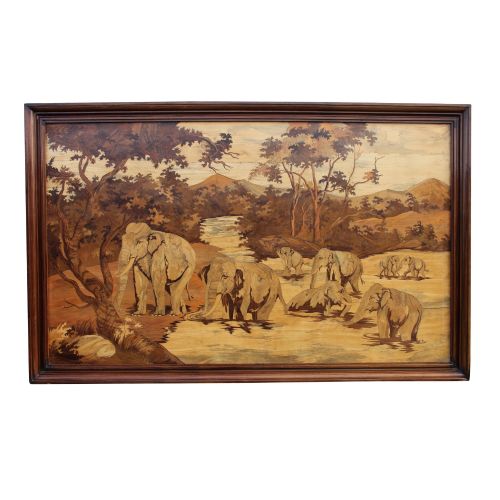
- Inlaid wood work forming decorative patterns or pictorial scenes. Craftsmen veneer different coloured timbers onto a structural base.
Antique Timber Wall Panel: Frequently Asked Questions
How were antique timber wall panels originally used?
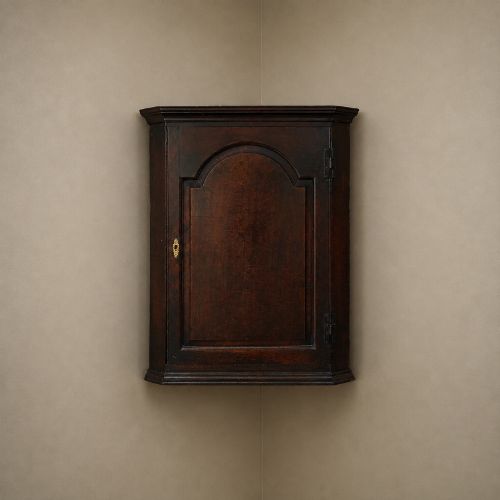
These panels were integrated into the interior architecture of substantial homes, churches, and public buildings. They lined walls for insulation, formed cupboard doors, or decorated overmantles above fireplaces.
Over time, many buildings were dismantled, leaving these carved sections to survive as independent decorative objects or architectural salvage.
How do I hang a heavy wooden panel safely?
Mounting heavy timber requires locating structural wall studs or using heavy-duty wall anchors rated for the weight of the piece. Many panels feature integrated framing or battens on the reverse to facilitate secure hanging.
Consulting a professional installer ensures the weight is distributed properly without damaging the historic wood.
How can I tell a sixteenth-century panel from a nineteenth-century revival piece?
Sixteenth-century panels typically display the tool marks, timber shrinkage, and wear patterns consistent with early hand-cleaved oak and primitive joinery. Revival pieces from the nineteenth century often show more uniform machine-sawn backing and different ageing characteristics.
Examining the grain, fastener types, and construction methods helps clarify the age of the woodwork.
How should I care for antique timber panels at home?
Maintain a stable indoor environment away from direct heat sources and dramatic humidity fluctuations to prevent the wood from cracking. Dust the carved surfaces gently with a dry, soft brush.
Avoid applying modern furniture polishes or oils, as these can accumulate in the crevices and alter the historic surface finish.