





Antique Timber Vanity Table
An antique timber vanity table brings genuine craft to the bedroom, offering rich timber grains and traditional mirrors designed for daily grooming.
Antique Timber Vanity Table
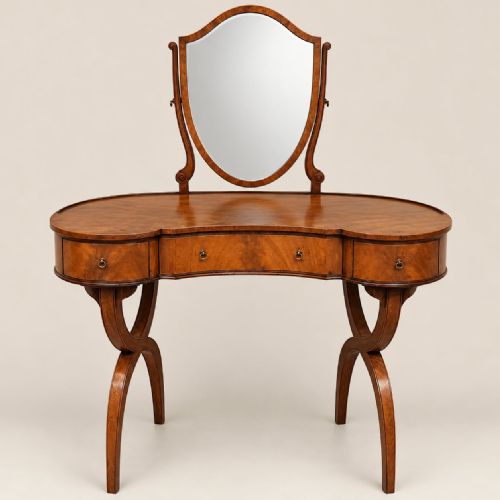
An antique timber vanity table encompasses a range of dressing pieces, dressing chests, and washstands designed for personal grooming across past centuries. When searching for an antique timber vanity table, buyers encounter forms spanning the 18th century, Regency period, Victorian era, and Edwardian decades.
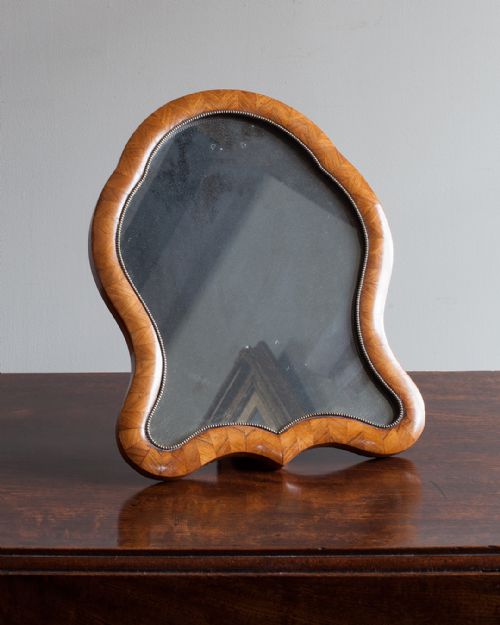
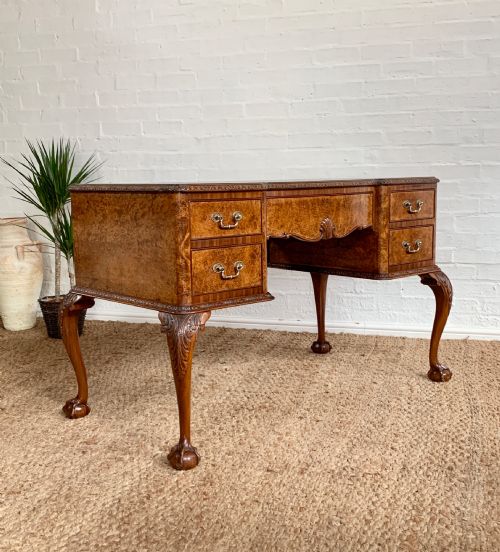
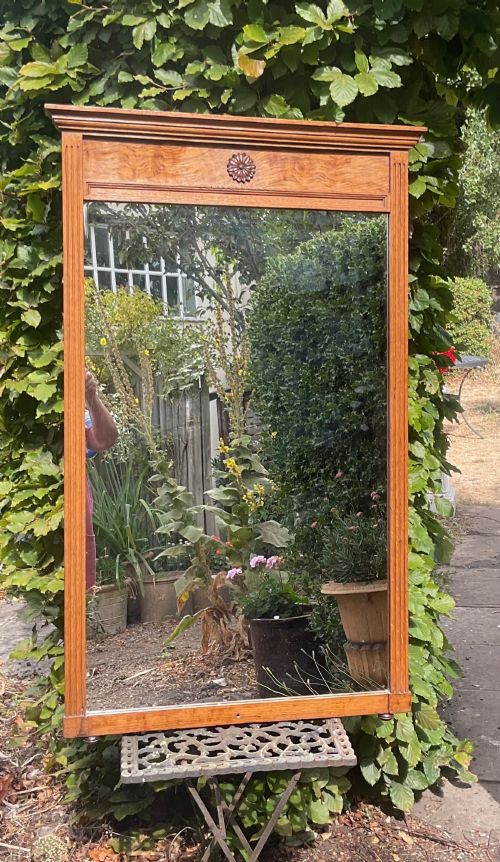
The pieces listed here appear in regional and continental styles, including Queen Anne, French Rococo Revival, Georgian Revival, and Sheraton influences. Alongside main tables, related forms such as dressing mirrors, washstands, low boys, and desks populate the selection.
Materials and construction methods
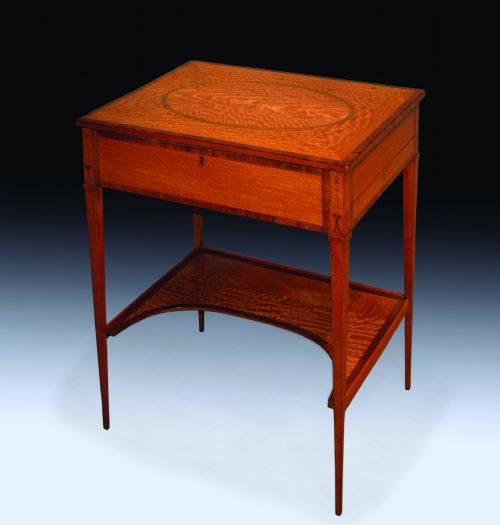
Cabinet makers utilised dense hardwoods such as mahogany, walnut, oak, kingwood, and satinwood, often pairing them with secondary pine or ash carcases. Surface decoration relied on figured veneers, marquetry inlays, and painted finishes rather than applied synthetic ornaments.
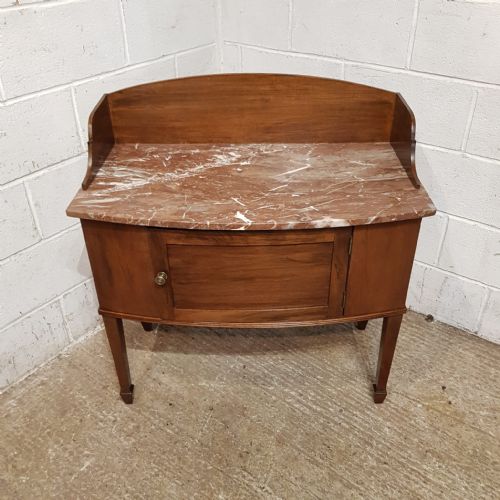
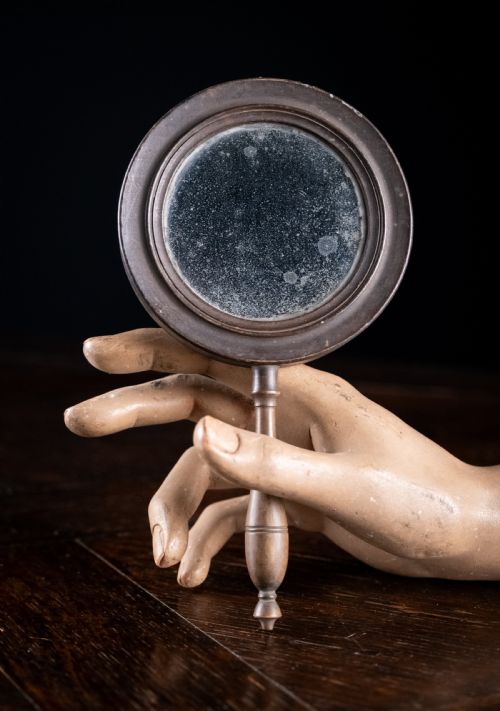
Fittings incorporated functional brass hardware, integrated glass mirrors, marble top slabs on wash stands, and occasional tooled leather writing surfaces. Joinery methods relied on traditional hand-cut joints appropriate to the period of manufacture.
Antique Timber Vanity Table Retail Price Guide 2026
Typical asking prices for timber vanity table among the pieces listed under this phrase on Sellingantiques today, from the lower quarter to the upper quarter. They describe what is for sale here now, not the wider market.
Listings feature pieces spanning the 18th century, Regency, Victorian, and Edwardian periods, constructed in mahogany, walnut, oak, and kingwood.
Assessing quality and execution
Superior examples demonstrate meticulous selection of timber veneers, where grain patterns match symmetrically across drawer fronts and top surfaces. Finer pieces retain original brass handles, clear mirror glass, and crisp carving or marquetry details.
Lower tiers often show replacement hardware, heavily restored surfaces, or mismatched components assembled from disparate periods. The integrity of the underlying timber frame and the precision of the drawer construction mark the division between standard utility items and superior cabinet work.
The Antique Timber Vanity Table Glossary
- Low Boy
- A small low table with drawers, commonly used as a dressing table or side table in the 18th century. It typically stands on four slender legs.
- Kingwood
- A dense, heavy Brazilian timber featuring rich dark brown and violet-brown contrasting streaks, frequently used for high-end veneers.
- Marquetry
- The art of applying pieces of veneer to a structure to form decorative patterns and pictures. Craftsmen used various tinted woods to achieve pictorial depth.
- Washstand
- A piece of furniture designed to hold a basin and pitcher for washing, often fitted with marble tops to resist water damage.
- Satinwood
- A durable, lustrous yellowish timber native to India and Sri Lanka, prized for its golden sheen in late 18th and 19th-century cabinet work.
Antique Timber Vanity Table: Frequently Asked Questions
What is an antique timber vanity table?
An antique timber vanity table is a traditional piece of furniture built for personal grooming, incorporating storage drawers and frequently a mounted mirror. These pieces date from earlier centuries and are constructed from solid hardwoods and decorative veneers.
Such tables reflect the prevailing design styles of their era, ranging from simple country pieces to elaborate revival forms. They serve both as functional dressing stations and decorative focal points in a bedroom.
How do I identify the period?
Dating an antique timber vanity table involves examining the wood species, construction joinery, hardware styles, and overall decorative motifs. Pieces from the 18th century often display hand-cut dovetails and restrained classical veneers, while Victorian examples lean toward heavier proportions.
Later Edwardian and 1930s versions frequently exhibit lighter satin woods, arts and crafts simplicity, or revival styling. Comparing these physical characteristics against documented period designs provides the most reliable date.
Are washstands the same as dressing tables?
Washstands and dressing tables served different domestic functions originally, though both appear within this category. Washstands were built with water-resistant marble tops to hold basins, whereas dressing tables focused on mirrors and cosmetic storage.
Today, buyers frequently adapt washstands for alternative uses such as bathroom vanities or hallway consoles. Dressing tables maintain their traditional role for bedroom grooming and accessory storage.
How should I care for timber surfaces?
Maintaining antique timber requires keeping pieces away from direct heat sources and fluctuating humidity levels to prevent wood splitting. Regular dusting with a soft, dry cloth preserves the finish without abrasive chemical buildup.
Applying traditional beeswax occasionally nourishes the wood and maintains a natural lustre. Avoid placing unsealed liquids directly on antique wood or marble surfaces.