

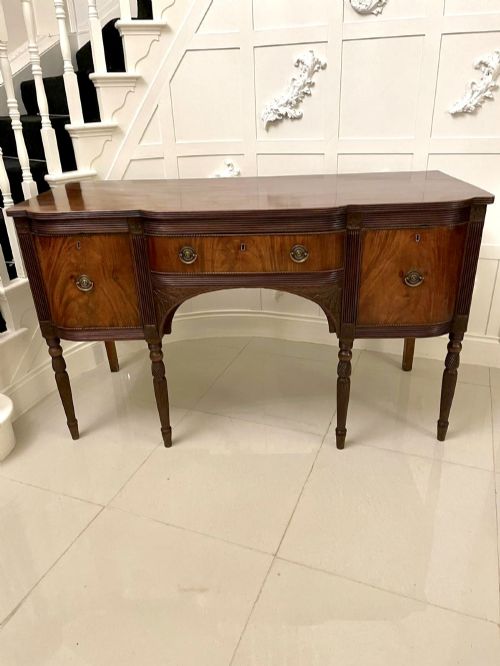
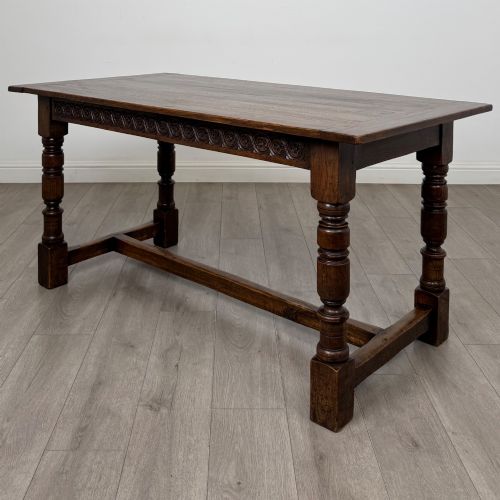
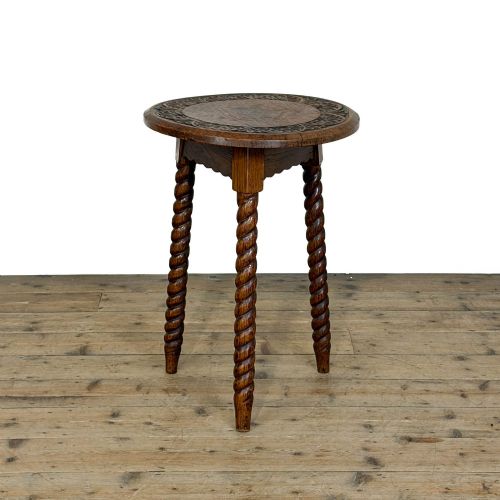
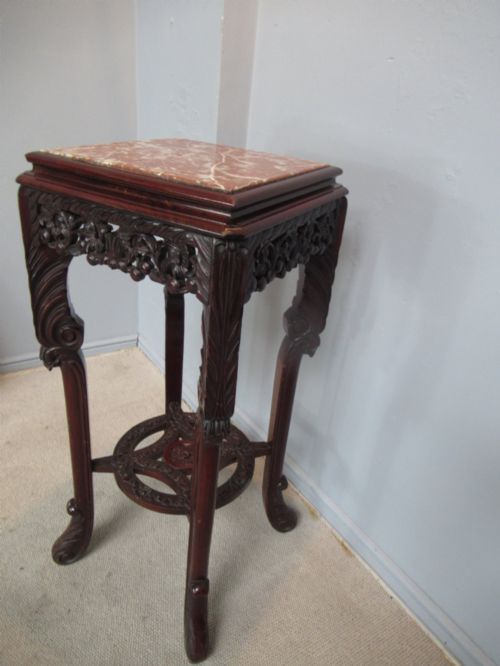
Antique Timber Table
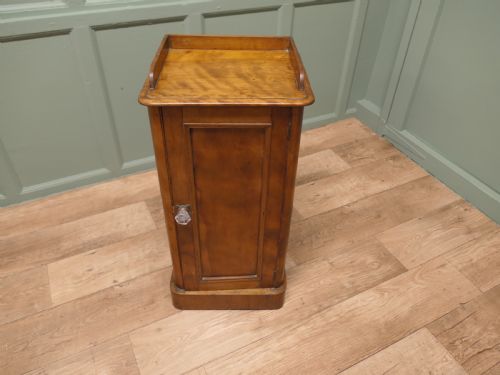
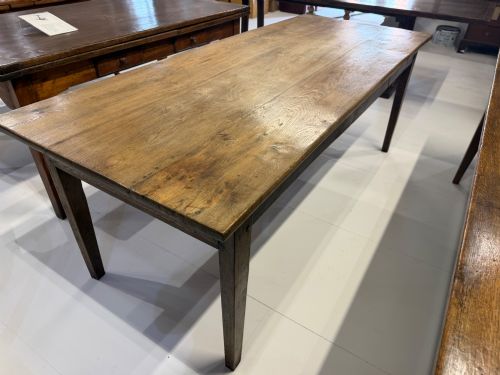
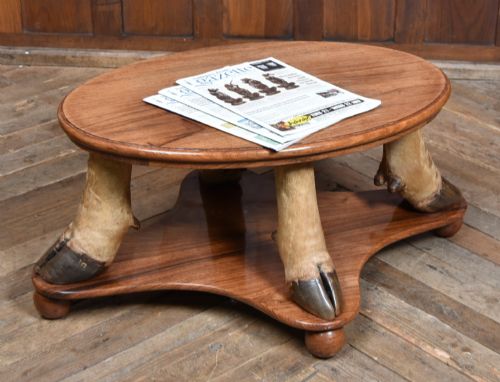
An antique timber table anchors a room with grain and presence, offering centuries of domestic history in oak, mahogany, pine and fruitwood.
Antique Timber Table
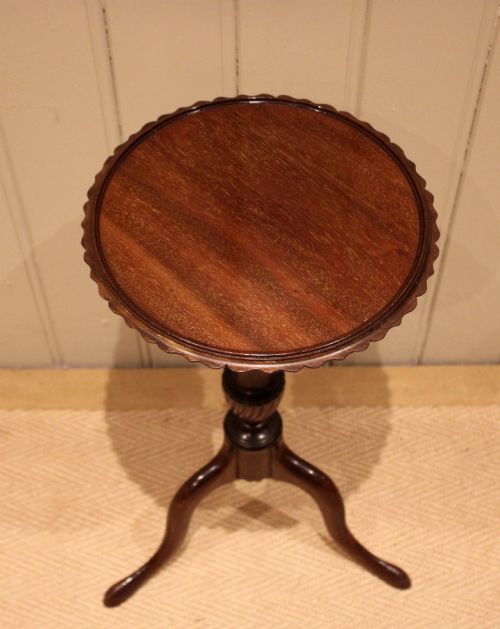
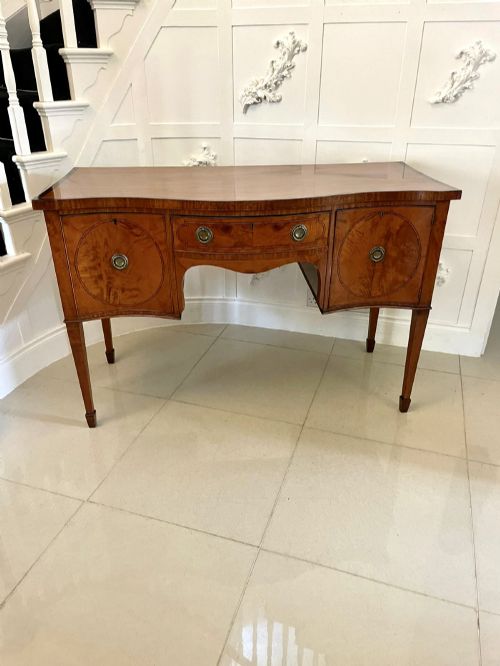
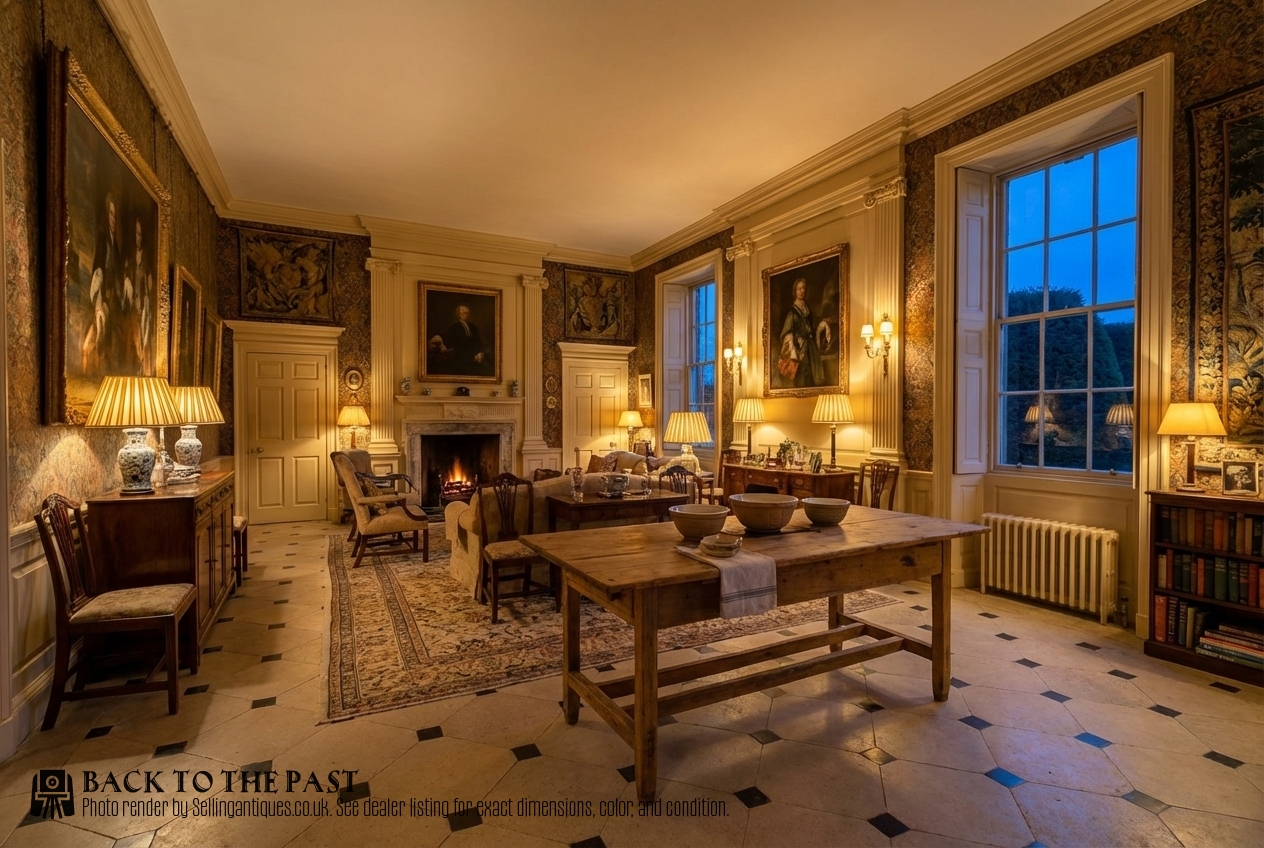
An antique timber table encompasses a broad sweep of domestic furniture designed for dining, writing, serving and display across multiple centuries. Buyers searching for an antique timber table will encounter diverse formats ranging from large French farmhouse boards to compact Edwardian wine tables and George III console tables. The selection draws together pieces from the Georgian, Victorian, Edwardian and earlier periods, reflecting the shifting needs of households from the eighteenth century into the twentieth.
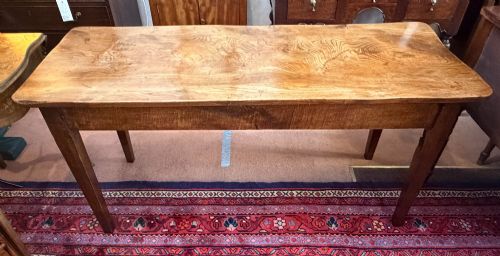
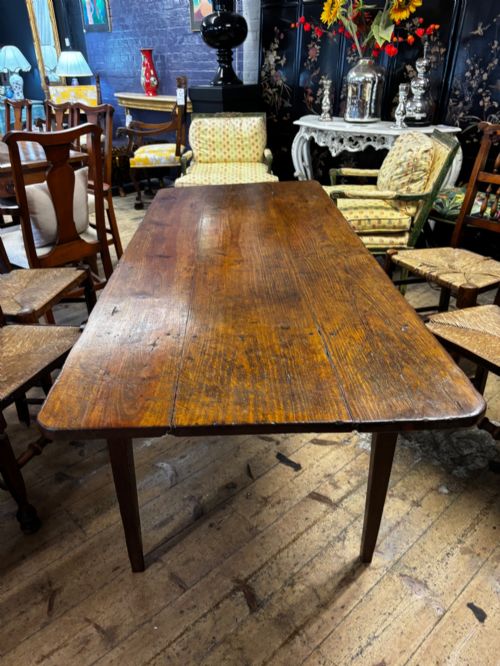
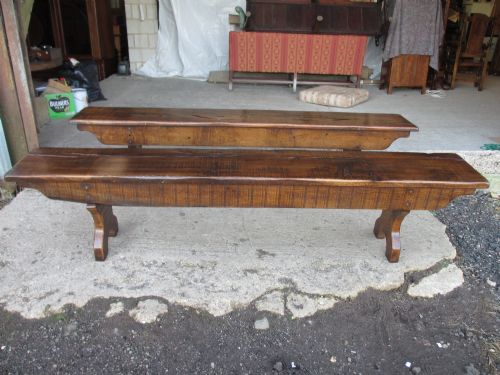
The most frequent manifestations on this page are dining tables, side tables and desks constructed from native and imported woods. Farmhouse tables in oak, pine, elm and fruitwood appear alongside refined mahogany and walnut pieces suited to formal reception rooms. Regional vernacular pieces sit beside sophisticated cabinet-making, demonstrating the wide spectrum of domestic woodwork preserved from past eras.
Materials and construction
Cabinet-makers and carpenters utilised hardwoods like mahogany, oak, walnut, ash, kingwood and fruitwood alongside softer conifers such as pine and Oregon pine. Timber selection depended on regional availability and the intended function of the piece, with durable oaks and elms chosen for heavy-use farmhouse tables and figured mahogany or satinwood reserved for formal dining and side tables.
Joinery methods varied from traditional pegged mortise and tenon joints in robust refectory and farmhouse tables to delicate dovetailing in drawers and fine turning on pedestals and legs. Surfaces were finished with wax, polish or paint, occasionally incorporating brass hardware, marble tops, mother of pearl inlay or exotic veneers.
Listings on this site span the eighteenth, nineteenth and early twentieth centuries, featuring native oaks and elms alongside imported mahogany and exotic timbers.
Measures of quality
Quality rests upon the selection of timber, the integrity of the construction and the fidelity of the period detailing. Superior examples exhibit well-figured grain, such as burr elm or figured mahogany, paired with sound structural joinery that has survived decades or centuries of daily use without excessive intervention.
Proportion and execution distinguish standard vernacular work from master craftsmanship. Refined mouldings, balanced proportions and original hardware elevate a piece, whereas crude alterations, unsympathetic repairs or replacement timbers diminish the integrity of the furniture.
Trollope & sons
The Antique Timber Table Glossary
- Demilune
- A half-moon shape characteristic of console and side tables designed to sit flush against a wall. These tables often appear in pairs during the Georgian period.
- Refectory table
- A long, narrow dining table originally used in monastic dining halls and later adapted for domestic farmhouse use. They typically feature sturdy legs connected by stretchers.
- Tilt-top table
- A small occasional or wine table with a hinged top that pivots vertically to save space when not in use. They frequently feature pedestal bases with tripod legs.
- Lowboy
- A small side table or dressing table with drawers, typically standing on four tall legs. George II examples in burr elm are particularly sought after by collectors.
- Figure
- The natural pattern and figuring visible in wood grain, such as flame mahogany or burr walnut. Highly figured timber adds decorative value to formal furniture.
Antique Timber Table: Frequently Asked Questions
How do I date an antique timber table?
Dating relies on examining construction techniques, timber species, tool marks and overall style descriptors like Georgian, Victorian or Edwardian. Machine-sawn timber and modern screws usually point to later production.
Secondary woods inside drawers and the ageing of the finish provide further clues to verify whether a piece originates from the eighteenth, nineteenth or early twentieth century.
Are farmhouse tables suitable for daily dining?
Pine, oak, elm and fruitwood farmhouse tables are built for robust domestic use and accommodate daily family life easily. Their sturdy construction handles regular wear well.
Most historic tables benefit from sensible precautions like coasters and mats to protect waxed or polished timber surfaces from heat and moisture.
What is the difference between a console and side table?
Console tables were traditionally designed to be fixed against a wall, sometimes supported by legs or brackets at the front only. Side tables are free-standing units with four legs meant to stand against a perimeter wall.
Both forms appear frequently in Georgian and Victorian interiors as serving surfaces or decorative display tables.
How should I care for antique wood furniture?
Maintaining timber furniture involves keeping pieces away from direct heat sources and drastic humidity fluctuations that can cause wood to split. Regular dusting with a dry cloth prevents grime accumulation.
Occasional application of appropriate natural wax preserves the lustre of the wood without sealing it in modern synthetic varnishes.