
Antique Timber Bird Carving
An antique timber bird carving brings rustic warmth and character to a room, ranging from working decoys to ornate Black Forest sculptures.
Antique Timber Bird Carving
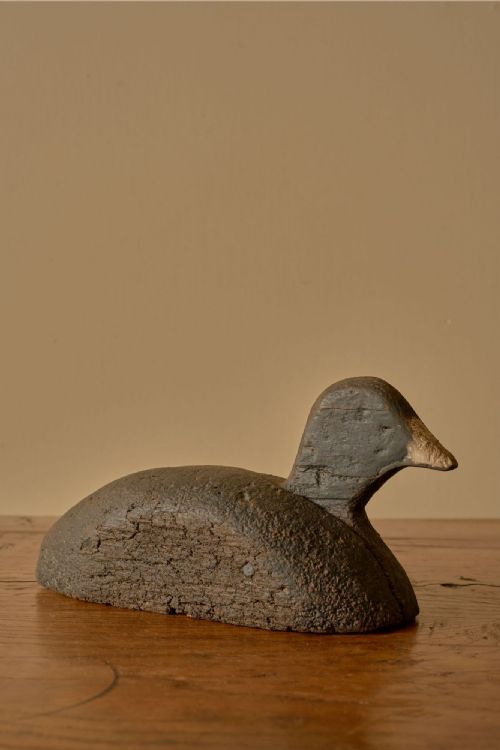
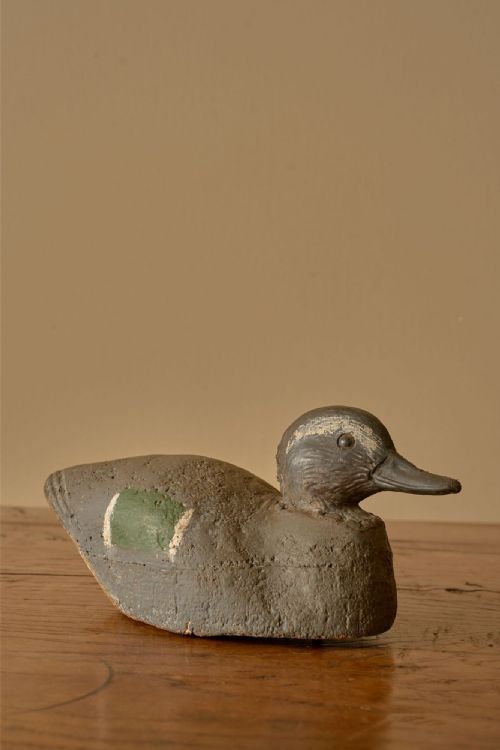
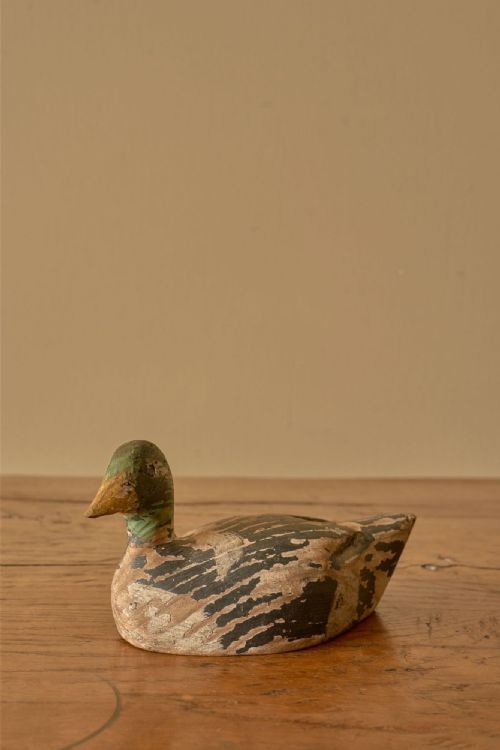
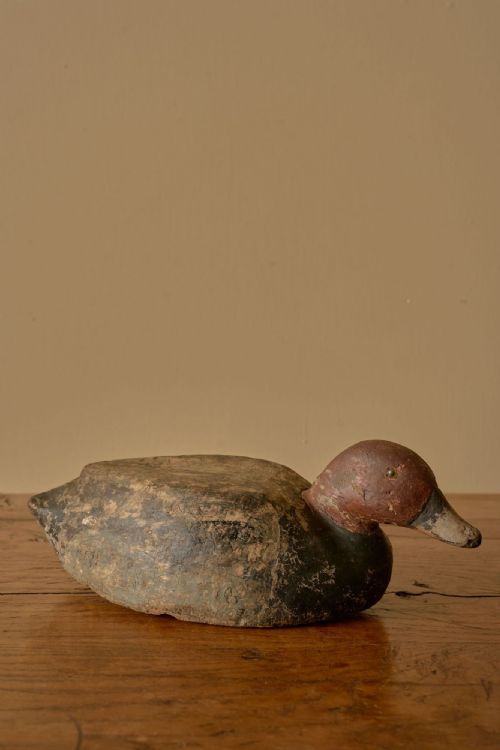
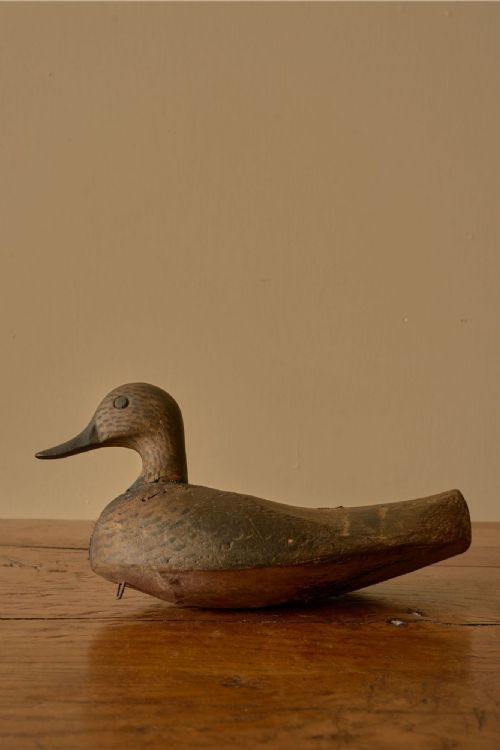
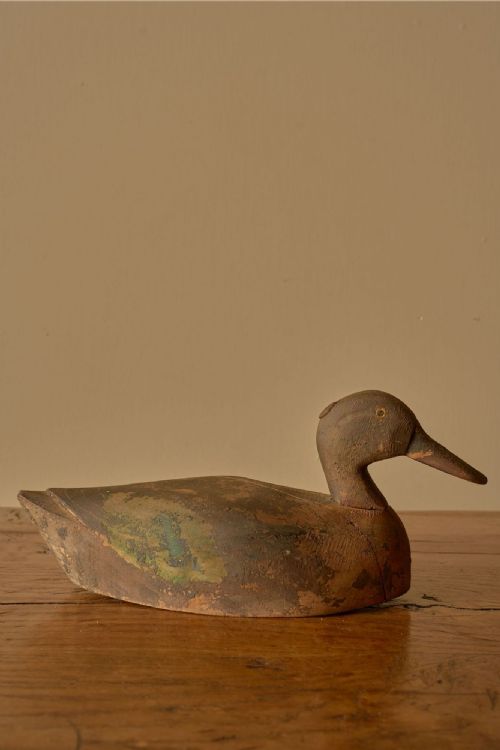
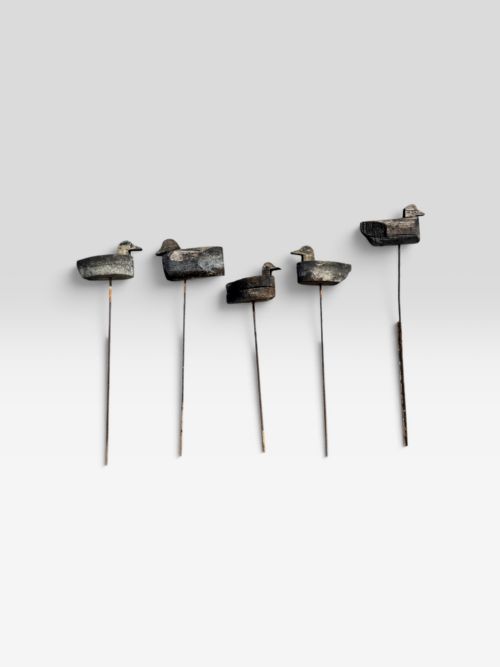
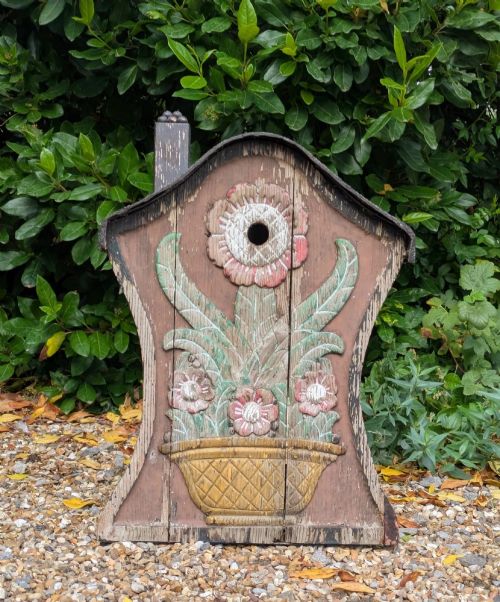
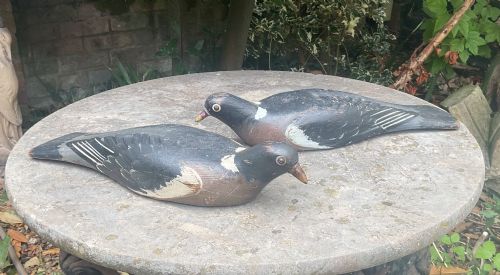
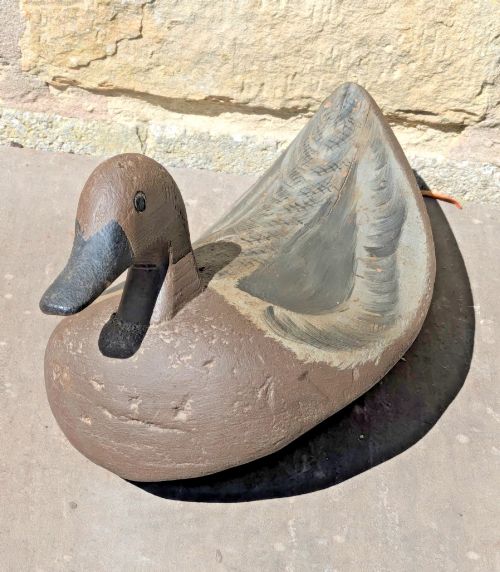
When you search for an antique timber bird carving, you encounter a diverse selection of pieces spanning the nineteenth and early twentieth centuries. These objects range from practical working decoy ducks and geese to decorative items like wall mirrors and caskets adorned with avian motifs.
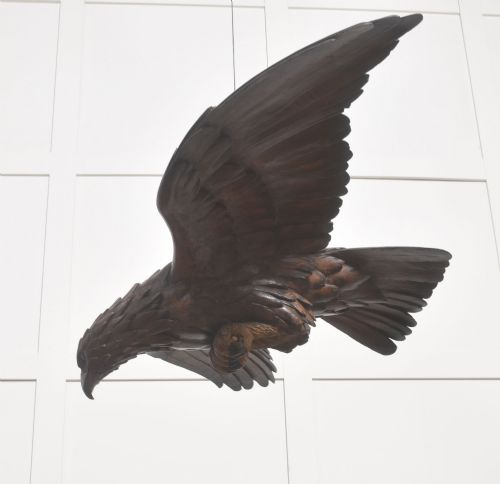
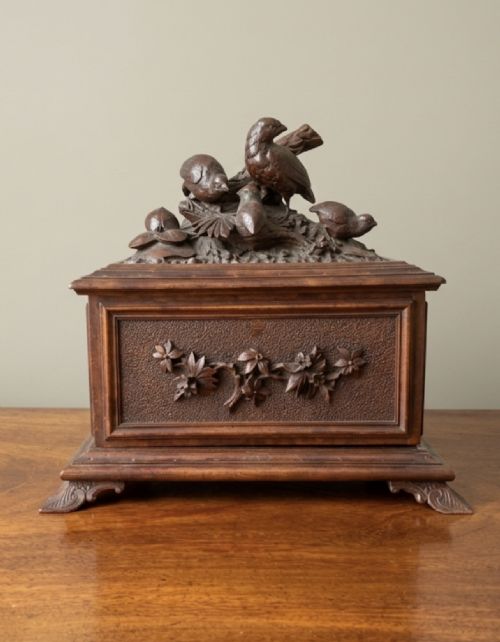
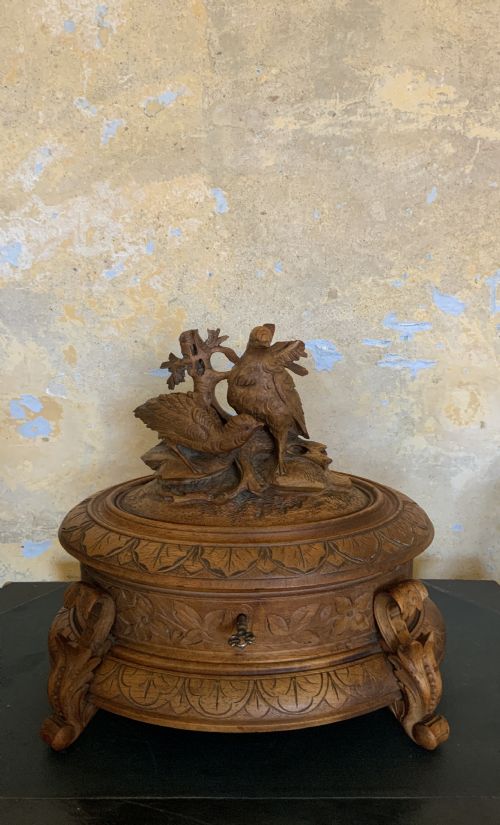
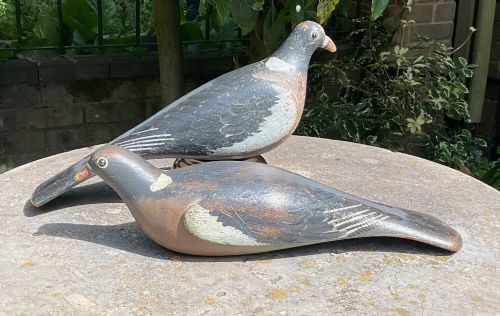
The most common forms on this page include decoy ducks, pigeons, and loons originating from English, French, and American traditions. Alongside these practical water birds, Black Forest carvings and folk art pieces demonstrate the broad scope of historic timber sculpture.
Materials and construction methods
Carvers shaped these figures primarily from solid timber and local woods such as walnut, pine, and various softwoods. Artisans used hand tools to fashion the bodies before applying layers of paint to simulate plumage and natural coloration.
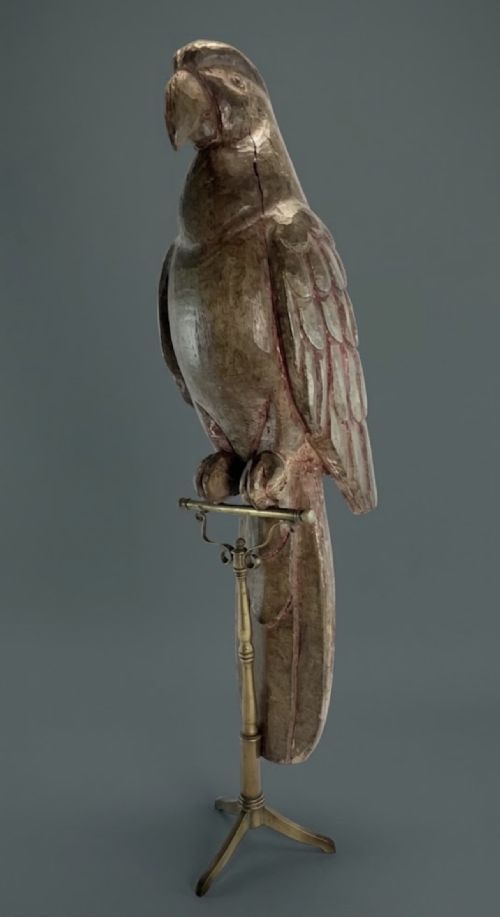
Many items incorporate mixed materials, pairing carved wooden birds with glass eyes, brass stands, or fitted hardware for boxes and mirrors. Black Forest and folk art examples rely on detailed chisel work to define feathers and textured surfaces without relying on mass production.
Current listings span from eighteen-eighty to nineteen-thirty, uniting English folk art decoys with continental Black Forest woodcarvings.
Assessing quality in carved birds
The distinction between ordinary and exceptional pieces rests upon the confidence of the carver's hand and the preservation of original surfaces. Superior examples display anatomical accuracy combined with expressive posture, whereas lesser items can appear stiff or disproportionate.
The Antique Timber Bird Carving Glossary
- Decoy
- A carved or moulded figure used by hunters to attract wildfowl, typically fashioned from wood and painted to resemble a duck, goose, or pigeon. Many surviving examples transitioned into decorative household objects.
- Black Forest carving
- A style of ornate wooden sculpture produced in the Brienz region of Switzerland during the nineteenth century, known for realistic depictions of animals, foliage, and forest motifs.
- Folk art
- Utilitarian or decorative items created by self-taught or traditional craftsmen, often employing local timber and straightforward techniques rather than academic design rules.
- Treen
- Small handmade wooden household objects and bric-a-brac, ranging from snuff boxes to small containers, valued for their tactile qualities and historic utility.
Antique Timber Bird Carving: Frequently Asked Questions
What is a timber bird carving?
A timber bird carving is a sculptural object fashioned from wood to represent a bird, encompassing practical waterfowl decoys and purely decorative sculptures.
These pieces reflect the craftsmanship of various folk traditions and regional workshops from the nineteenth and early twentieth centuries.
How were antique decoys used?
Hunters floated or placed decoy ducks and geese on the water or shore to lure wildfowl within range.
Over time, many working decoys lost their original function and became appreciated purely as decorative folk art.
How do I date a wooden bird?
Dating relies on examining tool marks, timber species, wear patterns, and the chemical composition of early paint layers.
Stylistic cues such as the specific form of the bill or the mounting style on stands also help place a piece within the nineteenth or early twentieth century.
Where were Black Forest carvings made?
Black Forest carvings originated primarily in the mountainous regions of Switzerland and Germany during the nineteenth century.
Local woodcarvers produced elaborate items including mirrors, clocks, and animal sculptures for the growing tourist and export markets.