


Antique Timber Armoire
An antique timber armoire brings substantial storage and distinct period character to a room, ranging from robust oak to refined mahogany.
Antique Timber Armoire
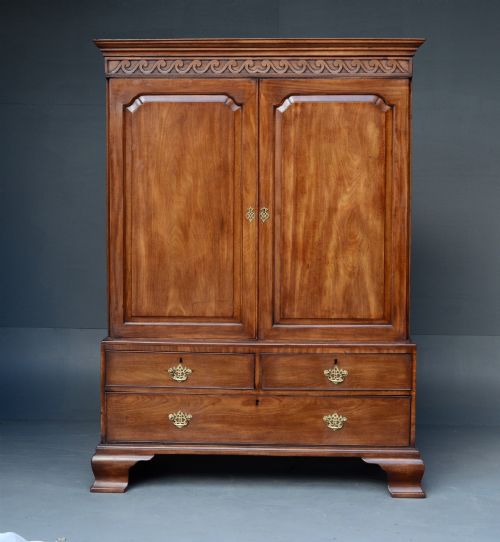
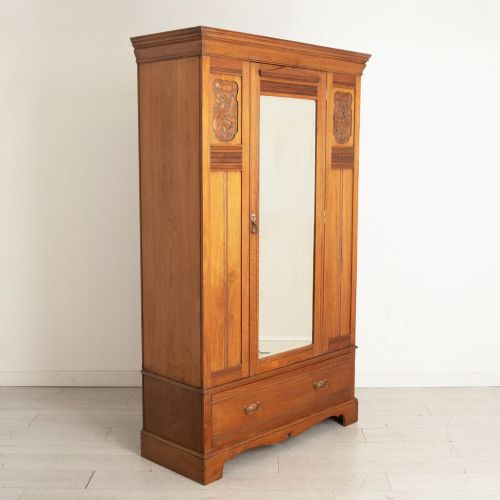
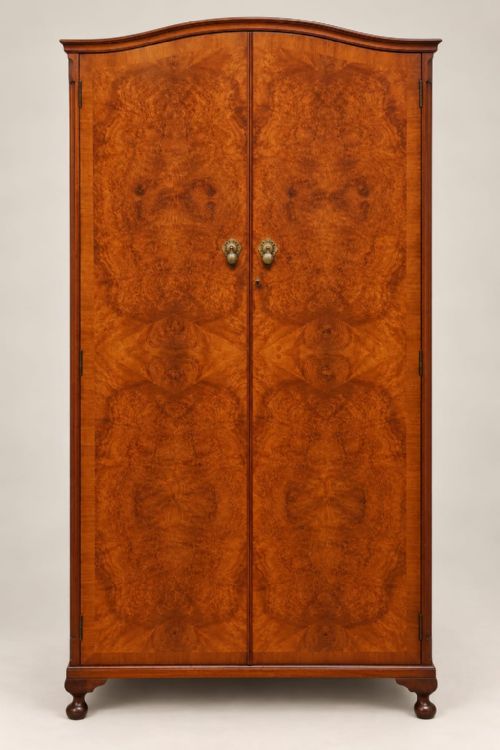
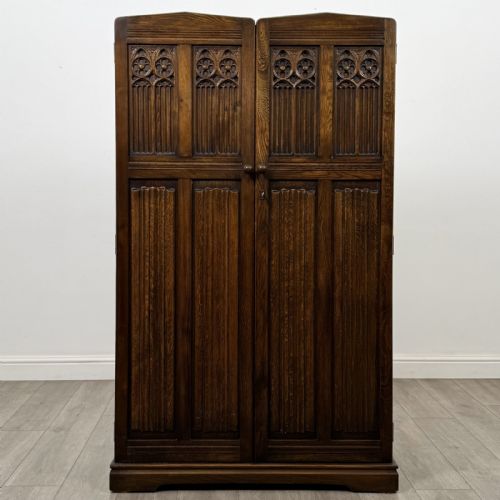
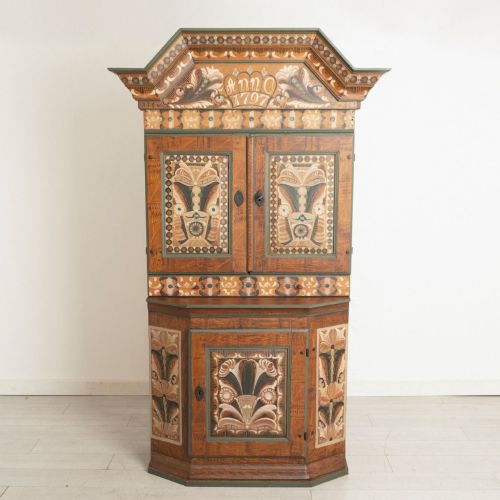
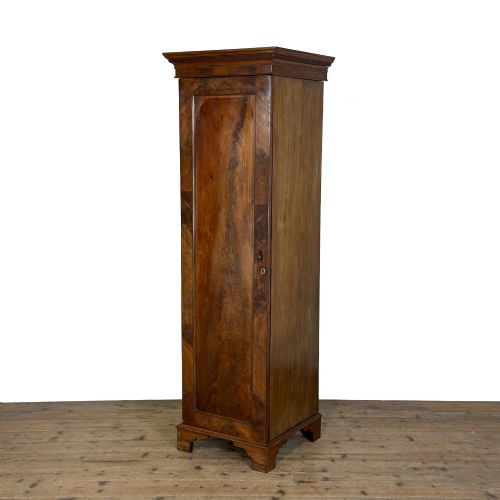
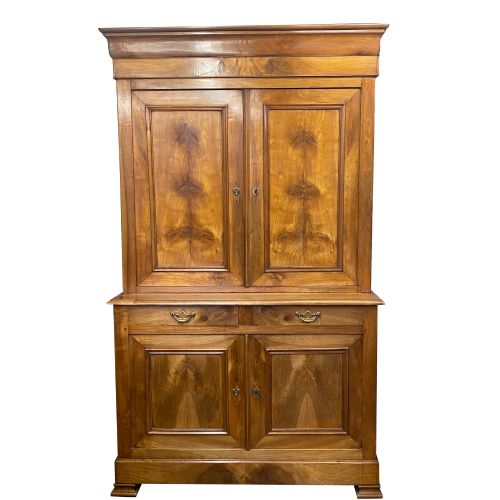
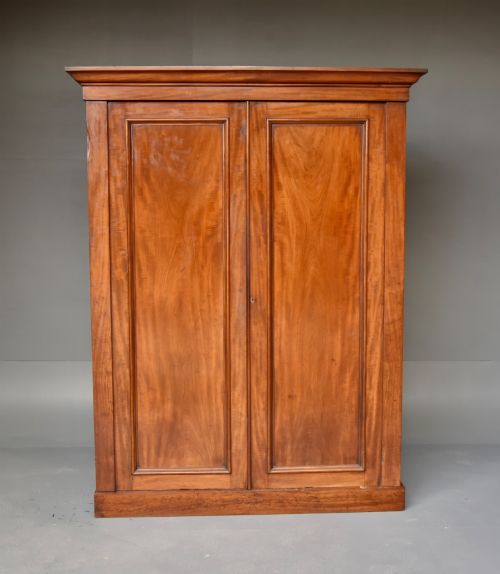
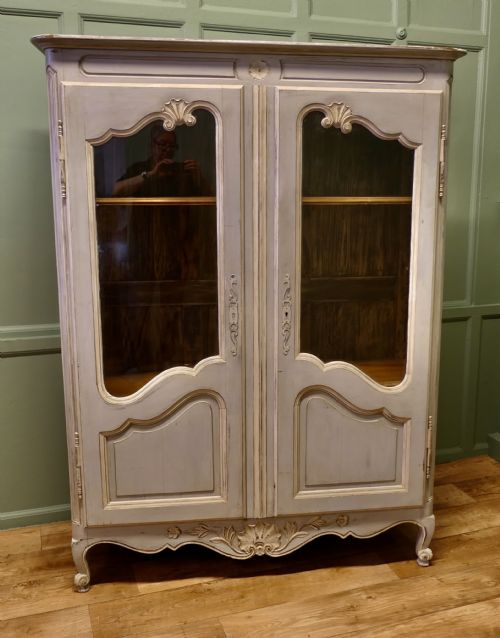
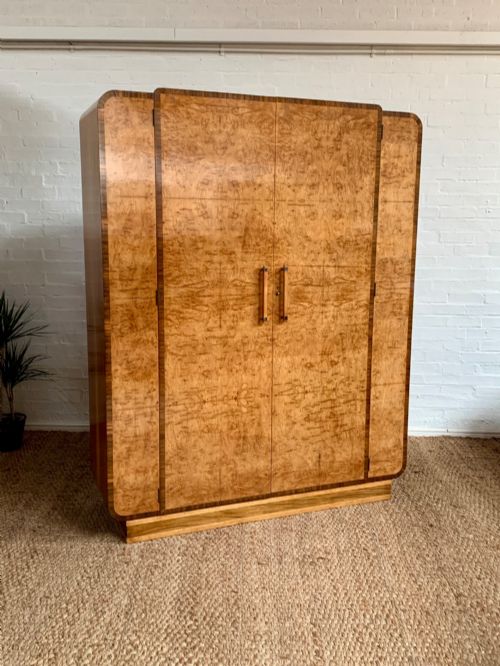
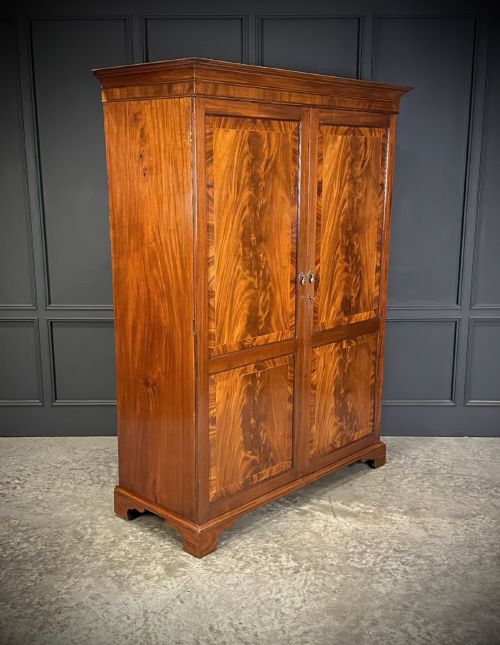
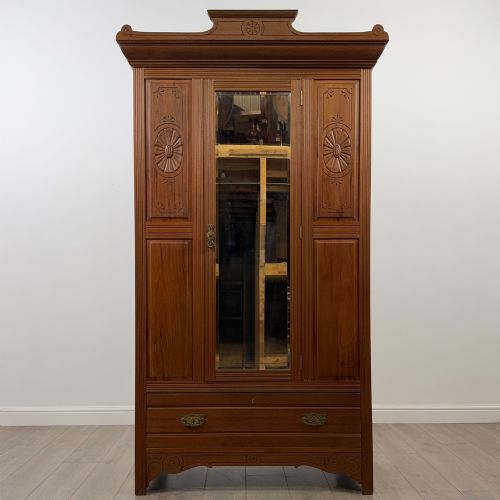
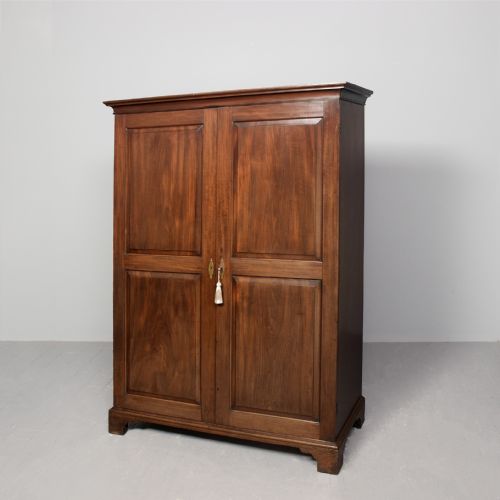
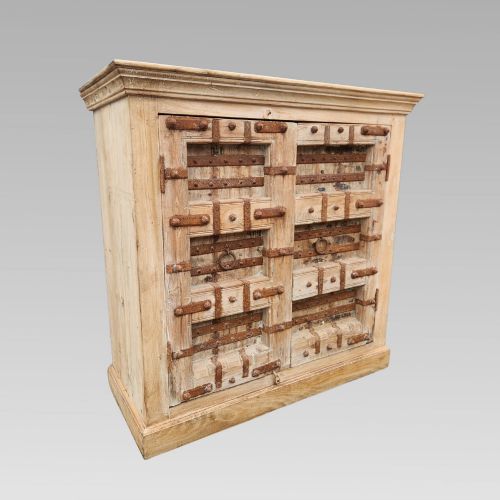
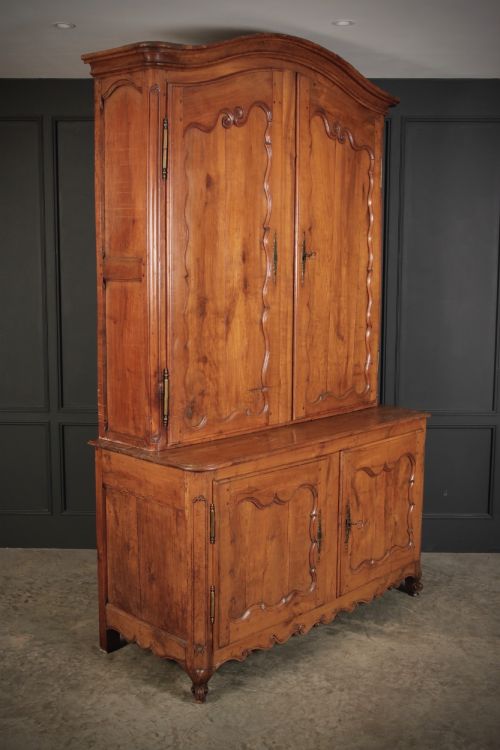
An antique timber armoire encompasses large storage furniture spanning the seventeenth century through to the Art Deco period, including wardrobes, housekeeper cupboards, and linen presses. These pieces originate from diverse traditions such as French provincial workshops, English country houses, and Scandinavian folk art. Buyers searching for an antique timber armoire will find forms ranging from single-door hall cupboards to substantial double wardrobes and two-part storage cabinets.
The selection on this page demonstrates considerable variety in regional timber and decorative finish, reflecting both formal cabinetmaking and vernacular craft. Pieces appear in solid or veneered hardwoods alongside softer painted woods, accommodating different interior scales and historical styles. This mix reveals how utility storage evolved across centuries while retaining traditional joinery and panel construction.
Defining characteristics of quality
Quality rests in the integrity of the timber selection, the crispness of hand-carved details or inlay, and the retention of original hardware and interior fittings. Superior pieces display thoughtful grain matching on doors and drawer fronts alongside robust, unaltered internal shelving or hanging space.
The preservation of original painted surfaces or polished finishes distinguishes better examples, whereas clumsy later alterations to interiors or hardware diminish historical and material coherence.
Antique Timber Armoire Retail Price Guide 2026
Typical asking prices for timber armoire among the pieces listed under this phrase on Sellingantiques today, from the lower quarter to the upper quarter. They describe what is for sale here now, not the wider market.
Several cupboards retain the faint aroma of old beeswax and dry lavender, accumulated through centuries of storing household linens.
Waring and Gillow·Druce and Co
The Antique Timber Armoire Glossary
- Armoire
- A large standing cupboard or wardrobe used primarily for clothing storage, typically featuring double doors enclosing shelves or hanging space.
- Housekeeper cupboard
- A large utility storage piece with multiple doors and drawers, traditionally used in large country houses for linen and household stores.
- Linen press
- A tall storage cabinet featuring upper sliding trays or shelves above a chest of drawers, designed specifically for textile storage.
- Scumble paint
- A decorative surface finish created by applying a translucent top coat over a base colour and manipulating the wet layer to simulate wood grain or texture.
- Vitrine
- A glass-fronted display cabinet used for porcelain, books, or decorative objects.
Antique Timber Armoire: Frequently Asked Questions
Where should I place an armoire?
These large storage pieces suit bedrooms, spacious hallways, or living areas where substantial freestanding furniture is practical. Ensure the clearance allows doors to open fully, particularly on models with fitted interior drawers.
Position the piece away from direct heat sources to protect the historic timber and prevent veneer lifting.
How do I clean antique timber?
Dust regularly with a soft, dry cloth to prevent particulate buildup on polished or painted surfaces. Avoid modern aerosol polishes, which leave silicones that damage traditional wax finishes.
Feed dry hardwoods occasionally with an appropriate micro-crystalline wax to maintain the moisture balance of the wood.
Can shelves be added to wardrobes?
Many wardrobes and armoires feature removable hanging rails or adjustable wooden brackets that accommodate additional shelving. Consult a professional restorer if new supports require internal modifications to the carcase.
Reversible timber inserts allow modern storage configurations without altering the historical structure.
How do I date a timber armoire?
Examine the construction methods, tool marks on internal panels, and secondary woods used in the backboards and drawer linings. Hand-cut dovetails and pegged frame joints typically indicate earlier manufacturing periods.
Stylistic cues such as Gothic revival tracery, Regency proportions, or Art Deco geometry help narrow the decade of production.