
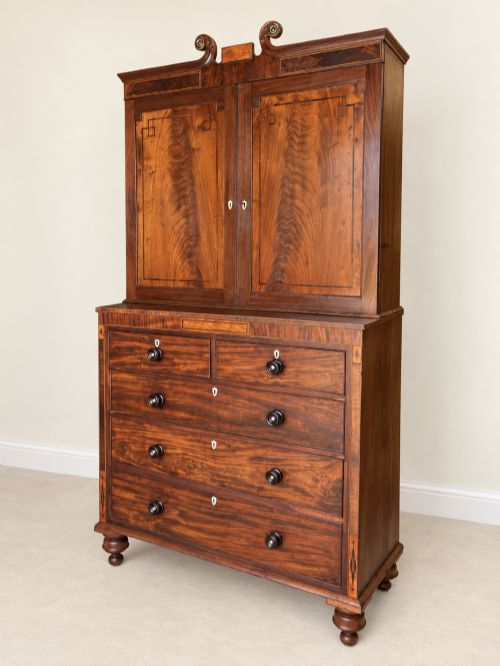
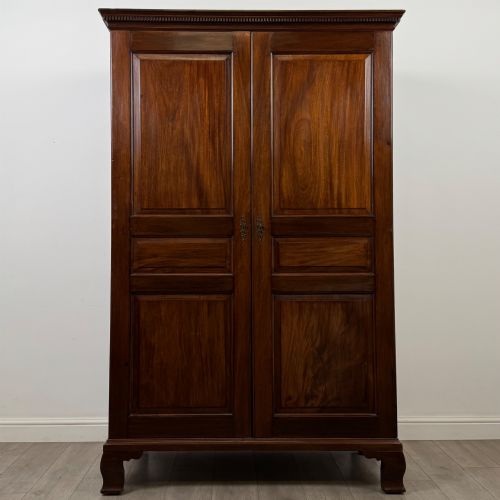
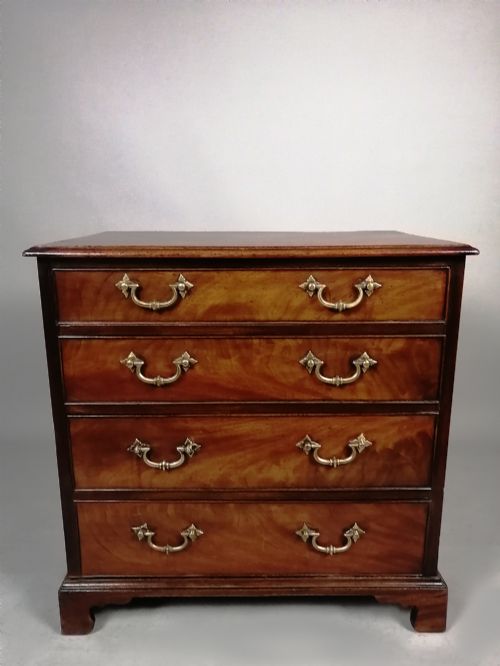
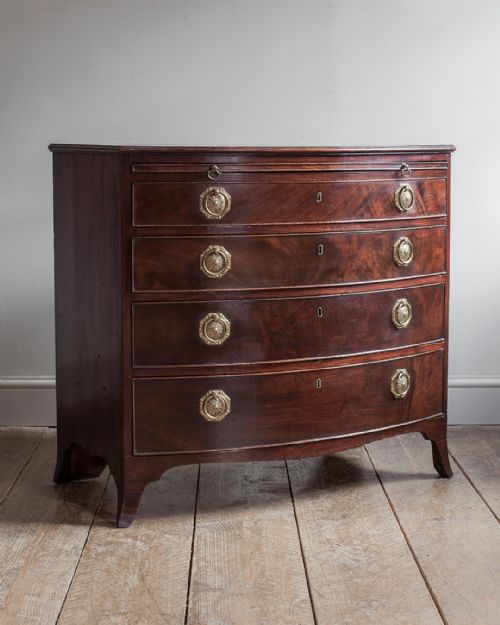

Georgian Bedroom Cabinet
These georgian bedroom cabinet examples span compact bedside tables to tall linen presses, offering practical storage with period character.
Georgian Bedroom Cabinet
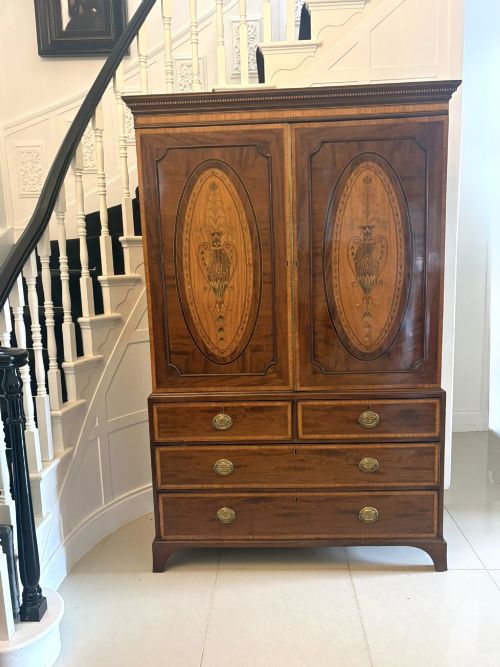
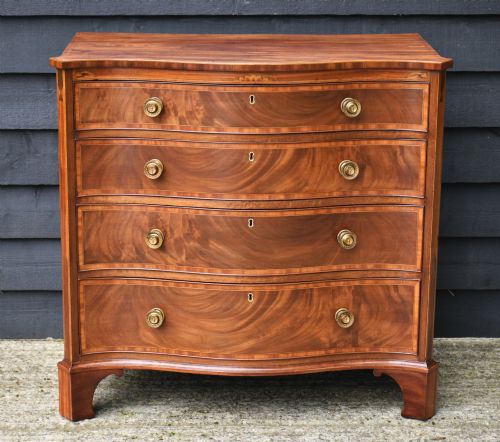
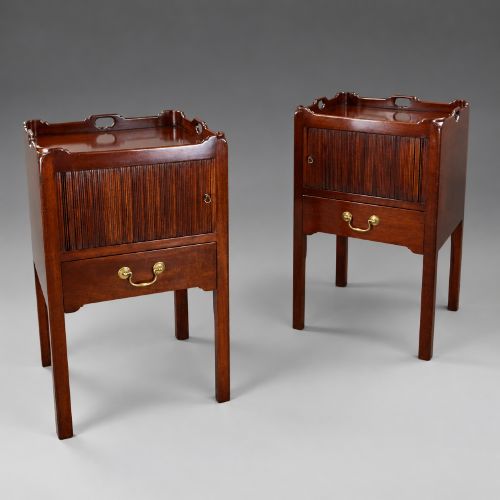
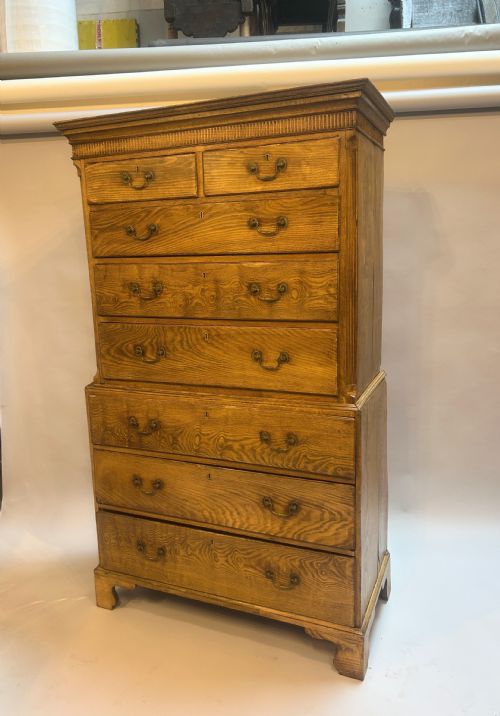
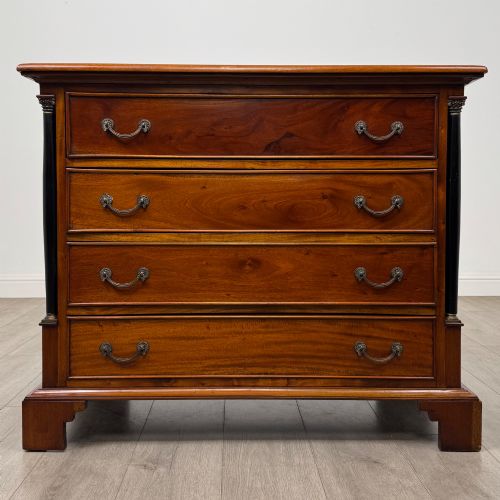
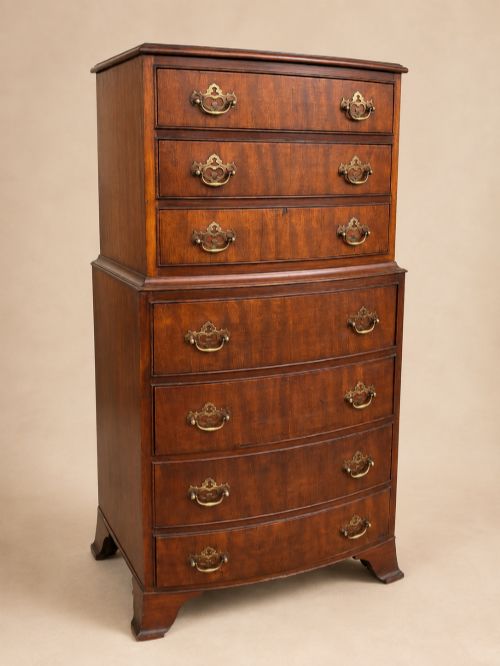
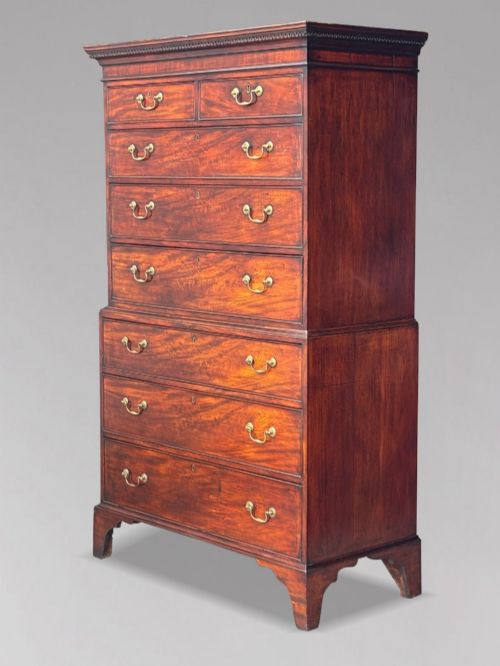
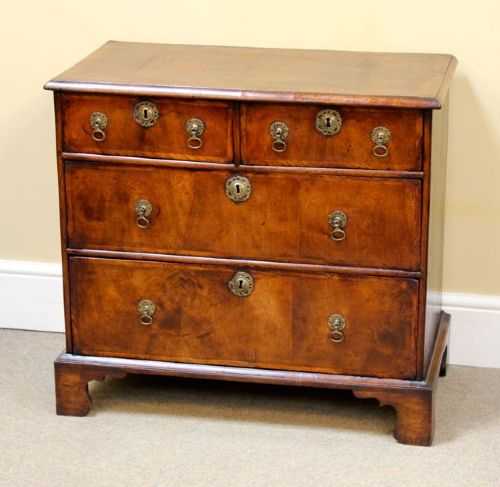
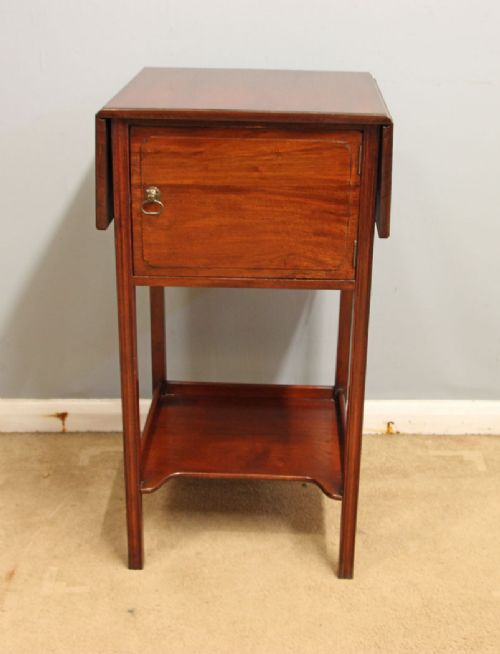
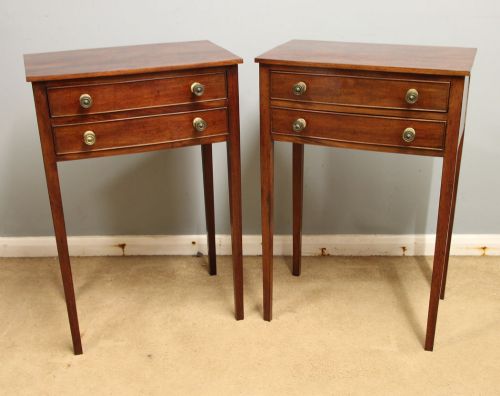
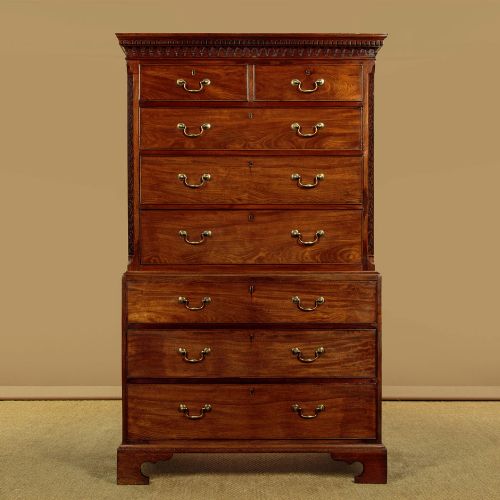
When you search for a georgian bedroom cabinet, you encounter a varied selection of antique furniture designed for domestic sleeping quarters. The listings on this page centre primarily on mahogany chests of drawers, bedside tables, and larger linen presses or wardrobes.
Most pieces date from the eighteenth and nineteenth centuries, featuring forms such as bowfronts, tallboys, and serpentine chests alongside later twentieth-century revivals. These items served traditional functions for storing clothing, linens, and bedside items in period homes.
How They Were Made
Cabinetmakers of the period relied heavily on solid mahogany, oak, and walnut, frequently incorporating figured veneers like satinwood and burr walnut for visual depth. Brass hardware, including drop handles and escutcheons, provides functional and decorative contrast to the dark timber surfaces.
Construction techniques involve traditional joinery, dovetail joints on drawer construction, and occasional decorative elements such as inlay work, blind fretwork cornices, and faux bamboo detailing.
Several bedside cabinets arrive ready for midnight reading, having spent centuries quietly holding chamber candlesticks.
What Varies in Quality
The distinction between standard and superior pieces rests on the selection of timber, the crispness of carved details, and the integrity of the original construction. Selected Cuban mahogany and finely figured satinwood inlay elevate the visual presence of a cabinet considerably.
Proportion and balance define the upper tier of these furnishings, where serpentine fronts, well-matched drawer veneers, and untouched original brasses demonstrate the maker's skill and subsequent care.
The Georgian Bedroom Cabinet Glossary
- Bowfront
- A convex curved cabinet front popular during the Georgian and Regency periods. This shape softens the corners of case furniture while increasing internal storage capacity.
- Linen Press
- A tall wardrobe featuring upper sliding trays or shelves for linens and lower drawers for garments. These pieces often display architectural cornices and panelled doors.
- Serpentine
- A gently undulating front profile featuring a convex centre flanked by concave curves. This intricate shape requires advanced woodworking skill to execute properly.
- Tallboy
- A tall chest of drawers stacked one above another, typically comprising a smaller upper section resting on a larger base. They maximise vertical storage space in compact rooms.
- Night Table
- A small bedside cabinet or table designed to hold a chamber candle or personal items overnight. They frequently incorporate enclosed cupboards or small drawers.
Georgian Bedroom Cabinet: Frequently Asked Questions
What is a georgian bedroom cabinet?
A georgian bedroom cabinet encompasses various wooden storage items from the eighteenth and early nineteenth centuries, including bedside tables, small chests, and night cupboards.
These pieces were constructed to hold personal items and clothing within the sleeping quarters of period residences.
How do I identify a genuine period piece?
Examine the timber selection, construction methods such as hand-cut dovetails, and the overall proportions typical of eighteenth-century cabinetmaking.
Revival pieces from later centuries often employ different secondary woods or machine-cut elements that distinguish them from original items.
Where should I place a bedside cabinet?
These compact tables fit easily beside a standard bed to provide a convenient surface for lighting and nighttime essentials.
Matched pairs work well flanking a larger bed frame, while single tables suit smaller guest rooms or act as lamp tables in a living space.
What is the difference between a chest and a press?
A chest of drawers is dedicated entirely to horizontal drawer storage for folded garments and personal accessories.
A linen press combines upper cupboard doors enclosing sliding trays with lower drawers, designed originally for household linens and large textiles.