
Antique Tiered Buffet
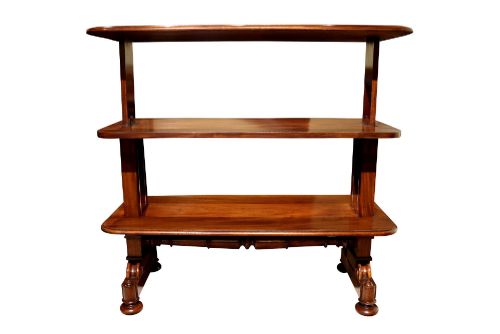
An antique tiered buffet provides stacked surfaces for serving and display, bringing functional elegance and rich timber tones into a dining room or parlour.
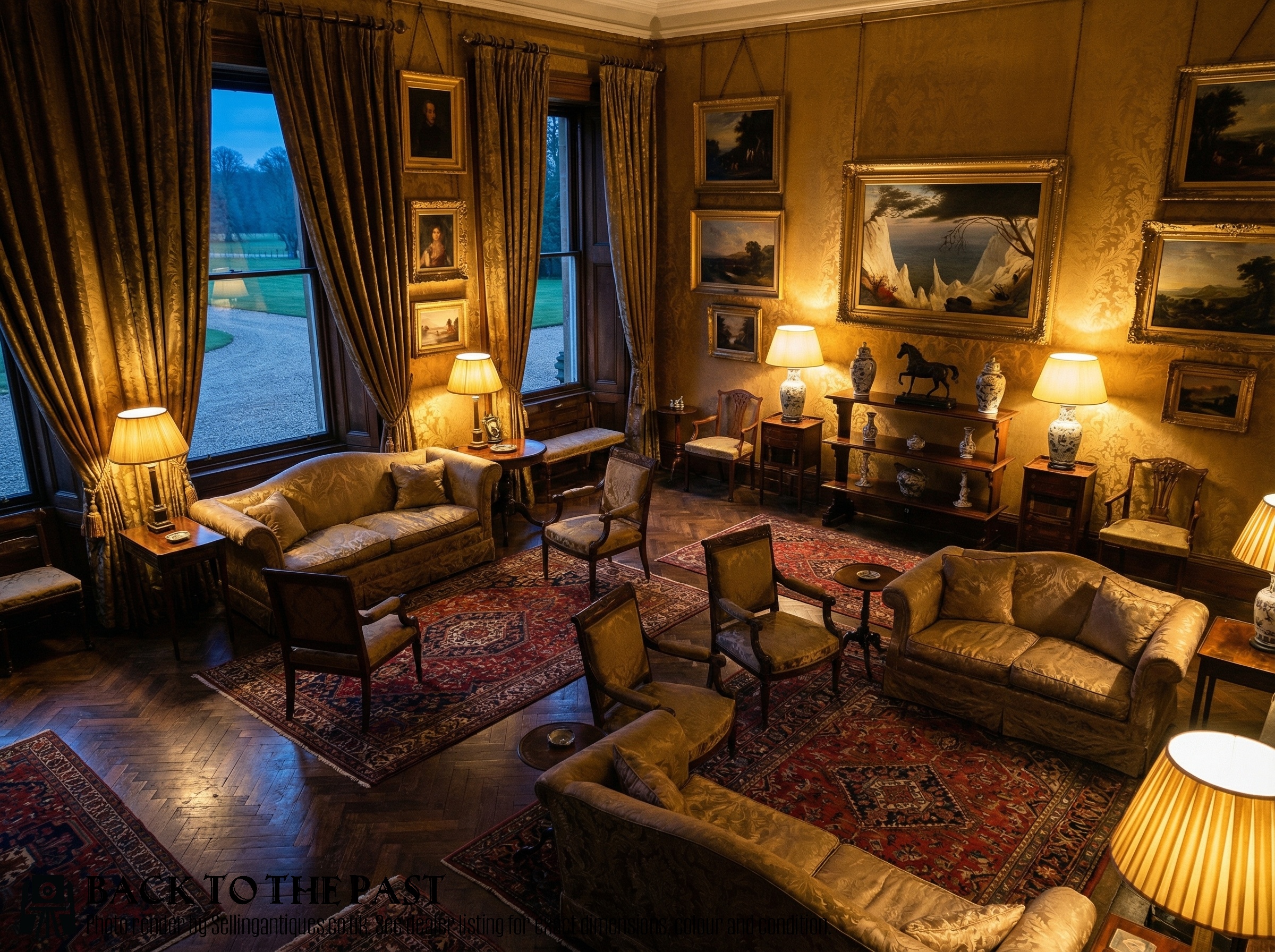
Antique Tiered Buffet
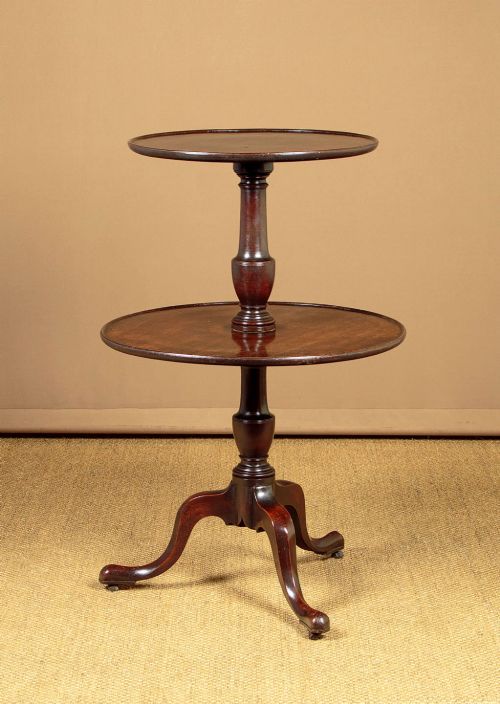
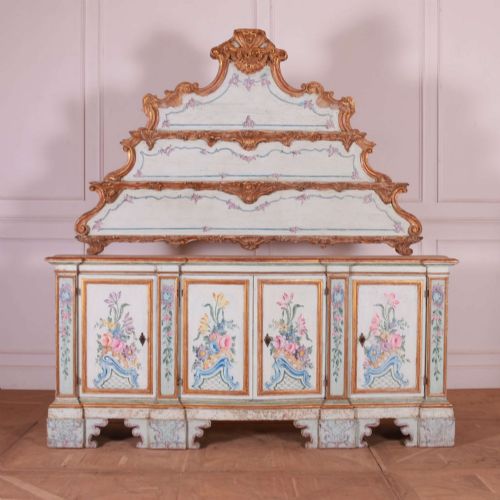
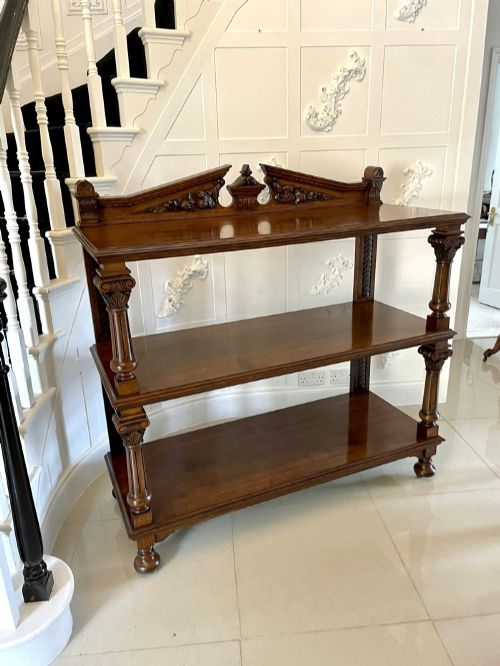
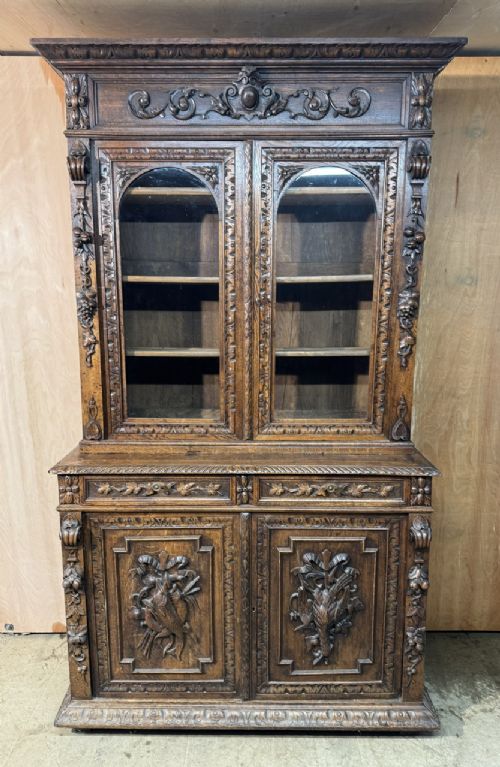
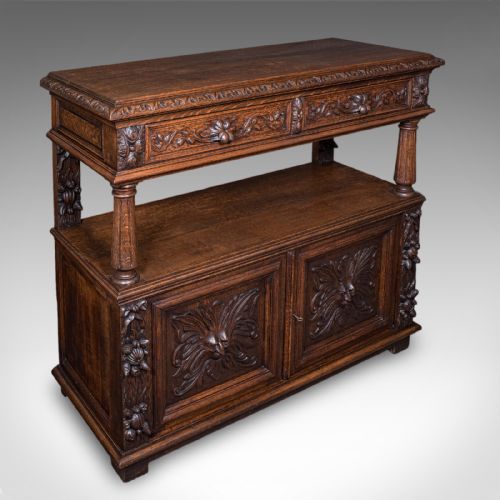
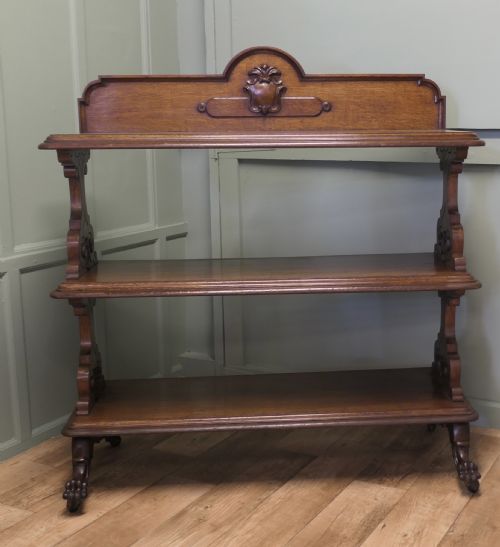
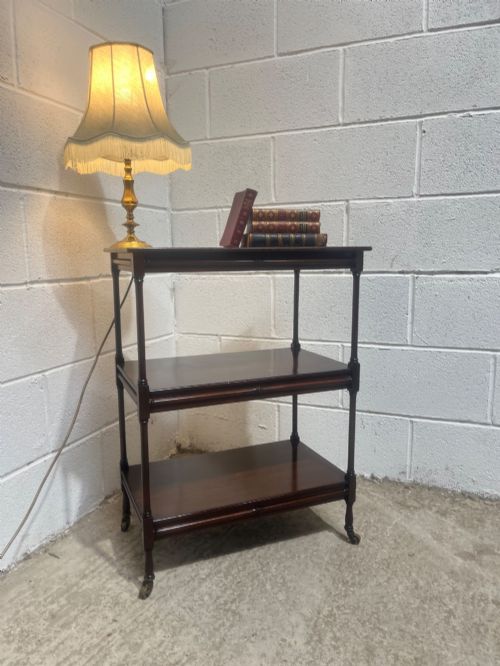
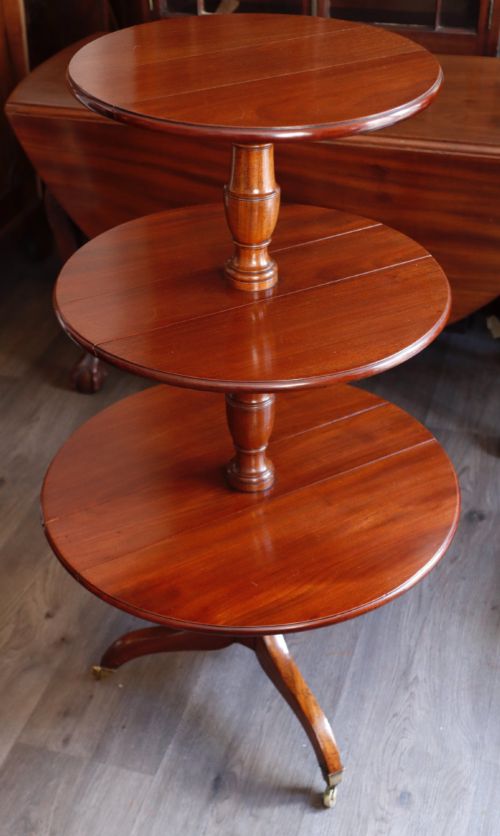
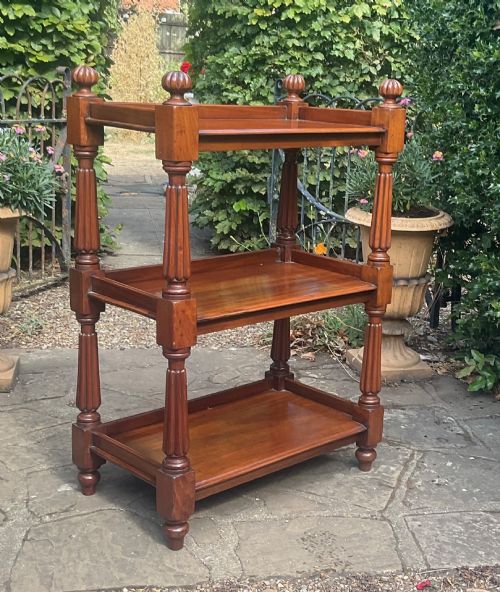
An antique tiered buffet encompasses multi-level serving stands, dumb waiters, etageres, and heavy oak or mahogany server cabinets spanning the eighteenth and nineteenth centuries. These pieces deliver ascending tiers supported by turned columns, pillars, or revolving mechanisms designed for dining rooms and grand hallways.
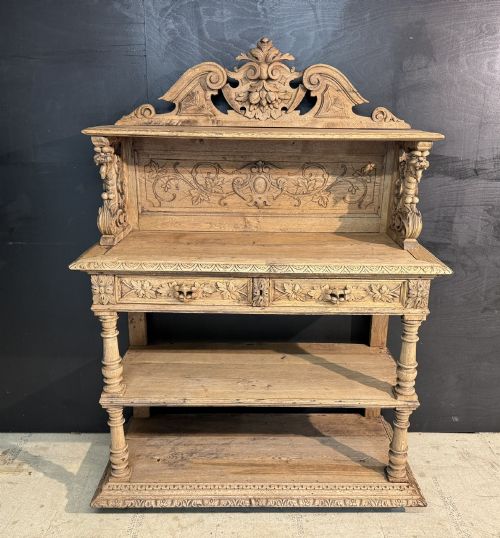
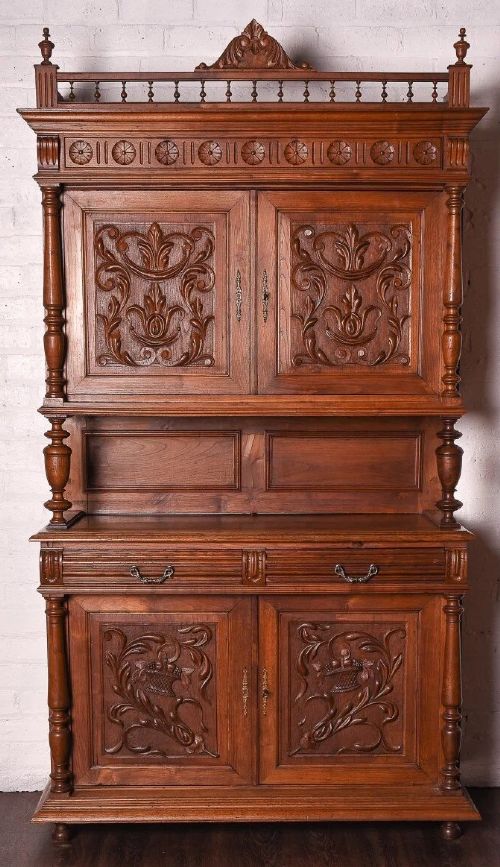
The versions most frequently encountered on this page date from the Georgian, Regency, and Victorian eras, rendered primarily in rich mahogany or carved oak. They range from circular three-tier revolving dumb waiters to substantial sideboard buffets featuring top shelves and lower cupboards.
How they were made
Cabinet makers utilised dense hardwoods such as mahogany, oak, and walnut, often selecting figured timbers like pollard oak, burr walnut, or amboyna for prominent display surfaces. Joinery relied on sturdy mortise and tenon construction, housing rotating mechanisms, rise and fall assemblies, or telescopic shafts for adjustable tiers.
Decorative elements involved intricate hand-carving, ebonised detailing, and turned brass castors fitted to tripod bases or heavy cabinet feet. Surfaces received polished wax finishes that highlighted the natural grain and depth of the timber.
Listings feature woods spanning mahogany, oak, walnut, teak, rosewood, amboyna, and pollard oak across eighteenth and nineteenth-century periods.
What varies in quality
The standard of timber selection and complexity of mechanism dictate the distinction between standard items and exceptional pieces. Master cabinet makers employed superior figured grain veneers, heavier solid stock, and sophisticated mechanical actions that allowed shelves to rise, fall, or rotate smoothly.
Refinement in carving depth and the integrity of original brass castors or turning work further elevate certain examples. Pieces retaining their original structural ironwork and unblemished polished finishes represent the upper tier of craftsmanship.
The Antique Tiered Buffet Glossary
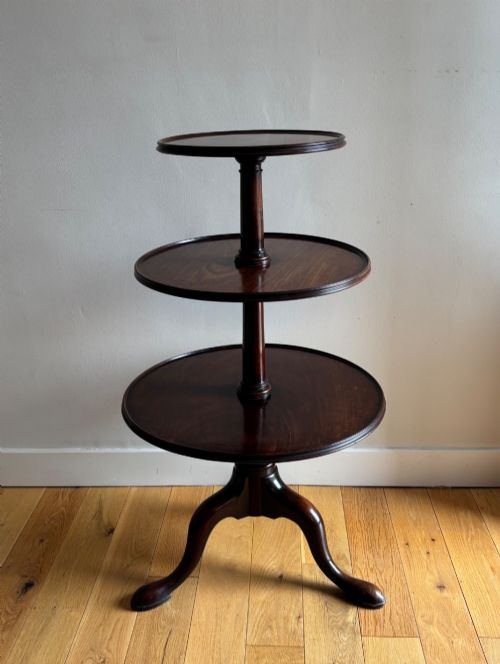
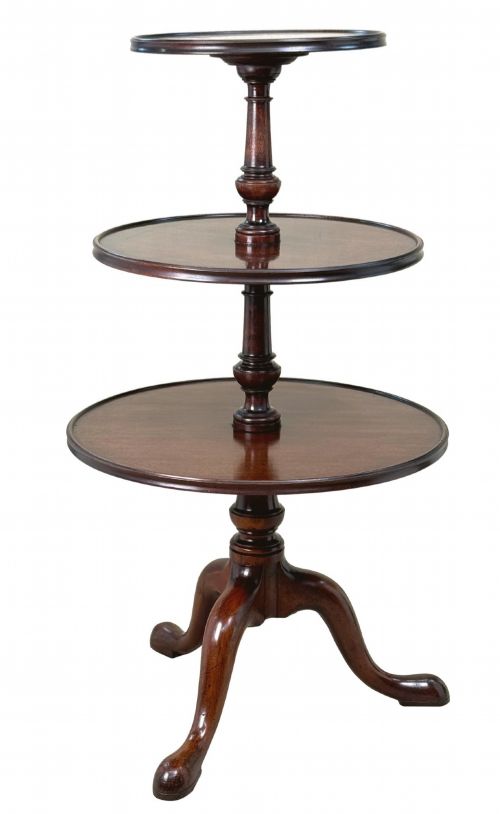
- Dumb waiter
- A multi-tiered freestanding piece of dining room furniture designed to hold dishes and bottles without the need for attendants. These typically feature two or three circular graduating trays on a central column.
- Etagere
- A piece of furniture consisting of a set of open shelves for displaying small ornaments or serving items. They appear in multi-tier formats constructed from mahogany, walnut, or ebonised wood.
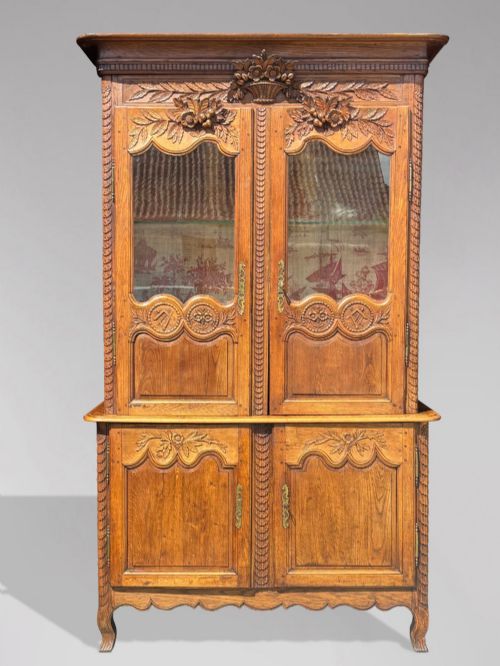
- Buffet a deux corps
- A traditional French two-body cabinet comprising a large lower cupboard base surmounted by a matching upper section. They are frequently rendered in solid oak or cherry wood.
- Metamorphic
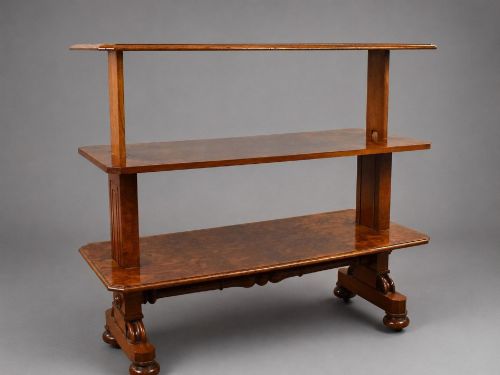
- Describing furniture designed to transform or adjust its form through mechanical action, such as rising tiers or expanding shelves. These pieces showcase ingenious nineteenth-century engineering.
- Chiffonier
- A relative of the sideboard featuring enclosed lower cupboards and often a raised shelf or tier above. They emerged strongly during the Regency and Victorian periods in mahogany and walnut.
Antique Tiered Buffet: Frequently Asked Questions
What is an antique tiered buffet used for?
These pieces served primarily in dining rooms to hold dishes, glassware, and wine bottles during meals without requiring servants in the room. They offered extra surface space for serving and displaying silver.
Today, they function well in modern interiors as lamp tables, display stands for collections, or serving stations during dinner parties.
How do I tell a Georgian tier from a Victorian one?
Georgian tiered pieces, such as early dumb waiters, tend to feature lighter proportions, elegant tapering columns, and restrained mahogany or satinwood construction. They emphasise classical lines and understated brass fittings.
Victorian versions often display heavier dimensions, elaborate hand-carving, and darker woods like pollard oak, burr walnut, or ebonised finishes, sometimes incorporating complex mechanical adjustments.
Are revolving tiers original to these pieces?
Many nineteenth-century dumb waiters and etageres incorporate original rotating mechanisms, allowing diners to access dishes easily around a table. These actions rely on central iron rods or brass collars set within the column.
Careful inspection reveals whether a revolving mechanism is contemporary with the timber framing or a later modification.
How do I care for a mahogany tiered buffet?
Maintain the timber by applying a quality beeswax polish periodically to nourish the grain and protect the polished surface from drying out. Avoid placing the piece in direct sunlight or near heat sources.
Dust regularly with a soft, dry cloth and lift items rather than sliding them across the tiers to prevent surface scratching.