



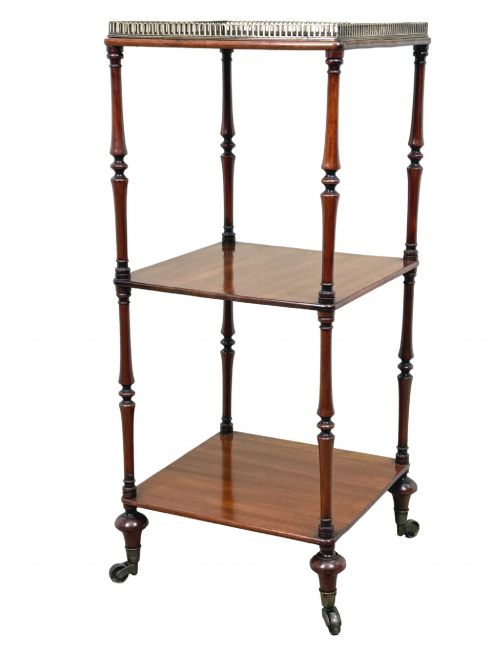
19th Century Etagere Shelves
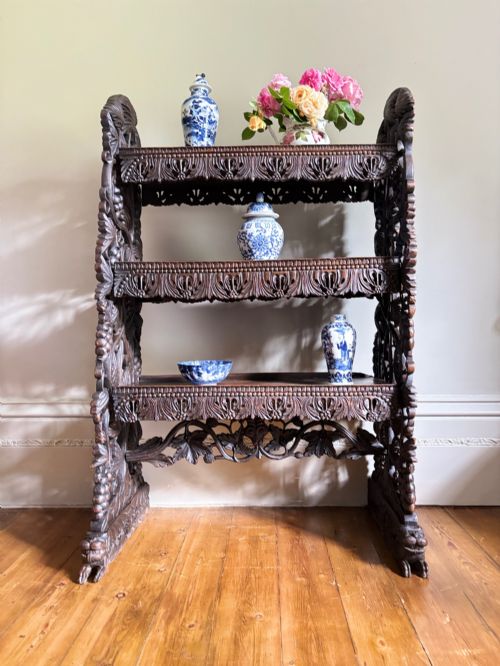
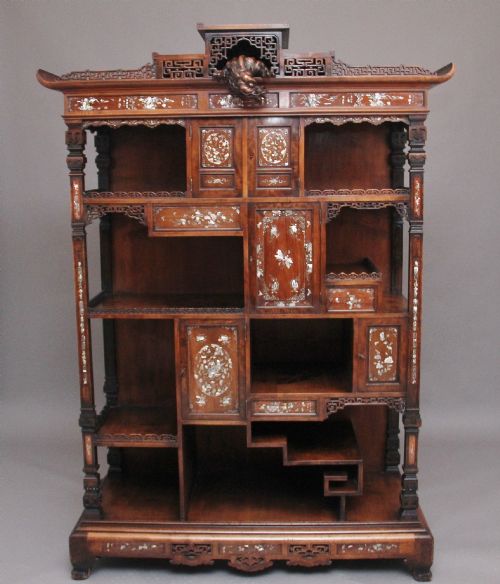
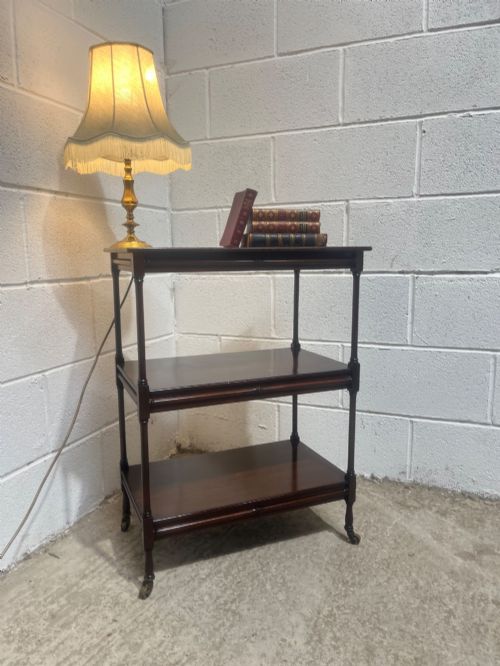
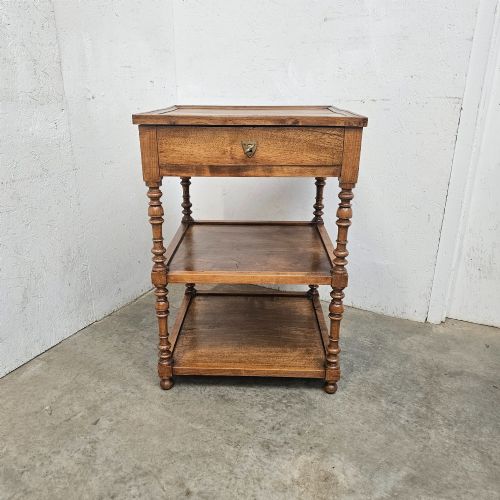
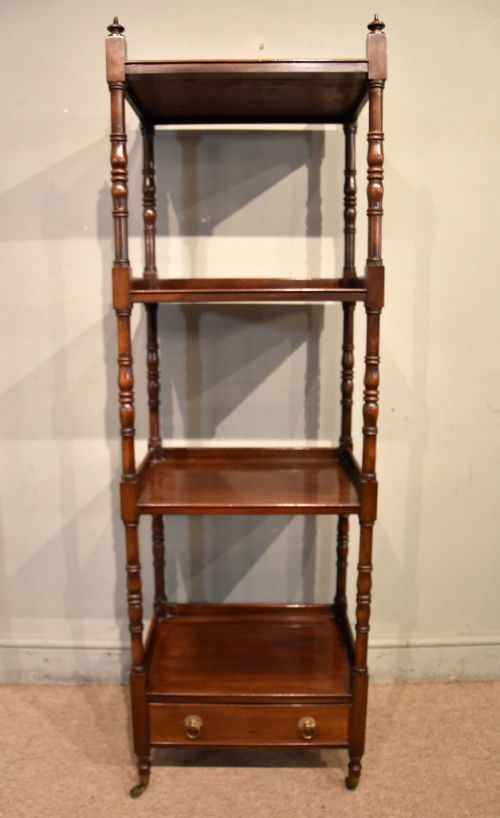
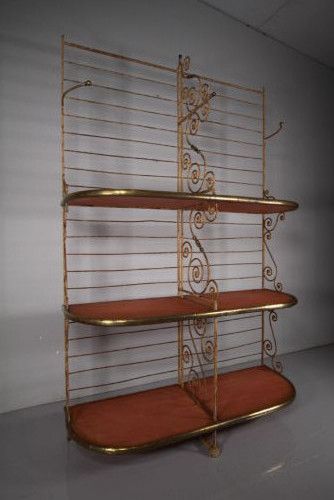
These 19th century etagere shelves offer tiered display surfaces designed to hold books, ceramics and decorative objects within period interiors.
19th Century Etagere Shelves
19th century etagere shelves provide open multi-tiered storage and display surfaces that evolved from earlier eighteenth-century forms. Buyers seeking these pieces encounter varied names including whatnots, corner units, dumb waiters and tiered stands.
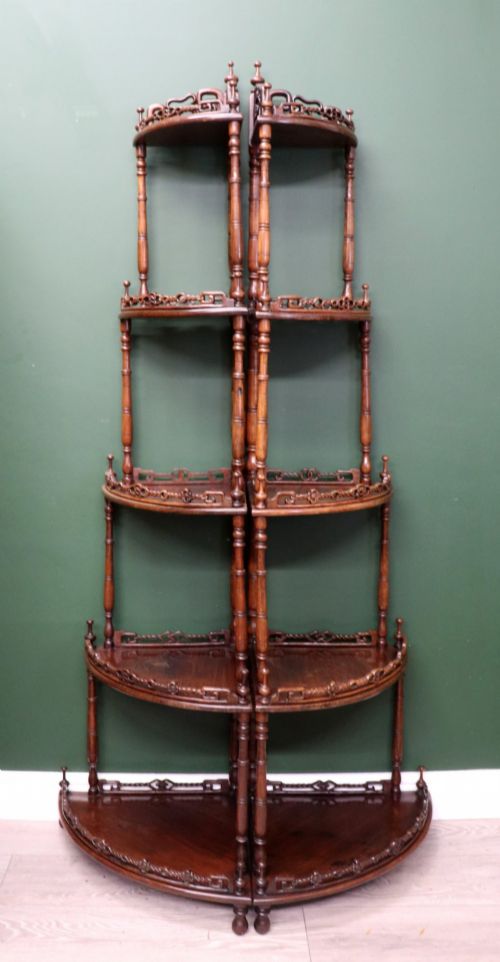
The selections span distinct periods such as Regency, Victorian and later nineteenth-century revivals. Forms range from compact corner pieces to substantial multi-tiered freestanding shelving units.
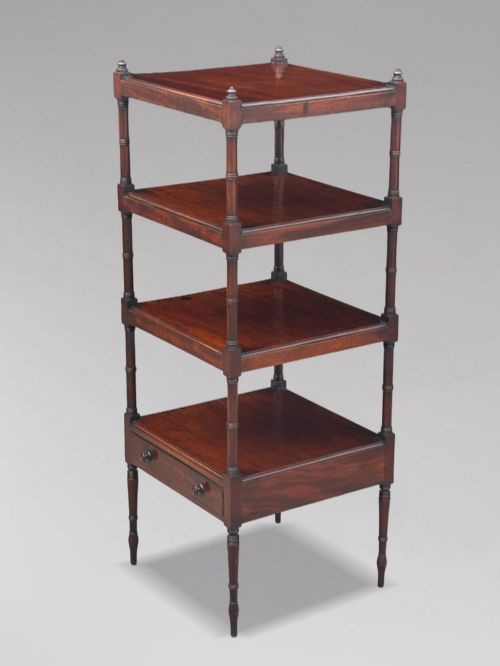
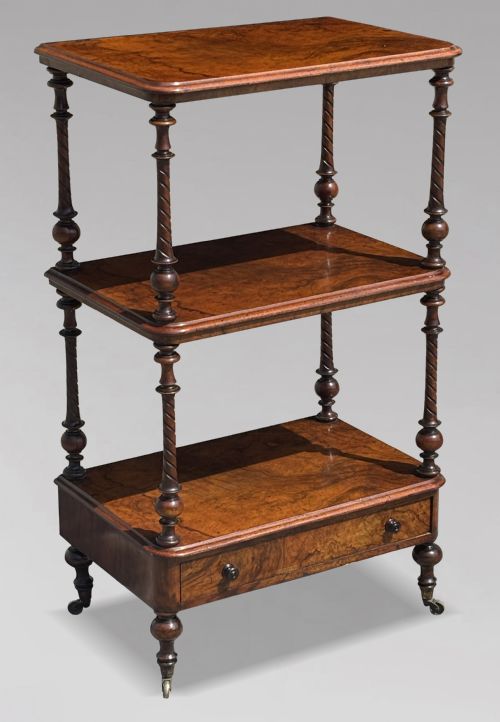
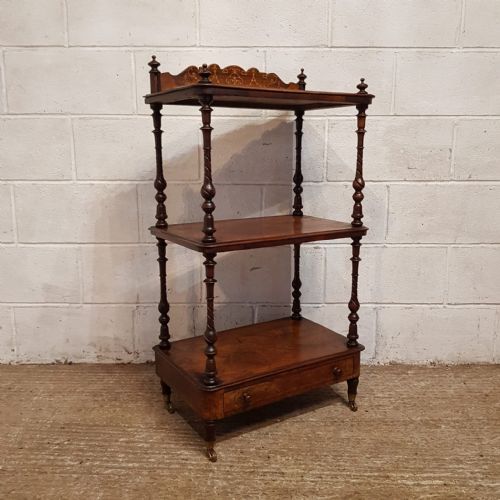
Makers and workshops produced these stands to serve functional display roles in sitting rooms, music rooms and libraries. The designs frequently incorporate columns, turned supports and occasional drawer compartments.
How they were made
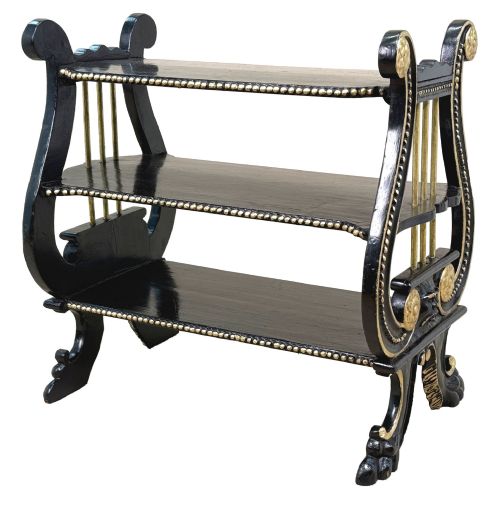
Cabinetmakers utilised dense timbers such as mahogany, walnut, rosewood and ebonised wood for the structural frames and shelves. Finer examples display burr walnut veneers or contrasting grain patterns across the tiers.
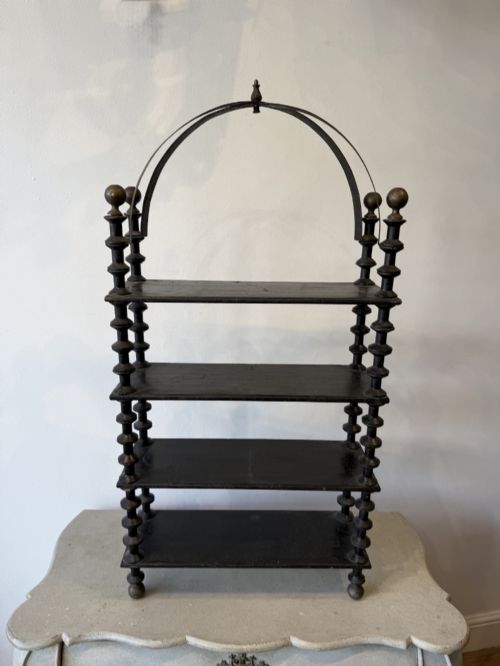
Metal components including brass mountings, gilt bronze accents and wrought iron hardware provide structural reinforcement and decorative detail. Turned legs, bobbin turnings and carved uprights connect the graduating tiers securely.
Listings feature woods including mahogany, walnut, rosewood, burr walnut, teak and ebonised wood.
What varies in quality
The refinement of the timber selection and veneer matching distinguishes superior pieces from standard production. Cabinetmakers who chose figured mahogany or burr walnut created visually cohesive surfaces across multiple tiers.
Joinery execution in the joints and the crispness of turned supports determine the structural integrity. Fine examples maintain stability across several levels without undue sway or misalignment in the upright columns.
Gabriel Viardot·Edwards & Roberts·Strahan of Dublin
The 19th Century Etagere Shelves Glossary
- Etagere
- A piece of furniture consisting of a set of open shelves for displaying small objects. These tiered stands became popular during the nineteenth century for decorative presentation.
- Whatnot
- A multi-shelved open cabinet used for storing and displaying curiosities or books. This term appears interchangeably with etagere in many nineteenth-century records.
- Ebonised
- Wood finished to resemble ebony through staining or painting. This dark treatment was common in late nineteenth-century cabinetmaking.
- Bobbin
- A style of turned furniture leg resembling a string of spools or bobbins. This turned decorative feature frequently supports smaller shelving units.
- Burr
- A growth on a tree producing intricate, swirling grain patterns when sliced into veneer. Cabinetmakers applied burr walnut to prominent display surfaces.
19th Century Etagere Shelves: Frequently Asked Questions
How were 19th century etagere shelves used?
These tiered units served primarily for displaying ornaments, ceramics, books and sheet music within principal rooms. Their open construction allowed owners to showcase decorative objects from multiple angles.
Smaller corner versions utilised dead space in parlours, while larger freestanding units functioned as central room dividers or side cabinets.
What is the difference between an etagere and a whatnot?
The terms largely overlap in nineteenth-century furniture nomenclature to describe open tiered shelving. Etagere often implies a French influence with lighter decorative framing.
Whatnot typically describes English tiered stands used for miscellaneous items. Both forms prioritise open display surfaces over enclosed storage.
Which woods are common in these shelves?
Mahogany appears frequently across the early and mid-nineteenth century in both simple and highly figured formats. Walnut and rosewood became prominent during the Victorian era.
Ebonised wood and exotic timbers like padauk also occur in specific revival and imported styles.
How do I identify a Regency period etagere?
Regency examples date from the early nineteenth century and typically feature cleaner classical lines. They often utilise solid mahogany with restrained brass mounts or delicate turned supports.
Later Victorian pieces tend toward heavier proportions, darker finishes and more ornate carving or veneer work.
Can these shelves support heavy books?
Most etageres and whatnots were constructed for display rather than heavy library storage. The tiers are supported by slender turned columns rather than robust weight-bearing frames.
Lighter items, ceramics and select volumes suit these shelves best.