




Antique Tibetan Carving
These antique Tibetan carving pieces bring Himalayan ritual and folk art directly to your collection.
Antique Tibetan Carving
When you search for antique Tibetan carving, you are looking at items shaped by centuries of Himalayan ritual and daily practice. The selections on this page span the nineteenth century and the mid-eighteenth century, bringing together diverse regional forms.
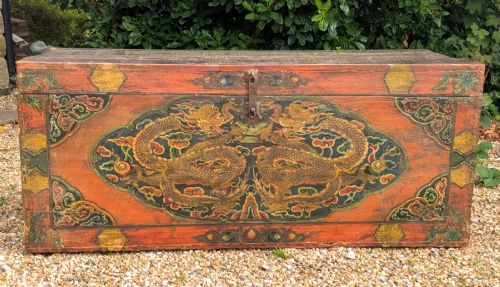
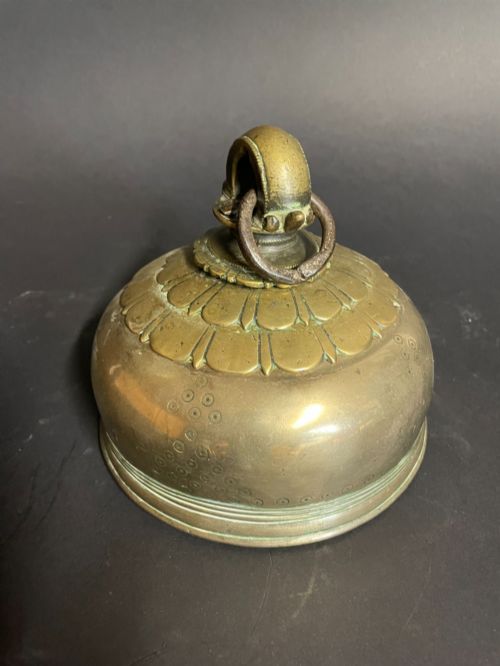
You will encounter pieces ranging from wooden masks and painted skulls to bronze bells, ewers, and altar tables. Many items show distinct Sino-Tibetan influences or Himalayan folk art traditions.
Statues and sculptures dominate the forms, alongside functional objects like flint and tinder pouches, incense burners, and decorative plaques. Each piece reflects the material culture of Tibetan Buddhism and monastic life.
How they were made
Maker workshops utilised traditional casting methods for metals such as bronze, brass, copper, and iron. These metal items often incorporate intricate surface details and gilt finishes.
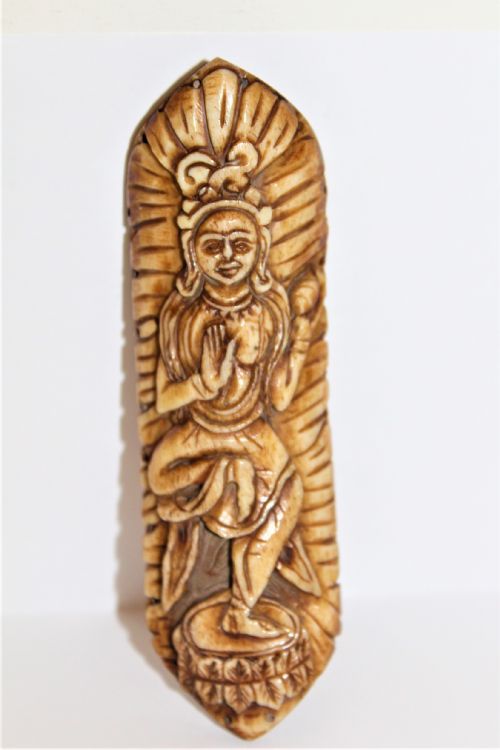
Carvers worked extensively with wood and bone, applying polychrome paint to surfaces for ceremonial and decorative effect. Hardwood and marble also appear in structural items like altar tables.
Craftsmen combined carving, painting, and metalwork techniques to produce both portable devotional objects and larger temple furnishings.
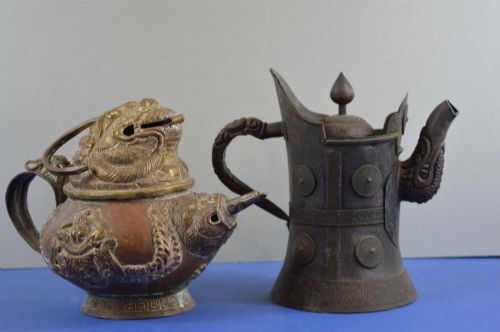
Yak butter tea pots remind us that historic hydration required serious metalwork.
What varies in quality
The standard of an antique Tibetan carving depends on the crispness of the hand-carved detail and the depth of the surface patina. Pieces handled frequently over generations often display a softer, smoother finish.
Material selection divides the range, with dense hardwoods, substantial bronzes, and well-preserved polychrome paint sitting at a higher level than simpler utilitarian items.
The Antique Tibetan Carving Glossary
- Sino-Tibetan
- A stylistic crossover blending Chinese imperial aesthetics with Tibetan Buddhist iconography.
- Polychrome paint
- Decoration executed in multiple colours, frequently found adorning wooden ritual items and statues.
- Ewer
- A large jug with a handle and spout, traditionally used for ceremonial water or tea.
- Citipati
- A protective deity pairing skeletal figures, often represented in Tibetan ritual art.
- Patina
- The surface sheen and coloration developed through age, handling, and environmental exposure.
Antique Tibetan Carving: Frequently Asked Questions
What are antique Tibetan carvings?
These pieces comprise ritual objects, statues, masks, and furnishings created in Tibet and the surrounding Himalayan regions. They encompass bronze deities, wooden ritual items, and bone carvings.
Most items date from the nineteenth century or earlier, reflecting Buddhist traditions and local craftsmanship.
How were these objects used?
Many items served practical and religious functions within monasteries and homes, from burning incense to holding tea or water.
Other pieces, such as masks and decorative plaques, played roles in ceremonies, protective rituals, or personal adornment.
How do I care for wooden carvings?
Keep wooden and painted objects away from direct sunlight and sudden temperature shifts to protect the surface paint.
Dust gently with a dry, soft cloth and avoid applying modern polishes or cleaning agents.
How can I tell the age?
Dating relies on material wear, tool marks, style, and the natural patina accumulated over decades of use.
Examining the casting methods on bronzes and the ageing of wood or bone helps place items within periods like the nineteenth century.