





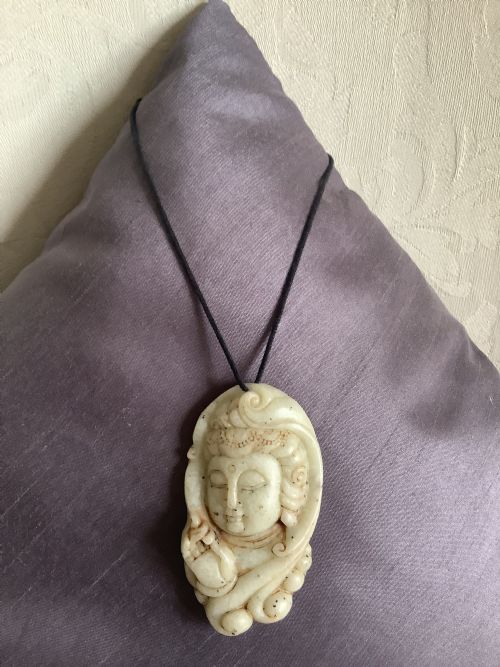
Hand Carved Pendant
These hand carved pendant options range from jade celestial figures to wooden ceiling bosses, offering tactile history to wear or display.
Hand Carved Pendant
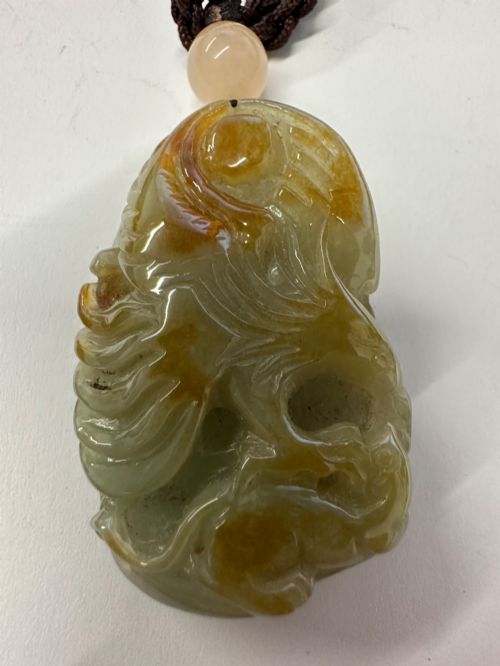
When you search for hand carved pendant, you find small portable sculptures shaped from jade, stone, and bone, alongside unexpected architectural elements like carved oak ceiling bosses. The listings on this page draw heavily from traditional Chinese carving traditions, spanning the Qing Dynasty through to the Republic Period.
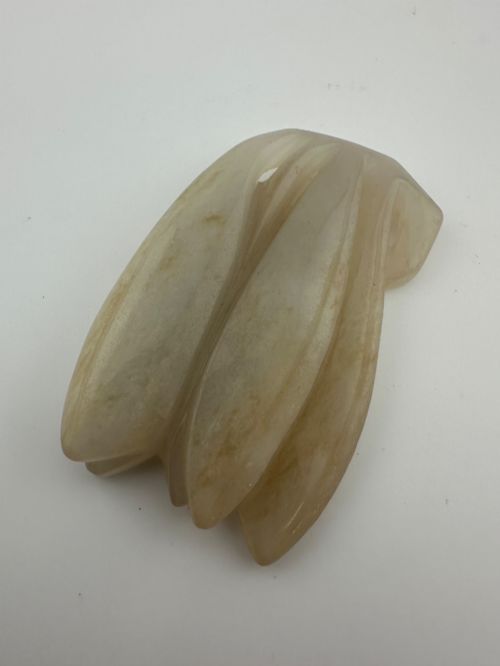
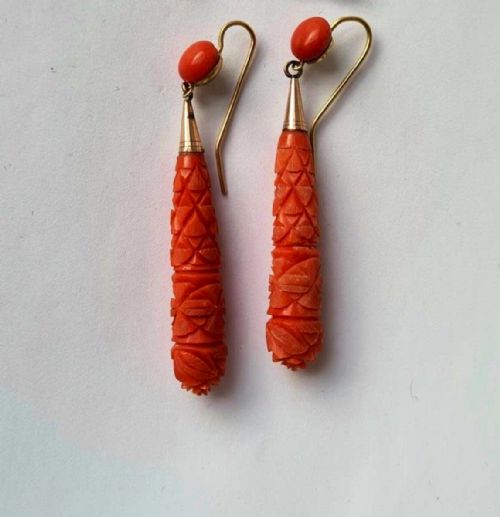
Buyers encounter distinct forms such as cicadas, double dragons, pixiu mythical beasts, and auspicious symbols. Alongside these jade and jadeite ornaments, the selection includes coral earrings and Tibetan bone buddha carvings, reflecting diverse historic carving practices.
How they were made
Makers shaped hard minerals like nephrite jade, jadeite, and celadon jade using abrasive grinding and polishing techniques passed down through generations. These stones required immense patience to carve into intricate deities, dragons, and plaques.
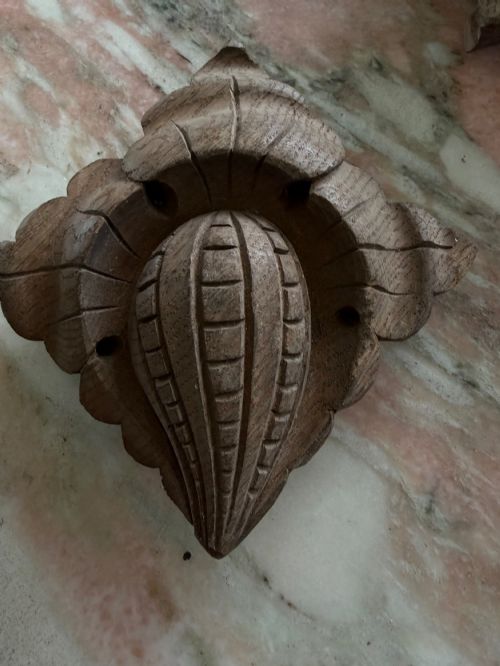
Organic materials such as oak, bone, and coral received entirely different treatment with specialised hand chisels and cutting tools. Wood carvers shaped architectural panels with deep relief, while workers drilled bone and coral to create wearable pendants and earrings.
One piece abandons personal adornment entirely to offer an 18th-century oak ceiling boss, proving that historic hand carving could live ten feet above your head.
What varies in quality
Material quality dictates much of the appeal, particularly with jade where translucency, pale celadon tones, and even coloration elevate an object. Surface preservation also matters, with natural patinas on bone and wood indicating genuine age and handling.
The Hand Carved Pendant Glossary
- Celadon jade
- A pale green or grey-green jade variety prized in Chinese carving. It forms the ground for many historic Qing Dynasty and Republic Period pendants.
- Pixiu
- A mythical winged celestial creature in Chinese mythology. Carvings of this beast are traditional symbols for attracting wealth and good fortune.
- Ceiling boss
- A decorative projecting block of timber set at the intersection of ribbing in a vaulted ceiling. The oak examples on this page show heavy historic architectural carving.
- Jadeite
- A dense, bright mineral distinct from nephrite jade. It is worked into translucent pendants and plaques with vibrant colour variations.
Hand Carved Pendant: Frequently Asked Questions
What is a pixiu pendant?
A pixiu pendant depicts a mythical Chinese creature known for bringing wealth.
Carved from jade or stone, these historic pieces are worn for both symbolism and ornamental beauty.
How do I date a jade carving?
Dating relies on stylistic motifs, such as Qing Dynasty or Republic Period designs.
Material characteristics and tool marks also help specialists place objects within broad nineteenth and twentieth-century windows.
Are all these items worn as jewellery?
While many are pendants, the selection includes architectural ceiling bosses and sculptures.
Items range from personal ornaments to decorative plaques and earrings.
What materials are used?
Carvings utilise hardstones like nephrite jade, jadeite, and celadon jade.
Other pieces incorporate organic materials including oak, bone, and coral.