




Carved Bone Figure
A carved bone figure brings tangible craft and history into a room, spanning delicate figures from Japanese Meiji workshops to robust Inuit whalebone sculpture.
Carved Bone Figure
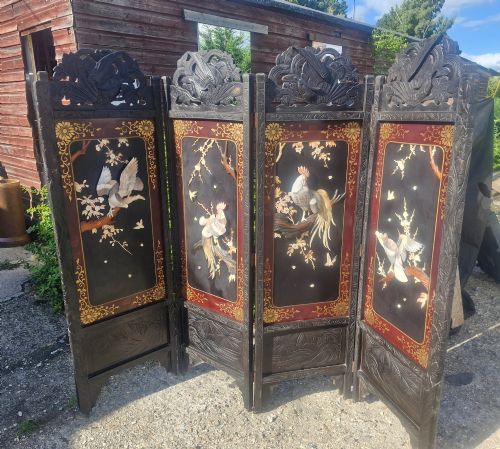
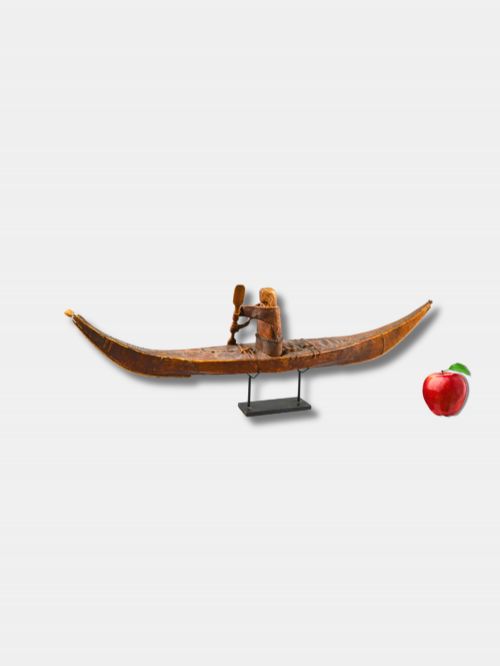
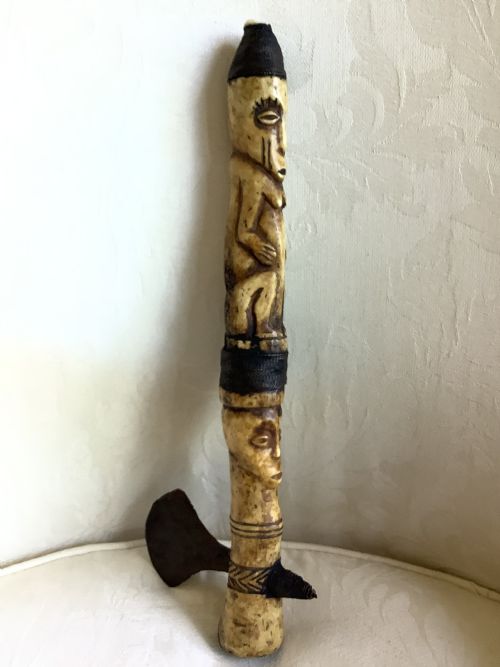
When you search for a carved bone figure, you encounter an eclectic mix of cultural objects spanning several centuries and distinct geographical traditions. The selection ranges from Japanese Meiji okimono and folding screens with bone inlay to Inuit whalebone statues and African tribal ceremonial pieces.
The version you are most likely to meet on this page is a nineteenth-century or early twentieth-century work, often depicting animals such as elephants or hippopotamuses, or human forms including monks, immortals, and shamans. These pieces vary widely in scale, from small pendants and bookends to substantial walking sticks and folding screens.
Geographical origins strongly dictate the form of a carved bone figure, tying each item to specific local materials and cultural practices. You will find examples rooted in Inuit, Japanese, African tribal, and Anglo-Indian colonial traditions, each utilising native fauna and regional artistic conventions.
Materials and methods
Makers utilised available local skeletal materials, working with bone, whalebone, whale vertebrae, caribou bone, and staghorn. These organic mediums were often combined with secondary materials such as wood, ebony, hardwood, metal, tanned seal skin, and lacquer to create complex sculptures.
Craftsmen applied deep carving, incising, and polishing techniques to render fine anatomical details and surface textures. Natural patinas developed over time through handling and age, enhancing the tonal variations inherent in worked bone.
A hippopotamus study shares space with a skeleton, proving that bone carvers possessed both a keen eye for wildlife and a macabre sense of humour.
Distinctions in quality
Quality rests upon the precision of the carving and the natural character of the material utilised. Finer examples display meticulous attention to anatomical proportion and expression, whether rendering a human sage or an animal study.
The preservation of surface patina and the integrity of any associated materials, such as wood mounts or inlay bases, distinguish superior works. Pieces that retain clear cultural iconography and strong sculptural presence command greater attention.
The Carved Bone Figure Glossary
- Okimono
- A Japanese ornamental statue or figurine designed for display on a household altar or in a tokonoma alcove. These pieces often depict immortals, sages, or daily scenes.
- Tupilak
- An avenging monster or shamanic figure from Inuit culture, traditionally carved from bone, antler, or wood. They represent powerful spiritual entities.
- Memento mori
- An artistic or symbolic reminder of the inevitability of death, frequently rendered as a human skull or skeleton. Such items were popular in European and Edwardian contexts.
- Patina
- The surface sheen and colour acquired by organic materials like bone and wood through age and handling. A pleasing patina indicates authentic historical use.
- Whalebone
- Dense skeletal material derived from whales, historically utilised by maritime and Inuit carvers for durable sculptures and implements. It offers a heavy, fibrous texture distinct from terrestrial bone.
Carved Bone Figure: Frequently Asked Questions
What is a carved bone figure?
A carved bone figure is a sculptural object fashioned from skeletal material by artisans across various global traditions. These range from Japanese okimono to Inuit animal statues and colonial ecclesiastical carvings.
They reflect the specific cultural practices, wildlife, and carving techniques of their respective regions and periods of origin.
How do I care for carved bone?
Carved bone requires stable environmental conditions away from direct sunlight, extreme heat, and sudden humidity fluctuations. These measures prevent the organic material from drying out, warping, or cracking.
Dusting gently with a soft, dry cloth is usually sufficient for maintenance, avoiding harsh chemical cleaners or excessive moisture.
How are different periods identified?
Periods are identified through a combination of stylistic conventions, tool marks, material use, and historical documentation. For instance, Japanese Meiji pieces exhibit distinct decorative motifs compared to nineteenth-century Inuit tribal works.
Examining the natural ageing of the bone and any accompanying secondary materials also helps place an item within its historical context.
Were these figures used as toys?
These figures were generally not intended as toys, serving instead religious, ceremonial, decorative, or utilitarian purposes. Examples include shamanic objects, ancestral figures, and ornamental displays.
Items like bookends, walking sticks, and folding screens also combined sculptural bone work with daily domestic utility.