


Antique Textile Cushion
An antique textile cushion brings historical woven fragments and tribal bag faces into modern interiors as usable art.
Antique Textile Cushion
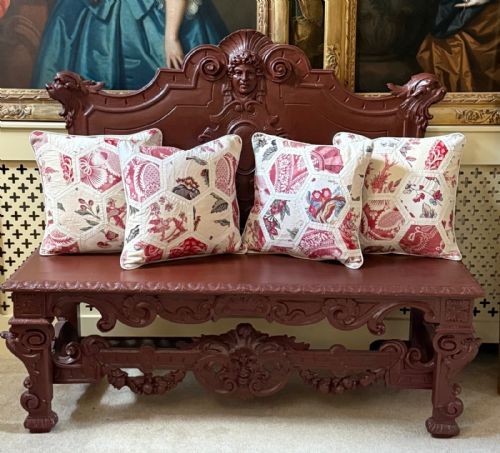
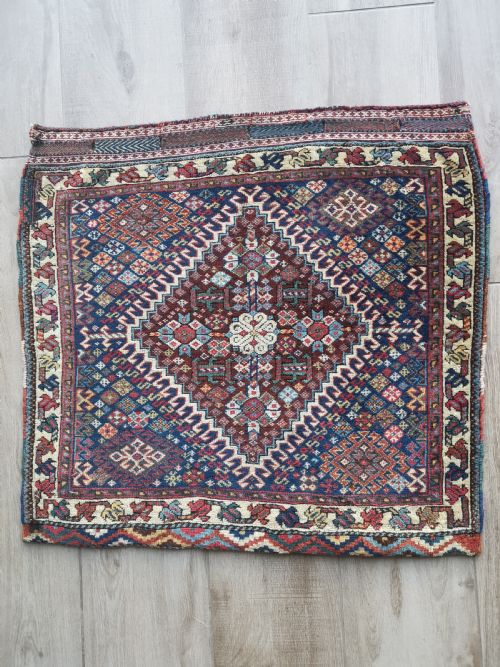
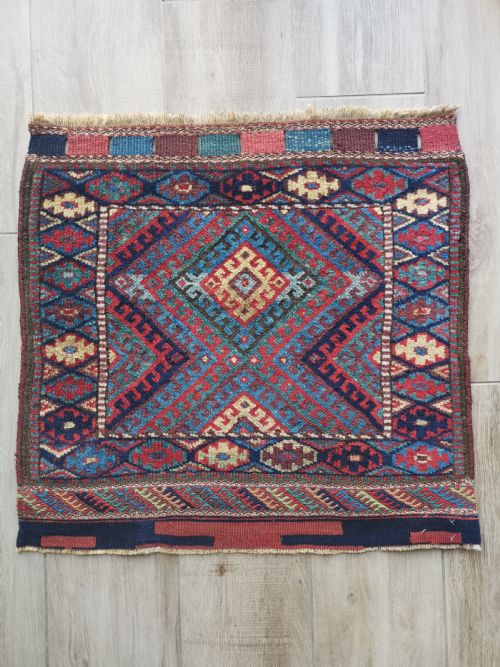
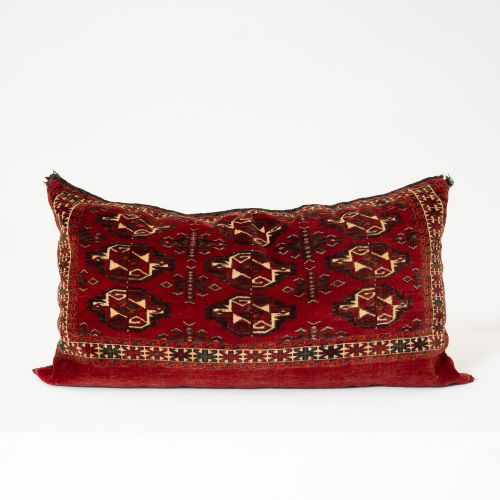
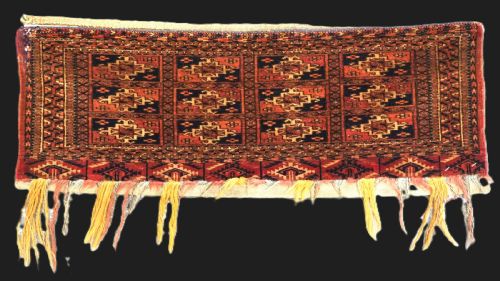
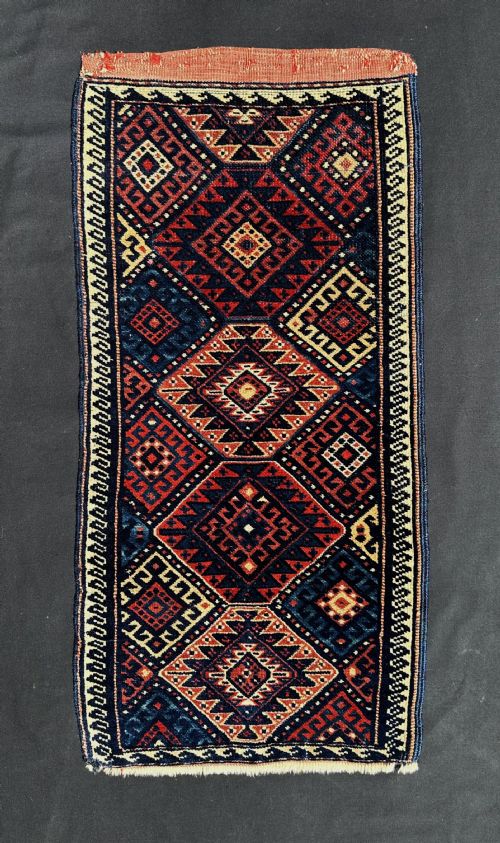
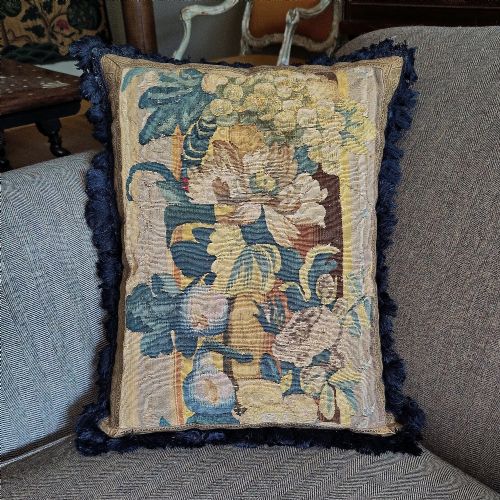
An antique textile cushion repurposes historical fragments, such as Persian tribal bag faces, saddlebags, and European tapestries, into functional home furnishings. The pieces available range from seventeenth-century Flemish tapestry covers to nineteenth-century Turkmen torbas and Edwardian toile designs.
Buyers encounter numerous variations originating from nomadic and village traditions across Persia, Central Asia, and Europe. Many items utilise repurposed grain sacks, storage bags, and fragment panels mounted onto supportive fabric backs with feather inners.
Materials and Construction
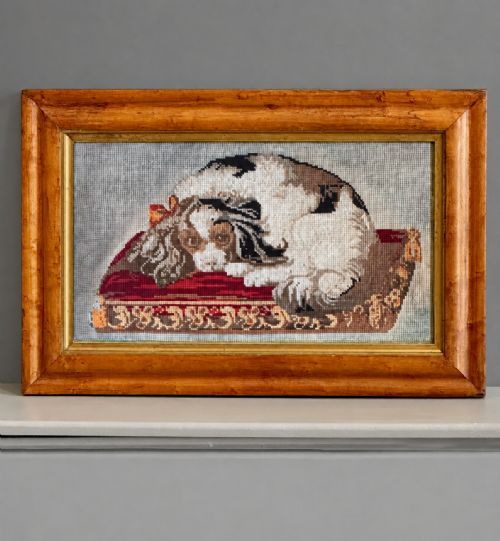
Makers utilised durable natural fibres including hand-spun wool, silk, cotton, and linen, often dyed with natural colourants to achieve lasting depth. Construction methods combine traditional pile weaving, flatweaving, and needlework techniques such as Berlin work and embroidery.
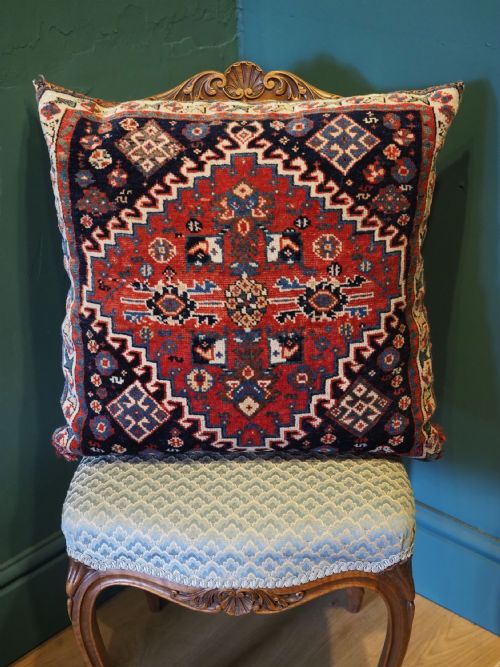
Many examples incorporate historical textile fragments or complete nomadic utility items like torbas, mafrashes, and balisht faces, backed with period linens or wool to form functional cushions.
Listings feature textiles spanning from the seventeenth century through to the early twentieth century, utilising wool, silk, linen, and natural dyes.
Markers of Quality
Quality rests upon the structural integrity of the textile weave, the preservation of original colours, and the authenticity of any added backing materials. Intricacy of design, such as finely knotted tribal guls or detailed tapestry borders, distinguishes finer specimens.
The condition of the pile or flatweave surface, alongside the historical significance of the original fragment, dictates the overall standing of each cushion.
The Antique Textile Cushion Glossary
- Torba
- A small storage bag produced by Turkmen nomads, often featuring characteristic gul motifs and flatwoven or pile surfaces. These are frequently adapted into cushion faces.
- Bagface
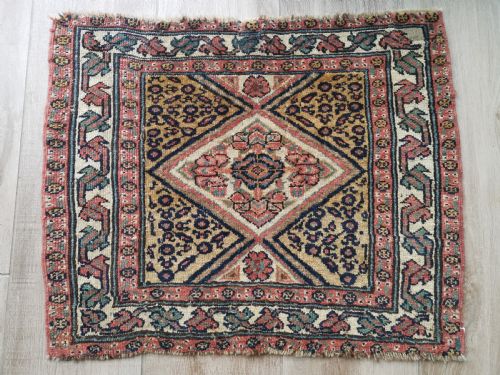
- The decorated front panel of a nomadic storage sack or saddlebag, separated from its original backing and repurposed for display.
- Soumac
- A flatweaving technique producing a durable, wrapped-weft structure with a textured face resembling embroidery on the reverse.
- Tapisserie
- Woven pictorial or decorative textile art from European traditions, often dating to the seventeenth or eighteenth centuries.
- Gul
- A medallion motif repeated across Turkmen and Persian tribal carpets and bags, varying by specific tribe or clan.
Antique Textile Cushion: Frequently Asked Questions
How do I care for an antique textile cushion?
Protect antique textiles from direct sunlight to prevent natural dyes from fading over time. Gentle surface cleaning or professional textile conservation helps preserve the historic fibres.
Rotate the cushions periodically to ensure even wear across the woven surface. Avoid using harsh chemical detergents or submerging fragile historical wools and silks in water.
Are these cushions made from original historical fragments?
Many cushions utilise authentic period fragments, including seventeenth-century Flemish tapestries, eighteenth-century French silks, and nineteenth-century Persian saddlebags. These historic panels are carefully mounted onto supportive period or contemporary backings.
Some pieces preserve complete nomadic bags, such as Turkmen torbas or Baluch salt bags, converted directly into functional home accessories while retaining their original structure.
What is a tribal bag face?
A tribal bag face is the decorative front panel of a utilitarian nomadic container, such as a saddlebag, grain sack, or storage pouch. Nomadic groups across Persia and Central Asia wove these panels with distinctive geometric patterns and animal motifs.
When bags became worn or damaged, weavers or later collectors preserved the decorative face by turning it into a wall hanging or cushion cover.
How do I identify different tribal origins?
Tribal origins are identified through specific structural techniques, wool qualities, and characteristic design motifs like guls, boteh, or geometric borders. Turkmen weaving often displays deep red colourways and repeated octagonal medallions.
Persian tribal groups such as the Qashqai, Baluch, and Shahsavan utilise distinct colour palettes and weaving structures that reflect their specific regional heritage.