



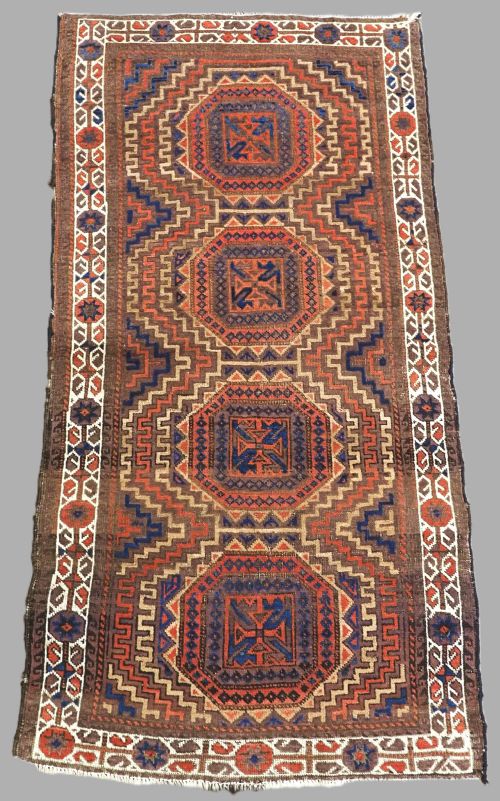
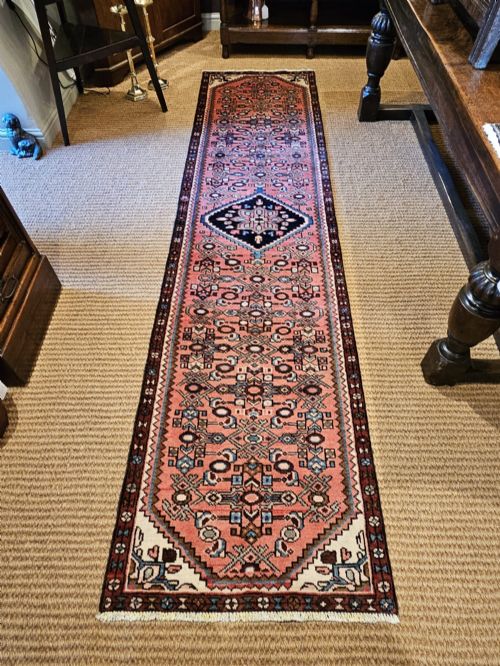
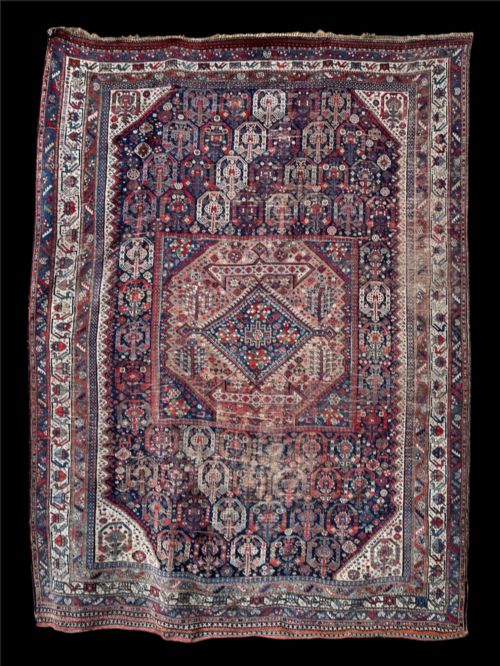
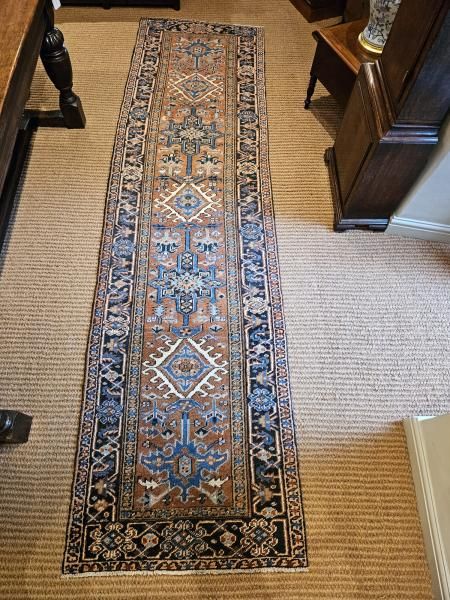
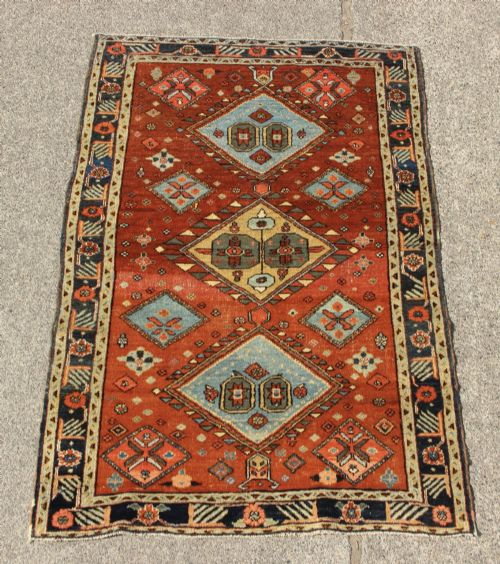
Antique Terracotta Runner
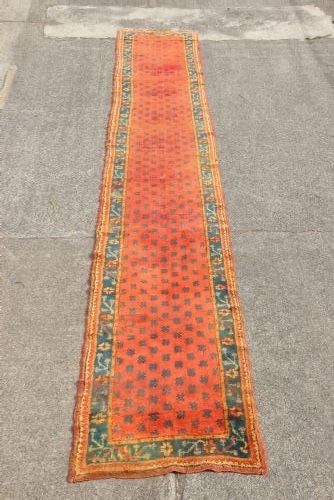
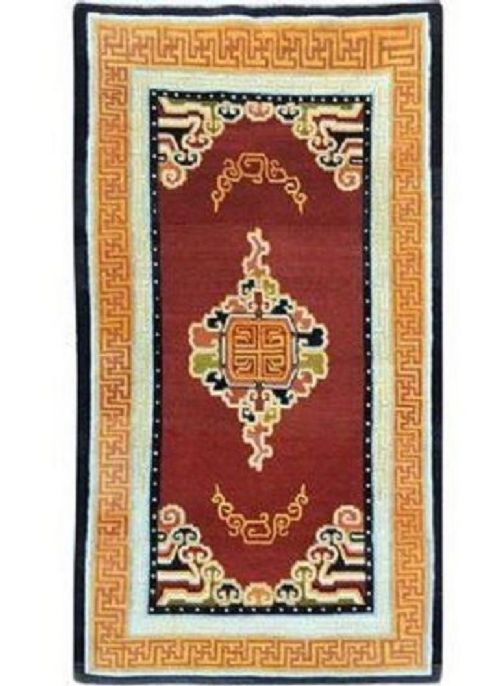
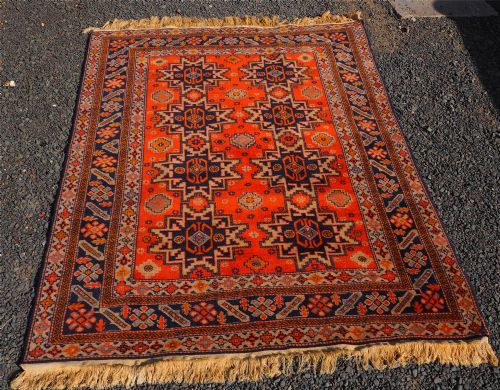
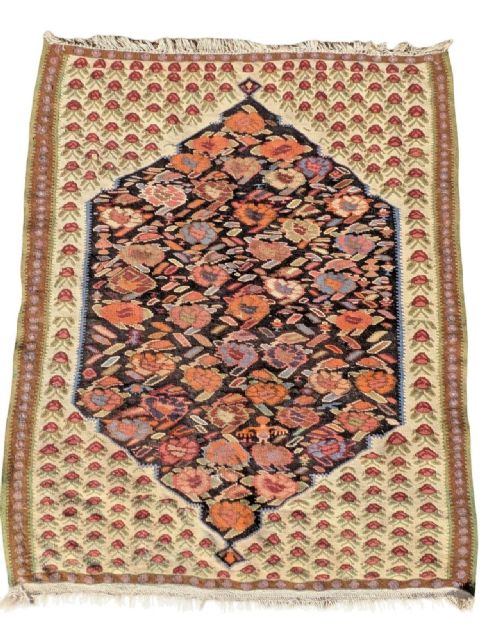
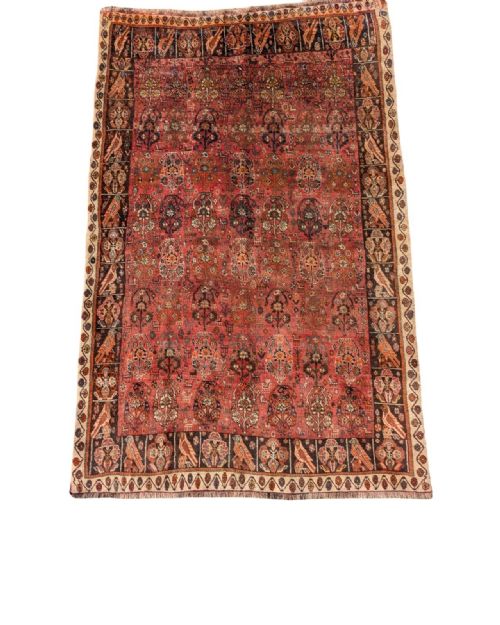
An antique terracotta runner brings warmth and pattern to long corridors through hand-knotted wool and natural dyes.
Antique Terracotta Runner
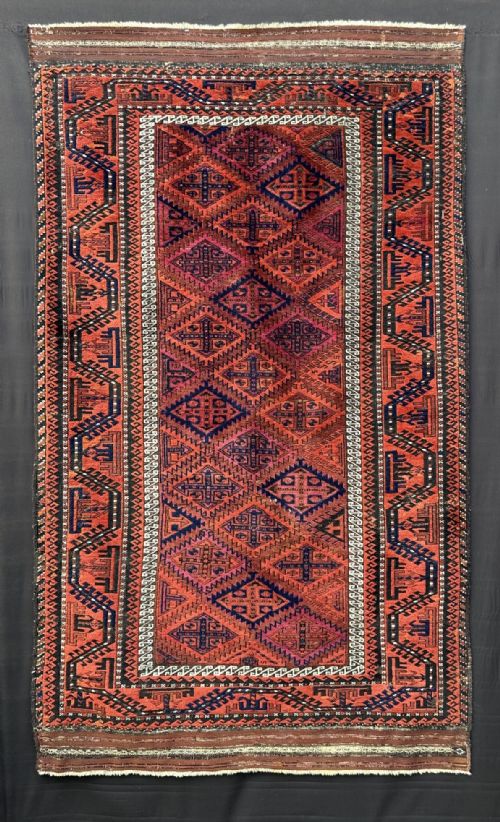
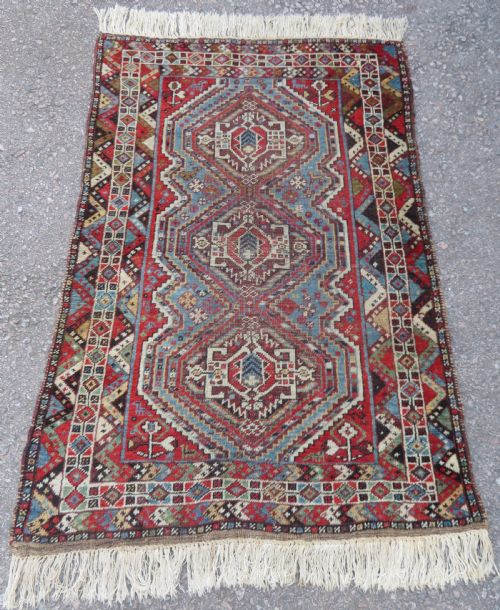
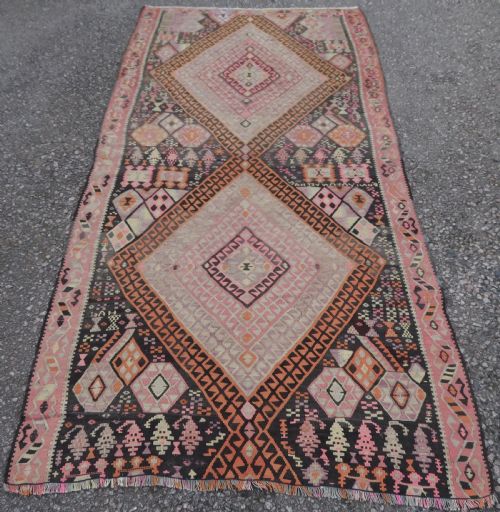
When you search for an antique terracotta runner, you encounter hand-knotted carpets created in village and tribal workshops across Persia, Turkey, and the Caucasus during the nineteenth and early twentieth centuries. These narrow formats served specific architectural roles in traditional homes, often lining hallways or framing larger spaces with geometric and floral compositions.
The selections available span periods from the eighteen-seventies through the nineteen-thirties, showing regional aesthetics such as Kurdish, Heriz, and Oushak designs. You meet pieces shaped by nomadic traditions as well as town workshop production, each carrying the distinct palette of the region.
While the search phrase suggests a terracotta tone, the actual inventory encompasses a broader spectrum of natural wools and dyed shades, reflecting the diverse origins of the runners and long carpets catalogued on this page.
Materials and construction
Makers constructed these runners using hand-spun wool foundations and pile, occasionally incorporating camel hair for natural contrast and durability. These organic materials respond well to decades of foot traffic when properly maintained on suitable underlays.
Weavers utilised natural dyes derived from plants and minerals to achieve deep terracotta, red, and blue tones that mellow gracefully over time. The knotting techniques vary by region, ranging from coarse tribal weaves to finer city workshop execution.
Tribal weavers often inserted intentional minor colour shifts into their borders, believing perfection belongs to the divine alone.
Evaluating quality and execution
The distinction between standard village production and finer examples lies in the precision of the knotting and the complexity of the design layout. Finer wool preparation and tightly packed foundations ensure greater structural resilience across long surfaces.
Colour saturation and the harmonious ageing of natural dyes separate master weavers from basic output. A balanced composition with crisp geometric or floral motifs maintains visual engagement along the entire length of the runner.
The Antique Terracotta Runner Glossary
- Runner
- A long, narrow carpet designed specifically for corridors, staircases, or narrow spaces between furniture. They guide movement through a floor plan.
- Natural Dyes
- Colourants extracted from plants, insects, and minerals before the invention of synthetic aniline dyes. They produce harmonious, complex tones that age with subtle variation.
- Hand-Knotted
- A textile constructed by tying individual tufts of yarn around the warp threads by hand. This traditional method creates a durable pile unique to each piece.
- Boteh
- A stylised almond or paisley motif representing a bush or floral sprout. It appears frequently in traditional Persian and regional weaving traditions.
- Gul
- A medallion-like design element used by tribal groups, particularly Turkmen and Baluch weavers. These repeating octagonal motifs often identify specific tribal origins.
Antique Terracotta Runner: Frequently Asked Questions
Where should I place a long runner?
Runners suit hallways, corridors, and narrow entryways where foot traffic benefits from a durable floor covering. They also function well alongside beds or in galley kitchens.
Ensure you measure the available floor space carefully, allowing adequate clearance for doors to swing open freely over the pile height.
How do I clean an antique wool rug?
Regular gentle vacuuming without a rotating brush roll removes surface dust and grit from the wool pile. Professional specialist cleaning is recommended for deeper maintenance.
Avoid harsh chemical detergents or excessive moisture, which can damage natural dyes and weaken the foundational cotton or wool warps.
What underlay should I use?
A breathable rug underlay prevents slipping on hard floors and protects the antique wool foundation from friction damage. It also adds a slight cushion underfoot.
Choose a natural rubber or felt pad cut slightly smaller than the perimeter of the runner so the edges lie flat.
How do natural dyes age?
Natural dyes mellow softly over decades of exposure to light and air, developing a characteristic patina known as abrash. This subtle tonal variation adds depth to the terracotta and red fields.
Protecting the textile from direct, harsh sunlight prevents uneven fading while allowing the organic colours to age gracefully.