

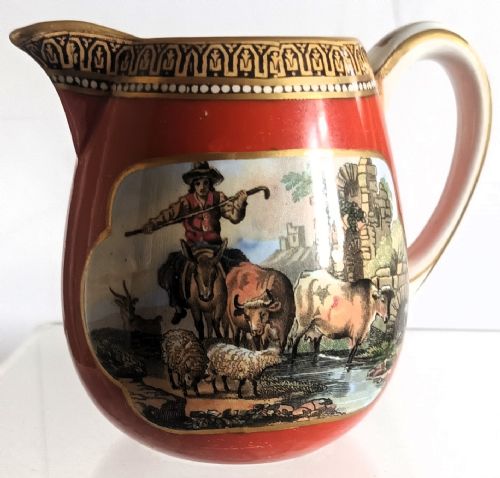
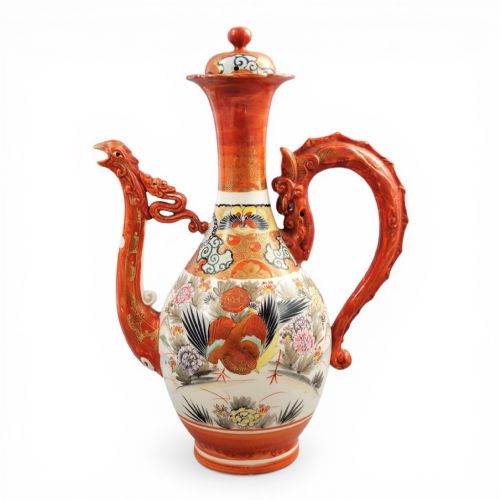


Antique Terracotta Pitcher
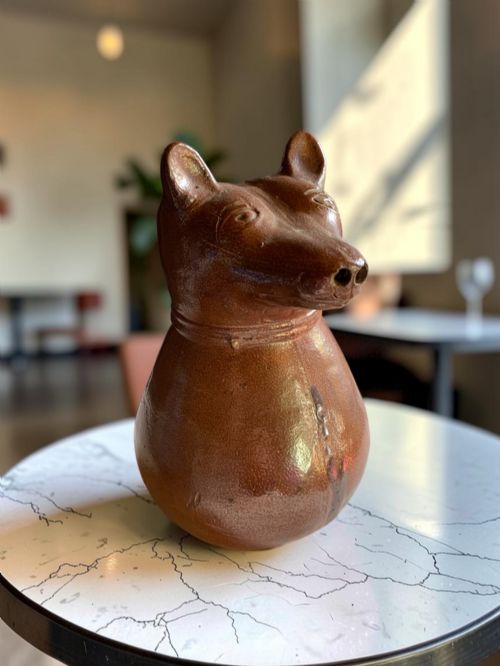
An antique terracotta pitcher brings earthy warmth and tactile history into a room, offering functional pottery shaped by centuries of traditional craft.
Antique Terracotta Pitcher
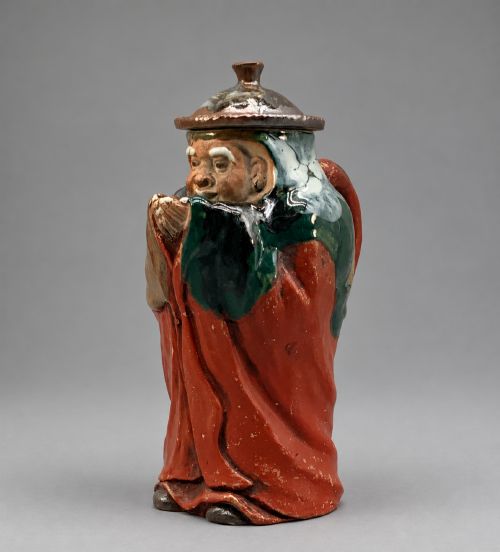
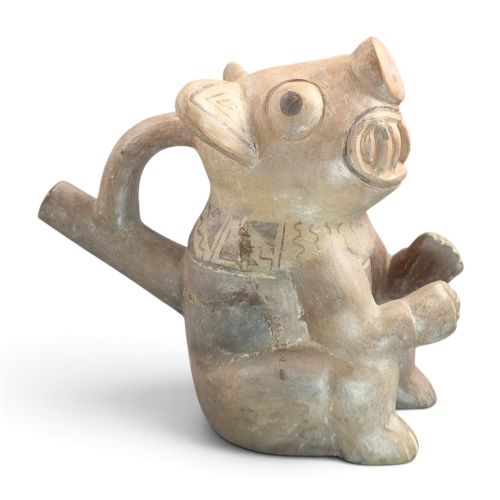
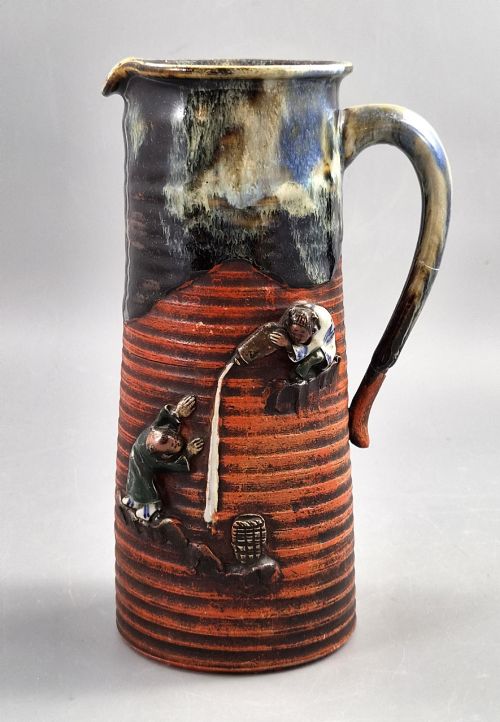
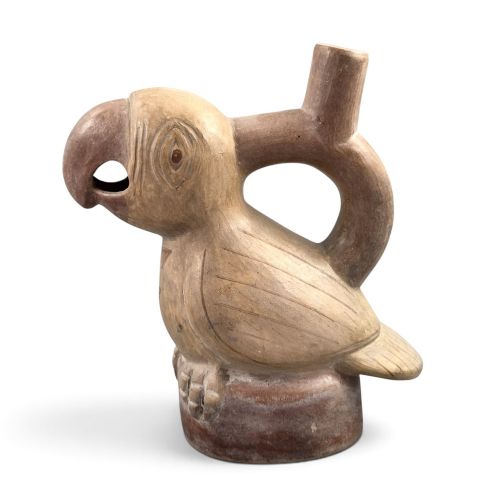
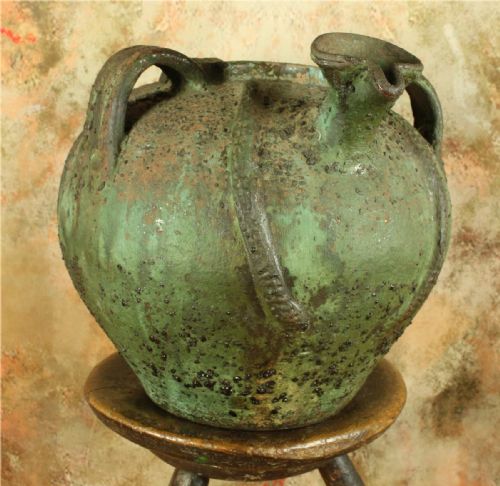
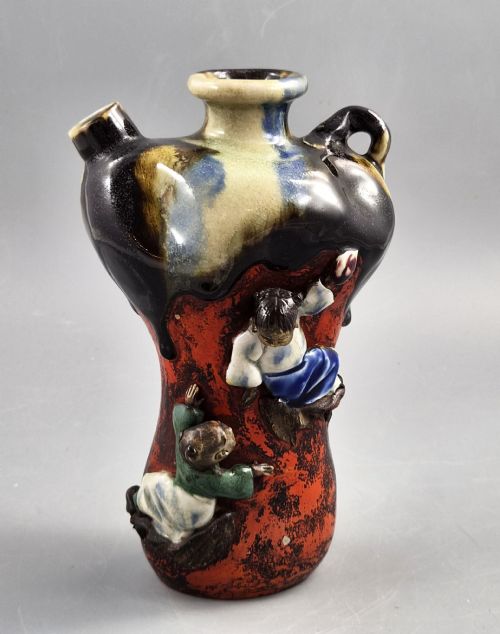
When you search for an antique terracotta pitcher, you encounter diverse forms ranging from French walnut oil jars to English tavern vessels and Japanese Sumida Gawa pieces. These items span periods from the seventeenth century through the Victorian era, alongside ancient pre-Columbian artefacts.
The selections on this page most frequently showcase nineteenth-century European utilitarian vessels and decorative items alongside earlier slipware jugs. Buyers discover both rustic French country containers and ornate Victorian or Aesthetic movement examples.
Regional origins shape these objects significantly, distinguishing European earthenware utilities from Asian ceramic ewers and prehistoric vessels. Each piece reflects the utilitarian or decorative demands of its specific period and geographic origin.
Materials and construction methods
Potters shaped these vessels using earthenware and terracotta bodies, frequently applying lead glazes or enamel finishes to seal the porous clay. Stoneware and porcelain also appear among the broader ceramic offerings recorded in the listings.
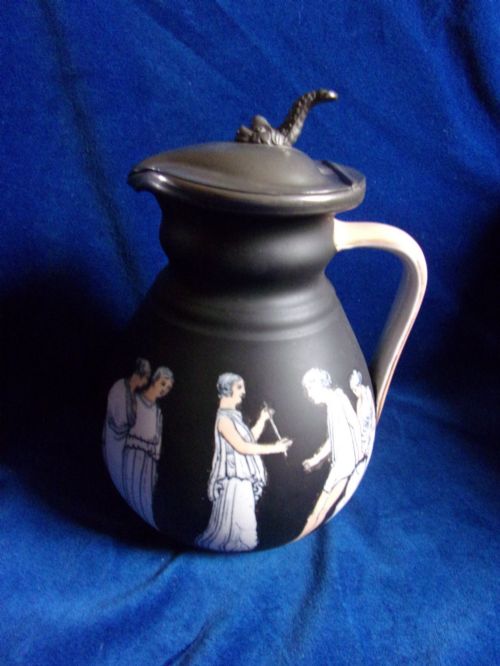
Surface decoration ranges from simple slipware trails to raised gilt details and figural attachments. Pewter lids, metal mounts, and hand-painted scenes complete the construction of the more elaborate jugs and ewers.
Antique Terracotta Pitcher Retail Price Guide 2026
Typical asking prices for terracotta pitcher among the pieces listed under this phrase on Sellingantiques today, from the lower quarter to the upper quarter. They describe what is for sale here now, not the wider market.
Listings feature items spanning the seventeenth through the nineteenth centuries, incorporating earthenware, terracotta, stoneware, and ceramic materials.
Evaluating craftsmanship and condition
Quality reveals itself in the balance of the vessel, the handling of the clay body, and the execution of the glaze or enamel work. Superior pieces display deliberate control by the potter, whether in a rustic seventeenth-century slipware surface or a finely modelled nineteenth-century figure.
The integrity of the material and the survival of original components, such as pewter lids or delicate spouts, distinguish finer examples. The clarity of decorative motifs and the stability of the terracotta structure further determine the standing of each piece.
Frederic Goldscheider·Inoue Ryosai·Royal Crown Derby·Doulton
The Antique Terracotta Pitcher Glossary
- Terracotta
- A porous, brownish-red fired earthenware clay used for utilitarian vessels, garden ornaments, and sculptural pieces. It is typically left unglazed or treated with a simple lead glaze.
- Slipware
- Pottery decorated with slip, which is a liquid mixture of clay and water applied to the unfired body before glazing and firing. This technique creates contrasting linear or marbled patterns.
- Ewer
- A large pitcher or jug with a wide spout and handle, traditionally used for holding water or wine at the table. Many antique examples served decorative rather than functional purposes.
- Lead glaze
- A glossy coating containing lead oxide applied to earthenware to render it waterproof and enhance surface colour. It produces a characteristic warm, transparent sheen over the underlying clay.
- Sumida Gawa
- Japanese pottery characterised by thick, colourful glazes and distinct applied figural scenes modelled in high relief. This style gained popularity during the Meiji and Taisho periods.
Antique Terracotta Pitcher: Frequently Asked Questions
How do I care for an antique terracotta pitcher?
Display your pitcher away from areas of high moisture and direct sunlight to protect the porous clay body and any historic surface glazes. Dust the vessel gently with a dry cloth and avoid submerging unglazed terracotta in water.
Because many older pieces have micro-fissures or historic repairs, use them strictly for dry display rather than holding liquids. Handling the vessel with clean hands prevents natural oils from seeping into the unsealed earthenware.
Were these pitchers used for daily dining?
Many of the utilitarian jugs and oil pots served active roles in domestic storage and serving across European farmhouses and taverns. Heavy earthenware held liquids like wine, ale, and oil before the widespread adoption of glass bottles.
Other more ornate pieces, such as decorative ewers or figural Japanese vessels, were created primarily for display in parlours and drawing rooms. Examining the interior wear and glaze coverage often reveals whether a specific piece saw daily practical use.
What is the difference between terracotta and stoneware?
Terracotta is a porous, low-fired earthenware made from iron-rich clay, resulting in a characteristic reddish-brown colour. It requires a glaze to hold liquids securely and absorbs moisture if left entirely unprotected.
Stoneware is fired at a significantly higher temperature until the clay vitrifies, becoming dense, non-porous, and impervious to water without any glaze. This makes stoneware inherently harder and more durable than standard terracotta.
How can I tell the age of a slipware jug?
Seventeenth-century slipware jugs exhibit hand-thrown irregularities, deep iron-rich body tones, and characteristic trailing slip patterns typical of early English and Dutch workshops. The weight, handling of the base, and wear patterns around the rim provide physical clues to their early origins.
Later revival pieces or nineteenth-century interpretations often feature cleaner potting techniques, harder clay bodies, and standardised manufacturing marks. Comparing the stylistic conventions of the decoration against documented historical periods confirms the dating.