



Antique Terracotta Bust
When you handle an antique terracotta bust, you hold sculpted earth finished with pigment, paint, or glaze, captured across centuries of portraiture.

Antique Terracotta Bust
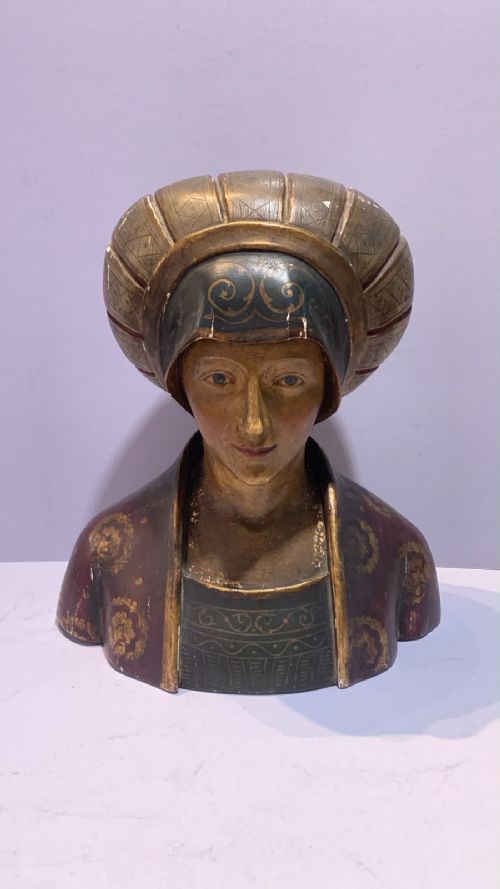
An antique terracotta bust represents sculpted human and animal forms shaped from clay, ranging from classical figures to portrait subjects. Buyers searching for an antique terracotta bust will encounter pieces drawing on Neoclassical, Art Nouveau, and Art Deco traditions.
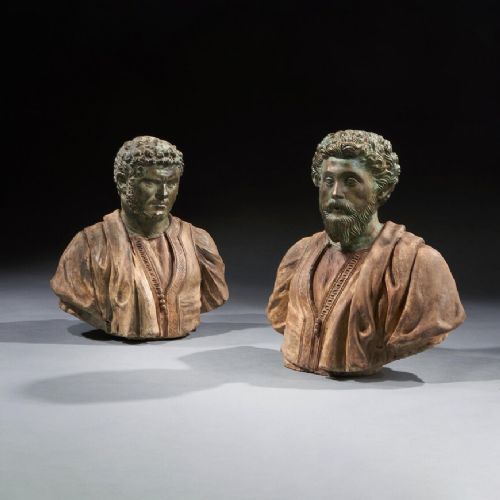
The selections span nineteenth-century Grand Tour subjects, historical figures like Caesars, and early twentieth-century decorative works. Many items capture specific regional styles, including French, Italian, and Austrian portraiture.
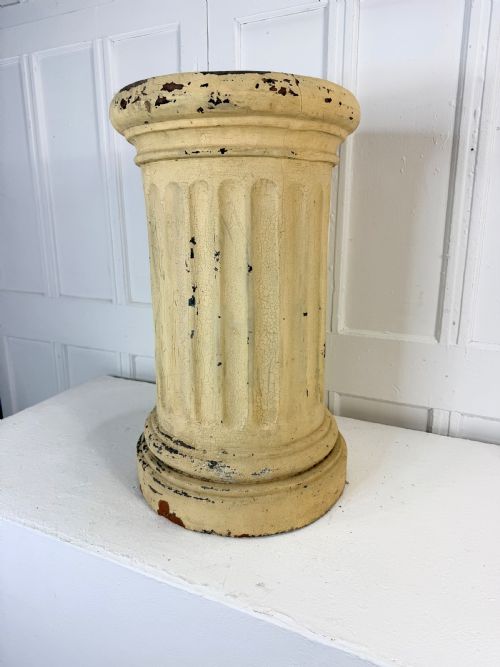
Formats vary from life-sized sculptures to smaller cabinet pieces, occasionally paired with pedestals or columns. The evidence also records related items such as tomb figures and architectural elements.
How They Were Made
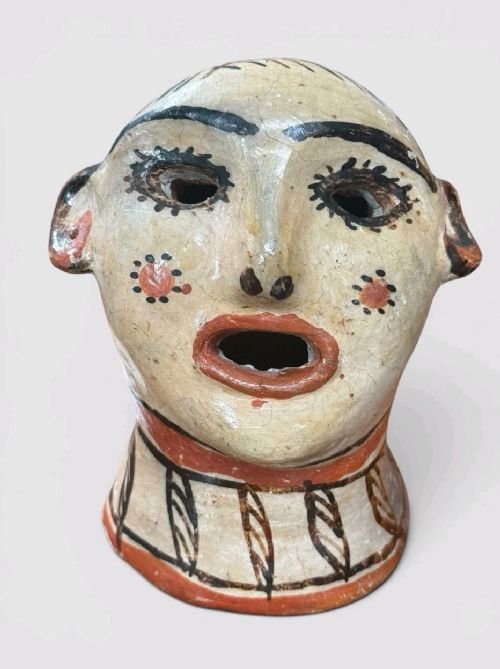
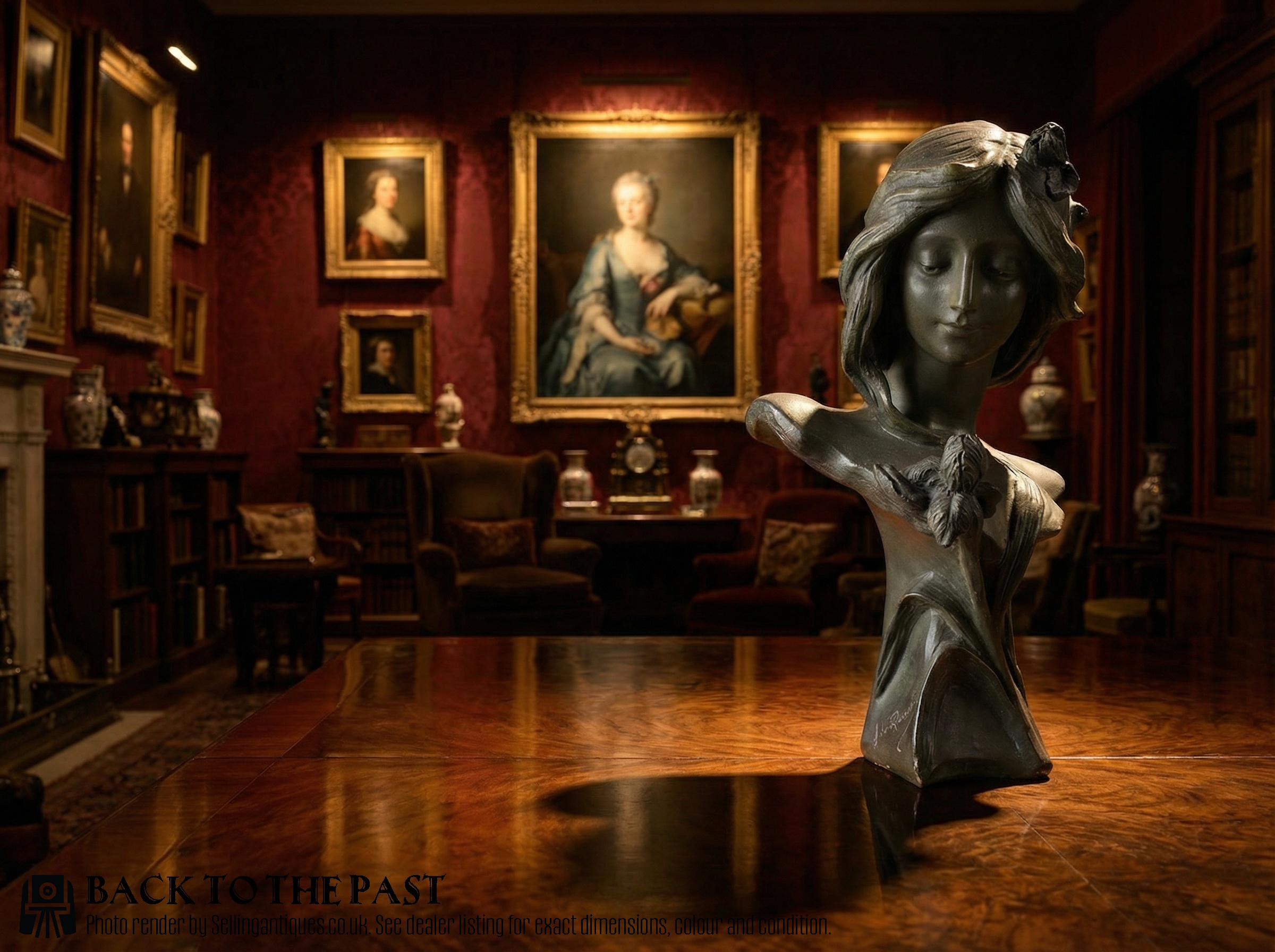
Makers shaped these pieces from clay and earthenware, frequently firing the material before applying surface treatments. Pigment, paint, and glaze added colour and detail to the fired earth, while select pieces utilised bronzed finishes.
Certain works incorporated secondary materials such as wood, plaster, marble, or glass paste and glass eyes. Artisans modelled these sculptures by hand or cast them in moulds, signing or marking the finished pieces with foundry stamps and inscriptions.
One nineteenth-century gentleman sculpture patiently holds a basket, proving that even historical figures occasionally doubled as practical household storage.
What Varies In Quality
Quality rests upon the crispness of the modelling and the sensitivity of the portraiture, distinguishing workshop output from master works. Sculptures after the antique or after known artists depend heavily on the precision of the cast and the depth of the carving.
The preservation of original surface finishes, such as polychrome pigment, painted details, and glazes, determines the integrity of the piece. Artisans who managed the firing process without distortion achieved finer details in facial expressions and drapery.
Gilbert Privat·Antonio Rossellino·Ernst Whaliss·Georges Morin·Pietro Calvi·Bohumil Rezl·HL Blasche·Reps and Trinte·A Gory·Goldscheider·Friedrich Goldscheider
The Antique Terracotta Bust Glossary
- Terracotta
- Fired unglazed clay of a brownish-red colour, used extensively for sculpture and architectural ornaments. It hardens during kiln firing to retain fine sculptural detail.
- Mingqi
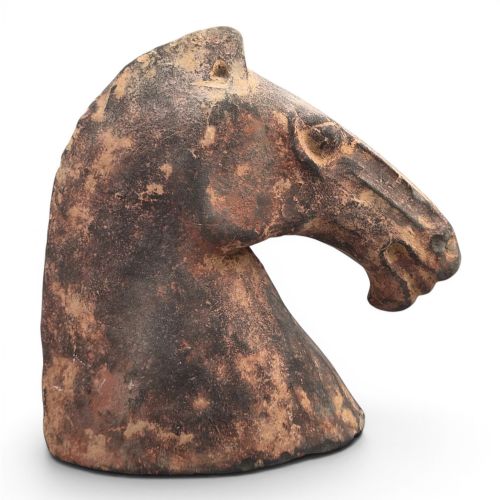
- Chinese burial pottery and figures placed in tombs to accompany the dead, including terracotta horse heads. These items date back to ancient dynasties.
- Grand Tour
- A cultural tour of Europe undertaken by wealthy young men in the eighteenth and nineteenth centuries. Souvenirs included miniature busts and classical sculptures.
- Polychrome
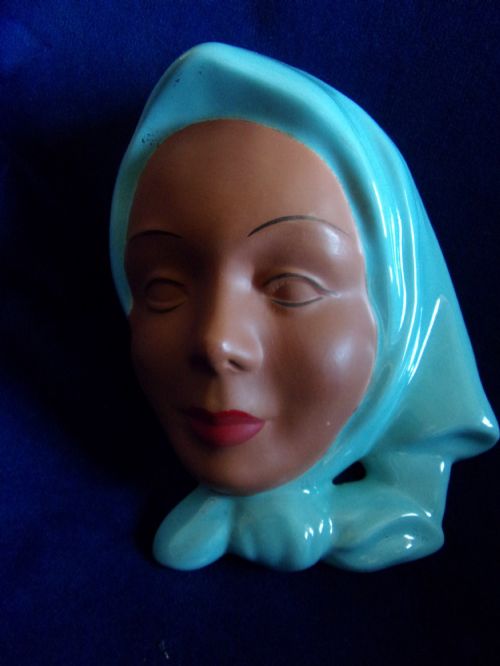
- Decorated in a variety of colours, often applied as paint or pigment over a fired clay base. This technique enhances the realism of portrait busts.
- Neoclassical
- A style revived in the eighteenth and nineteenth centuries inspired by classical Greece and Rome. It prioritises clean lines, classical drapery, and heroic subjects.
Antique Terracotta Bust: Frequently Asked Questions
How do I clean an antique terracotta bust?
Dust the surface gently with a soft, dry brush to prevent dirt accumulation within the textured clay. Avoid water or liquid cleaners, as moisture penetrates porous earthenware and damages applied pigments or paints.
Keep the sculpture away from direct sunlight and damp environments to protect the structural integrity of the fired clay and any secondary materials like wood or plaster.
Were these busts meant for indoor display?
Most pieces served as interior decorative art for studies, libraries, and drawing rooms during the nineteenth and twentieth centuries. Their composition makes them unsuited for outdoor garden exposure.
Larger life-sized examples often stood on dedicated columns or pedestals to elevate the portrait within a domestic interior space.
How can I tell if a bust is genuinely nineteenth century?
Examine the base and interior for tool marks, firing cracks, and the physical characteristics of aged earthenware. Signatures, foundry marks, or inscriptions often link specific pieces to known makers and periods.
Compare the surface wear, patination, and pigment adherence with documented examples from the same stylistic movement, such as Art Nouveau or Neoclassical.
What is the difference between terracotta and plaster busts?
Terracotta consists of fired clay that undergoes chemical hardening in a kiln, resulting in a durable, reddish-brown ceramic material. Plaster is a softer gypsum-based compound poured into moulds and allowed to set at room temperature.
Plaster pieces frequently feature painted or bronzed surface coatings to mimic heavier metals or stone, whereas terracotta displays the natural clay body beneath any added pigment.