





Antique Tea Urn on Stand
An antique tea urn on stand is a sophisticated vessel designed to heat and dispense water, bringing period elegance to any interior.
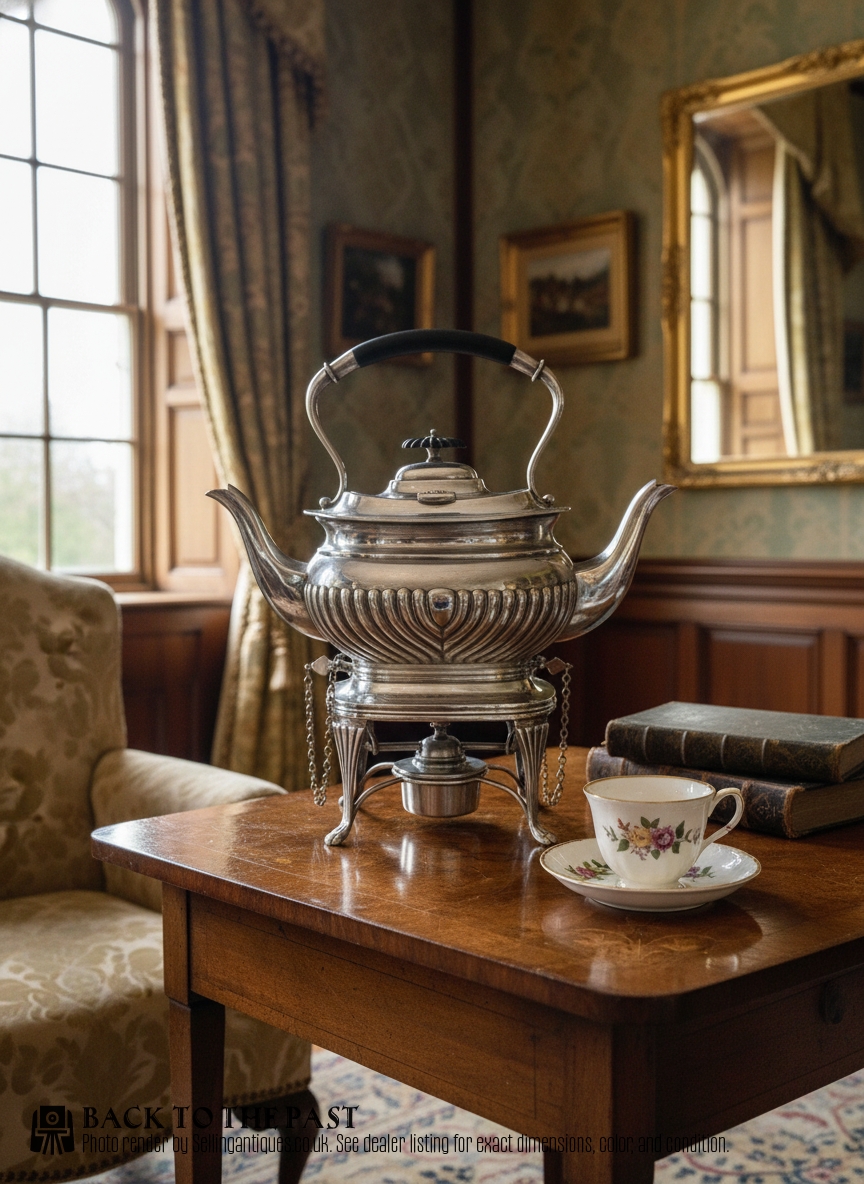
Antique Tea Urn on Stand
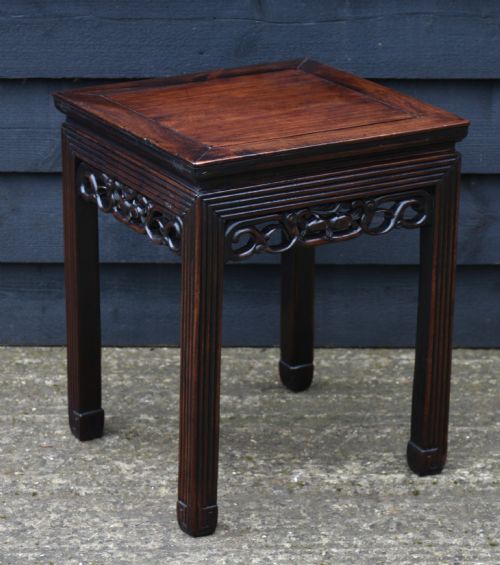
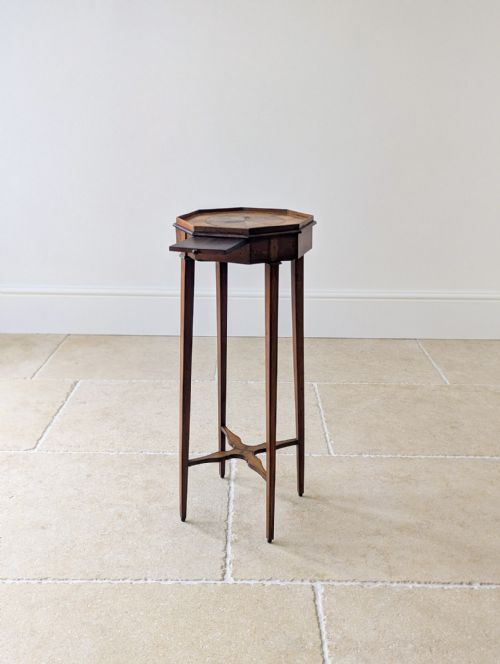
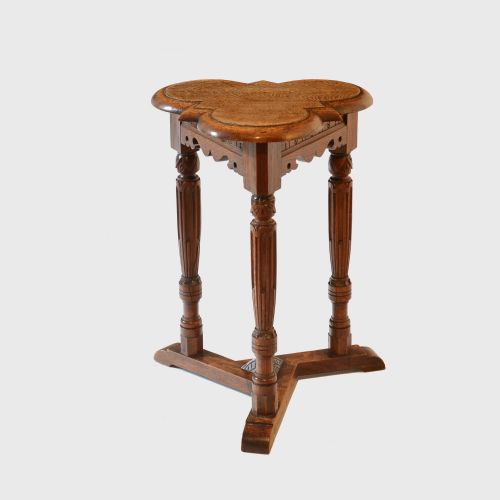
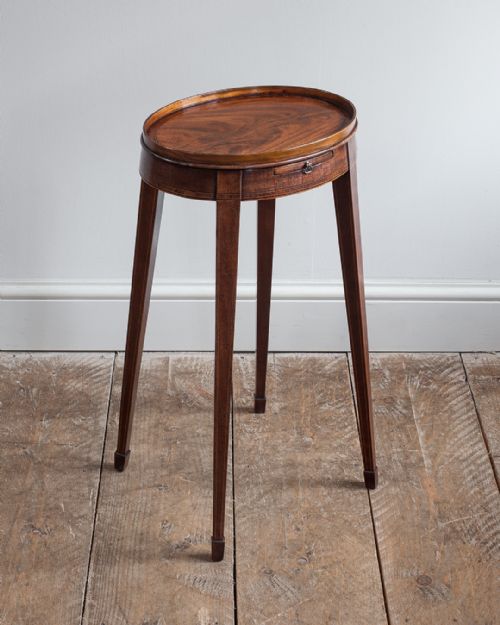
When you search for an antique tea urn on stand, you are looking at tall, raised vessels and dedicated low tables designed specifically to hold heated water or teaware for formal hospitality. These pieces trace back through the Georgian, Victorian, and Edwardian eras, encompassing both the actual metallic water containers with spirit burners and the mahogany or satinwood stands made to support them.
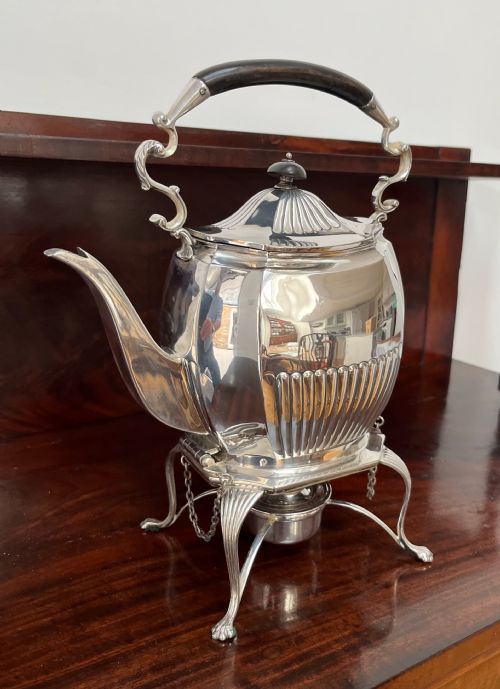
The materials and styles span from eighteenth-century Georgian mahogany tables with carved details to late nineteenth-century copper and brass spirit kettles by makers like William Soutter and Sons. Alongside these, you find silver-plated variants from the Edwardian period and Chinese hardwood low tables, showing how global tastes influenced domestic tea service furniture.
How they were made
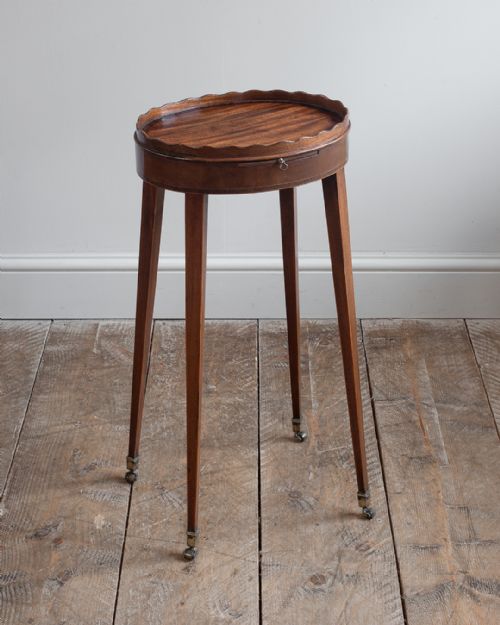
Cabinetmakers constructed the wooden stands primarily using solid mahogany, satinwood, and oak, frequently employing boxwood and ebony stringing for inlay. Tables often feature intricate marquetry, subtle carving along the edges, and slender legs designed to support the concentrated weight of a water-filled urn.
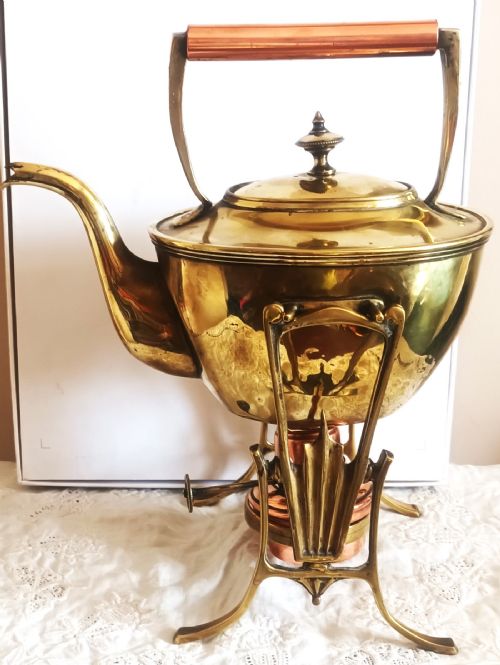
Metal vessels and their stands rely on beaten and polished copper, brass, and silver plate, shaped to withstand the heat of integrated spirit burners. These metals were often combined with wooden handles or turned insulators to protect the user's hands from boiling water.
Several spirit kettles include their tiny original burners, ready for an eighteenth-century tea party that is only a couple of centuries late.
What varies in quality
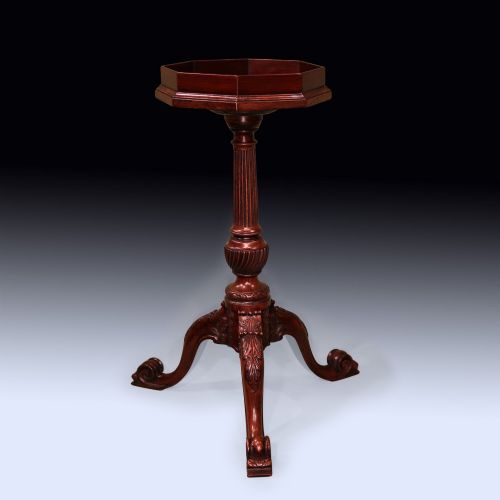
The refinement of the timber and the crispness of the carving separate the ordinary from the exceptional among wooden stands. Pieces featuring figured mahogany, detailed marquetry inlay, and well-proportioned octagonal or oval tops represent superior cabinetwork.
Among metal vessels, quality lies in the weight of the copper or brass, the integrity of the silver plating, and the completeness of the original spirit burner mechanisms. Maker attribution also elevates certain pieces, particularly those bearing the marks of established metalworkers.
William Soutter and Sons·Paul Storr
The Antique Tea Urn on Stand Glossary
- Spirit kettle
- A metal vessel for heating water, mounted on a metal stand above a small fuel burner. These allowed tea to remain hot throughout a drawing room gathering.
- Urn stand
- A small, tall table specifically proportioned to hold a heavy tea urn or kettle safely. They often feature pull-out slides for cups.
- Marquetry
- Decorative inlay work using various coloured woods to create intricate patterns on tabletops. It is frequently seen on Edwardian examples.
- Stringing
- A narrow line of contrasting wood inlaid into the surface of furniture. Cabinetmakers used boxwood or ebony to outline table borders.
- Spirit burner
- The small fuel container housed beneath a kettle to maintain water temperature. Complete sets retain this original heating element.
Antique Tea Urn on Stand: Frequently Asked Questions
What is the difference between a kettle stand and a tea table?
A kettle stand is typically smaller, taller, and more compact, designed solely to support a heavy water vessel rather than host a full tea service.
Many stands incorporate a pull-out slide to catch drips or hold a single cup, distinguishing them from general occasional tables.
How do I use a spirit kettle in a modern home?
Spirit kettles serve as striking decorative centrepieces on side tables or within period dining settings, adding historical warmth to a room.
While the original burners can sometimes still hold fuel, modern owners generally display the kettle and stand unlit as sculptural metalwork.
How can I tell a Georgian stand from an Edwardian copy?
Georgian stands rely on structural timber quality, classical proportions, and traditional hand-carved mahogany details such as piecrust or fretted edges.
Edwardian interpretations often incorporate satinwood veneer, lighter machine-cut stringing, and marquetry floral motifs typical of the early twentieth-century revival styles.
Why do some metal kettles have wooden handles?
Wooden handles made from materials like ebony acted as thermal insulators, preventing the heat from the boiling water from transferring to the user's grip.
Cabinetmakers and metalworkers selected dense, dark woods that contrasted pleasingly with the polished brass, copper, or silver plate of the body.