
Antique Tea Trolley
An antique tea trolley brings movable hospitality from the past into a modern room with timber tiers and metal wheels.
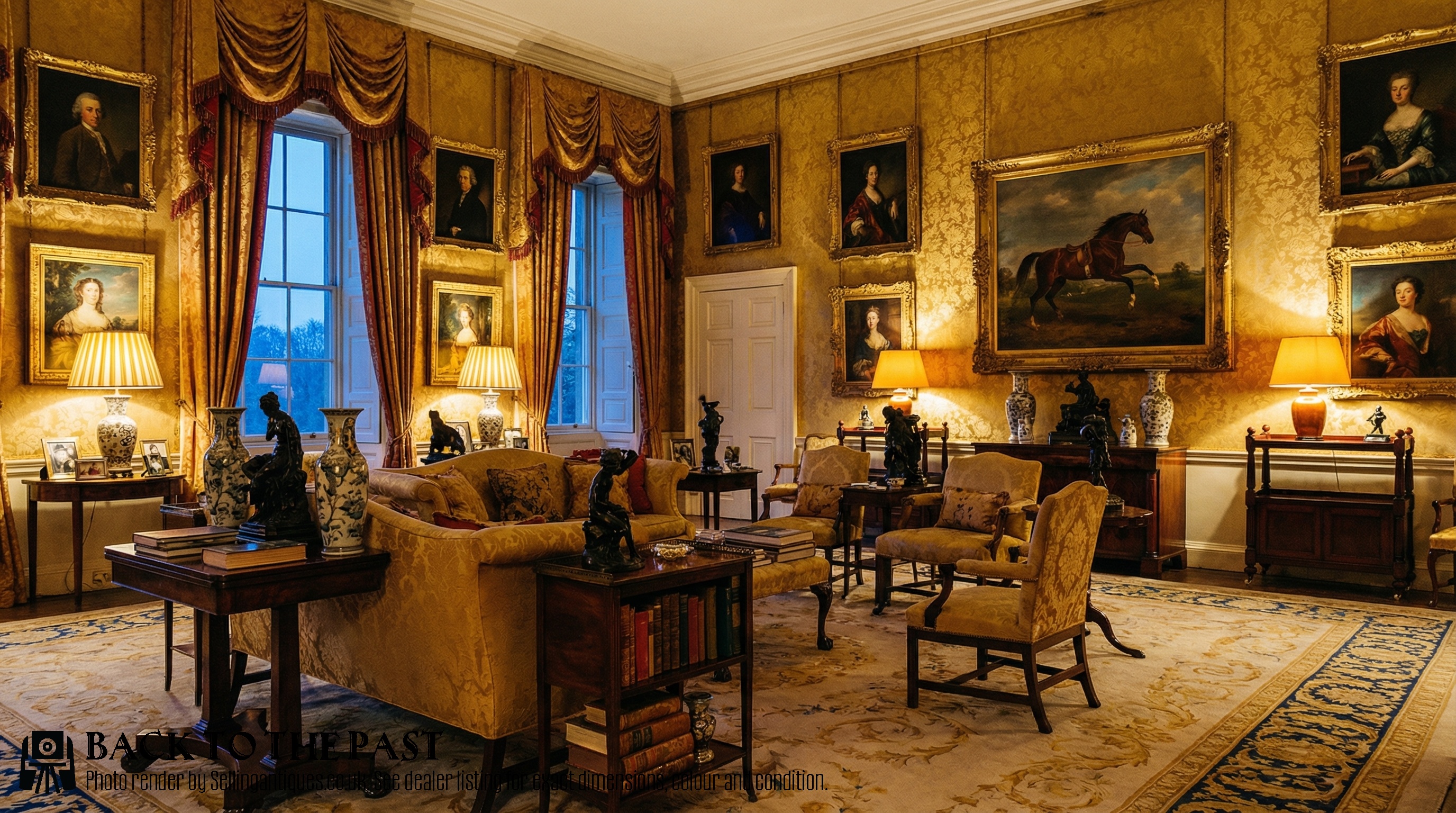
The Form and Period of the Pieces
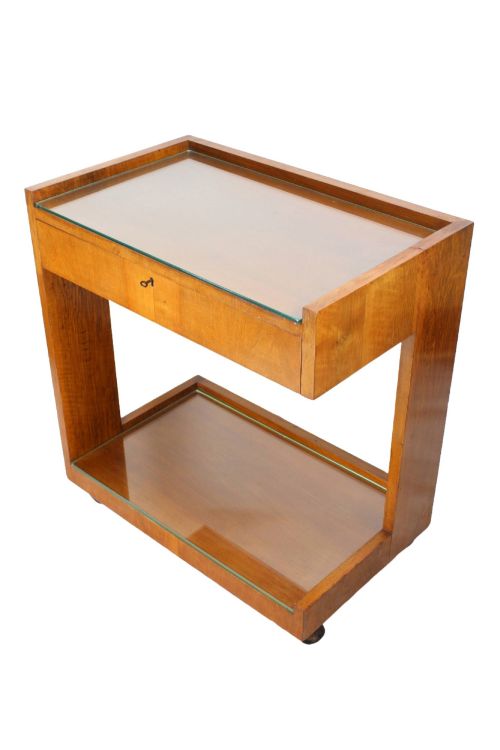
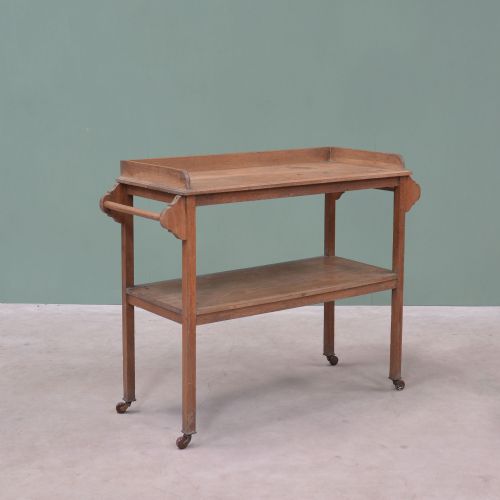
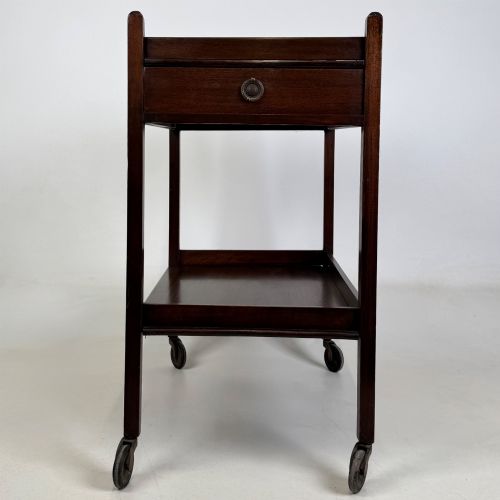
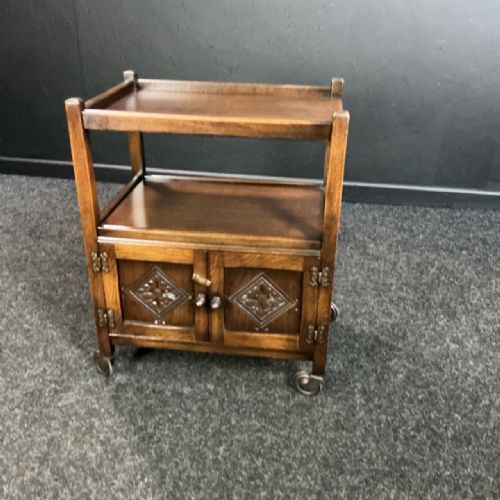
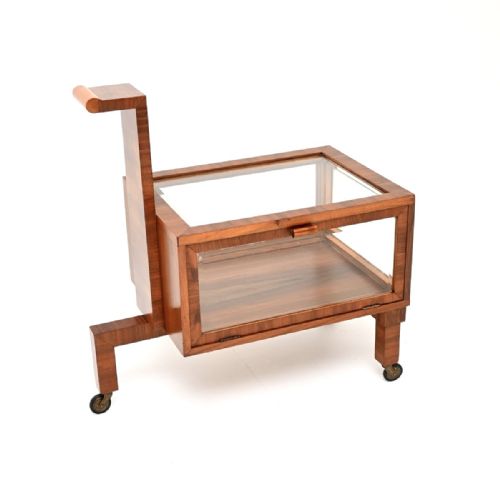
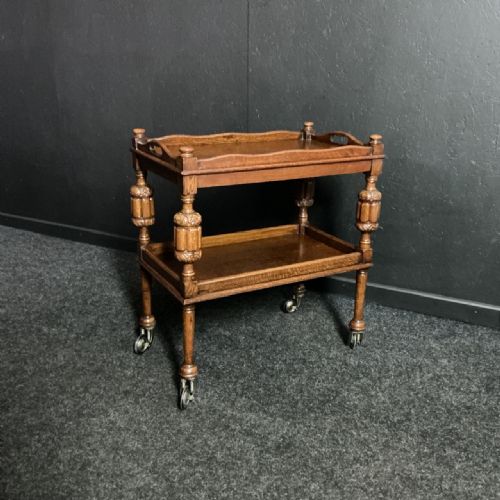
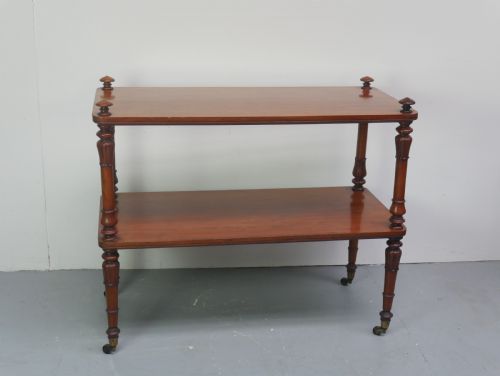
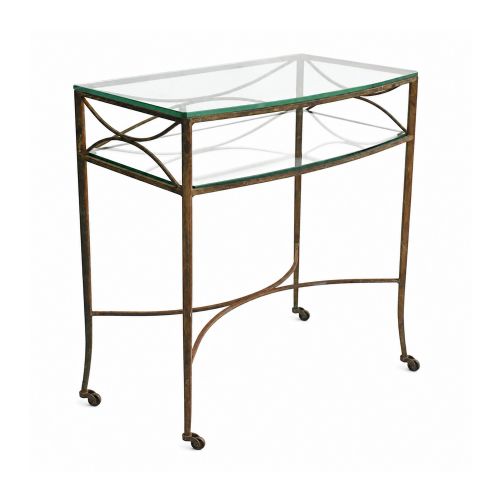
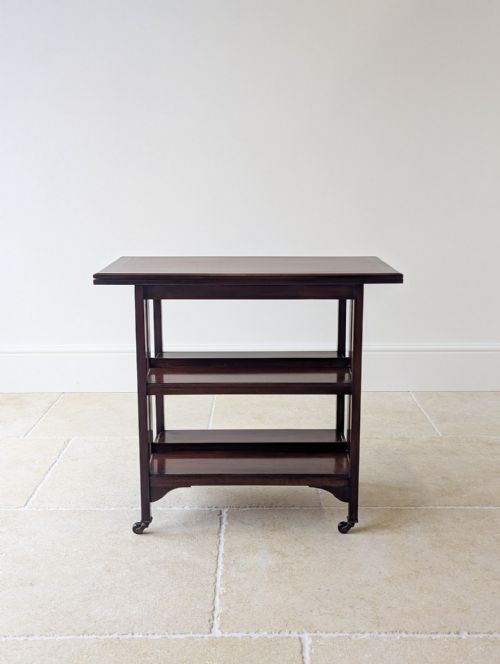
When you search for an antique tea trolley, you look for a wheeled serving piece designed to transport cups, pots, and decanters. The pieces here span the Victorian era, the Edwardian period, and the 1930s, alongside earlier Georgian and 19th-century examples. You will frequently meet Edwardian tiered styles and later models functioning as drinks carts and serving buffets.
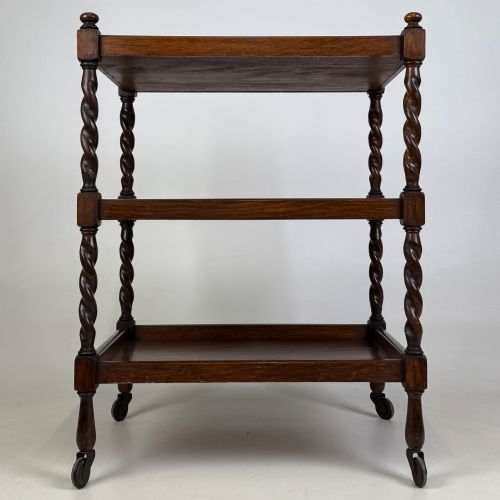
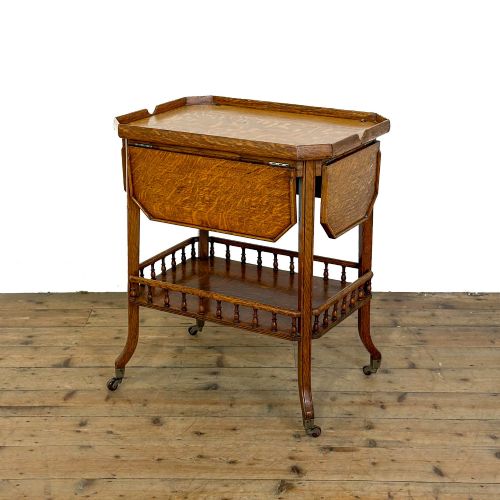
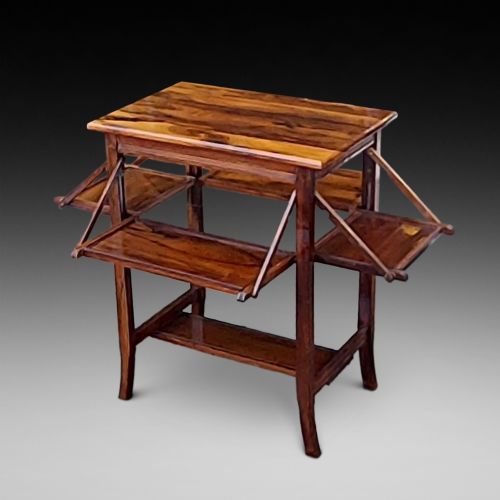
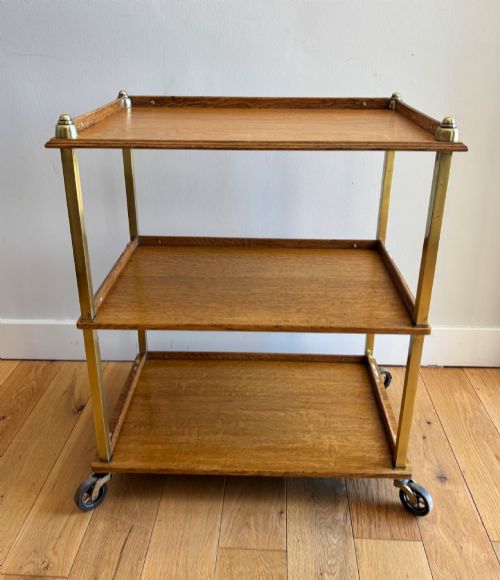
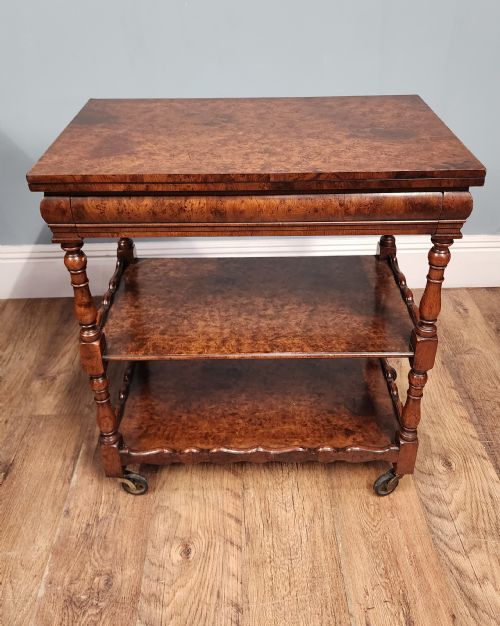
Forms range from simple two-tier drop-leaf tables to elaborate three-tier shelving units, etageres, and dumb waiters. Some pieces include cabinets or function as metamorphic butlers' stands and garden carts. Oak, mahogany, and teak dominate the structural framework of these items.
Materials and Construction
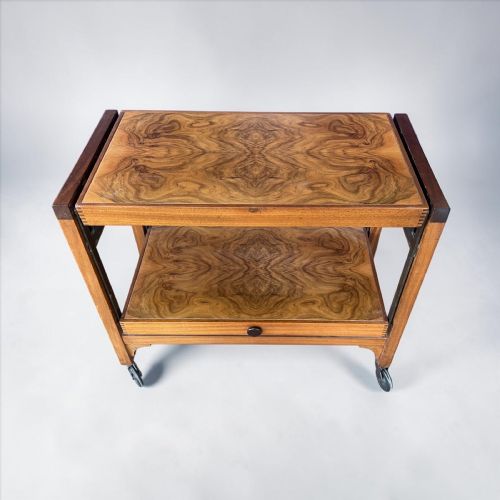
Makers constructed these trolleys from solid timbers including oak, mahogany, teak, and walnut, frequently applying burr walnut veneer for decorative grain patterns. Boxwood inlay provides linear contrast on select mahogany and Edwardian surfaces. Metal wheels, chrome elements, and brass fittings appear across the designs.
Certain pieces utilise specialised naval timber sourced from historic ships like HMS Renown and HMS Collingwood, shaped by firms such as Hughes Bolckow and Castles of London. Joinery techniques secure multiple tiers, dropleaf mechanisms, and cabinets to handle regular movement.
Retail Price Guide 2026
Typical UK retail prices for tea trolley, calculated from the Sellingantiques database of over a million retail prices indexed since 2003. This retail price guide relies exclusively on Sellingantiques data; no external sources or auction records are used, so the figures do not describe the wider market.
Distinctions in Execution
The choice of timber and veneer sets the baseline for quality, moving from plain utility oak to figured burr walnut and inlaid mahogany. Superior examples display refined cabinetwork, integrated drop-leaf mechanics, and substantial brass or metal wheel assemblies.
Attribution to known makers such as Heals or naval workshops elevates a piece through documented provenance and careful construction. The sophistication of the tier arrangement, whether an etagere, a dumb waiter, or a metamorphic butler stand, dictates the level of craftsmanship.
Heals·Hughes Bolckow and Co·Castles of London
The Antique Tea Trolley Glossary
- Etagere
- A set of open shelves for displaying small objects or serving items. This open tiered form appears frequently in Victorian and later trolley designs.
- Dumb Waiter
- A tiered serving stand designed to hold food and drink without the need for attending servants. These pieces provide stable multi-level storage.
- Battleship Teak
- Timber salvaged from decommissioned naval vessels and repurposed into domestic furniture. Edwardian firms used this dense wood for durable outdoor and indoor trolleys.
- Metamorphic
- Describing furniture that alters its shape or function through folding or extension mechanisms. Such pieces convert between serving tables and compact stands.
Frequently Asked Questions
What did people use an antique tea trolley for?
These trolleys served afternoon tea, held spirits, and transported dishes between rooms in large Victorian and Edwardian houses.
They functioned as mobile side tables, allowing hosts to serve guests without constant trips to the kitchen or sideboard.
How do I care for a wooden tea trolley?
Keep the timber surfaces clean with a dry cloth and apply occasional wax to nourish mahogany, oak, or walnut.
Protect the tiers from moisture by using coasters under drinks and hot pots to preserve the polished finish.
Can I use an old tea trolley for drinks?
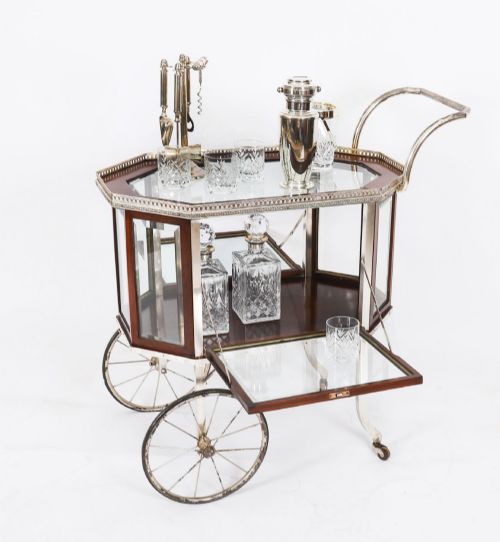
Many of these pieces double effectively as mobile bar carts for bottles, glassware, and cocktail accessories.
Edwardian and Art Deco examples in teak, mahogany, and chrome suit contemporary living spaces as drinks stations.
How do I distinguish Edwardian trolleys from Victorian ones?
Victorian pieces often feature darker walnut or mahogany with carved details, three-tier shelving, or dumb waiter configurations.
Edwardian versions frequently utilise teak, oak, or materials salvaged from naval vessels by specialised workshops.