


Antique Tea Caddy Shovel
An antique tea caddy shovel brings small-scale elegance to tea service, offering tactile charm for the collector.
Antique Tea Caddy Shovel
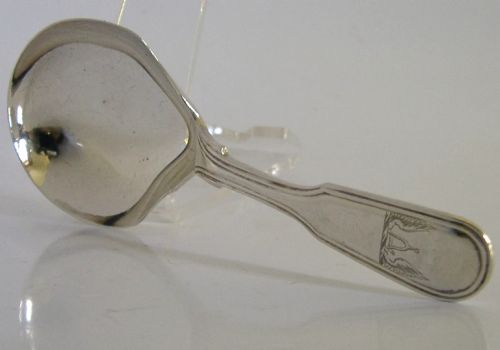
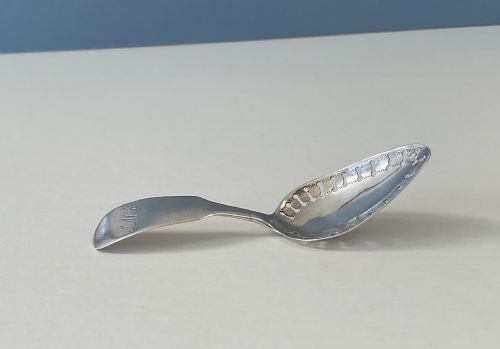
An antique tea caddy shovel is a specialised small spoon designed for measuring loose tea leaves from a caddy into a pot. When you search for an antique tea caddy shovel, you encounter small utensils shaped like miniature garden spades or shovels, often categorized as caddy spoons or tea accessories. The versions most frequently met on this page span the Georgian, Victorian, and Edwardian periods, reflecting the height of domestic tea culture.
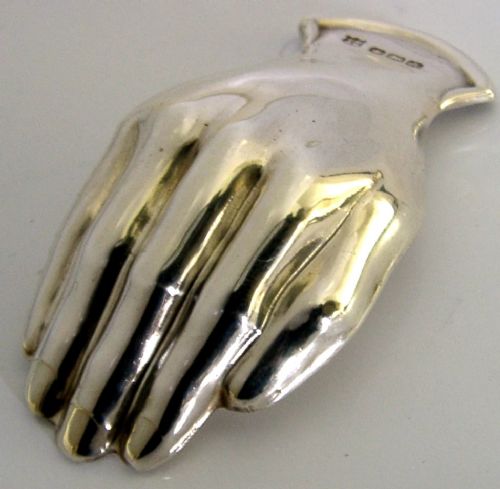
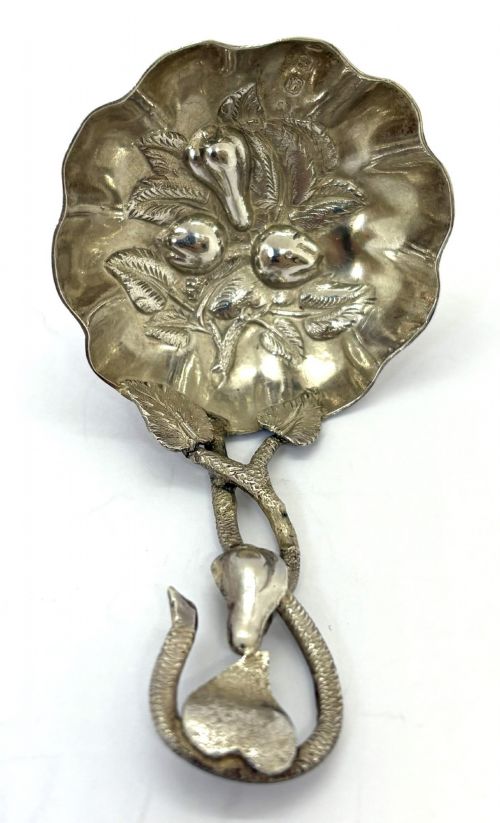
These items emerge in various stylistic traditions, ranging from plain Georgian forms to ornate Victorian designs and later Edwardian or Art Deco interpretations. Scottish provincial makers and continental studios like that of Georg Jensen also contributed distinct regional interpretations to the form. Buyers encounter both utilitarian scoops and novelty pieces, such as hand-shaped spoons holding a bowl.
What varies in quality
Quality in these implements rests upon the crispness of the original stamping and the depth of the hand-engraved or chased decoration. Thicker gauge silver provides a heavier, more substantial feel in the hand compared to lighter, more flexible alternatives.
Victorian silversmiths occasionally shaped silver tea shovels like miniature gardening tools to inject whimsy into the afternoon tea tray.
Mappin & Webb·Georg Jensen·George Unite·George Wintle
The Antique Tea Caddy Shovel Glossary
- Caddy spoon
- A short-handled spoon specifically designed to scoop tea leaves from a caddy. These small utensils appeared in numerous novelty and traditional shapes.
- Silver-gilt
- Silver that has been coated with a thin layer of gold on its surface. This technique provided a rich two-tone appearance and protected the silver bowl from tarnishing.
- Hallmark
- An official mark stamped into precious metals to indicate purity, origin, and date. British examples typically include a maker's mark, standard mark, assay office mark, and date letter.
- Parcel-gilt
- A finish where only specific parts of an object are gilded, leaving other areas as polished silver. This creates visual contrast on engraved shovel bowls and handles.
- Provincial silver
- Silverware manufactured outside the main assay towns such as London. Scottish provincial pieces often display unique local maker marks and regional stylistic traits.
Antique Tea Caddy Shovel: Frequently Asked Questions
What is a tea caddy shovel used for?
A tea caddy shovel was designed to measure loose tea leaves from a storage caddy into a teapot. The flat, wide bowl functioned effectively to scoop the dried leaves.
Today, collectors use these small spoons as display items or repurpose them for serving condiments, salts, and sugar.
How do I identify a Georgian caddy spoon?
Georgian caddy spoons typically display hallmarks that include a sovereign's head duty mark and date letters corresponding to the eighteenth or early nineteenth century. Their forms lean toward bright-cut engraving and naturalistic shell or shovel bowls.
Checking the stamped maker's mark against regional assay records helps confirm the exact period of production.
What does silver-gilt mean on a caddy spoon?
Silver-gilt refers to sterling silver that has received a thin electroplated or fire-gilt coating of gold across part or all of its surface. On caddy spoons, the interior of the bowl is frequently gilded.
This treatment protected the reactive silver metal from staining caused by the natural acids and oils present in tea leaves.
How should I display an antique caddy spoon?
These small spoons display well in shallow wall-mounted cabinets or specialised flatware trays lined with acid-free fabric. Their compact size allows several examples to be arranged together without crowding.
Keeping them away from direct sunlight and damp environments preserves the finish of the silver and any remaining gilding.