



Antique Taxidermy Display
When you search for antique taxidermy display, you enter a Victorian world of preserved specimens arranged inside glass domes and wooden cases.
Antique Taxidermy Display
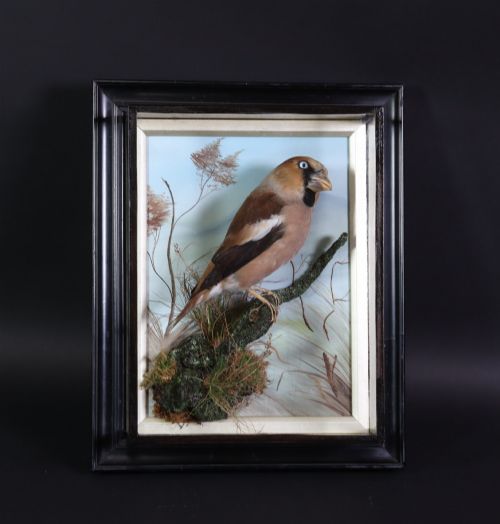
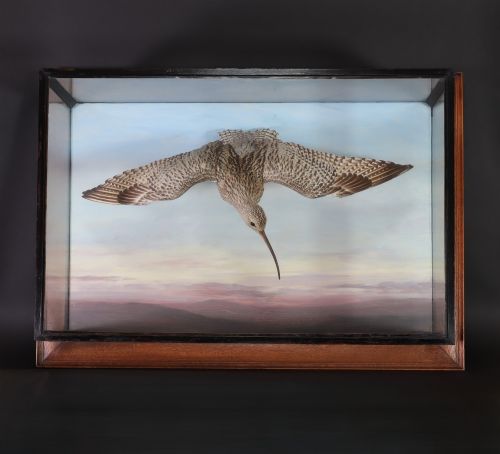
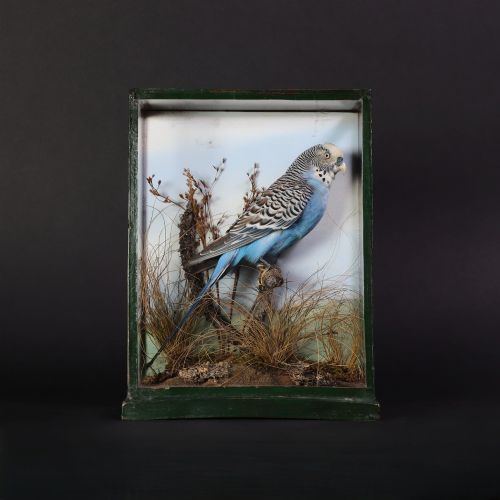
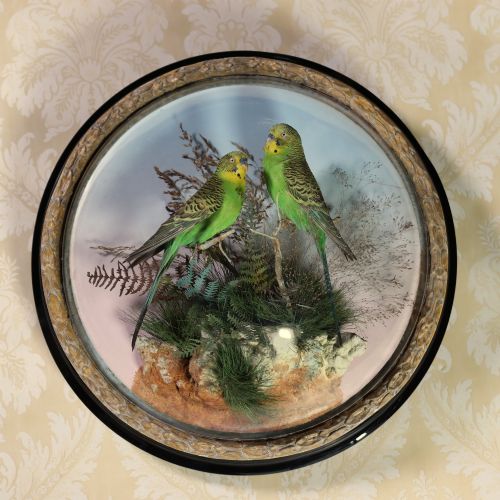
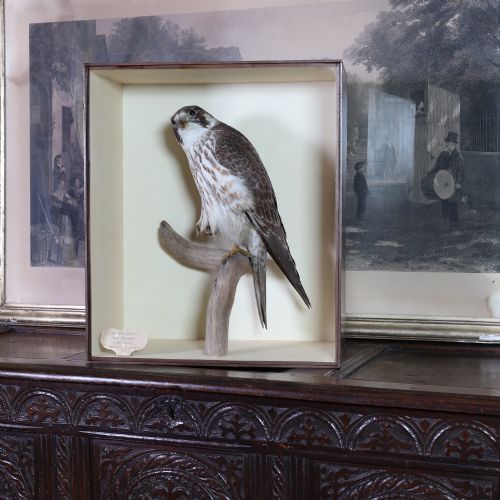
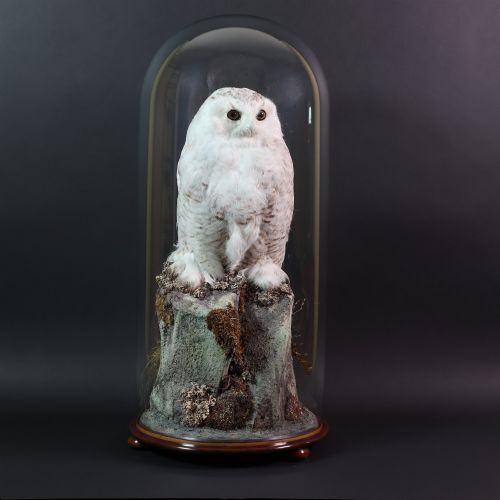
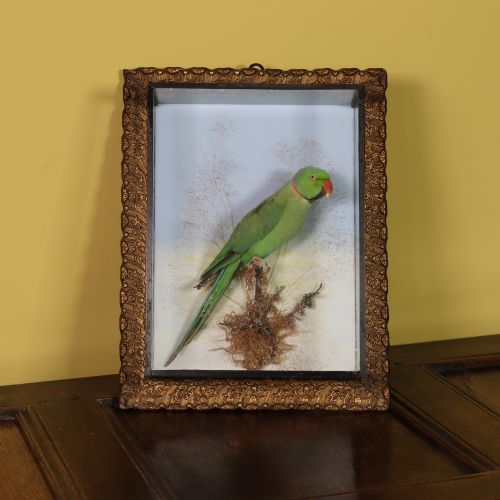
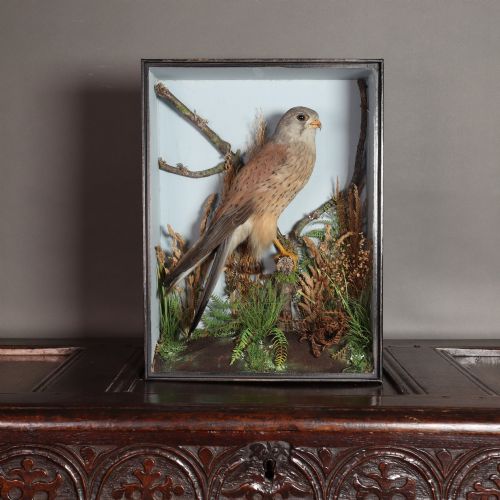
An antique taxidermy display comprises preserved animal specimens mounted inside glass domes, wall cases, or wooden cabinets originating primarily from the Victorian and Edwardian periods.
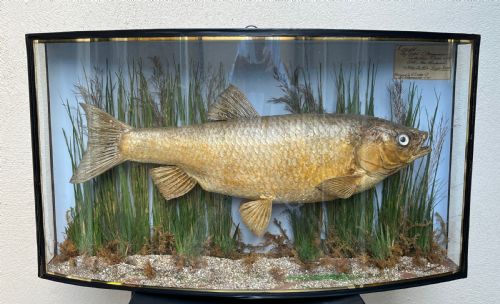
Buyers encounter single birds, complex dioramas with multiple species, fish preserved in curved glass cases, and occasionally larger mammals such as crocodiles or domestic pets.
These pieces reflect nineteenth-century natural history enthusiasm, utilising glass, ebonised wood, moss, and paper backgrounds to recreate natural habitats indoors.
How They Were Made
Taxidermists mounted specimens over carved or wire armatures, arranging feathers, fur, and preserved tissue within protective glass enclosures.
Cases utilised woods such as mahogany and ebonised timber, whilst glass domes sat upon wooden bases to seal specimens from dust and moisture.
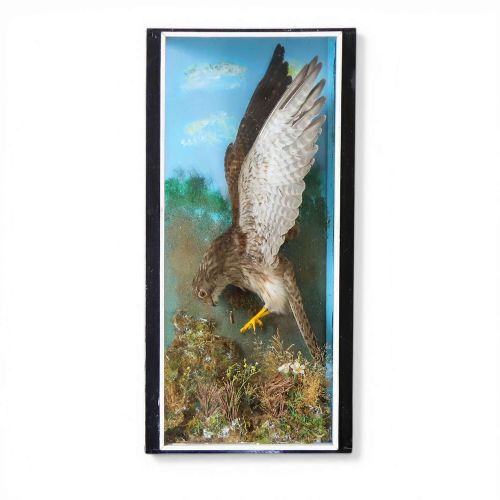
Naturalistic settings combined the taxidermy specimen with painted backdrops, real moss, paper foliage, and artificial snow scenes.
Antique Taxidermy Display Retail Price Guide 2026
Typical asking prices for taxidermy display among the pieces listed under this phrase on Sellingantiques today, from the lower quarter to the upper quarter. They describe what is for sale here now, not the wider market.
Victorian taxidermists occasionally placed birds inside snow scenes complete with artificial frost.
What Varies in Quality
The distinction between ordinary and exceptional pieces lies in the naturalism of the taxidermy pose and the complexity of the interior diorama.
Works by noted professional taxidermists demonstrate superior anatomical accuracy and intricate habitat detailing compared to simpler anonymous workshop specimens.
The clarity and integrity of the original glass dome or timber display case significantly influence the overall standard of the object.
Little & Co·J Griffiths of Burford·James Gardner of London·Rowland Ward Ltd·T. E. Gunn·William Bazeley & Sons·Henry Ward London·A Pollard·James Jones of London·J. Cooper & Sons
The Antique Taxidermy Display Glossary
- Display Dome
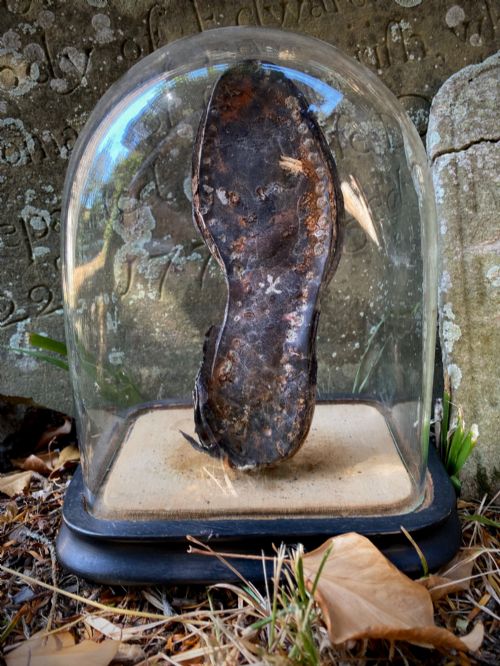
- A blown glass cover placed over a wooden base to protect delicate specimens. These enclosures keep dust away from fragile feathers and fur.
- Ebonised Wood
- Timber treated with a dark finish to resemble ebony wood. This material frequently frames Victorian glass display cases and bases.
- Diorama
- A three-dimensional scene featuring taxidermy specimens within a painted or naturalistic setting. These arrangements depict birds or animals in simulated habitats.
- Entomology Case
- A shallow wooden box utilised for displaying preserved insects such as butterflies. These specialised containers protect delicate specimens behind glass panels.
Antique Taxidermy Display: Frequently Asked Questions
What animals appear in these displays?
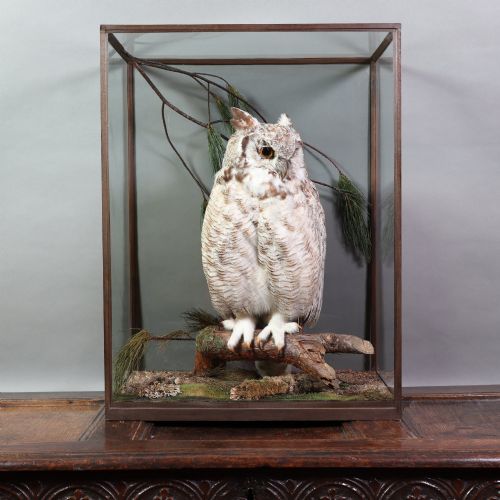
Victorian and Edwardian taxidermy displays feature a wide variety of British and exotic species. Common subjects include owls, kingfishers, parrots, fish such as roach and tench, and larger mammals.
Makers arranged these specimens individually or combined multiple exotic birds into elaborate natural history compositions.
How were glass domes utilised?
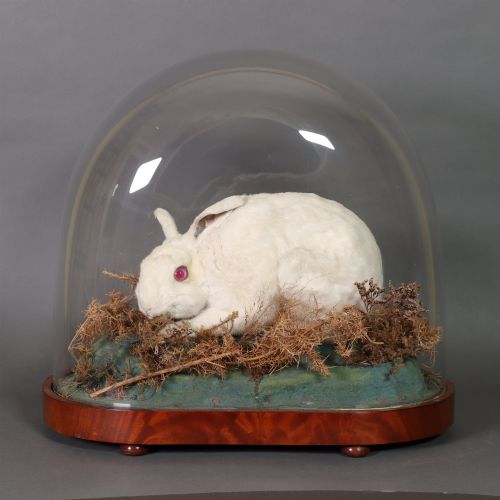
Glass domes provided an airtight environment that protected delicate taxidermy specimens from dust, insects, and humidity. They sat securely upon circular or oval wooden bases.
Collectors placed these bell jars on tables and mantelpieces to showcase fragile birds and dioramas safely.
Where were these cases placed?
Victorian households displayed taxidermy cases in parlours, studies, and hallways as decorative conversation pieces. Wall cabinets and table domes integrated natural history into domestic interiors.
These displays reflected the era's fascination with science, exploration, and the natural world.
How do I identify the period?
Dating relies upon construction methods, materials, and maker signatures found on the pieces. Victorian and Edwardian examples utilise hand-blown glass, ebonised wood, and painted paper backgrounds.
Trade labels pasted underneath wooden bases often name the original taxidermist and business address.