




Antique Task Light
An antique task light brings focused illumination and mechanical utility to a desk, table, or workspace.
Antique Task Light
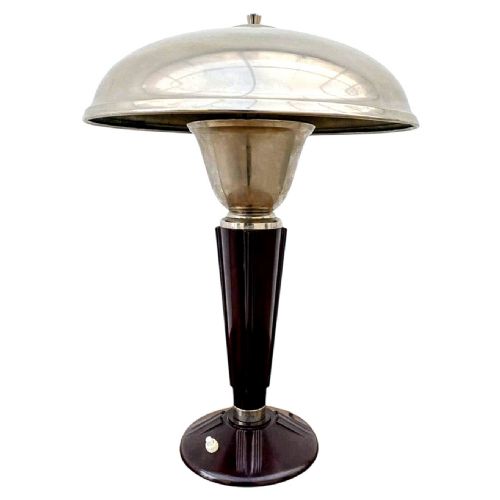
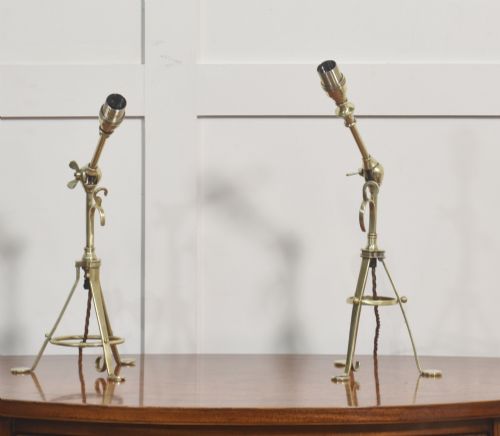
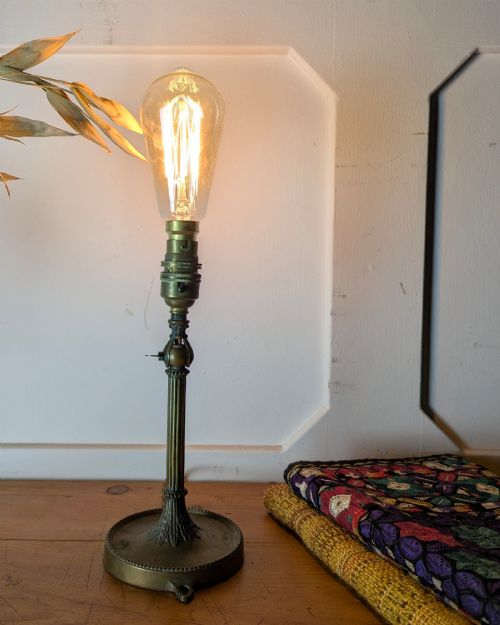
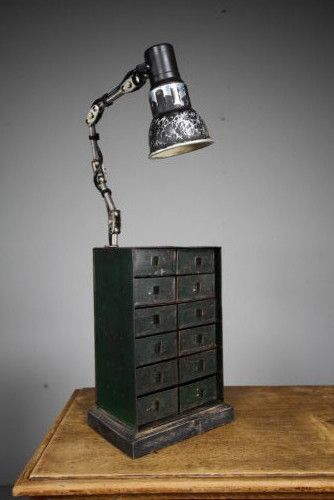
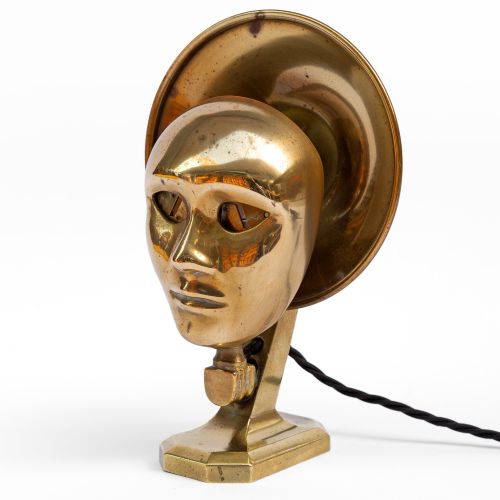
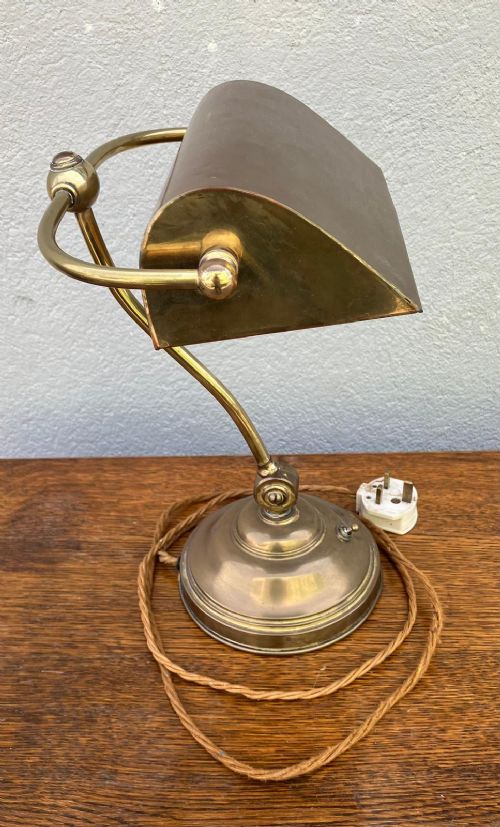
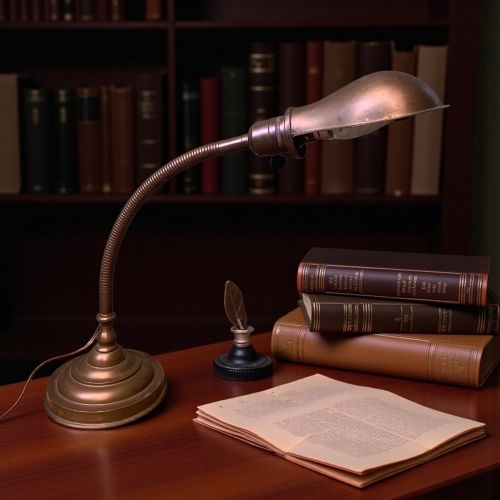
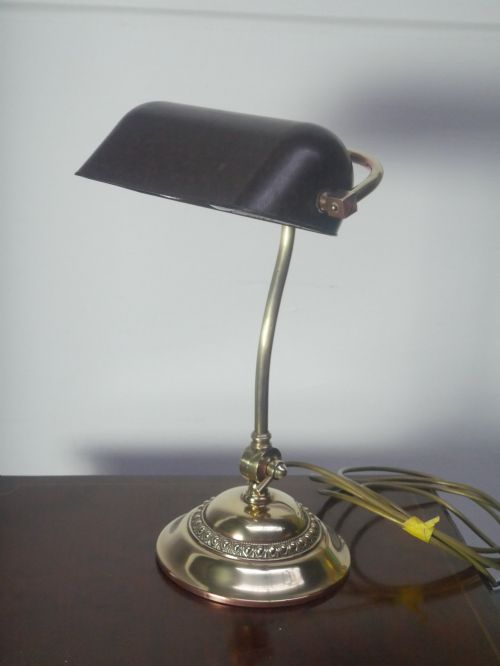
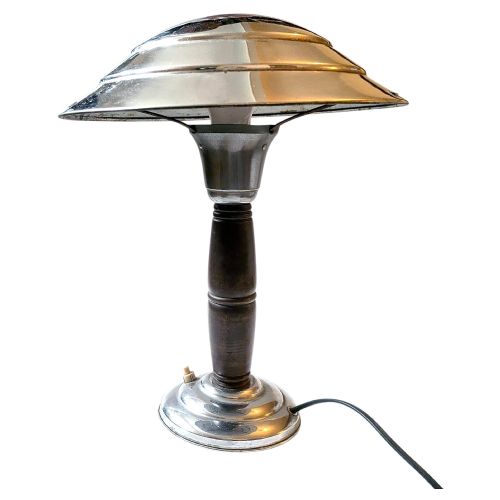
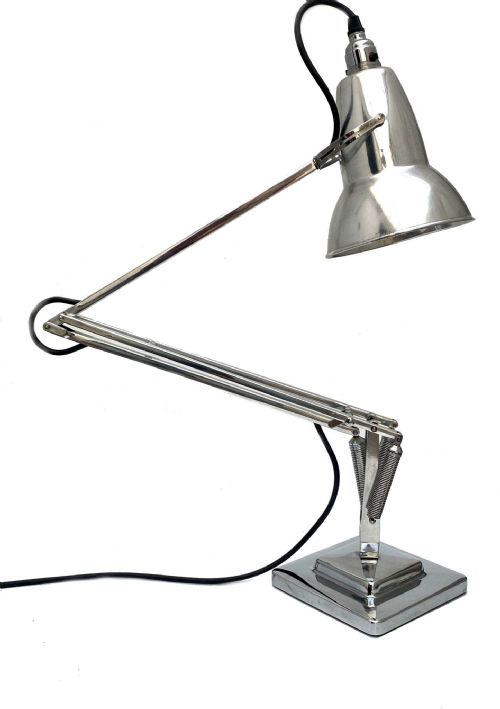
An antique task light is a mechanical fixture designed to direct illumination precisely where work is done, spanning desk lamps, table lamps, and floor lamps. These pieces originate from the late nineteenth century through the 1940s, encompassing Edwardian, Art Deco, Art Nouveau, Arts and Crafts, and Industrial styles.
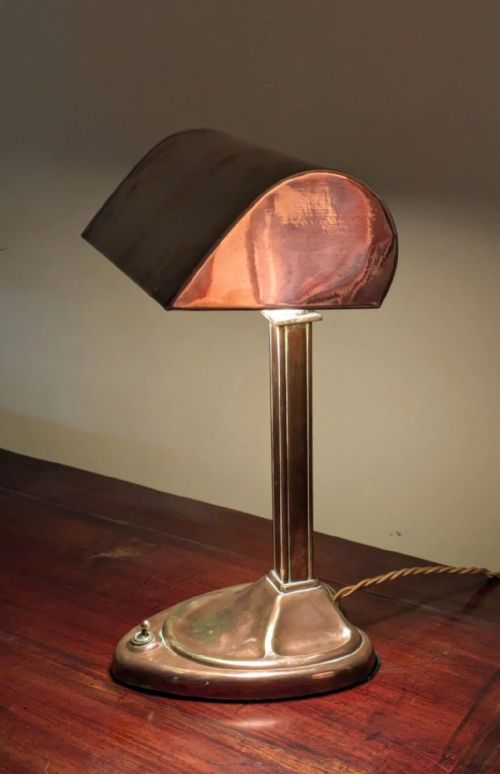
Brass, chrome, and metal dominate the forms seen on this page, often paired with glass, bakelite, or fabric components. Makers from France and England produced adjustable, articulated, and flexible designs intended for practical utility in offices, libraries, and workshops.
Materials and Construction
Metalworking formed the backbone of these pieces, utilising spun brass, cast bronze, beaten copper, and heavy chrome plating to create rigid structures and flexible swan necks. Articulated joints, screw adjustments, and weighted bases allowed users to reposition the beam without tipping the fixture over.
Electrical wiring and original fittings were integrated into metal tubes and housings, frequently complemented by specialised shades in frosted glass, tôleware, or moulded bakelite. Makers combined structural metal frames with heat-resistant materials to house early incandescent bulbs safely.
Materials span brass, chrome, bronze, bakelite, and frosted glass across Edwardian, Art Deco, and Industrial styles.
Distinctions in Quality
Quality rests in the precision of the mechanical joints and the robustness of the metal gauge used in the arms and weighted bases. Superior examples retain original patination, maker markings, and specialised fittings like shell-shaped shades or articulated brass mechanisms that move smoothly without sagging.
W.A.S. Benson·Eileen Grey·Ivan Zaiec
The Antique Task Light Glossary
- Articulated
- Jointed or hinged to allow the angle and reach of the lamp arm to be adjusted by the user.
- Swan Neck
- A curved metal upper stem resembling a swan's neck, common in desk and reading lamps of the early twentieth century.
- Bakelite
- An early synthetic thermosetting plastic frequently utilised for moulded lamp bases, switches, and shade components during the Art Deco period.
- Bouillotte Lamp
- A traditional multi-branched table lamp featuring a central adjustable shade, originally designed for card games.
- Tôle
- Painted or lacquered sheet metal used traditionally for decorative lamp shades and canisters.
Antique Task Light: Frequently Asked Questions
How do I adjust an antique task light?
Many of these pieces feature articulated brass arms, swivel joints, or weighted swan necks designed to pivot and tilt.
Users should gently manipulate the hinges or joints rather than forcing rigid metal sections to reposition the light beam.
Were these lamps originally electric?
While many retain early wiring or original light fittings from the Edwardian and Art Deco periods, some earlier designs were adapted from gas or oil fixtures.
Rewiring is frequently undertaken to ensure safe daily use in modern workspaces while preserving the exterior metalwork.
What materials are common on Art Deco task lights?
Art Deco models heavily favour chrome-plated metal, polished brass, and moulded bakelite components.
It is also common to find glass shades, including frosted and blue glass varieties, paired with geometric or figural metal bases.
How do I distinguish an Edwardian task light?
Edwardian examples typically rely on polished brass construction, heavy student reading lamp forms, and simple swan neck profiles.
They often reflect Arts and Crafts or traditional English domestic aesthetics prior to the introduction of chrome and modernist styling.