


Antique Study Lamp
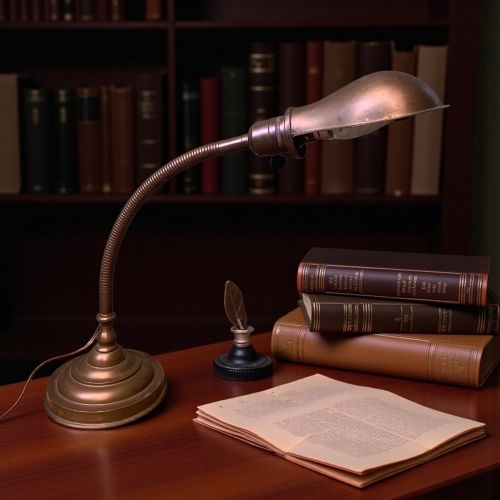
An antique study lamp brings focused task lighting and period character to a desk, drawing on brass, bronze, and toleware designs.
Antique Study Lamp
When you search for an antique study lamp, you encounter task lighting designed for reading, writing, and working at a desk. These pieces originate from the nineteenth century through to the Art Deco and Edwardian periods.
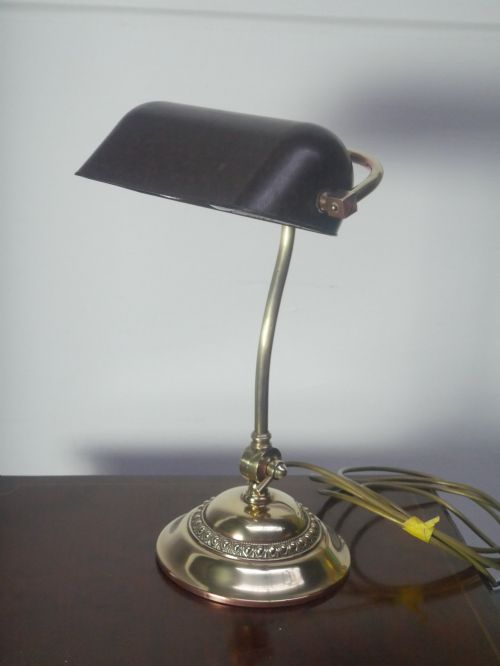
The most common versions on this page are brass and bronze adjustable desk lamps, alongside traditional bankers lamps and reading lamps. Styles range from utilitarian Edwardian forms to French Empire and Arts and Crafts designs.
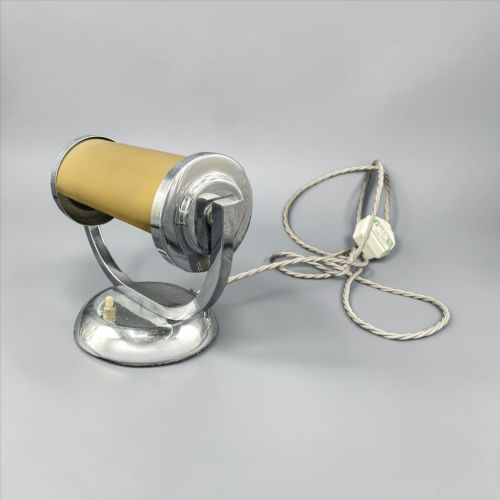
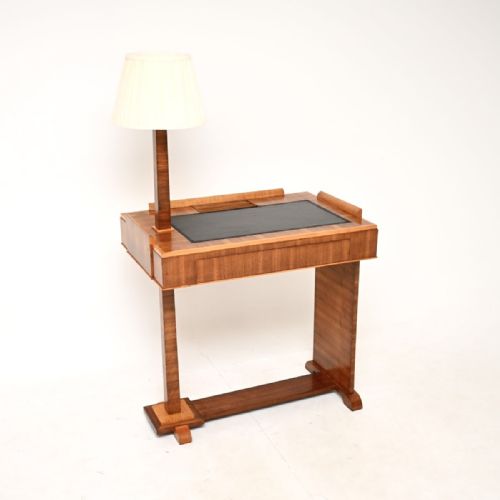
Makers utilised various desk and table configurations, including articulated brass frames, flexible metal arms, and integrated desk units. Materials such as green tole, porcelain, and bakelite appear frequently across these functional objects.
How they were made
Metalworking forms the core of construction, utilising cast iron, solid brass, bronze, nickel plating, and chrome to create durable frames and weighted bases. Artisans shaped sheet metal into shades, notably utilising painted toleware and shell-shaped designs.
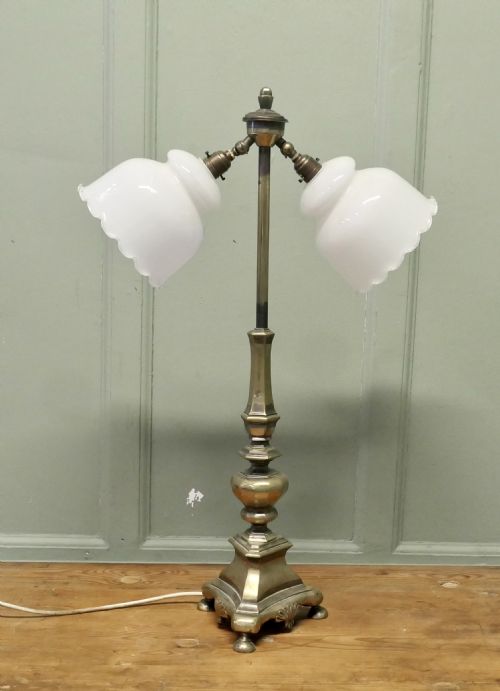
Makers incorporated glass, crystal, fabric, and early plastics like bakelite for shades and decorative cabochons. Articulated joints, swan necks, and gimbal mechanisms allowed adjustable movement for reading and desk work.
Listings span the nineteenth century through the 1930s, featuring periods such as Edwardian, Art Deco, Arts and Crafts, and French Empire.
What varies in quality
Material selection and mechanical execution separate standard examples from finer pieces. Solid brass, heavy bronze castings, and quality toleware retain their integrity better than lighter plated metals.
The precision of adjustable joints, counterweights, and original fittings dictates the success of the design. Intricate details such as glass cabachons, crystal elements, and integrated wooden furniture elevate the craftsmanship.
Wild and Wessel·Eileen Grey·Hawkins
The Antique Study Lamp Glossary
- Toleware
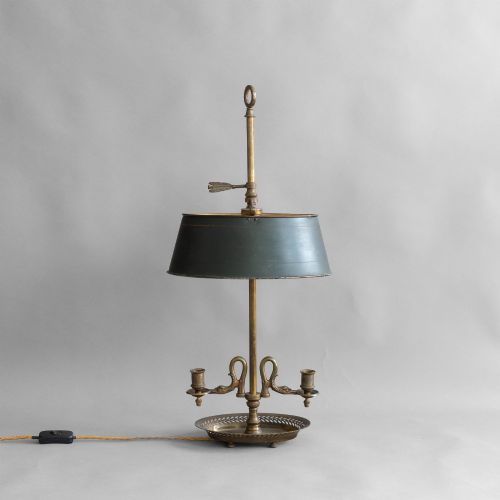
- Painted or enamelled sheet metal used extensively for lamp shades and bases, typically seen in green or decorative finishes. This material provides a traditional contrast to polished brass frames.
- Bakelite
- An early form of synthetic plastic utilised for lamp bases and switches during the twentieth century. It offers a smooth, dark finish characteristic of Art Deco design.
- Gimbal
- A pivoted support ring that allows a lamp or light to remain level regardless of movement. This mechanism appears on nautical ship lights.
- Bouillotte
- A traditional style of adjustable desk lamp featuring a central standard and a shaded light. These typically combine bronze with a tole shade.
- Swan neck
- A curved metal arm that directs the light downward over a desk or reading surface. This shape defines many Edwardian and early twentieth-century designs.
Antique Study Lamp: Frequently Asked Questions
What is an antique study lamp?
An antique study lamp is a task light designed for desks and reading tables, originating from the nineteenth and early twentieth centuries.
These pieces utilise adjustable metal frames, weighted bases, and directional shades to provide focused illumination for work spaces.
How do I identify an Edwardian desk lamp?
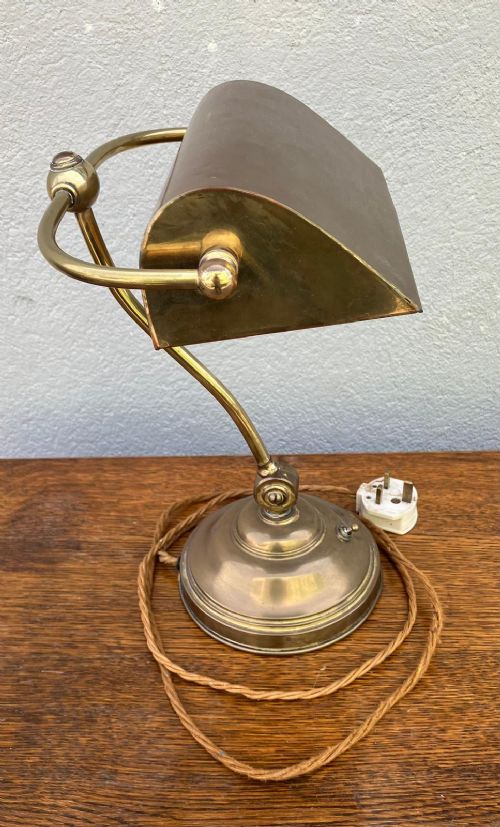
Edwardian desk lamps typically feature solid brass or copper construction with swan neck arms and traditional adjustable fittings.
They often incorporate porcelain or metal components, prioritising functional elegance suited to early twentieth-century libraries and studies.
What materials are used in Art Deco study lamps?
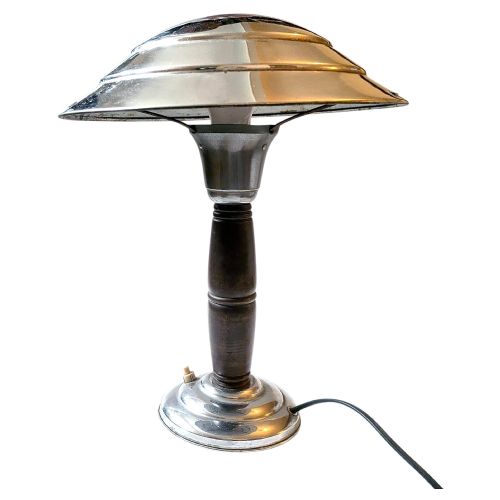
Art Deco study lamps frequently incorporate bakelite, chrome, polished walnut, and sycamore wood.
Designs from this era often feature geometric lines, shell-shaped shades, and integrated desk units.
How were bankers lamps used?
Bankers lamps were designed to provide glare-free directional lighting for accountants, clerks, and readers examining documents at a desk.
They commonly paired brass stands with adjustable shades to direct light downward onto paperwork.