



Porcelain Shade Lamp
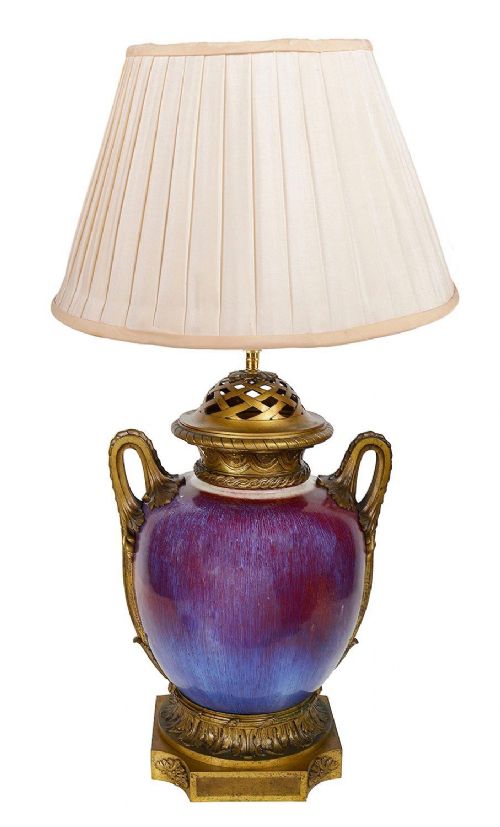
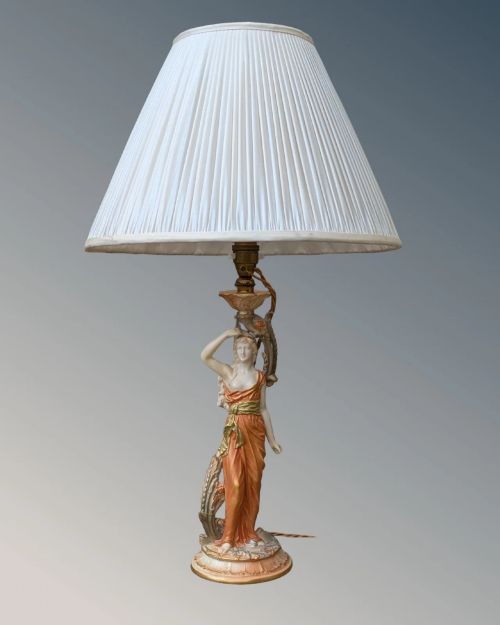
These porcelain shade lamp pieces bring together ceramic bodies and brass mounts, offering an illuminating presence for the home.
Porcelain Shade Lamp
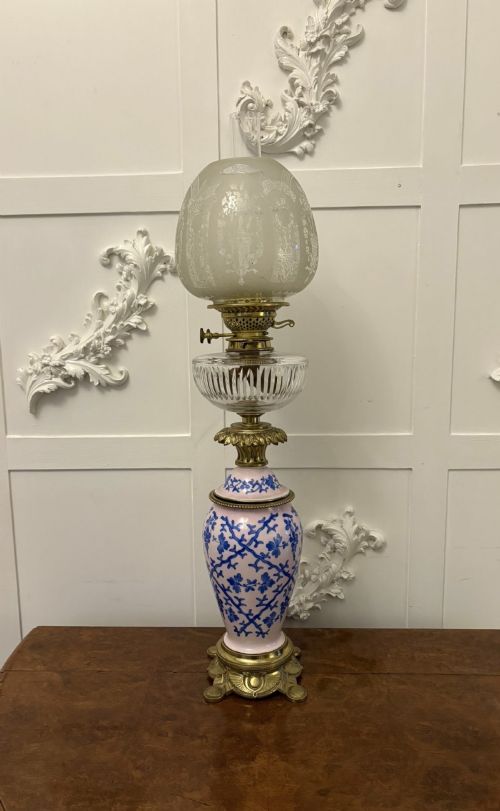
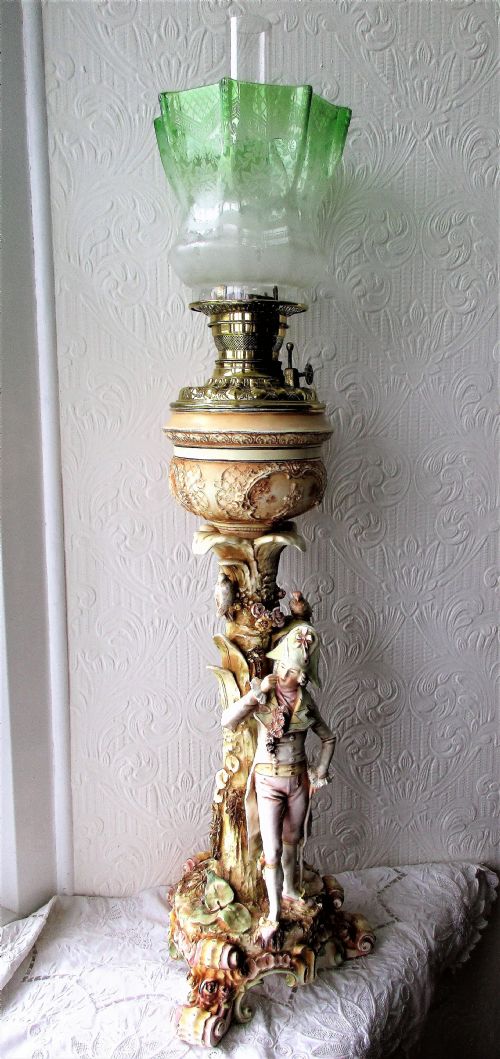
A porcelain shade lamp serves as a functional lighting fixture built around a ceramic or porcelain base, frequently taking the form of converted antique vases or oil lamps. These items appear across various periods, including the seventeenth, eighteenth, and nineteenth centuries, alongside Victorian and Edwardian examples.
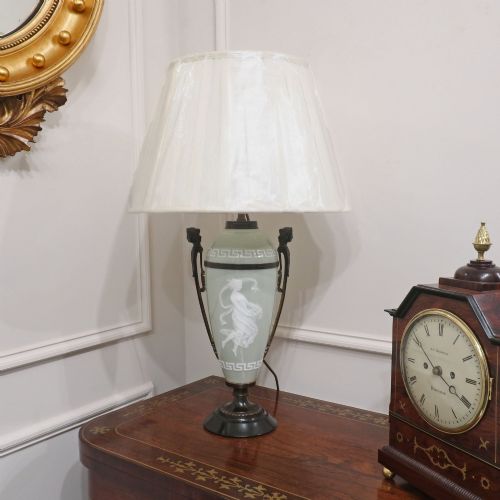
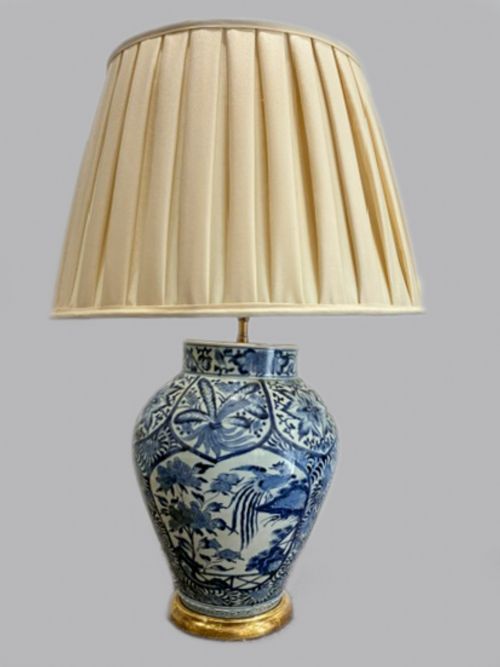
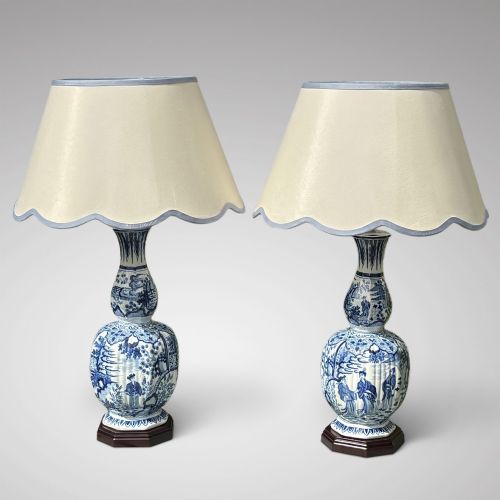
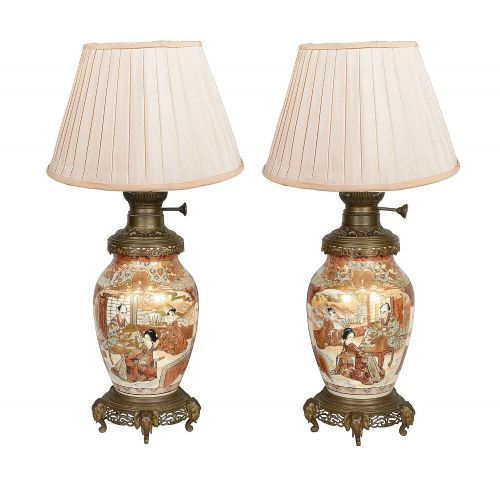
The selections span distinct stylistic traditions, incorporating Chinese export wares, Japanese Satsuma and Meiji period pieces, and European creations from German and French makers. Many examples integrate original ceramic vessels with later electrical fittings or preserve their oil lamp configurations.
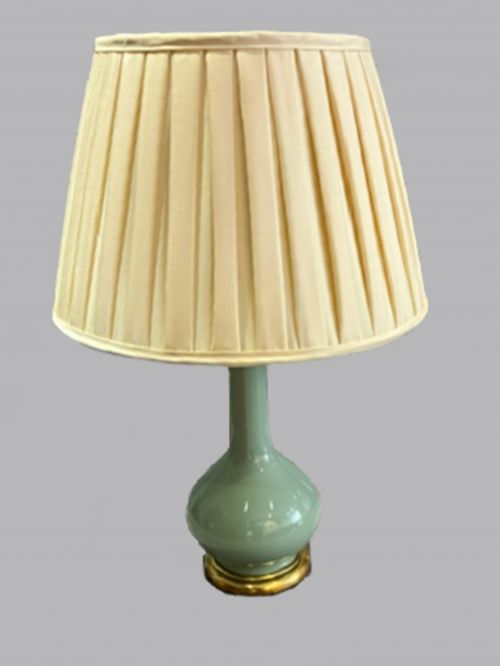
Buyers encounter table lamps, desk lamps, and larger floor or oil variants featuring bodies made from celadon, blue and white porcelain, or polychrome enamel designs. These objects function equally as decorative focal points and practical sources of ambient illumination.
How They Were Made
Makers formed the structural bases using ceramic and porcelain bodies, frequently mounting them upon cast brass, gilt bronze, or ormolu hardware. Artisans combined these fired clays with metalwork collars, bases, and occasionally marble plinths.
Decoration relied on hand-painted glazes, including blue and white pigments, celadon washes, and famille rose or famille verte enamels, alongside pate sur pate techniques. Fabric and silk shades, or specialised glass components, completed the upper portions of the fixtures.
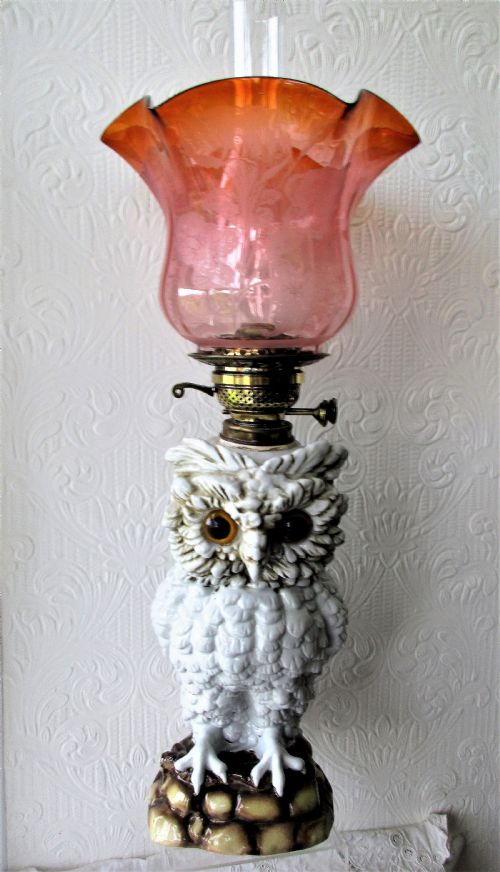
Several Victorian models incorporate porcelain cherubs and wide-eyed ceramic owls keeping watch from the base.
What Varies in Quality
The standard of the porcelain body and the crispness of its hand-painted decoration dictate the baseline quality of each piece. Superior examples display finely executed brushwork, detailed figural or floral motifs, and well-preserved glazes without firing flaws.
The quality of the metal mounts, such as gilt brass or ormolu, separates standard items from finer productions. Heavier, more intricately cast metalwork and integrated hardware demonstrate superior craftsmanship during assembly.
Sitzendorf·Ernst Bohne and Sohn·Royal Worcester·Meissen
The Porcelain Shade Lamp Glossary
- Celadon
- A pale green jade-like glaze originating in East Asia. This glaze relies on iron oxide in the reduction firing process to achieve its distinctive subtle tone.
- Ormolu
- Gilded bronze mounts applied to furniture and ceramic bases. This technique uses a mercury amalgamation process to adhere gold to a bronze substrate.
- Famille Verte
- A Chinese porcelain palette dominated by green enamel overglazes. Artisans introduced this style during the Qing dynasty, incorporating iron red and other contrasting pigments.
- Pate Sur Pate
- A ceramic technique involving the application of liquid clay in successive layers onto a dark body. This builds up a low-relief cameo effect before firing.
- Satsuma
- Japanese pottery featuring a crackle-glaze earthenware body decorated with polychrome and gilt enamel designs. These wares gained prominence during the late Edo and Meiji periods.
Porcelain Shade Lamp: Frequently Asked Questions
How do I convert an oil lamp?
Conversion typically involves routing an electrical cord through the existing burner mechanism or fitting a new lamp holder to the top collar.
Many antique pieces retain their original oil mechanisms alongside later electrical adaptations.
Are these lamps safe to use?
Most antique lighting requires rewiring by a qualified electrician to meet modern safety standards before regular daily use.
Checking the internal wiring ensures the brass and porcelain components remain protected during operation.
How do I date Chinese vases?
Dating relies on examining the glaze characteristics, potting techniques, base markings, and stylistic motifs associated with specific dynasties.
Comparison with documented examples from the Qing dynasty or earlier periods helps establish an approximate decade of production.
What shades suit these bases?
Fabric, silk, and beaded shades complement the traditional proportions of nineteenth-century porcelain and brass bodies.
Matching the scale of the shade to the width of the ceramic base maintains visual balance on a table or desk.