


Edwardian Task Lamp
An edwardian task lamp brings purposeful illumination to a desk, combining honest metalwork with mechanical adjustment.
Edwardian Task Lamp
An edwardian task lamp provides focused illumination for reading, writing, and administrative work. These pieces primarily date from the Edwardian era and surrounding decades, spanning the late nineteenth century through the 1930s.
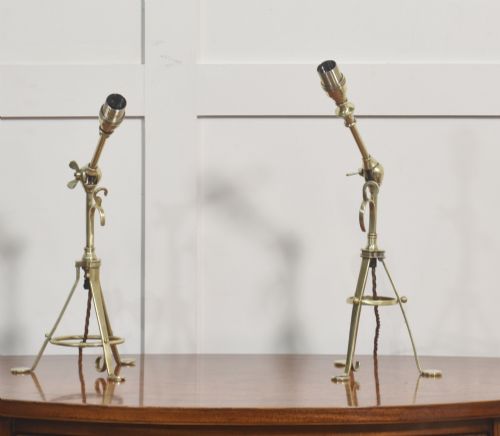
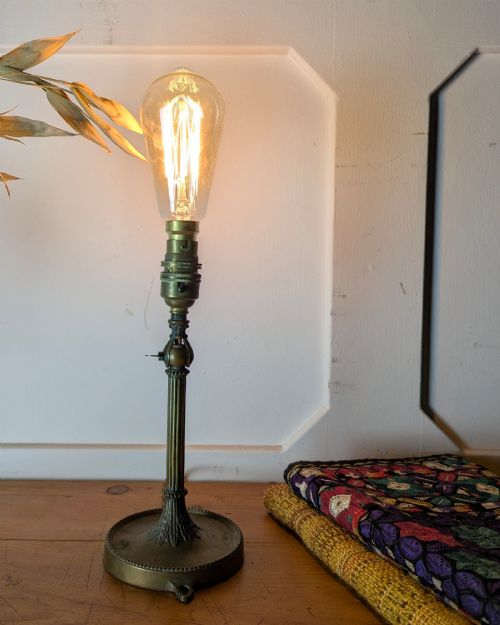
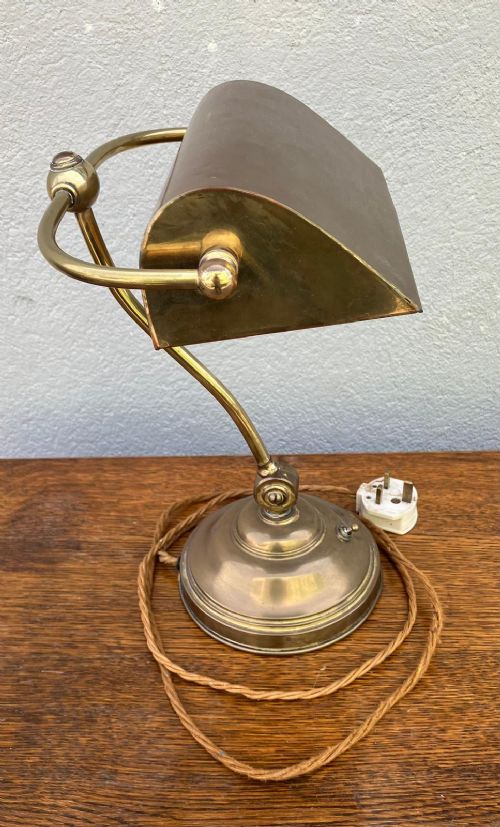
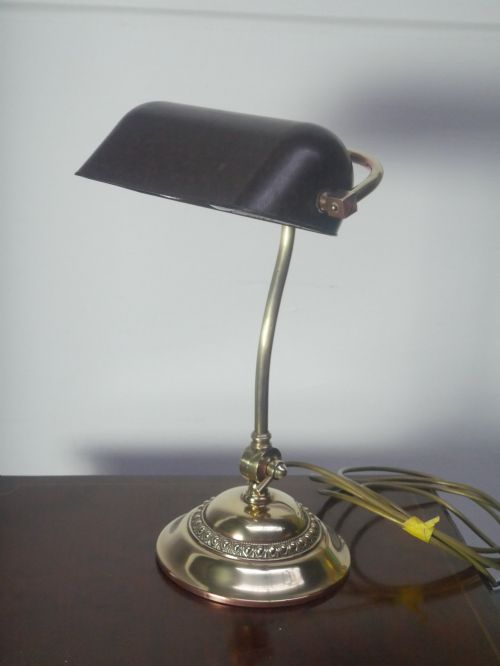
The form is defined by practical utility, often taking the shape of adjustable desk lamps, bankers lamps, and reading lights. You will frequently encounter brass construction paired with glass shades, designed to direct light precisely where needed.
Materials and construction
These lamps rely heavily on solid brass, bronze, and copper for their structural frames and articulating arms. Metal components are frequently paired with glass, including frosted, etched, opaline, and cranberry varieties, alongside porcelain and fabric elements.
Makers utilised mechanical joints, adjustable swan necks, and weighted bases to ensure stability and directional flexibility. Wiring methods range from period fabric flex to modern rewiring, accommodating functional daily use.
Some models feature dual chambers and adjustable angles, ensuring your desk remains illuminated even if you misplace your reading glasses.
Distinctions in quality
The calibre of a piece is evident in the weight of the metal and the precision of its mechanical joints. Superior examples feature robust brass or bronze casting that maintains balance through repeated adjustment.
Subtleties in the shade material, such as hand-blown opaline or coloured glass, elevate a utilitarian object into fine decorative art. The integration of maker signatures or thoughtful proportion further separates standard production from exceptional pieces.
W.A.S. Benson
The Edwardian Task Lamp Glossary
- Swan neck
- A curved metal arm that allows the lamp head to pivot and direct light downward. This characteristic shape facilitates smooth positioning for desk work.
- Pullman lamp
- A compact lighting fixture originally designed for railway carriages or maritime use. These pieces feature secure mounting designs and robust metal construction.
- Opaline glass
- A milky, semi-translucent glass used for shades to diffuse light evenly. It softens harsh glare while maintaining bright illumination on the workspace.
- Notary lamp
- A specialised desk light featuring a pivoting shade, historically utilised in legal and administrative offices. They often incorporate heavy bronze or brass bases.
- Fabric flex
- Flexible electrical cord wrapped in woven cloth, commonly utilised in period lighting. It provides a traditional aesthetic finish to the wiring.
Edwardian Task Lamp: Frequently Asked Questions
What defines an edwardian task lamp?
An edwardian task lamp is a functional desk or reading light produced around the early twentieth century. These pieces prioritise mechanical adjustment and directed illumination for work spaces.
They typically feature metal frames, such as brass or bronze, paired with shades made from glass or porcelain. Their design reflects the practical needs of offices and studies from the period.
How do I tell different periods apart?
Distinguishing between periods involves examining stylistic details like ornamentation and silhouette. Pieces from the late nineteenth century often lean towards ornate Victorian or Art Nouveau aesthetics, while 1920s examples introduce clean Art Deco geometric lines.
Edwardian designs sit comfortably between these shifts, favouring functional brass forms with straightforward proportions. Observing the transition from heavy casting to sleeker industrial shapes helps anchor a piece in its correct decade.
Can these lamps be used safely today?
Many surviving desk lamps have been updated with modern wiring to meet contemporary safety standards. Rewiring preserves the historical metalwork while ensuring safe electrical operation in a modern home.
It is common to find pieces fitted with contemporary fabric flex or updated plugs. Checking the internal components confirms whether a lamp is ready for daily use.
Where were these lamps originally used?
These adjustable lights were primarily designed for commercial offices, legal practices, libraries, and private studies. Their movable arms and directional shades served professionals who required focused light for reading documents.
Specialised variants like Pullman lamps also served in travel environments where space and stability were paramount. Today, they translate easily onto modern home office desks and bedside tables.