
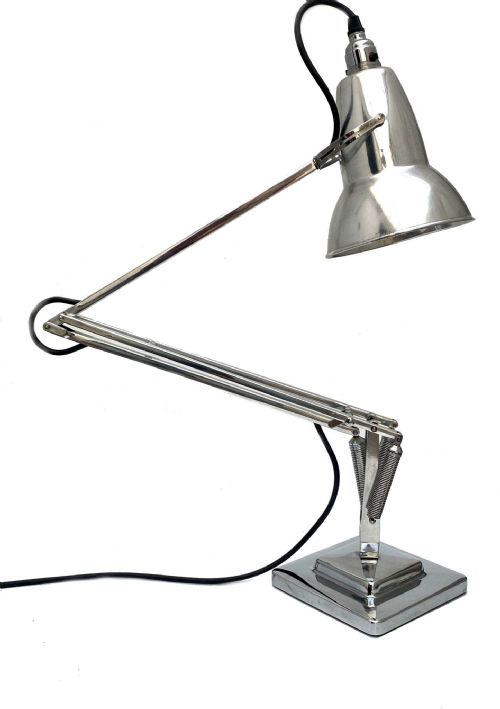


Metal Task Lamp
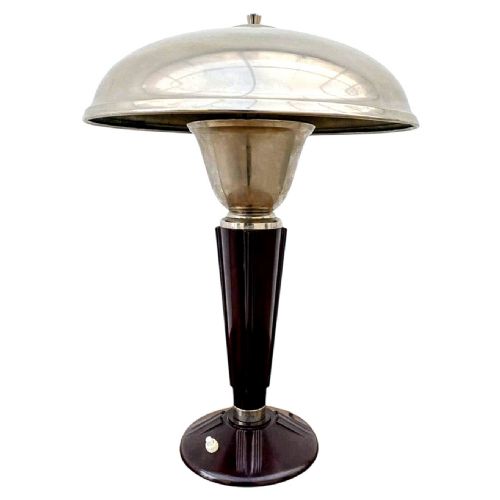
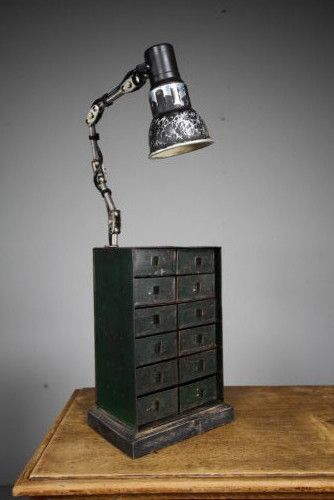
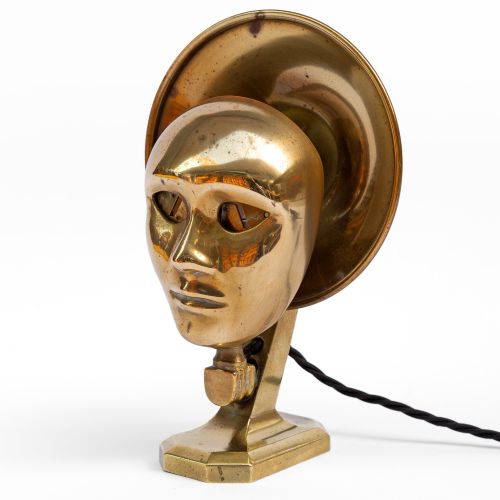
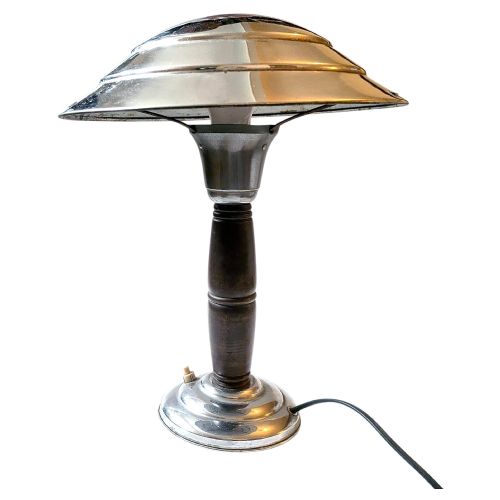
These metal task lamp examples bring genuine period utility to a desk, moving from brass Edwardian fittings to chrome Art Deco engineering.
Metal Task Lamp
A metal task lamp serves as a direct, adjustable light source designed for work spaces, reading rooms and drafting desks. When searching this phrase, a buyer encounters practical lighting equipment produced across the late nineteenth century and the mid twentieth century. Desk lamps and table lamps dominate the selection, combining functional articulation with the distinct design languages of their eras.
The assortment on this page most commonly spans the 1900s to the 1930s, reflecting periods of rapid industrial and domestic innovation. Industrial, Art Deco and Arts and Crafts styles appear frequently, showing how utilitarian objects absorbed contemporary artistic movements. French and English origins predominate, ranging from streamlined machine age chrome to warm patinated brass.
Form follows function closely in these pieces, with adjustable arms, swivelling shades and weighted bases designed for everyday use. Bureau lighting and reading lamps offer specific mechanical movements to direct illumination precisely where required. Buyers find everything from heavy cast iron bases to delicate toleware shades, all rooted in the practical demands of early workspaces.
How they were made
Makers utilised a combination of durable metals including brass, steel, chrome and cast iron to build robust frames that endured daily adjustment. Copper and ormolu also surface in decorative variations, while functional components often incorporated early plastics such as bakelite for switches and fittings. Glass shades and polished metal reflectors directed the beam, supported by internal wiring and original light fittings.
Construction techniques balanced mechanical ingenuity with aesthetic finish, using articulated joints, threaded collars and weighted bases to maintain balance. Artisans employed spinning, casting and plating methods, applying patinated finishes or polished chrome to protect the underlying metal. The integration of flexible arms and adjustable shades relied on precise metalworking to ensure longevity through constant repositioning.
Listings for metal task lamps feature heavy brass and chrome constructions alongside early plastics like bakelite, spanning the Edwardian period through the 1940s.
What varies in quality
Quality in a metal task lamp lies in the integrity of its articulation and the weight of its materials. Solid brass, heavy cast iron and thick gauge chrome command higher regard than lighter pressed metals because they maintain stability under repeated adjustment. Superior examples retain original components, from bakelite switches to specific shade materials like toleware or specialised glass.
Design attribution and regional craftsmanship further differentiate the range, as pieces associated with known makers or progressive styles carry distinct mechanical refinement. The precision of the joints, the smoothness of the adjustable movement and the preservation of the original surface finish separate standard utility lighting from exceptional industrial design.
Eileen Grey·Fritz Lang·Herbert Terry·WAS Benson·Wilhelm Wagenfeld·Pirouette·Jumo·Hawkins
The Metal Task Lamp Glossary
- Art Deco
- A design style characterised by streamlined geometric forms, smooth lines and modern materials popular during the 1920s and 1930s. It emphasised sleek functionality alongside decorative elegance.
- Bakelite
- An early thermosetting plastic used widely for electrical insulation, switches and handles on domestic and industrial objects from the early twentieth century onwards. Its heat-resistant properties made it ideal for lamp components.
- Machine Age
- An early twentieth-century aesthetic that celebrated the power and efficiency of industrial machinery, influencing lighting design with chrome plating and exposed mechanical joints. It rejected ornate historical revivalism in favour of unadorned utility.
- Toleware
- Painted or enamelled sheet metal items, often used for lamp shades to introduce subtle colour and reduce glare. The technique provided a durable finish with a refined matte or semi-gloss appearance.
- Amsterdam School
- An expressionist architectural and design movement from the Netherlands emphasising rounded brickwork, traditional craftsmanship and rich, expressive metalwork. Copper and brass pieces from this tradition show sculptural qualities.
Metal Task Lamp: Frequently Asked Questions
How do I date a metal task lamp?
Dating relies on identifying the manufacturing materials, such as early bakelite components or machine age chrome, alongside stylistic indicators like Art Deco geometry or Arts and Crafts hand-working. Patent marks and mechanical construction methods also point to specific decades of production.
Examining the electrical fittings and switch types provides further clues, though many functional lights have been rewired for modern safety standards while retaining their original exterior components.
Can these lamps take modern bulbs?
Most vintage task lamps accommodate contemporary LED bulbs provided the wattage matches the historical capacity of the wiring and lampholder. Standard screw or bayonet fittings are common, though older sockets may require careful checking by a qualified electrician.
Preserving the original lamp holder while updating the internal cord ensures safe daily operation without altering the historical integrity of the piece.
Where were these lamps originally used?
These pieces were built for professional workspaces, architectural offices, banking halls and domestic reading desks where focused illumination was essential. Industrial workshops and drafting studios also relied on articulated arms to direct light across large work surfaces.
Over time, their functional design and sculptural qualities transitioned them into domestic living spaces and studies as decorative objects.
How should I clean a brass or chrome lamp?
Cleaning requires a soft, dry cloth to remove dust without disturbing the aged patina accumulated over decades of use. Avoid abrasive chemical polishes on patinated brass or copper, as they strip the historical surface character.
Chrome surfaces benefit from gentle wiping with a damp microfiber cloth to restore their reflective finish while protecting any delicate joints or wiring.