
Antique Tapestry Seating
Antique tapestry seating brings textile artistry directly into everyday furniture, offering practical support combined with historic woven charm.
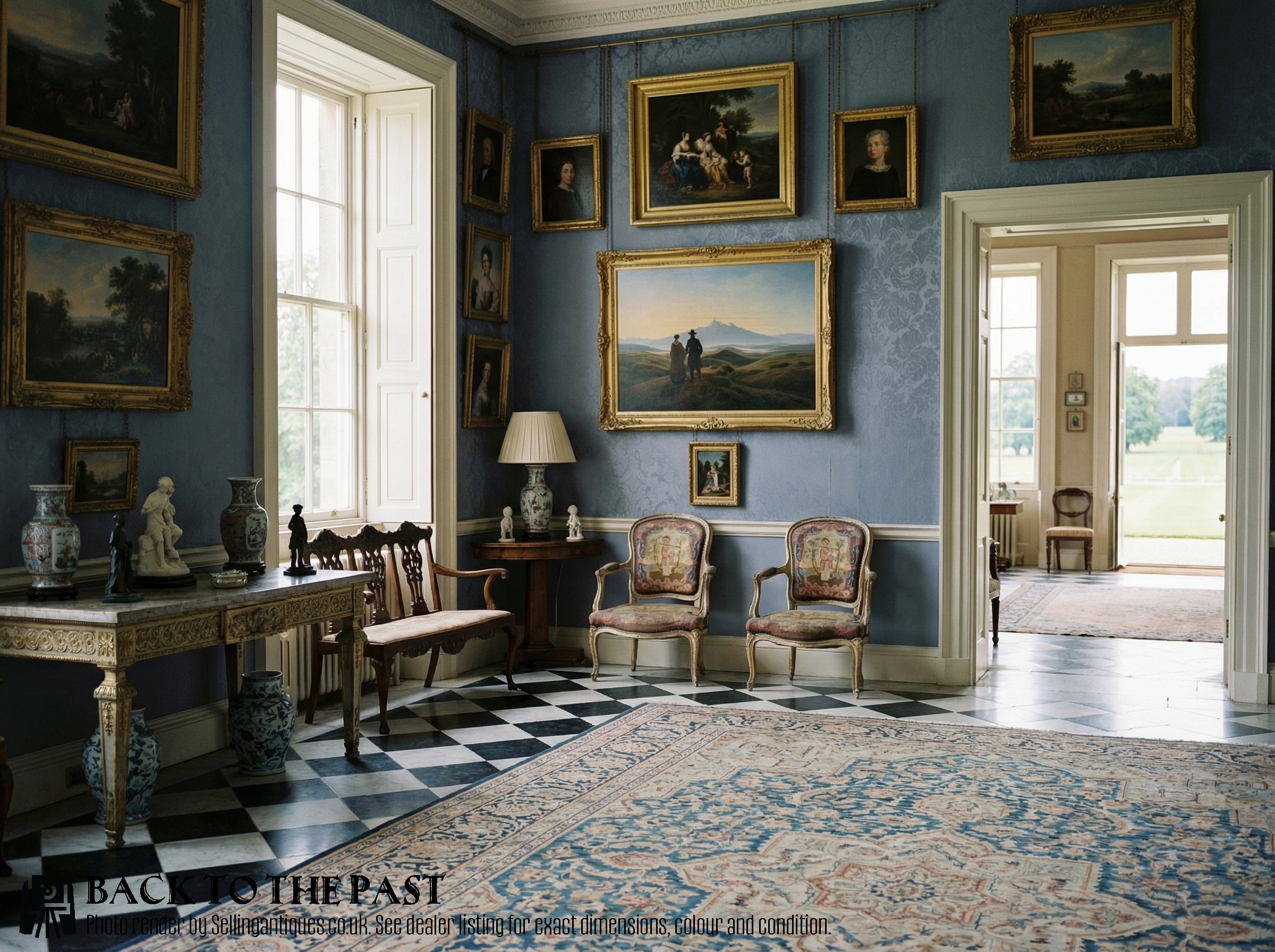
Antique Tapestry Seating
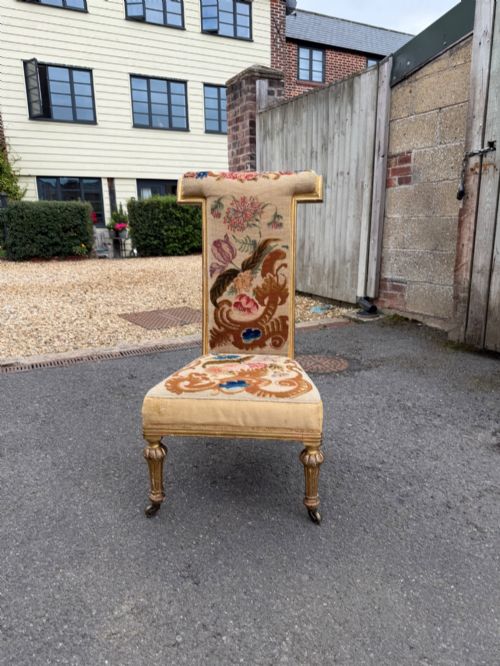
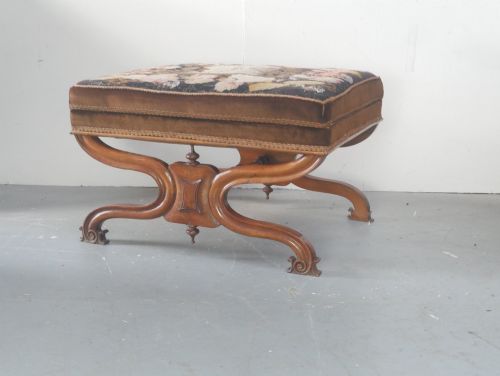
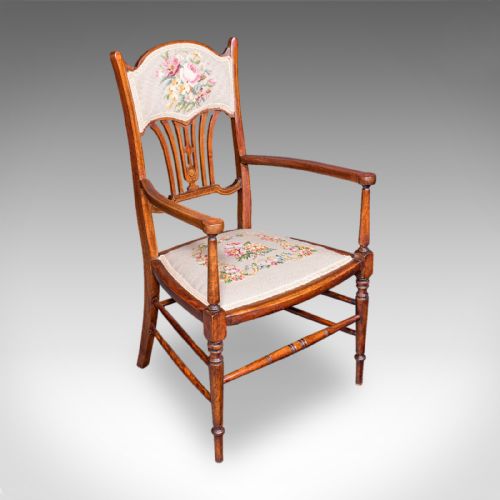
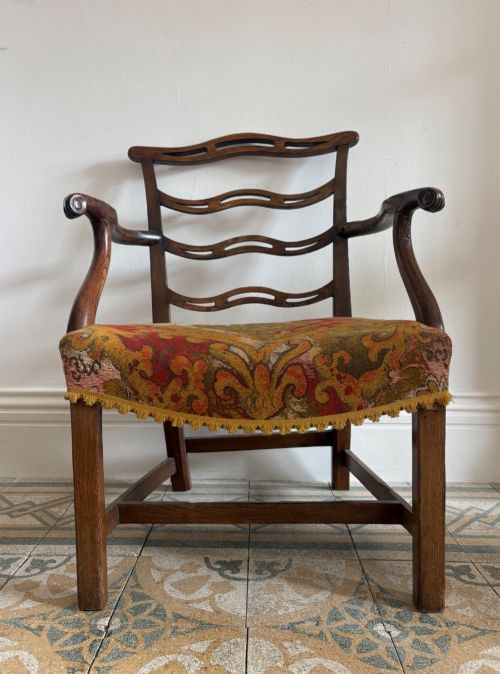
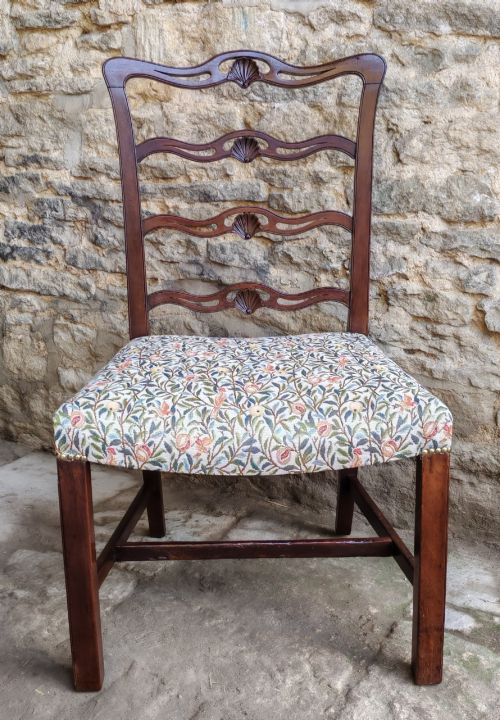
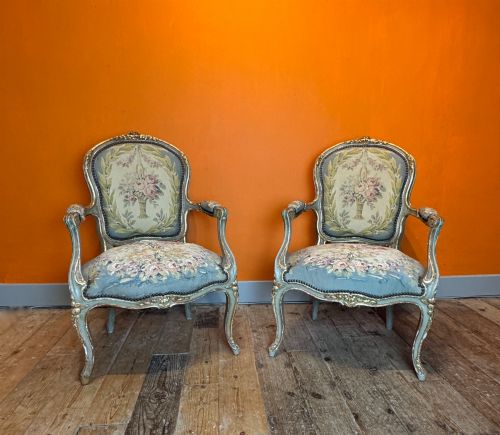
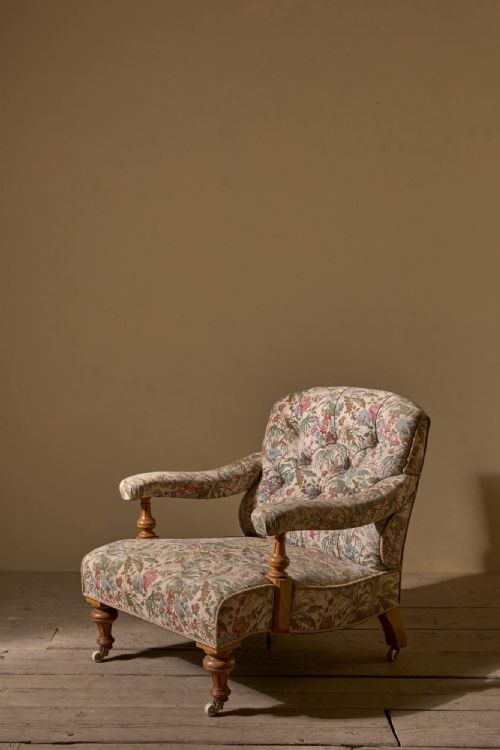
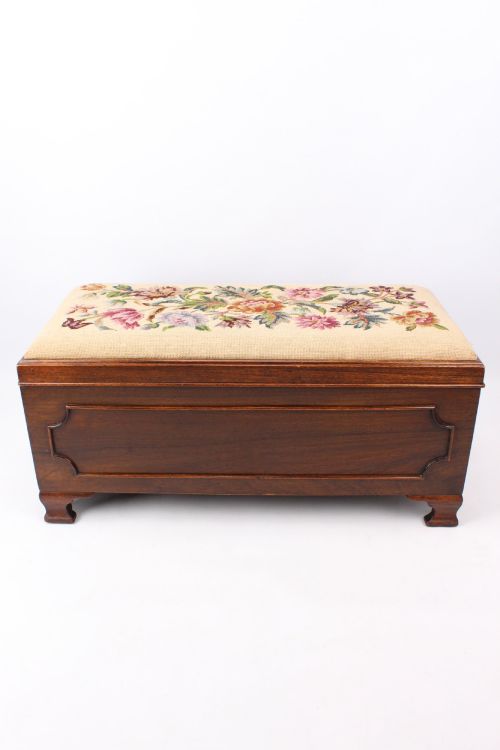
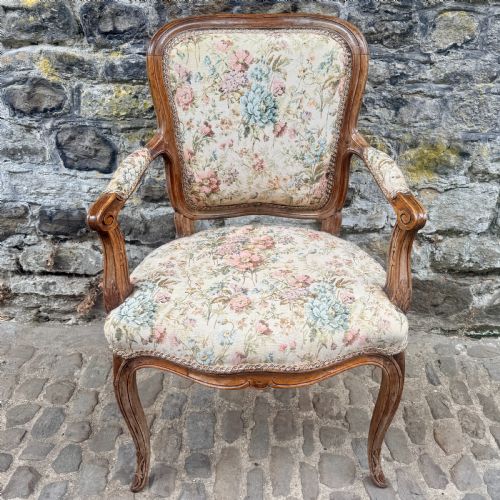
Antique tapestry seating comprises chairs, armchairs, and stools upholstered or covered in woven textile panels, needlework, or beadwork. These pieces span from the eighteenth century through the Victorian era and into the early twentieth century.
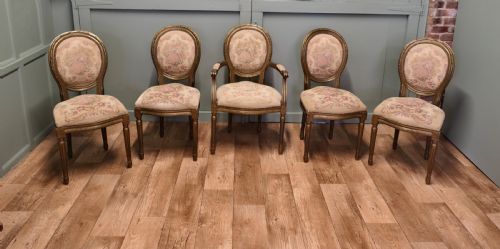
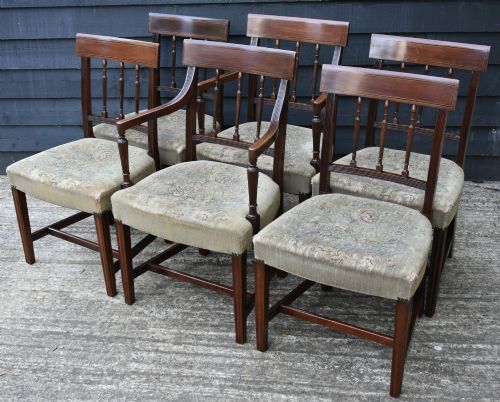
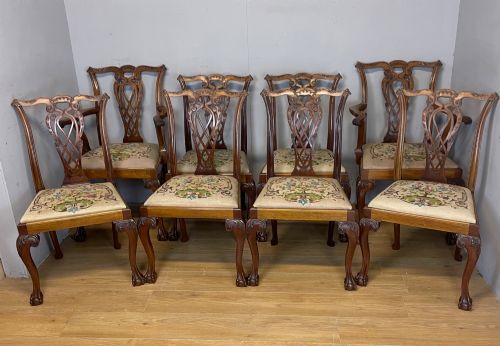
The most common examples on this page are nineteenth-century Victorian pieces and revival designs such as Chippendale and Louis XV styles. Forms range from small footstools and piano stools to large salon suites, elbow chairs, and dining chairs.
Origins vary between English country houses, Scottish baronial halls, and French ateliers. Buyers find everything from intimate prie-dieu chairs to extensive sets of dining chairs.
Materials and construction
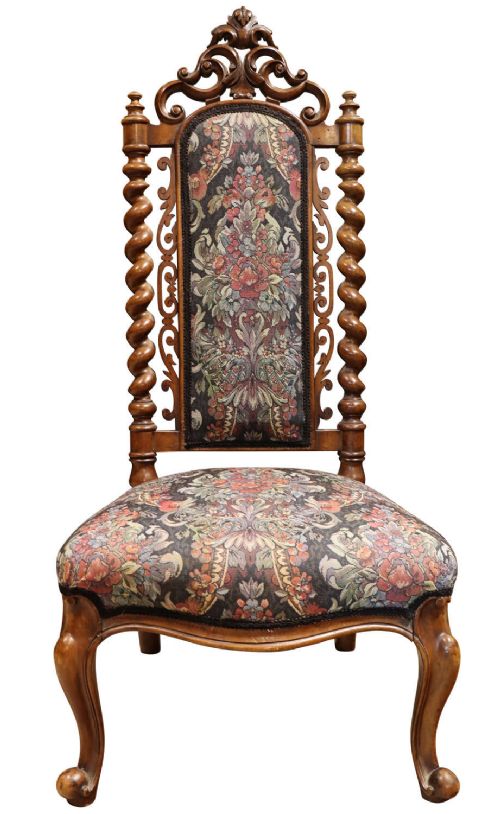
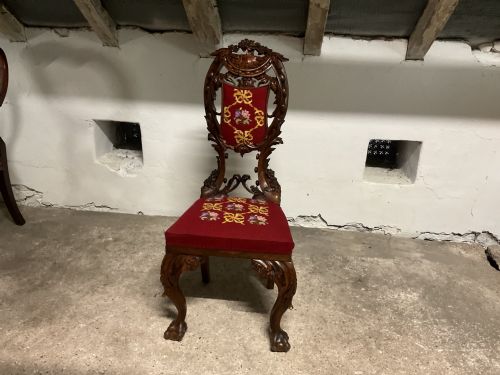
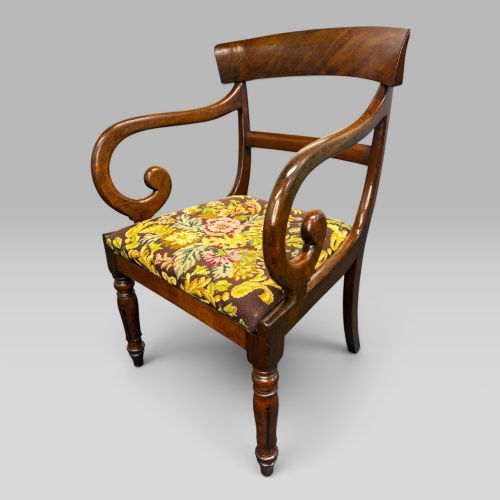
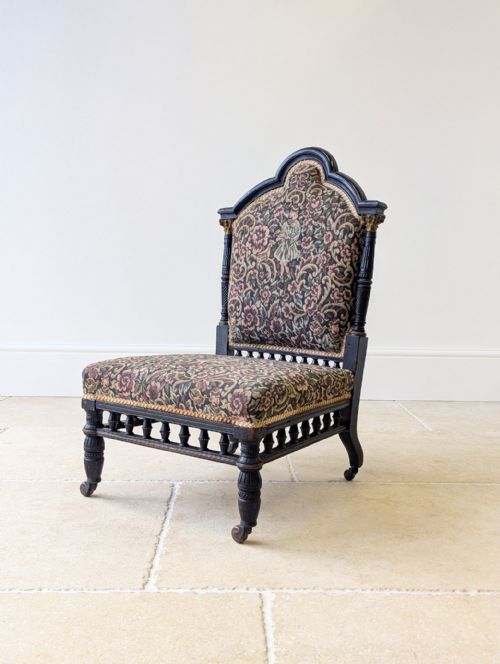
Frames rely on solid hardwoods such as mahogany, walnut, oak, beech, and rosewood, shaped through carving, turning, and sometimes parcel gilding or ebonising. These durable timbers support heavy textile and needlework upholstery.
Upholstery incorporates tapestry fabric, needlework, wool, silk, and sometimes supplementary brass detailing. Frames often employ traditional joinery alongside revival carving techniques from the Georgian, Rococo, and Jacobean idioms.
A tiny child's chair sits among the grand Scottish baronial stools, waiting for someone very small to discuss the estate.
Craftsmanship and preservation
Quality separates through the crispness of timber carving, the integrity of the underlying frame joinery, and the fineness of the textile weave. Superior pieces demonstrate balanced proportions and harmonious integration between the wooden structure and the woven cover.
The condition and execution of the tapestry or needlework dictate distinction at the upper end of the scale. Denser stitches, sophisticated pictorial or floral design, and well-preserved structural timber elevate certain armchairs and salon suites above standard production.
Warings
The Antique Tapestry Seating Glossary
- Tapestry fabric
- A thick, heavy textile featuring woven pictorial or geometric designs rather than printed patterns. It provides a durable and decorative surface for chairs and stools.
- Prie-dieu
- A low devotional chair featuring a high back designed for kneeling and prayer during the nineteenth century. These items often incorporate needlework or tapestry covers.
- Salon suite
- A matching set of upholstered seating furniture intended for formal drawing rooms. They frequently include sofas and several armchairs sharing identical wood carving and textile upholstery.
- Needlework
- Hand-stitched textile decoration executed in wool or silk on a canvas ground. Needlework seats and panels appear frequently on Victorian and Edwardian stools and chairs.
- Elbow chair
- An armchair featuring open wooden arms designed to support the user's elbows. These forms often showcase carved mahogany, walnut, or beech woodwork.
Antique Tapestry Seating: Frequently Asked Questions
What is antique tapestry seating?
Antique tapestry seating refers to chairs, stools, and benches upholstered with woven textile panels or needlework. These items date from the eighteenth to the early twentieth century.
They combine functional wooden frames with decorative woven covers, capturing the interior design tastes of periods including the Victorian era and various revival styles.
How do I date an antique chair?
Dating involves examining the timber species, construction methods, and stylistic revival cues present in the woodwork. Secondary woods and joinery techniques offer reliable clues.
Comparing the chair's form, such as a Chippendale revival profile or an aesthetic movement ebonised finish, helps narrow down the decade of production.
Where were these pieces used?
Original locations included grand English country houses, Scottish baronial estates, and formal European salons. Specific forms served dedicated domestic functions.
Smaller stools and piano stools belonged in music rooms, while large armchairs and salon suites furnished principal reception rooms and morning rooms.
How should I clean textile upholstery?
Historic woven textiles require gentle maintenance to preserve fragile fibres and aged threads. Vacuuming through a protective mesh screen removes surface dust safely.
Professional textile conservators should handle deep cleaning or structural repairs to prevent damage to antique needlework and tapestry covers.