



Antique Tapestry Picture
An antique tapestry picture brings interior texture through centuries of needlework, silk embroidery, and woolwork framed for the wall.
Antique Tapestry Picture
An antique tapestry picture spans centuries of domestic and professional textile art, taking the form of framed wall art, samplers, and embroidered panels. When searching for an antique tapestry picture, buyers encounter needlework scenes, woolwork pictures, and silk embroideries originating from English, French, and Italian makers.
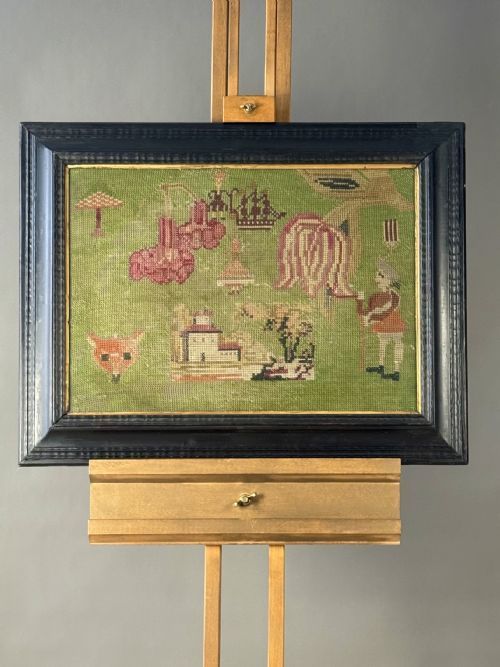
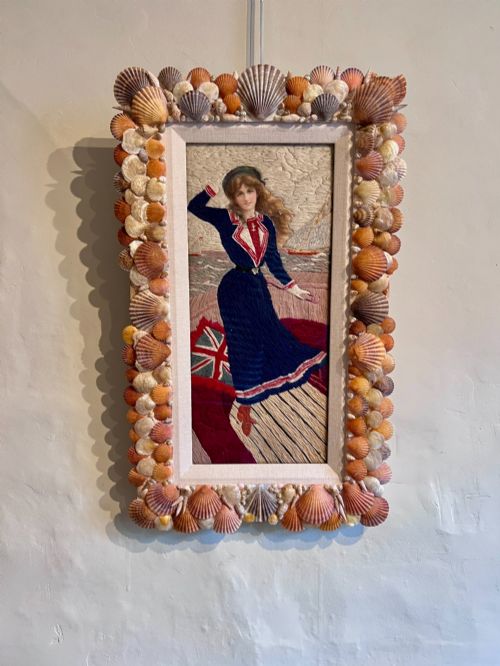
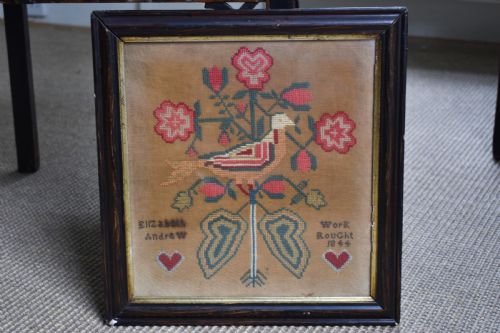
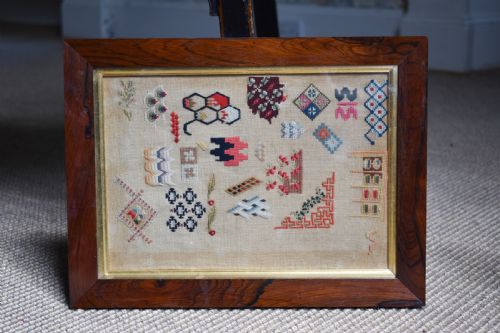
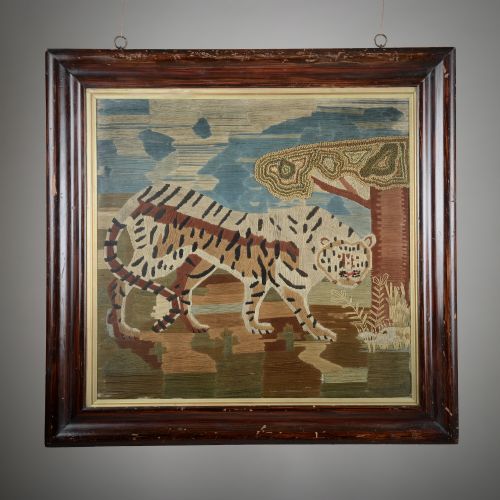
The most common examples on this page date from the nineteenth century, including Victorian Berlin work, woolies depicting sailors or animals, and detailed silk pictures. Earlier seventeenth and eighteenth-century needlework pictures also appear, alongside structured samplers and figurative portraits set within period frames.
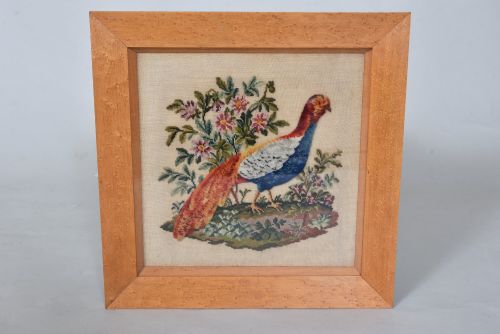
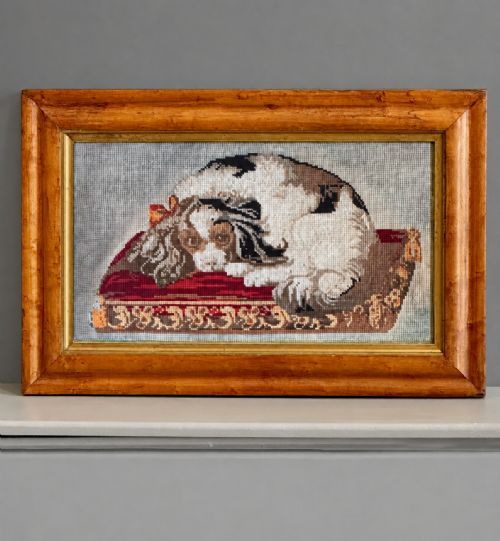
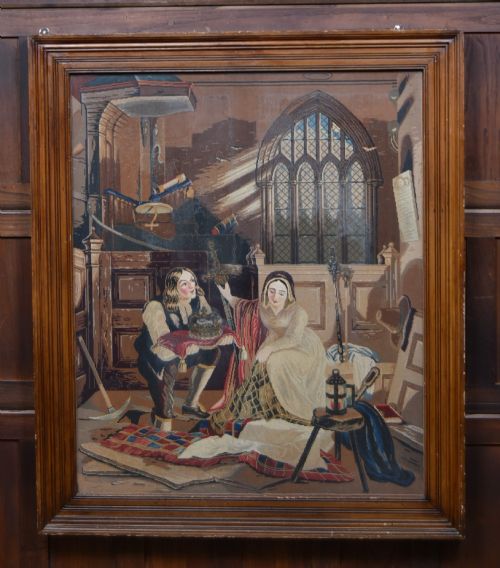
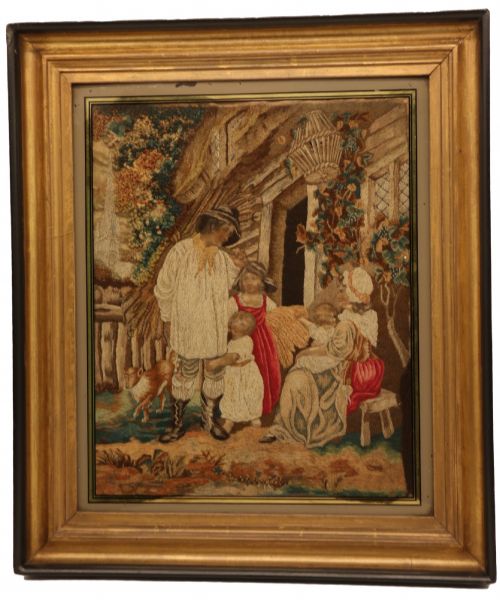
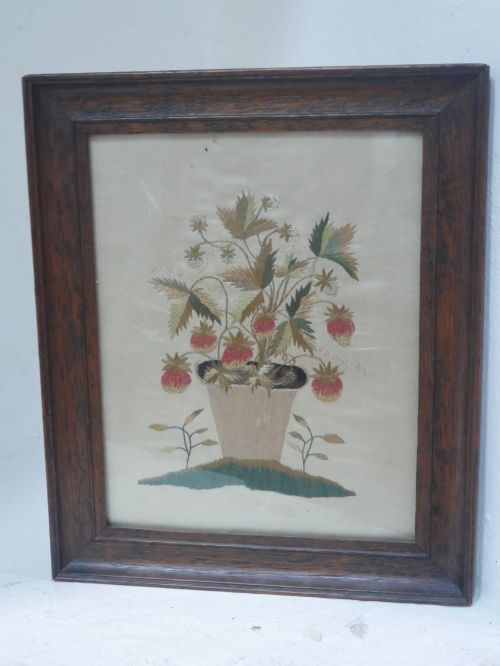
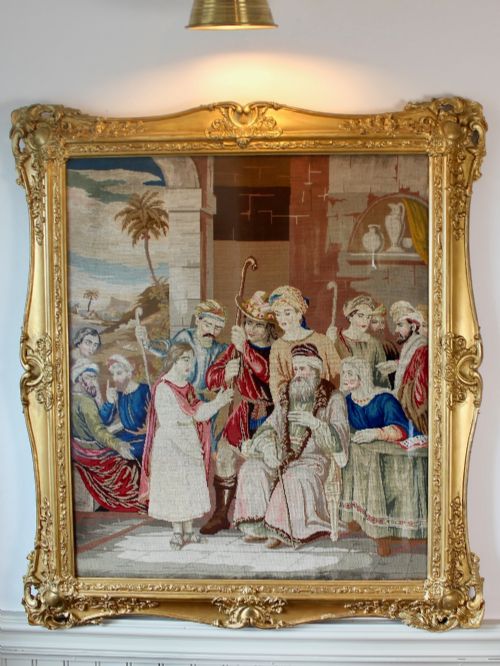
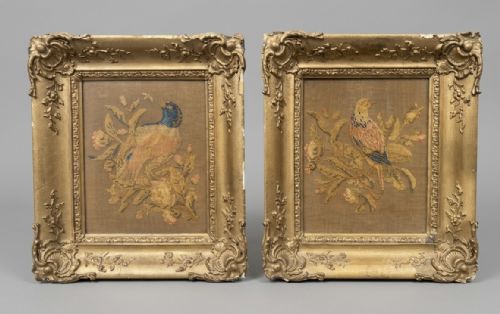
These textile works function primarily as framed wall art, varying from small intimate studies of birds and fruit to large narrative scenes depicting historical moments, literary characters, and pastoral landscapes. Each piece preserves textile techniques executed on canvas, linen, or wool supports.
Materials and execution
Makers utilised wool, silk, and linen yarns stitched onto canvas or fabric grounds to build up dense pictorial surfaces. Techniques range from fine gros-point and petit-point needlepoint to plushwork, long stitch, and beadwork additions.
Finished embroideries were secured within period surrounds such as burr maple, rosewood, verre églomisé, and carved gilt wood or gesso frames, often protected behind glass to preserve the delicate fibres.
Antique Tapestry Picture Retail Price Guide 2026
Typical asking prices for tapestry picture among the pieces listed under this phrase on Sellingantiques today, from the lower quarter to the upper quarter. They describe what is for sale here now, not the wider market.
Object types recorded across the inventory include samplers, woolies, wall panels, and framed needlework pictures depicting portraits, landscapes, and animals.
Distinctions in quality
Quality rests upon the precision of the needlework, the complexity of the stitch variety, and the artistic composition of the rendered subject. Tightly worked petit-point and finely shaded silk embroidery achieve a pictorial depth that looser, simpler stitching lacks.
The survival of original framing materials, such as burr maple or carved giltwood, elevates a piece, as does the clarity and preservation of the textile colours against fading or environmental wear.
The Antique Tapestry Picture Glossary
- Berlin work
- A style of nineteenth-century needlepoint worked in wool on canvas using charted patterns printed in colour. This technique allowed domestic makers to produce elaborate pictorial scenes with shaded realism.
- Woolie
- A form of sailor embroidery executed in wool yarn, frequently depicting naval vessels or maritime scenes. These items were often made by nineteenth-century sailors during long voyages.
- Sampler
- A piece of needlework demonstrating various stitches and alphabets, occasionally incorporating maps or pictorial motifs. They served as proof of proficiency for young makers.
- Verre églomisé
- A process of applying design and gilding to the reverse side of glass panels used within picture frames. It creates a reflective, decorative border that complements antique textiles.
Antique Tapestry Picture: Frequently Asked Questions
Are these pictures made of wool or silk?
Both materials appear frequently across the collection, often used separately or combined within a single composition. Wool provides durable texture for backgrounds and figures, while silk introduces fine detail and glossy highlights.
Needlework pictures frequently utilise wool yarns for bold foregrounds and silk threads for delicate facial expressions or flora. Linen and canvas serve as the foundation fabric for these stitched layers.
How do I date an antique tapestry picture?
Dating relies on stylistic clues, framing methods, and materials associated with specific periods such as the Georgian era or the Victorian reign. Needlework style, costume details in figures, and inscription dates provide reliable chronological markers.
Frame construction and backing boards offer secondary evidence. Burr maple and verre églomisé frames often point towards the nineteenth century, while early oak or walnut surrounds indicate older origins.
Can I hang textile art in direct sunlight?
Direct sunlight causes natural wool and silk dyes to fade irreversibly over time. Hanging these pictures away from windows and south-facing walls preserves the original colouration.
Protective glass fitted within the frame helps shield the delicate fibres from atmospheric pollutants and fluctuating moisture. LED lighting positioned at a safe distance prevents heat damage.
What is the difference between tapestry and needlework?
True tapestry is woven on a loom using warp and weft threads to build an integrated picture. Needlework is stitched by hand onto an existing woven canvas or fabric ground.
Many antique pieces described as tapestries are actually needlepoint or embroidery executed with a needle. Both forms share pictorial qualities and historical framing traditions.