





Antique Tapestry Fragments
Antique tapestry fragments bring centuries of hand-woven artistry into modern rooms, offering survivors of grand wall hangings to handle and display.
Antique Tapestry Fragments
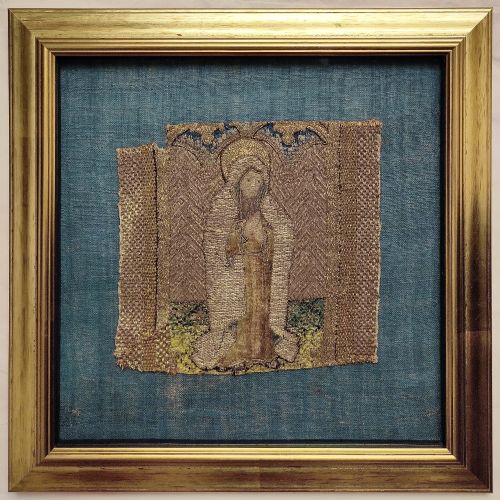
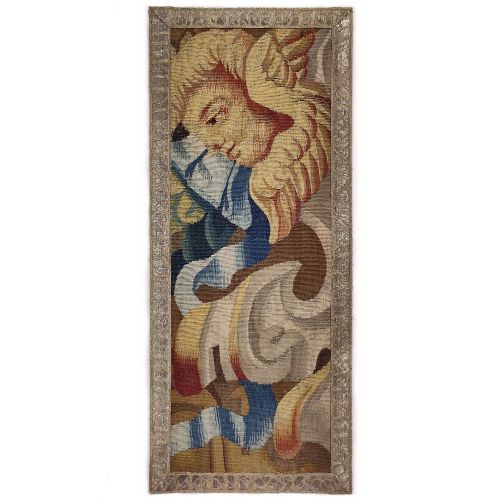
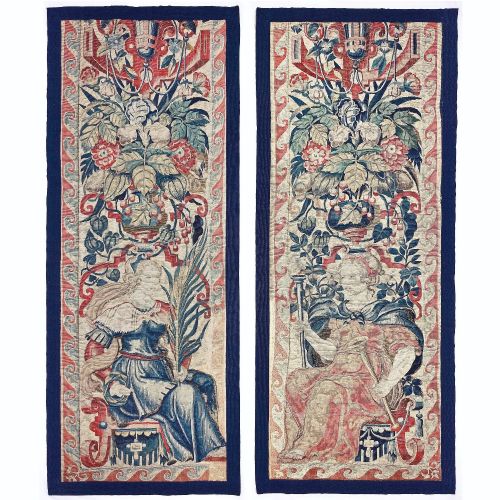
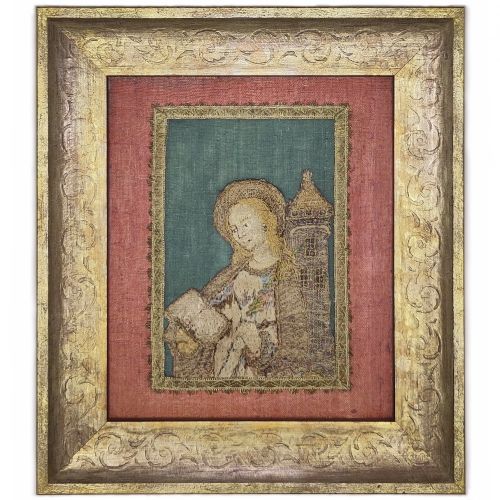
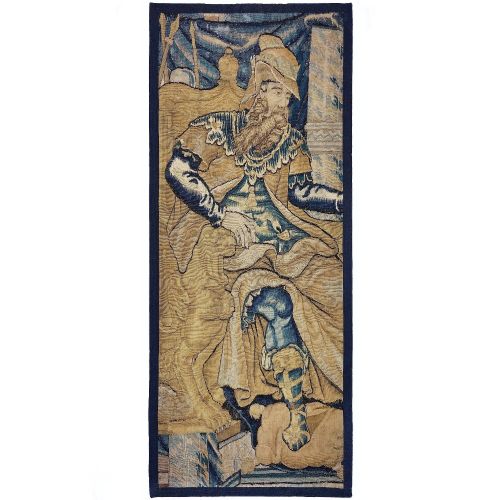
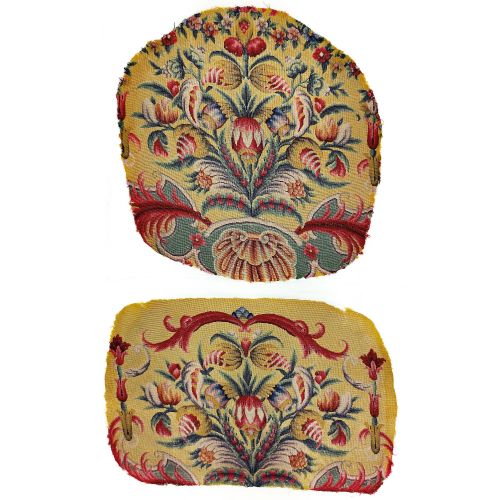
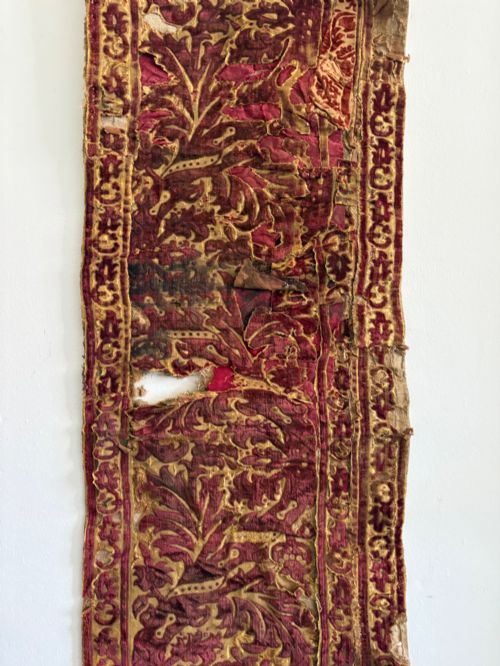
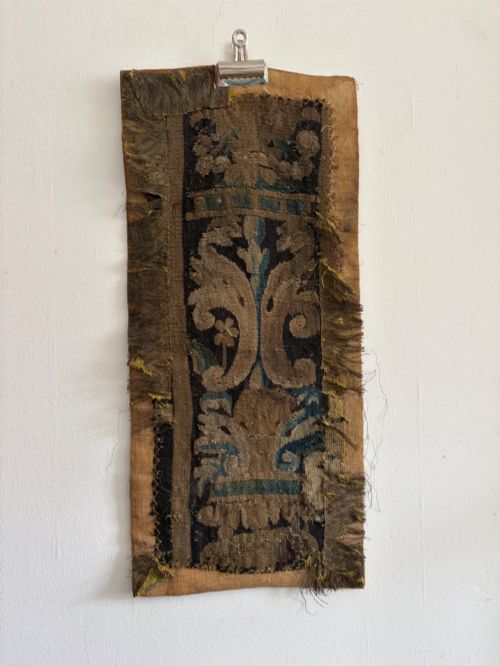
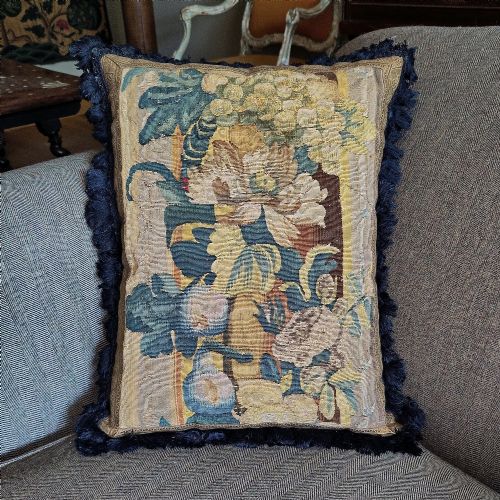
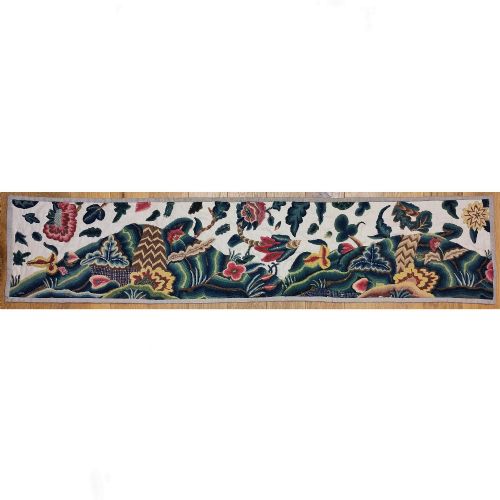
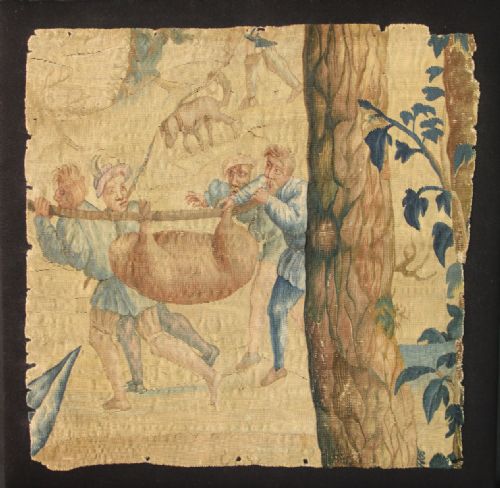
When you search for antique tapestry fragments, you encounter surviving portions of larger textile works, ranging from pre-sixteenth century church vestments to seventeenth-century Flemish pastoral scenes and eighteenth-century verdure borders. These pieces take many forms, including wall panels, framed textile art, cushions, chair seats, and border strips saved from decaying textiles.
You are most likely to meet seventeenth-century Flemish workshop pieces and border fragments mounted on linen, alongside needlework panels and tribal textile fragments from the nineteenth century. The selection spans distinct styles such as Baroque, Renaissance, Gothic Revival, and Stuart, reflecting the wide survival rate of domestic and ecclesiastical stitchwork.
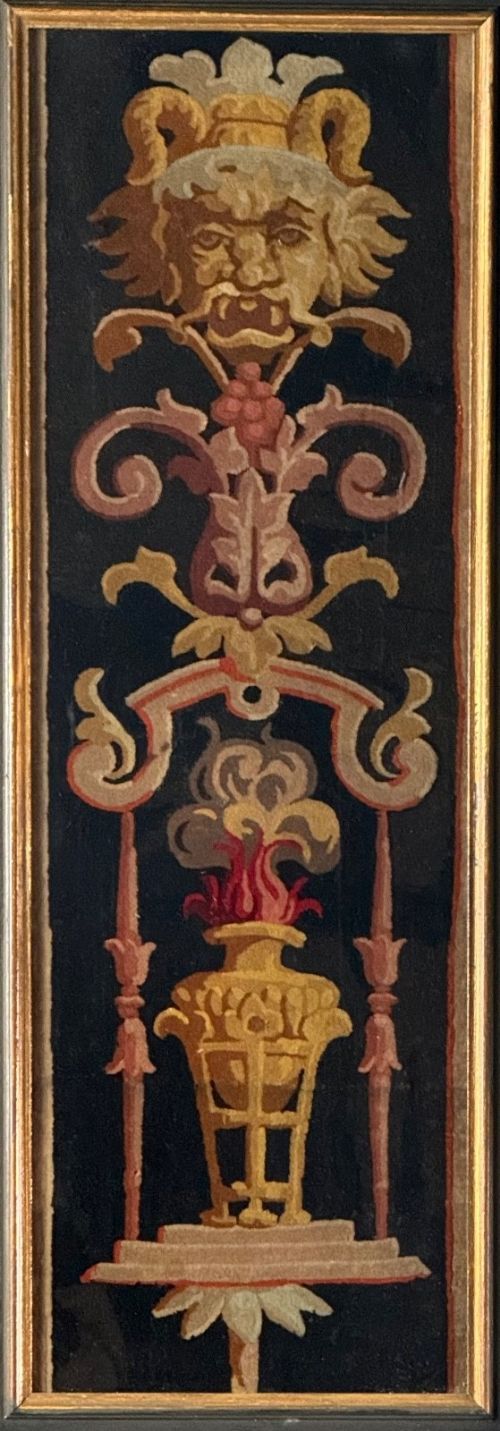
The objects often appear as isolated figures, grotesque masks, or botanical verdure motifs rather than complete pictorial narratives. Their survival relies entirely on whether a previous owner chose to frame a sturdy section, convert a border into a cushion, or mount a damaged panel onto supportive fabric.
Materials and construction methods
Weavers constructed these pieces using combinations of wool, silk, and metallic thread on foundational warps of linen, creating dense, textured surfaces designed to insulate stone walls or adorn furniture. The interplay of dyed wool and luminous silk produced shifting tones that aged into muted, harmonious palettes over centuries.
Needlework panels and pictures employ fine stitching on canvas grounds, utilising wool and silk threads to build pictorial details such as figures, royal hunting scenes, and classical grotesques. Specialised items like needlework chair seats and cushions combined heavy embroidery with wooden frames or domestic stuffing.
Tribal textiles from the nineteenth century utilise distinct flat-weave and soumak techniques in wool and cotton, producing structured panels with geometric motifs. Many surviving fragments incorporate modern linen backings applied to stabilize fragile borders and prevent further loss of the ancient weave.
Antique Tapestry Fragments Retail Price Guide 2026
Typical asking prices for tapestry fragments among the pieces listed under this phrase on Sellingantiques today, from the lower quarter to the upper quarter. They describe what is for sale here now, not the wider market.
Listings feature textile artefacts spanning from pre-sixteenth century ecclesiastical panels to nineteenth-century tribal soumak mafrash faces.
Factors of quality and execution
The density and complexity of the weave set superior fragments apart, particularly in Flemish wool and silk works where finer yarn counts allowed for nuanced facial expressions and intricate botanical foliage. A master weaver achieved depth through subtle colour transitions rather than harsh lines.
The condition of the surviving material and the integrity of its early mounting dictate the visual power of a panel. Pieces that retain their original metallic threads and vibrant silk highlights demonstrate superior dye quality and careful historical preservation.
Compositional balance determines the aesthetic success of a fragment salvaged from a larger narrative. The most compelling pieces present a coherent central subject, such as an embroidered figure or a complete grotesque mask, rather than a random cut of background foliage.
The Antique Tapestry Fragments Glossary
- Verdure
- A tapestry style dominated by lush foliage, trees, and plants, often featuring distant animals or game parks. These landscapes formed the background of many grand domestic interiors.
- Orphrey
- An embroidered band or panel ornamenting ecclesiastical vestments, frequently incorporating religious figures and sacred imagery. Medieval examples often feature opus anglicanum needlework.
- Soumak
- A flat-weave textile technique involving wrapping weft threads around the warp to create a textured, braided surface. This method appears on tribal pieces from the Caucasus and Persia.
- Grotesque
- A decorative style characterised by whimsical figures, masks, and mythical creatures intertwined with foliage. Popular in Renaissance and seventeenth-century design.
- Toile de Jouy
- A cotton or linen fabric printed with a monochromatic pastoral or historical scene, typically in red or blue on a light ground. Eighteenth-century examples depict allegorical subjects.
Antique Tapestry Fragments: Frequently Asked Questions
How were tapestry fragments used originally?
Large tapestries insulated cold stone walls in castles and grand houses, while smaller sections served as furniture coverings, cushions, and decorative borders. Ecclesiastical fragments originated from church vestments and altar hangings.
Over time, damaged or oversized wall hangings were cut down, allowing portions to be repurposed as domestic furnishings or mounted for display.
How do I hang a textile fragment safely?
Mounting a fragment onto a padded linen backing distributes the weight evenly across the entire textile, preventing strain on fragile ancient fibres. Professional framers use conservation-grade stitching rather than adhesives.
Keep mounted textiles away from direct sunlight to protect silk and wool yarns from fading and further degradation.
What is the difference between tapestry and needlework?
Tapestries are woven on a loom by interlacing warp and weft threads to build an image from scratch. Needlework is stitched by hand onto an existing woven canvas or fabric ground using a needle.
Both techniques produced pictorial panels and cushion covers, but needlework relies on embroidery stitches rather than structural weaving.
Can I use antique fragments as upholstery?
Sturdier needlework panels and heavy seventeenth-century fragments were historically used for chair seats and cushions, but surviving historic textiles require careful consideration. Using fragile silk or sixteenth-century wool under daily friction risks destroying the remaining weave.
Displaying them as framed art or decorative wall panels remains the safest method for preserving their structure.