



Antique Tapestry Couch
These antique tapestry couches combine timber frames with heavy woven textiles, offering traditional seating with distinct historic character.
Antique Tapestry Couch
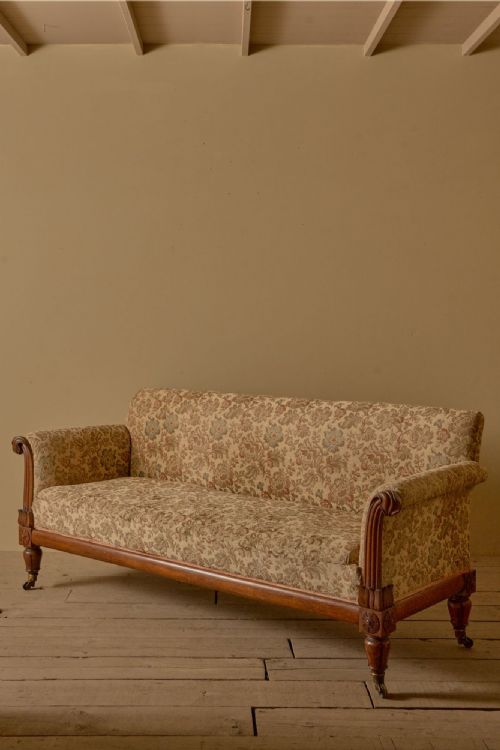
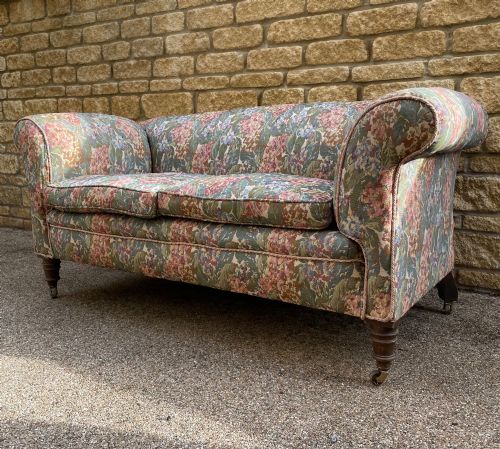
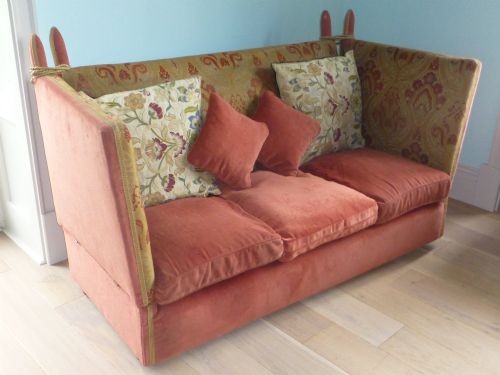
An antique tapestry couch brings heavy woven textiles and traditional timber frames into a room, serving as both a functional seat and a striking decorative centrepiece. When exploring the category of antique tapestry couch, buyers encounter various seating forms including settees, daybeds, and two-seater or three-seater sofas.
The pieces appearing on this page span several periods, notably the nineteenth century, Victorian era, and Edwardian times. Forms range from heavy walnut Chesterfields and drop-arm settees to gilt carved frames and French salon pieces.
Materials and construction methods
Construction relies primarily on sturdy timbers such as rosewood, walnut, and general wood framing, often paired with brass detailing or intricate carved finishes. These foundational structures support soft upholstery fabric and textile coverings.
Makers utilised traditional joinery and carving techniques to shape frames in styles like Rococo Revival, Arts and Crafts, and Louis XV. The integration of tapestry textiles involved careful tensioning and tacking over padded seating foundations.
Antique Tapestry Couch Retail Price Guide 2026
Typical asking prices for tapestry couch among the pieces listed under this phrase on Sellingantiques today, from the lower quarter to the upper quarter. They describe what is for sale here now, not the wider market.
Listings feature items spanning the eighteenth century through to the Edwardian period, utilising rosewood, walnut, brass, and tapestry fabric.
Assessing quality and craftsmanship
Superior examples demonstrate meticulous timber carving and robust frame stability, distinguishing finer cabinet work from simpler builds. The crispness of carved details, such as giltwork or inlaid rosewood, indicates the skill invested in the wooden structure.
The integrity and tightness of the upholstery and textile weave dictate the overall standard of the piece. Well-preserved fabric panels and substantial spring or stuffing support elevate the desirability of a couch.
The Antique Tapestry Couch Glossary
- Drop-arm sofa
- A couch featuring one or both arms designed to lower via a mechanical hinge, creating a surface for reclining.
- Knowle sofa
- An early upholstered seating form characterised by high, adjustable or hinged arms held in place by decorative cords or bands.
- Chesterfield settee
- A deep-buttoned upholstered couch traditionally featuring arms and back of the same height.
- Gilt carved
- Timber frames treated with a thin layer of gold leaf applied over a prepared surface and shaped with sculptural chisel work.
Antique Tapestry Couch: Frequently Asked Questions
What is an antique tapestry couch?
These items are historic seating furniture built with wooden frames and covered in woven decorative textiles. They function as large decorative seats for living spaces and formal rooms.
Such couches reflect specific historical design movements, ranging from ornate French styles to sturdy English framework traditions.
How do I date a settee?
Dating relies on examining the timber species, framing style, and structural joinery methods. Different decades favoured distinct silhouettes, from heavy Victorian curves to streamlined Edwardian proportions.
Secondary indicators include the specific type of upholstery webbing, nails, and textile weave patterns associated with known manufacturing eras.
Where should I place a couch?
These large seating forms suit principal reception rooms, hallways, or spacious bedrooms where their historic presence can be fully appreciated. Positioning them away from direct sunlight protects the woven textiles from fading.
Allowing sufficient clearance around the furniture highlights the carved wooden frames and detailed upholstery edges.
How are these sofas cleaned?
Maintenance requires gentle surface dusting using a soft brush to remove particles trapped within the woven textile fibres. Professional textile cleaning is generally advised for older fabrics to prevent shrinkage or dye transfer.
Wooden framework benefits from occasional polishing with appropriate wax formulations to nourish the grain without touching the fabric.