



Antique Tapestry Border
An antique tapestry border brings architectural structure and rich textile texture to an interior, salvaged from larger wall hangings or woven as narrow decorative bands.
Antique Tapestry Border
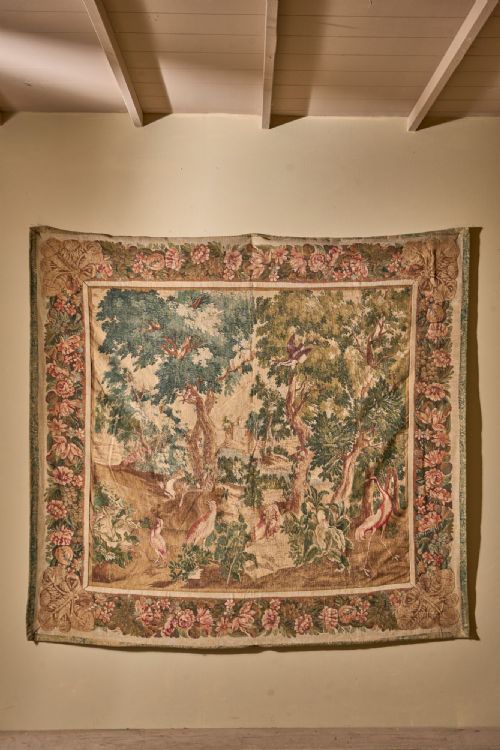
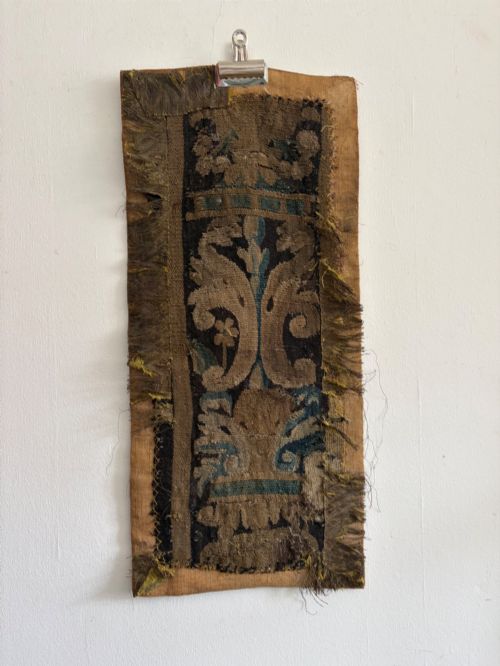
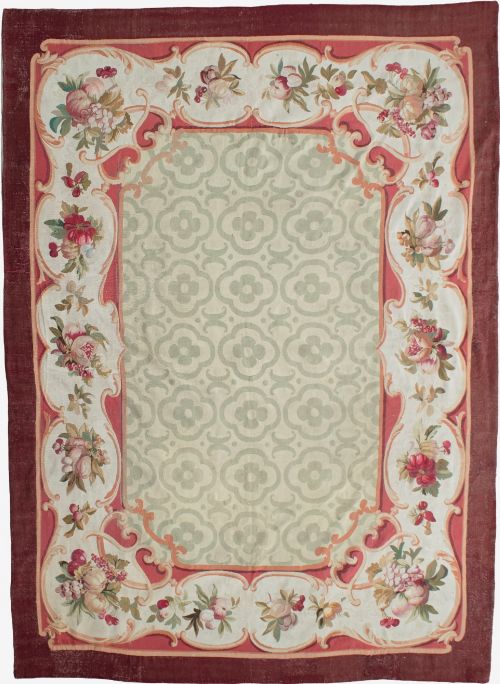
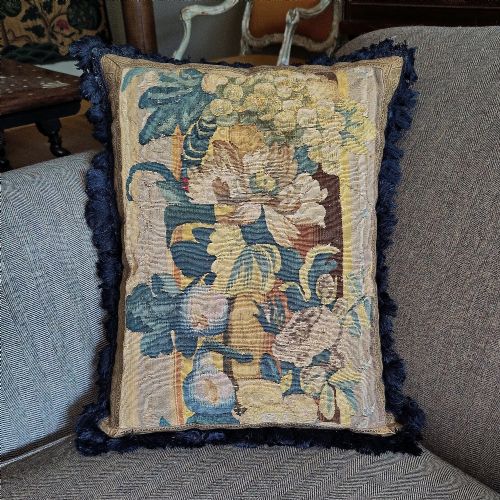
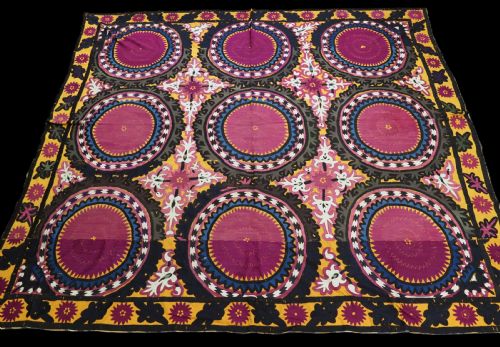
When you search for an antique tapestry border, you encounter fragments salvaged from larger wall hangings, dedicated narrow panels, or cushion covers fashioned from historic textile segments. The pieces seen here span centuries of European textile production, ranging from seventeenth-century Flemish fragments to nineteenth-century French panels and carpets.
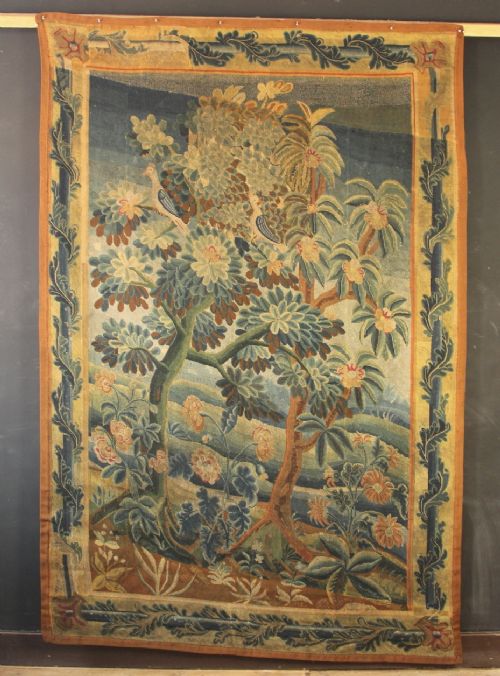
The selection frequently includes verdure panels depicting stylised foliage and landscape elements, alongside mounted fragments and cushions. These textiles served originally to frame grand rooms or define architectural spaces, and today they function as wall hangings, runners, or decorative accents.
Factors influencing quality and preservation
Quality rests upon the fineness of the weave, the complexity of the polychrome palette, and the integrity of the surviving pictorial design. Early Flemish and French examples demonstrate meticulous detail in foliage and figures, whereas later nineteenth-century interpretations vary in density and chromatic depth.
Condition plays a decisive role, distinguishing stable mounted fragments with intact selvedges from panels suffering extensive fibre loss or historic repairs. The skill of the original weaver dictates whether a narrow border retains sharp architectural definition and tonal variation.
Listings feature textiles spanning from the sixteenth century to the 1930s, incorporating wool, silk, linen, cotton, metal thread, and giltwood.
The Antique Tapestry Border Glossary
- Verdure tapestry
- A wall hanging or border dominated by landscape and botanical motifs, such as trees, foliage, and plants. These scenes were immensely popular across seventeenth- and eighteenth-century European workshops.
- Flemish tapestry
- A textile produced in the historical region of Flanders, renowned for fine wool and silk weaving. These pieces often depict dense allegorical or pastoral compositions.
- Aubusson
- A style of carpet and tapestry originating from the French town of Aubusson, known for neoclassical and floral designs. They typically exhibit a lighter palette than earlier Flemish works.
- Kilim
- A flatwoven carpet or rug produced without a pile, utilising slit-weave techniques. Bessarabian and Senneh examples appear within this textile tradition.
- Needlework
- A textile decorated with hand-sewing stitches applied to a foundation fabric rather than formed on a loom. Samplers and needlepoint panels fall into this category.
Antique Tapestry Border: Frequently Asked Questions
How were tapestry borders used originally?
Makers wove narrow tapestry borders to frame large wall hangings, edge furniture, or line doorways in noble residences. They provided a decorative transition between grand pictorial scenes and the plain architectural walls.
Over time, owners repurposed these long bands into table runners, cushion covers, or independent wall panels as the original room schemes were dismantled.
How do I hang a textile fragment safely?
Mounting a textile fragment to a supportive linen backing distributes the physical weight evenly across the entire surface. Conservators often attach a Velcro heading system to secure the panel flat against the wall without puncturing the historic fibres.
Keep mounted textiles away from direct sunlight and fluctuating humidity to protect delicate wool and silk yarns from degradation.
How can I tell seventeenth-century pieces apart from nineteenth-century ones?
Seventeenth-century fragments typically display muted vegetable-dyed wools and denser, more complex verdure or figurative designs. The hand-spun yarns often show subtle tonal irregularities unique to early dyeing methods.
Nineteenth-century revivals, such as French Aubusson style panels, tend to feature brighter synthetic or improved mordant colours and more regular mechanical consistency in the weave structure.
Can tapestry cushions be used on chairs?
Cushions fashioned from historic tapestry borders add texture and historical character to seating furniture. However, fragile silk and wool pile requires gentle daily use to prevent premature wear on the face of the fabric.
Rotating the cushions periodically ensures even distribution of pressure and light exposure across the antique textile surface.