


Antique Tallboy Legs
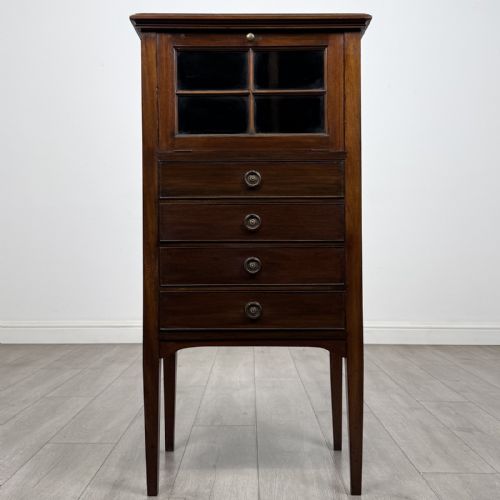
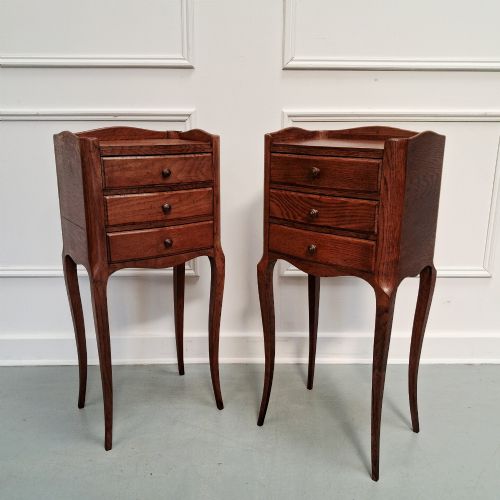
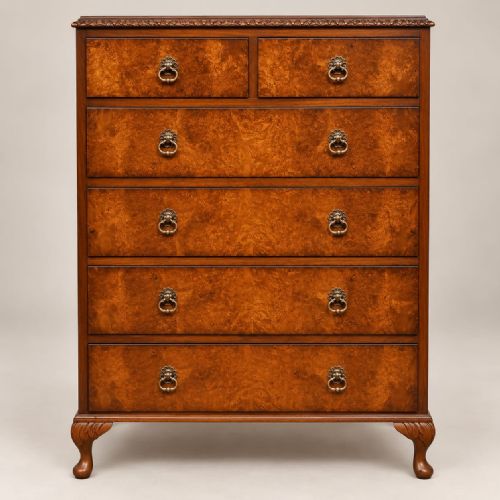
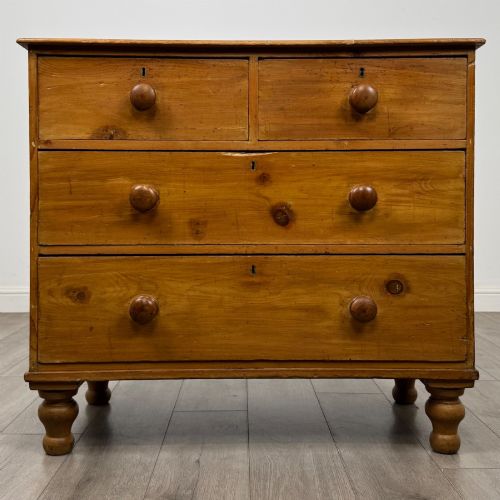
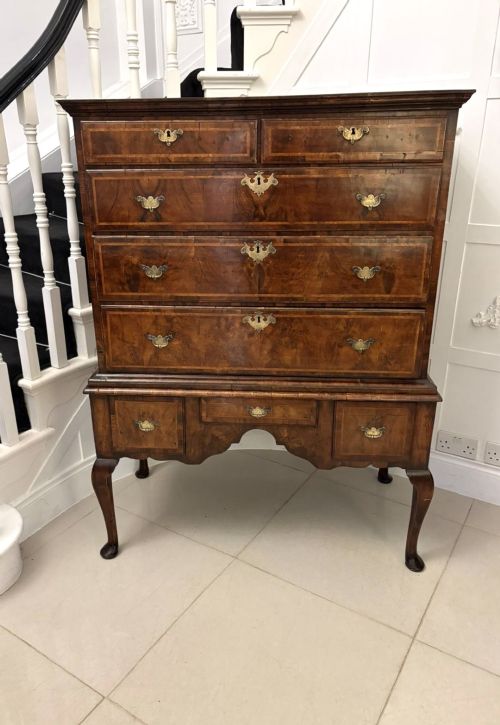
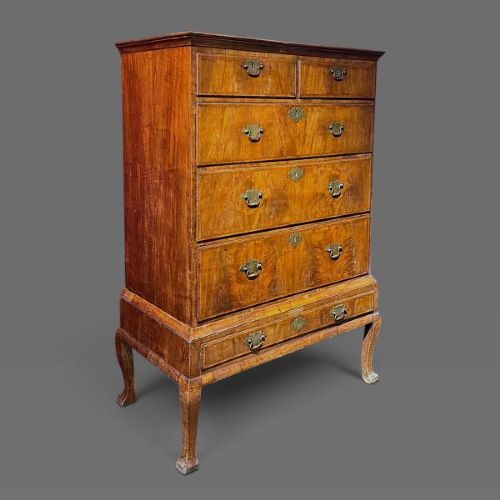
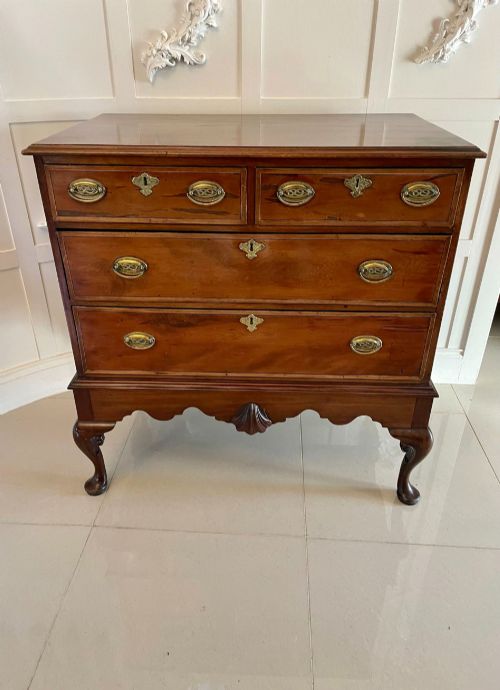
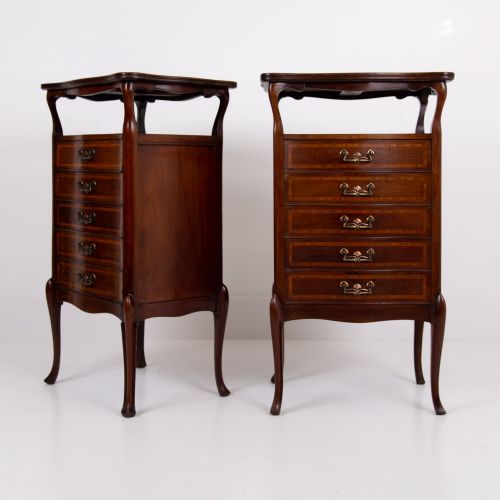
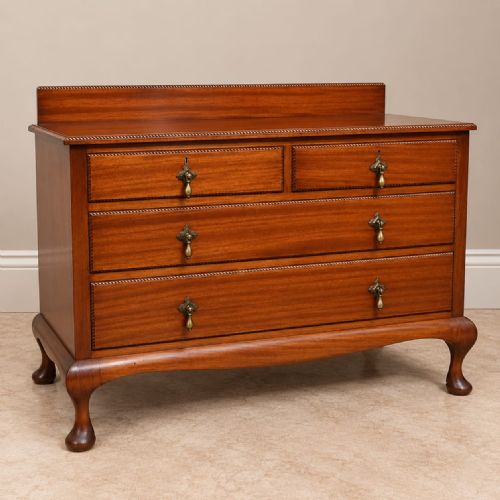
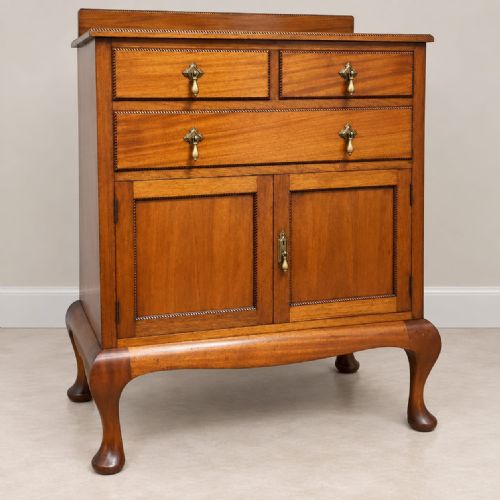
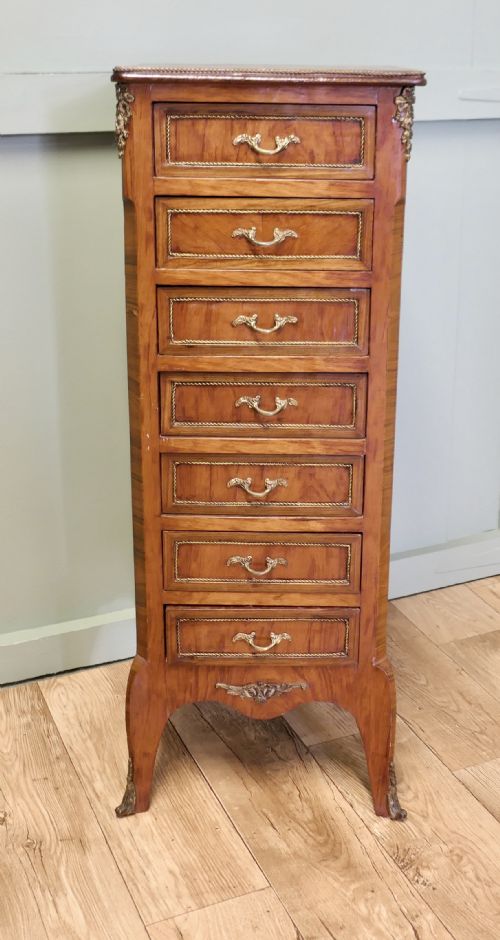
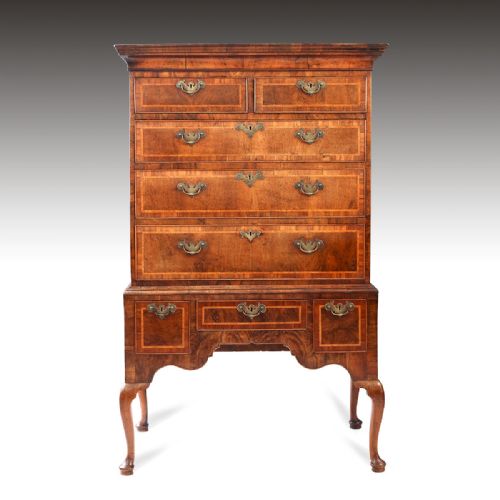
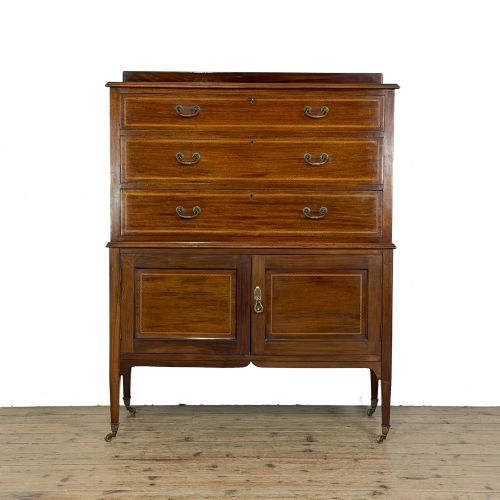
These antique tallboy legs anchor tall chests, chests on stands and cabinets, lifting heavy storage furniture cleanly off the floor.
Antique Tallboy Legs
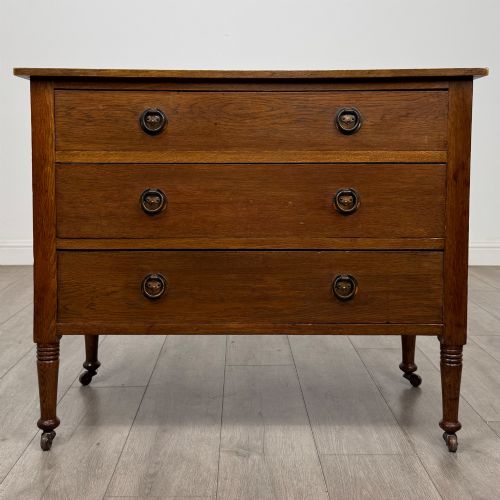
When you search for antique tallboy legs, you encounter supports belonging to tall chests of drawers, chests on stands and two-piece tallboys dating from the seventeenth century through the Edwardian era and the 1930s. The listings here show these forms spanning periods such as Queen Anne, George III, Regency and the Edwardian decades.
The version most commonly met on this page is the integrated or associated stand associated with walnut, oak or mahogany chests. These range from early eighteenth-century Queen Anne walnut pieces to later Edwardian and twentieth-century interpretations.
Materials and construction
Carpenters and cabinetmakers utilised solid timbers such as oak, mahogany and walnut, frequently applying burr walnut veneer or crossbanding to the main bodies and structural supports. Brass handles, escutcheons and occasional ormolu mounts complete the hardware of these storage items.
Joinery methods adapted to the period, from seventeenth-century oak framing to eighteenth-century walnut veneer work and twentieth-century cabinet construction.
The listings span from the seventeenth century through Georgian and Edwardian eras up to the 1930s, using oak, walnut and mahogany.
Assessing quality and proportion
The distinction between tiers rests on timber selection, such as figured mahogany or highly figured burr walnut, paired with the harmony between the upper chest and its supporting stand or legs. Original surfaces and period-correct timber movement distinguish superior examples from later replacements or heavily altered pieces.
Proportion dictates the visual success of tall furniture on legs, where the height of the base balances the mass of the drawers above.
Druce & Co
The Antique Tallboy Legs Glossary
- Tallboy
- A tall chest of drawers, often built in two sections with a lower chest or stand supporting an upper case.
- Chest on stand
- A chest of drawers raised on a separate or integrated frame with legs, prevalent in the seventeenth and eighteenth centuries.
- Crossbanding
- A decorative border of veneer laid with the grain running perpendicular to the surrounding wood.
- Veneer
- A thin layer of fine wood applied to a secondary timber base to create patterned exterior surfaces.
- Caddy top
- A moulded top on a chest of drawers resembling the lid of a tea caddy.
Antique Tallboy Legs: Frequently Asked Questions
What is a tallboy?
A tallboy is a tall chest of drawers that provides vertical storage while occupying a compact floor footprint. They evolved from earlier chests on stands into substantial two-piece bedroom furniture.
Many examples separate into an upper and lower section for easier transport and placement within domestic spaces.
How do I identify a Queen Anne leg?
Queen Anne legs typically feature a cabriole shape that curves outward at the knee and tapers inward down to a pad or club foot. This graceful silhouette defined seating and case furniture from the early eighteenth century.
Later revival periods replicated these distinctive lines on twentieth-century walnut chests and stands.
Are these legs usually original?
Many tall chests and chests on stands retain their original integrated or associated bases, though centuries of domestic use mean some supports have undergone repair or replacement.
Examining the timber grain, joining methods and wear patterns helps determine whether a base belongs to the upper chest.
How do I care for antique walnut?
Antique walnut furniture requires stable indoor humidity levels away from direct heat sources and strong sunlight to prevent timber splitting or veneer lifting. Gentle dusting with a dry, soft cloth preserves the polished surface.
Occasional application of appropriate wax feeding protects the grain without building up heavy chemical residues.