

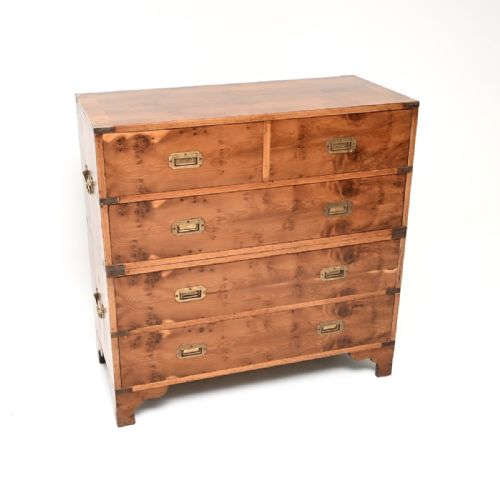
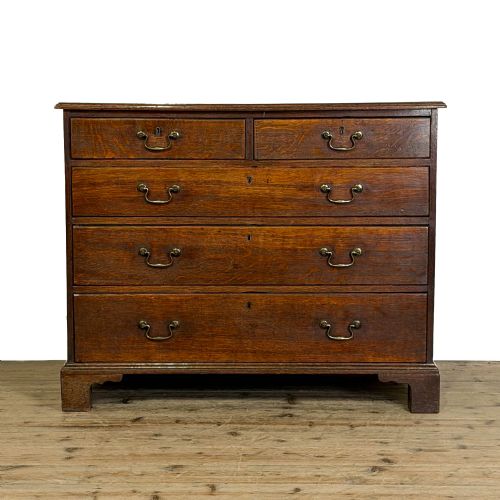
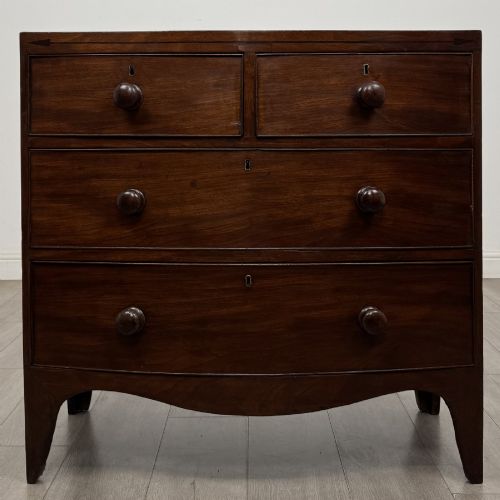
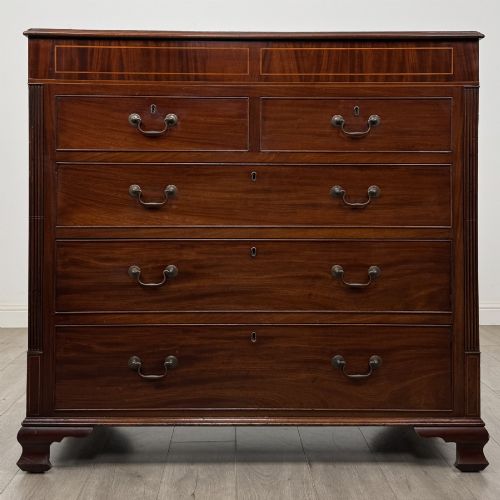
Antique Tallboy Dresser
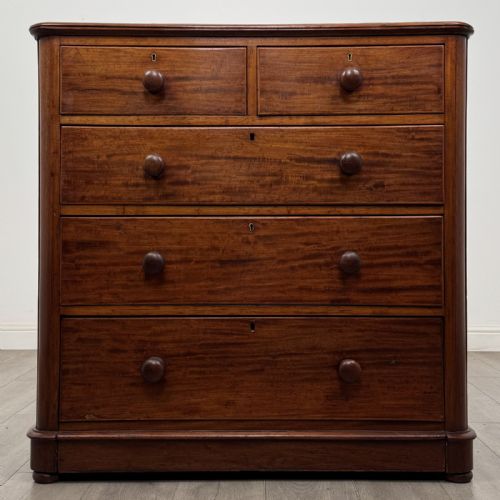
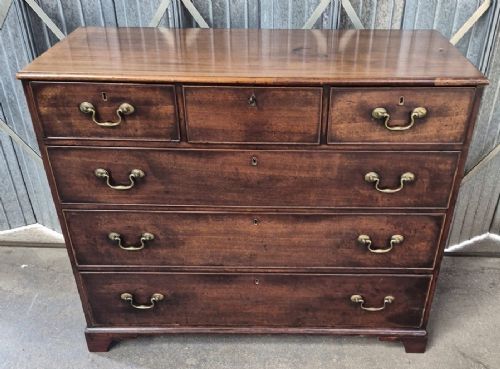
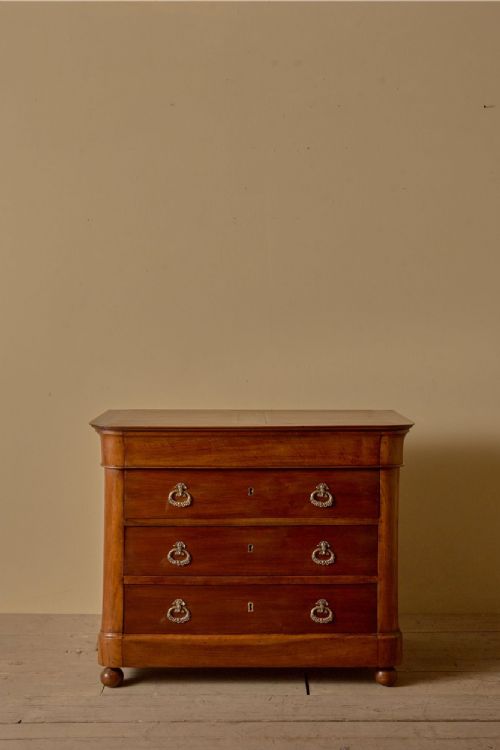
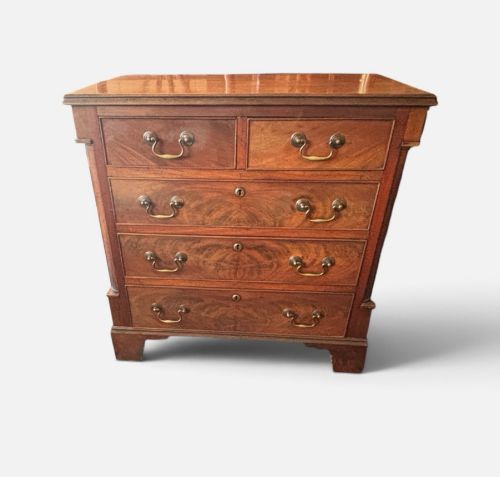
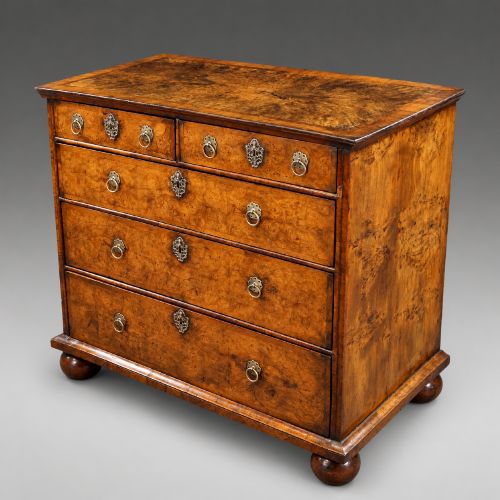
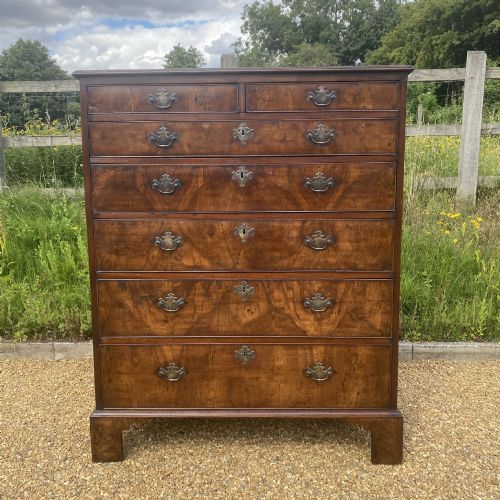
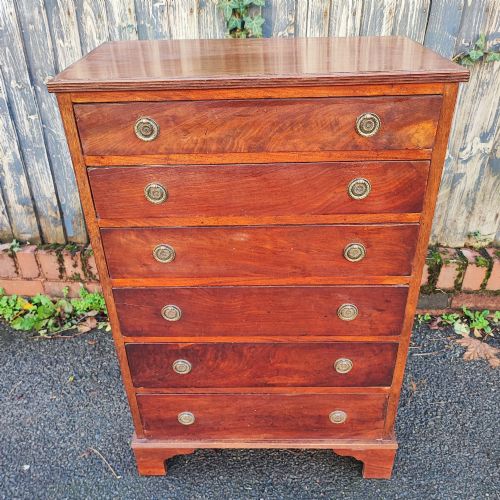
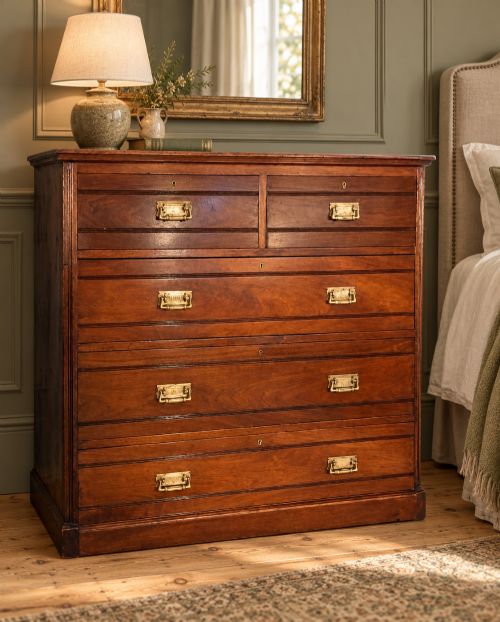
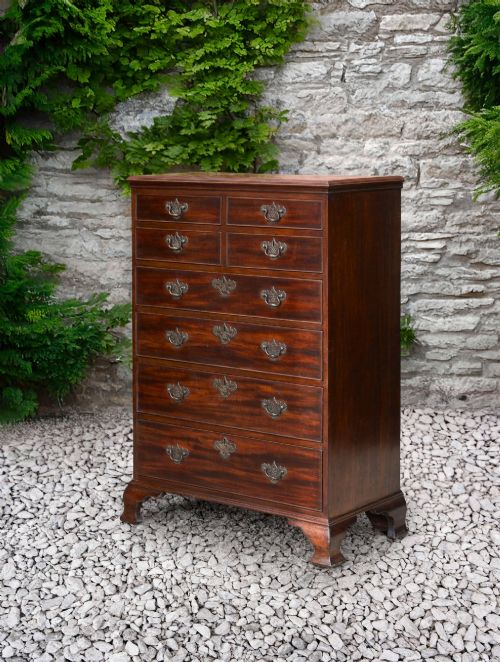
These pieces known as an antique tallboy dresser combine generous vertical storage with architectural presence.
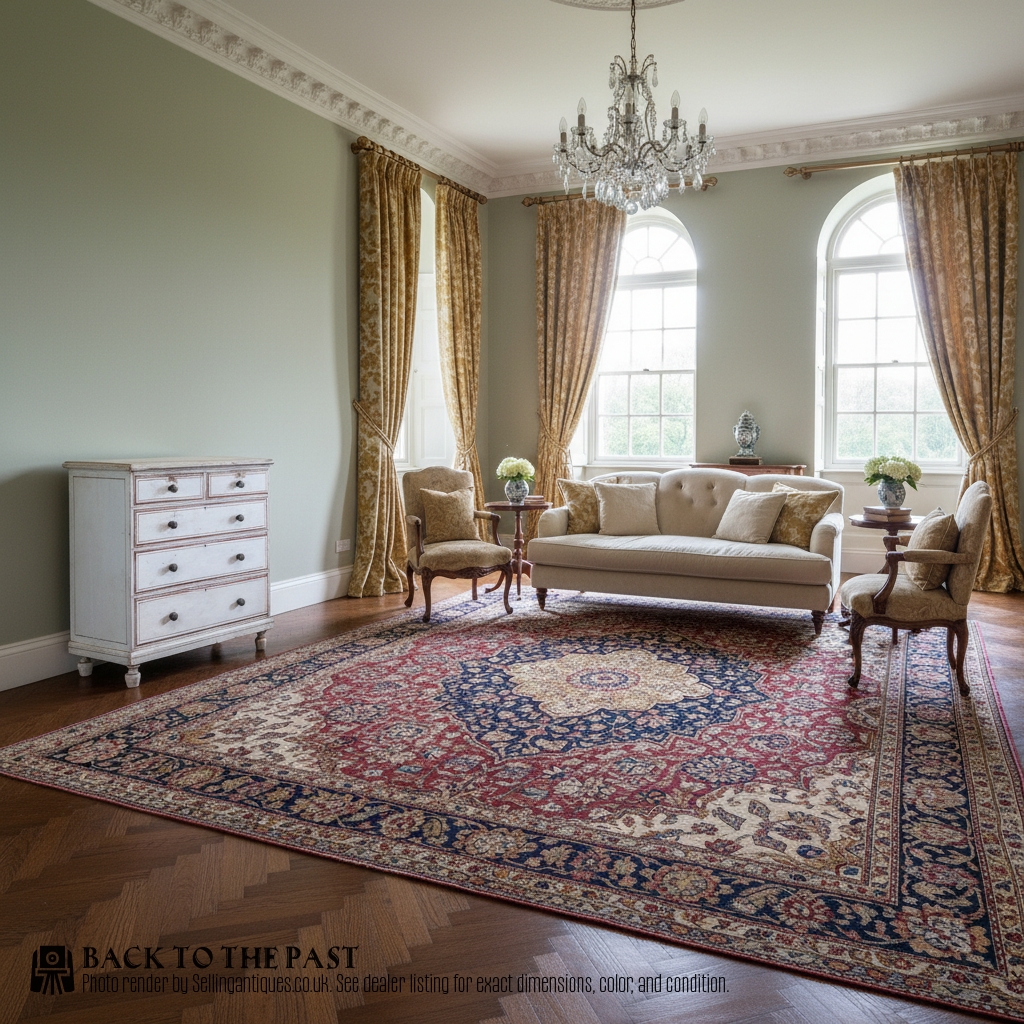
Antique Tallboy Dresser
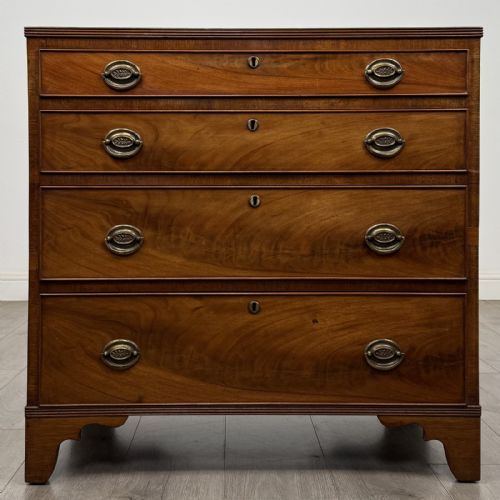
When you search for an antique tallboy dresser, you encounter pieces primarily categorised as chests of drawers and cabinets spanning the eighteenth, nineteenth and early twentieth centuries. These forms provide substantial vertical storage through stacked drawer configurations.
The pieces on this page appear in styles ranging from Georgian and Regency to Victorian, Edwardian and Art Deco. Mahogany, oak and walnut dominate the structural forms alongside pine and flame mahogany veneer.
Most examples originate from British traditions, though Swedish and French influences also occur within the broader selection of tall storage furniture.
How they were made
Cabinet makers utilised solid timbers such as oak, mahogany and walnut for primary carcases, often applying figured veneers like flame mahogany and burr walnut to drawer fronts for visual depth. Brass hardware, including drop handles and key escutcheons, punctuate the timber surfaces.
Joinery methods rely on traditional drawer construction paired with structural framing in pine and iron for internal support. Surface finishes highlight the natural grain of the wood through polishing and cabinet work techniques.
Antique Tallboy Dresser Retail Price Guide 2026
Typical asking prices for tallboy dresser among the pieces listed under this phrase on Sellingantiques today, from the lower quarter to the upper quarter. They describe what is for sale here now, not the wider market.
Materials recorded across the selection include brass, iron, oak, mahogany, walnut, pine and flame mahogany veneer.
What varies in quality
The distinction between standard examples and superior pieces rests upon the selection of timber veneers, such as figured walnut or flame mahogany, and the precision of the cabinet work. Finer items exhibit careful matching of wood grains across multiple drawer tiers.
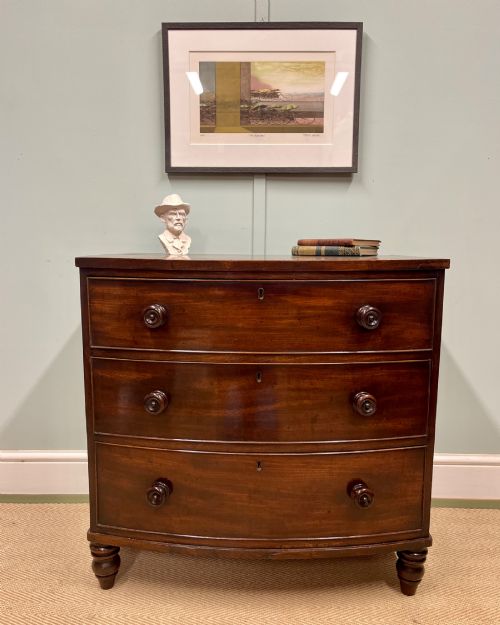
Design sophistication also separates the range, with serpentine and bow front profiles or specialist details like brushing slides and carved grotesque ornamentation marking out the more ambitious commissions.
Whytock and Reid·T and G Seddon·Sir Clough Williams-Ellis
The Antique Tallboy Dresser Glossary
- Tallboy
- A tall chest of drawers, typically comprising a double chest configuration where a smaller chest sits atop a larger base unit.
- Bow front
- A cabinet or chest front that curves outward in a convex shape, popular during the Georgian and Regency periods.
- Brushing slide
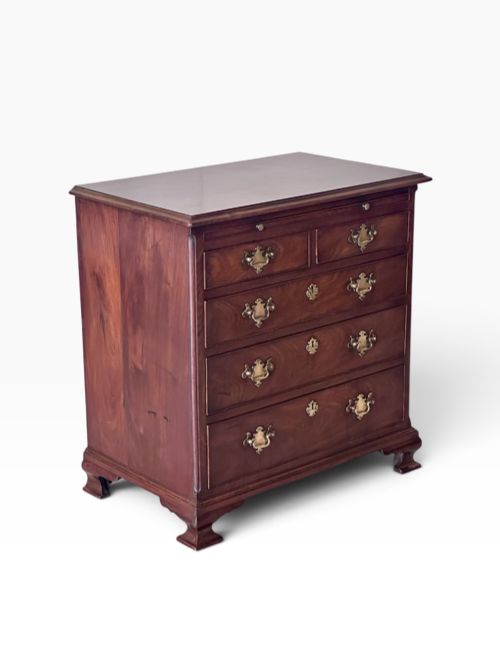
- A pull-out shelf integrated into the chest frame, historically used for folding clothes or writing.
- Flame mahogany
- A veneer cut from the branch junction of a mahogany tree, showing a distinctive flickering flame pattern.
- Serpentine front
- A front configuration featuring a central convex curve flanked by concave sweeps.
- Biedermeier
- A Central European style of furniture from the mid-nineteenth century focusing on utilitariansim and clean lines.
Antique Tallboy Dresser: Frequently Asked Questions
What is a tallboy dresser?
A tallboy dresser is a stacked vertical chest of drawers designed to maximise storage capacity while maintaining a relatively small floor footprint.
These pieces typically combine multiple smaller drawers at the top with deeper drawers below.
Where should I place a tallboy?
These tall chests suit bedrooms, dressing rooms or hallways where floor space is limited but vertical wall capacity is available.
Their substantial height allows them to serve as a primary storage anchor within a room without dominating the floor plan.
How do I identify Georgian pieces?
Georgian pieces generally display restrained classical proportions, solid mahogany or oak construction, and understated brass drop handles.
Look for traditional craftsmanship details such as hand-cut dovetails on the drawer interiors.
What is veneer work?
Veneer work involves applying thin slices of decorative wood, such as burr walnut or flame mahogany, over a stable secondary timber carcase.
This technique allows makers to display striking grain patterns that would be structurally unstable if carved from solid wood.