

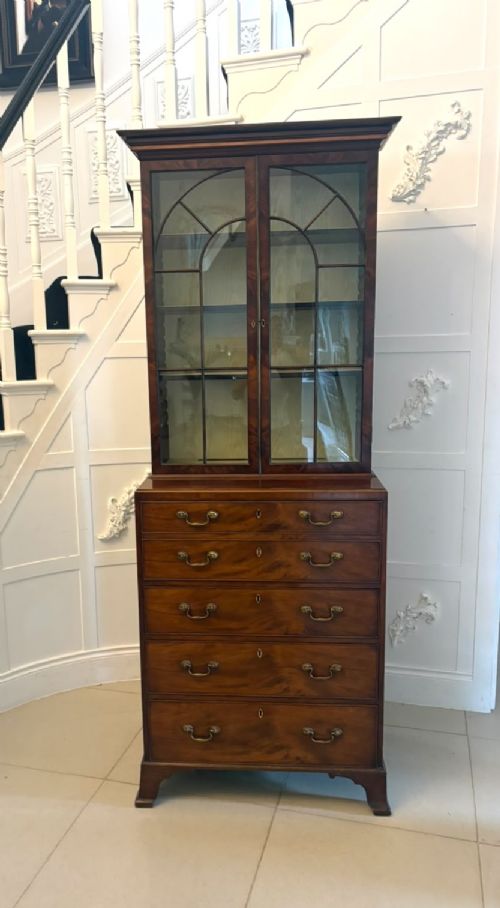
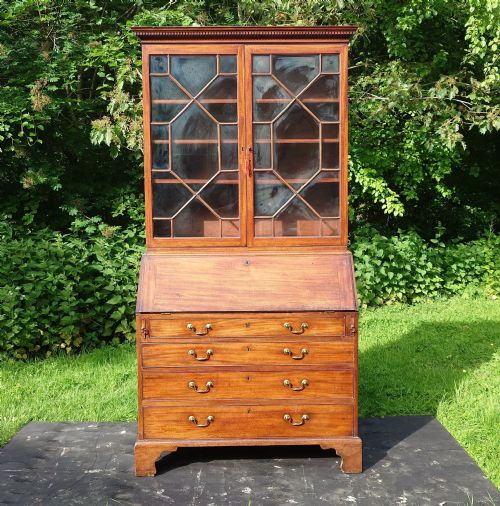
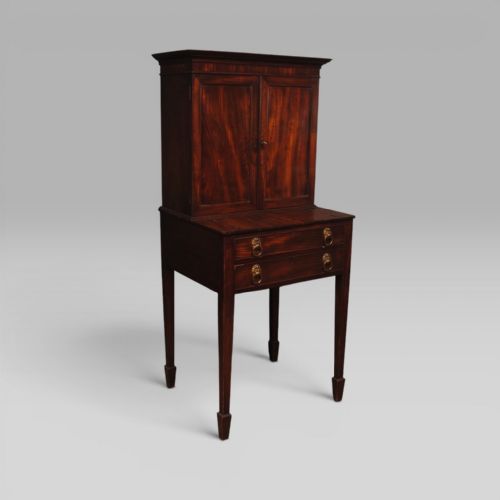
Antique Tall Writing Cabinet
An antique tall writing cabinet combines vertical storage with a dedicated fall-front desk space, offering an imposing architectural presence for modern interiors.
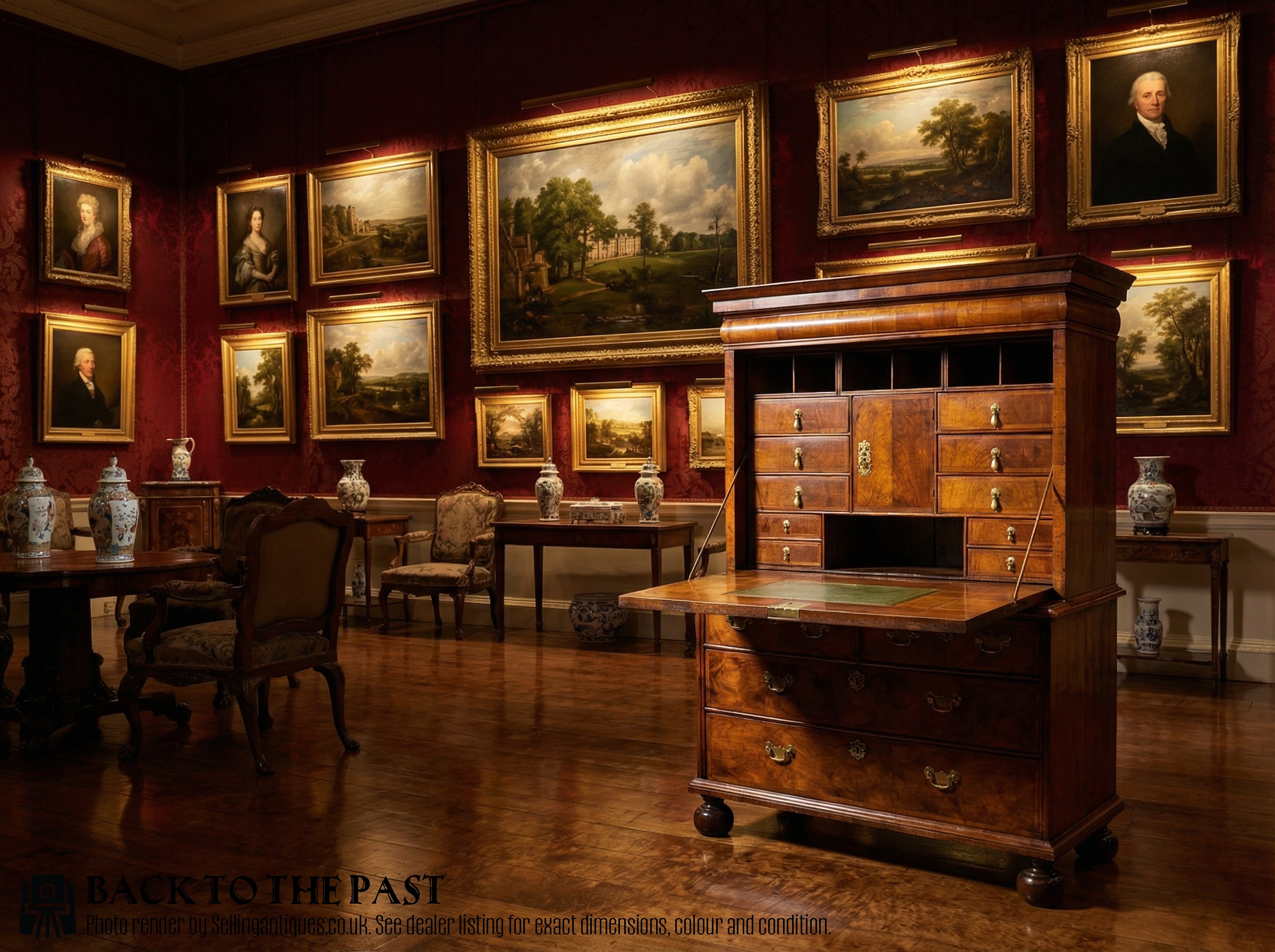
Antique Tall Writing Cabinet
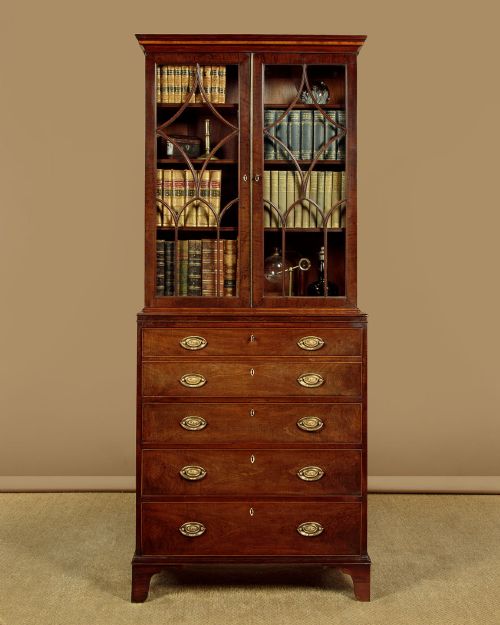
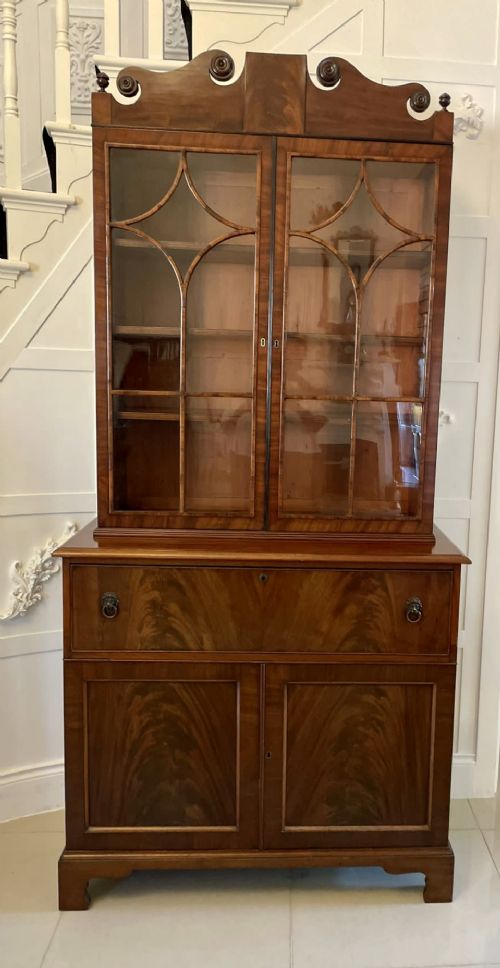
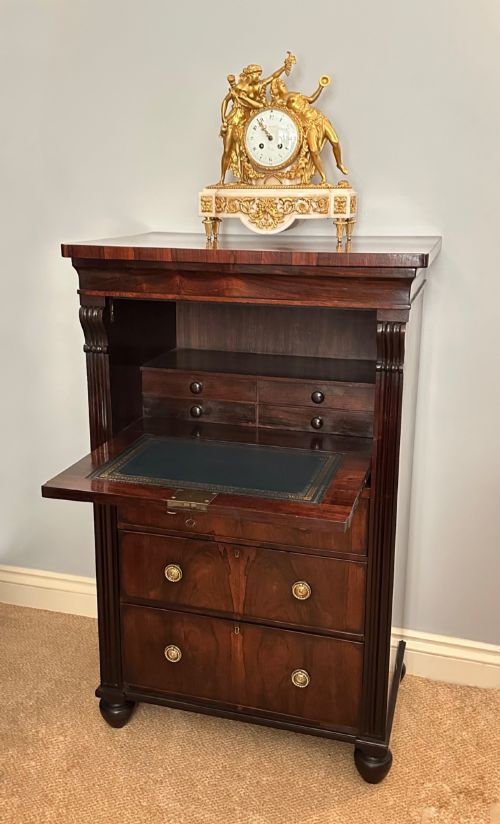
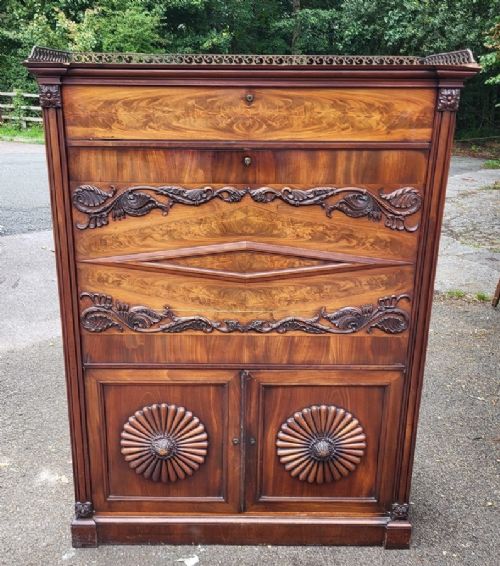
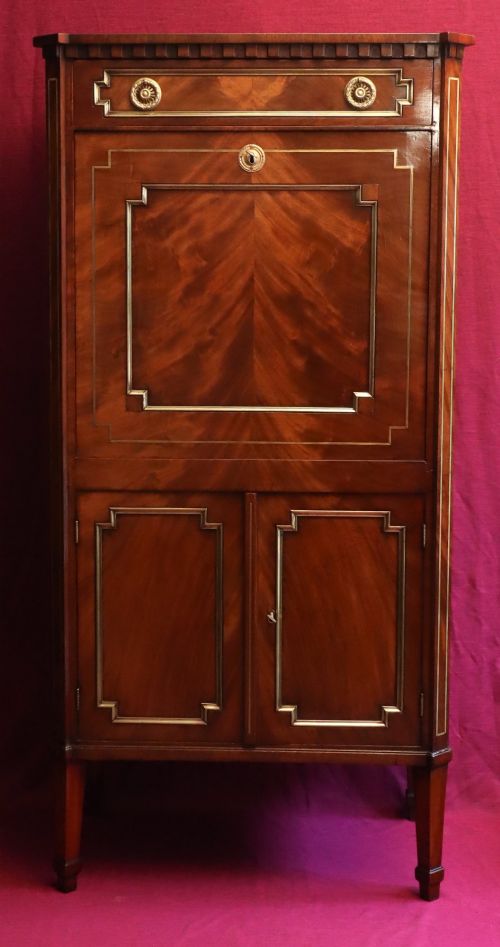
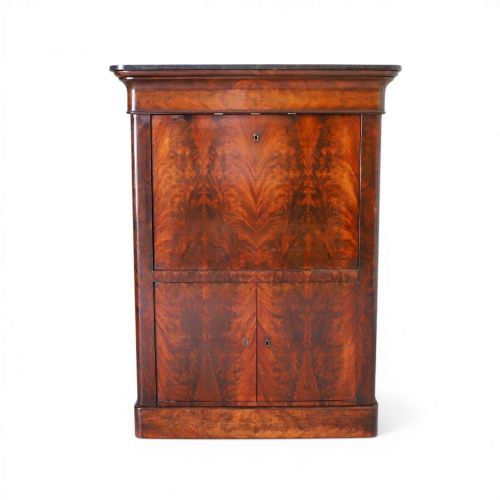
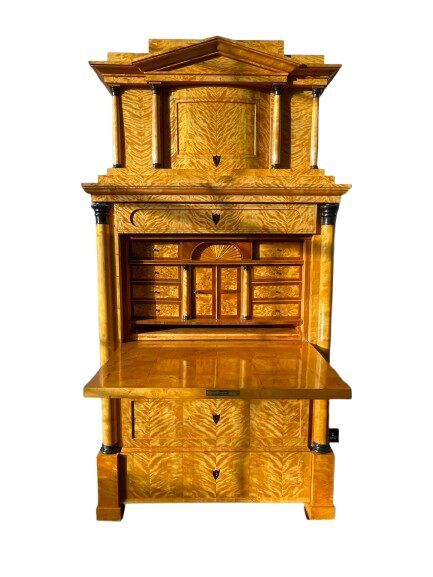
An antique tall writing cabinet encompasses varied vertical forms including bureau bookcases, secretaire abattants, escritoires, and Wellington chests dating from the 18th century through the Victorian era. These pieces combine upper shelving or tall drawer stacks with a concealed writing surface that drops down or pulls out for correspondence.
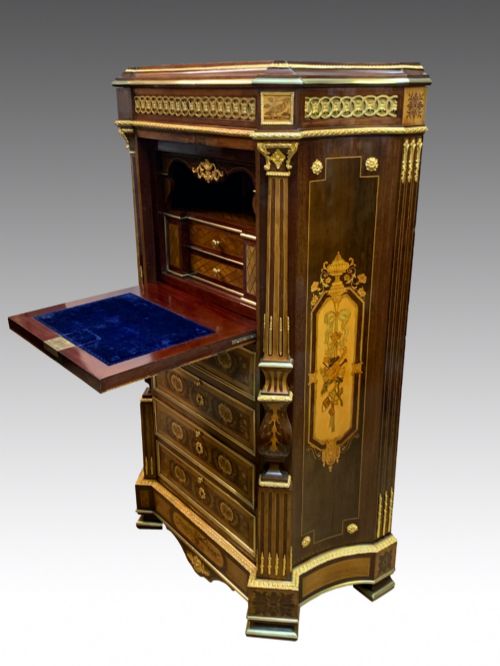
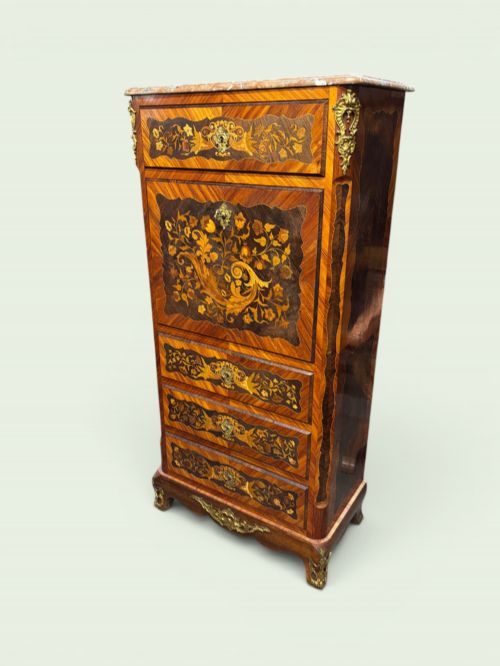
The pieces emerge across multiple regional traditions, spanning Georgian mahogany designs, French marquetry cabinets with marble tops, Biedermeier walnut pieces, and Dutch marquetry works. Buyers encounter variations ranging from astragal-glazed bookcases to pharmacy chests and cylinder desks.
Tall proportions dominate this selection, frequently utilising narrow footprints that maximise vertical storage while providing functional writing compartments equipped with secret drawers.

Evaluating Quality
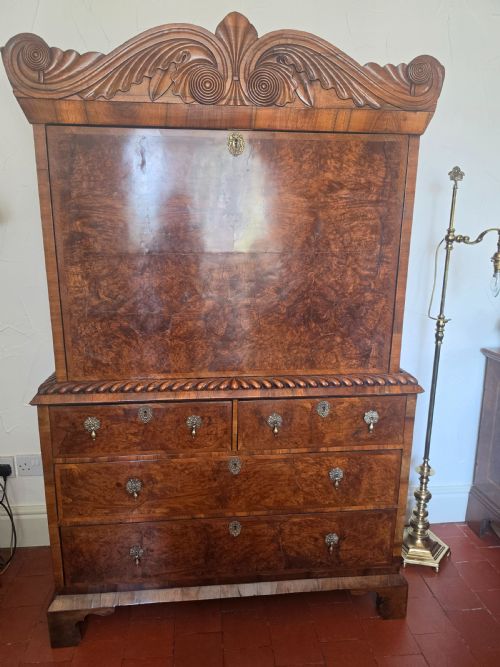
Quality rests upon the selection of timber veneers, where intensely figured flame mahogany, matched walnut, or intricate marquetry signify higher workshop standards. The depth and crispness of hand-cut ormolu mounts and the integration of original marble tops further distinguish superior examples.
Structural integrity reveals itself in the smoothness of the fall-front mechanism, the tight fit of internal secret drawers, and the preservation of original glazing bars on bookcase doors. Pieces retaining their original hardware and stable veneer surfaces represent the upper echelon of surviving cabinets.
Periods represented span from 1700 through Georgian, Regency, Victorian, and Edwardian eras to the early 20th century.
Maison Krieger·Gillows·Druce & Co.
The Antique Tall Writing Cabinet Glossary
- Secretaire abattant
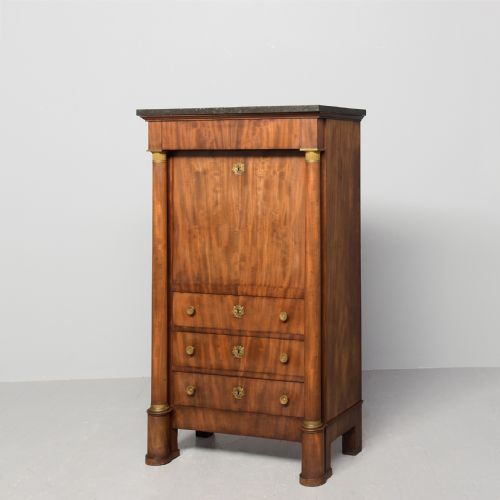
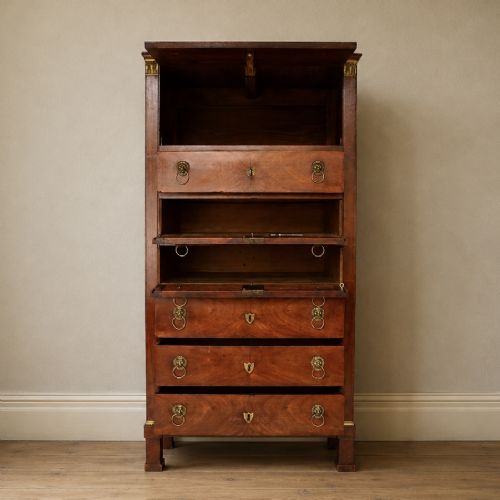
- A tall cabinet featuring a vertical drop-front writing flap that conceals an interior fitted with small drawers and pigeonholes. This continental form often includes a drawer above the flap and enclosed shelving below.
- Escritoire
- An early form of writing cabinet, typically walnut or mahogany, with a fall-front desk compartment positioned above lower storage drawers. The term encompasses tall bureau cabinets from the 17th and 18th centuries.
- Bureau bookcase
- A tall cabinet combining a sloping or fall-front desk base with enclosed upper shelving accessed via glazed or paneled doors. These dual-purpose pieces served for both library storage and correspondence.
- Marquetry
- The decorative craft of applying thin pieces of wood veneer to a structural carcase to form pictorial or geometric patterns. French and Dutch workshops utilised varied wood species to create floral and architectural scenes.
- Ormolu
- Gilded bronze mounts applied to furniture edges, corners, and feet for decorative enhancement. This technique appeared frequently on continental French pieces during the 19th century.
Antique Tall Writing Cabinet: Frequently Asked Questions
What is the difference between an escritoire and a secretaire abattant?
An escritoire generally refers to earlier English or Dutch cabinet forms with a fall-front writing surface, while a secretaire abattant specifically denotes the continental upright cabinet style where the entire front panel folds down vertically.
Both serve the same primary function of combining vertical storage with a concealed writing desk, differing mainly in regional terminology and specific internal layout conventions.
How do I use a tall writing cabinet in a modern room?
These cabinets function effectively as compact home workstations, allowing users to close the fall-front flap and conceal laptops, stationery, and paperwork when work concludes. The upper shelving or bookcase sections provide display space for books and objects.
Their vertical proportions make them suitable for studies, living rooms, or hallways where floor space is limited but storage height is available.
Are the secret drawers difficult to find?
Makers designed secret drawers to remain hidden behind false dividers, sliding pigeonhole panels, or spring-loaded catches within the interior pigeonhole compartments. Discovering them often requires understanding the specific mechanical tricks built into the cabinet's inner carcase.
These concealed compartments were originally intended for storing currency, private letters, or valuables securely out of sight.
How do I identify a Georgian bureau bookcase?
Georgian bureau bookcases feature architectural proportions constructed in solid mahogany or oak with walnut veneers, often displaying classic bracket feet and hand-cut dovetail joinery in the drawer construction. Upper bookcase sections frequently incorporate individual panes of glass held together by wooden astragal bars.
Cabinetmakers of this period emphasised clean structural lines and restrained classical ornamentation compared to later Victorian or continental marquetry styles.