
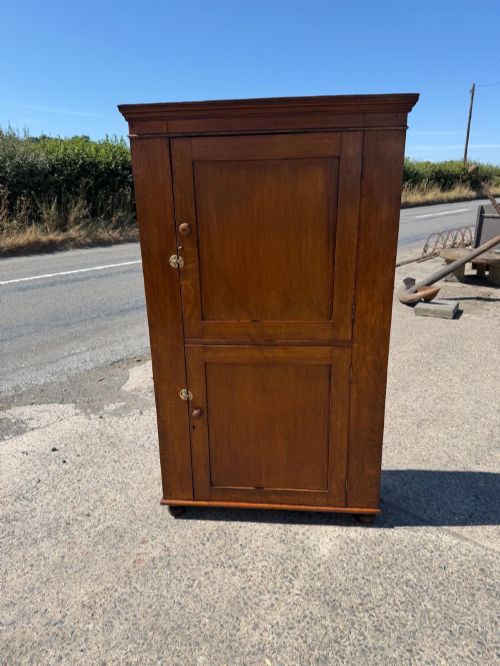

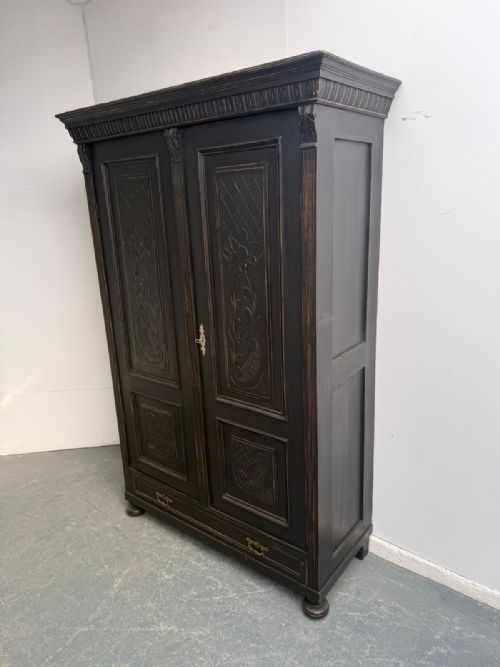


Antique Tall Oak Armoire
An antique tall oak armoire brings generous storage and rich timber grain to a room, offering both practical utility and enduring character.
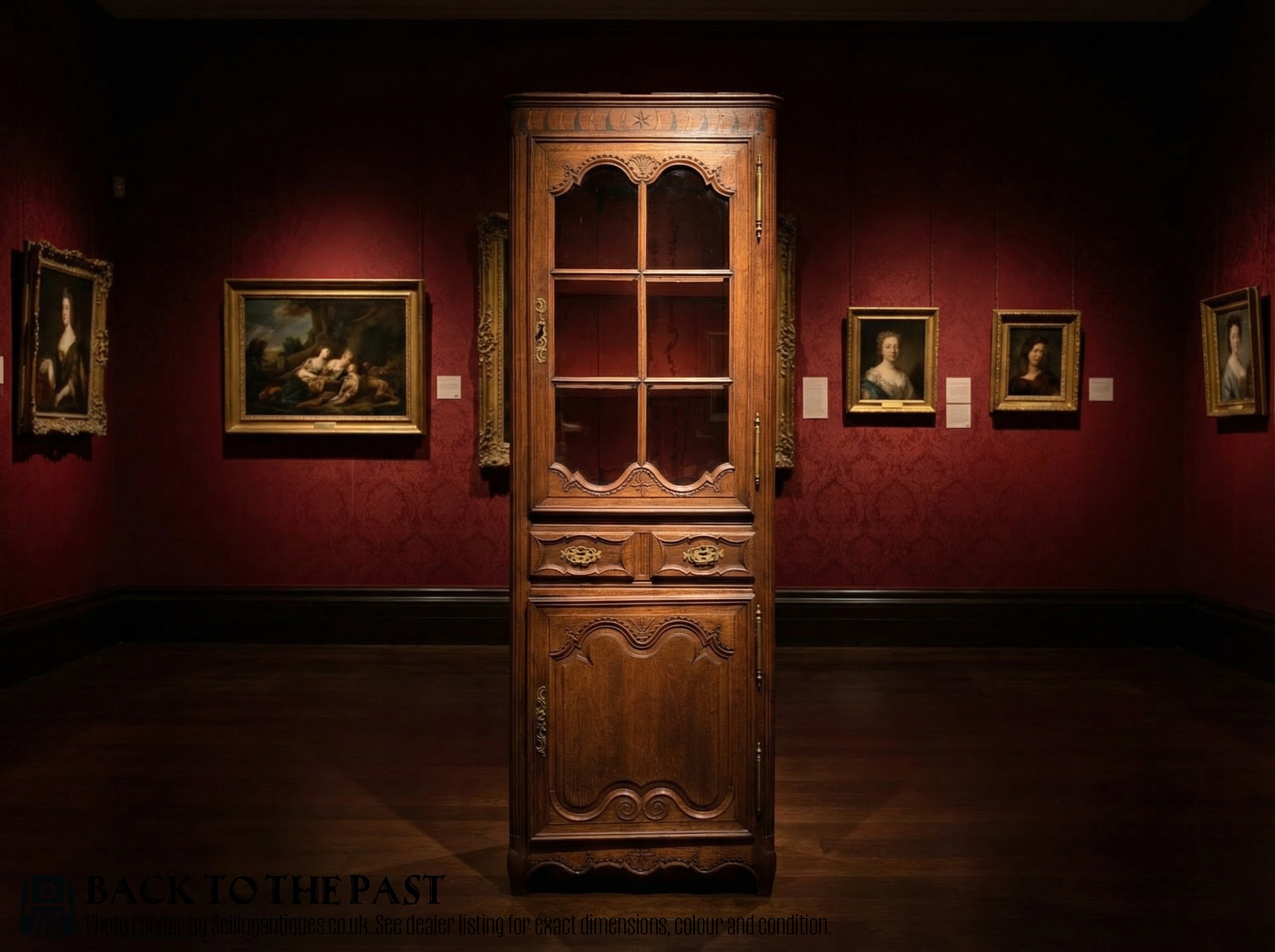
Antique Tall Oak Armoire
An antique tall oak armoire is a substantial storage piece built from sturdy timber, appearing in forms such as linen presses, housekeeper's cupboards, and standing cabinets.
Buyers browsing this selection most frequently encounter examples originating from French provincial workshops and British traditions, dating from the eighteenth and nineteenth centuries.
These items range from simple, unadorned country pieces to more elaborate Gothic Revival designs, providing varied heights and internal shelving or hanging space.
How these pieces were made
Master craftsmen constructed these cabinets using solid oak timbers, often complemented by secondary woods like pine in internal framing and drawer construction.
Metalwork played a crucial functional role, with hand-forged iron hinges and brass escutcheons securing doors and drawers while adding decorative contrast to the warm wood grain.
One towering housekeeper's cupboard stands over eight feet tall, practically demanding a library ladder to reach the top shelf.
What varies in quality
Quality depends heavily on the selection of the timber and the depth of the natural patina accumulated across centuries of use.
The integrity of the construction, from the tightness of the joinery to the retention of original hardware such as brass locks and iron hinges, dictates the standing of each piece.
The Antique Tall Oak Armoire Glossary
- Armoire
- A tall wardrobe or cupboard, traditionally used for storing garments. French provincial examples often feature deep proportions and fielded panel doors.
- Linen Press
- A tall piece combining upper cupboard storage with lower drawers, originally designed for flat textiles. These incorporate internal sliding trays rather than simple hanging space.
- Gothic Revival
- A nineteenth-century design style drawing on medieval architectural motifs. Pieces in this manner display pointed arches, tracery, and heavy mouldings.
- Bun Feet
- Rounded, slightly flattened spherical feet that raise a heavy cabinet off the floor. They provide a stable, solid base for substantial cupboards.
- Escutcheon
- A protective plate surrounding a keyhole, usually fashioned from brass or iron. It prevents the wood around the lock from splintering through repeated use.
Antique Tall Oak Armoire: Frequently Asked Questions
How do I fit a tall armoire into a modern room?
Measure your ceiling height and clearance carefully before purchase, as these historic cupboards often reach over eight feet tall. Ensure your floor is level so the large doors swing true and close securely against the frame.
Position the piece away from direct heat sources to prevent the solid oak panels from drying out and splitting over time. Use wall anchor fixings if the cabinet height and weight demand extra stability.
Can I use an antique armoire as a wardrobe?
Many tall cupboards were built with fixed shelving or linen slides rather than modern hanging rails. You can often adapt the interior by inserting a brass rail without damaging the historic structure.
Check the internal depth of the cabinet before buying to ensure standard coat hangers fit comfortably inside with the doors fully closed.
How do I tell an 18th-century armoire from a Victorian one?
Eighteenth-century examples typically display hand-planed surfaces, pegged mortise and tenon joints, and subtle French provincial or Georgian proportions. The oak grain tends to show deeper patination and variation from early hand-tooling methods.
Victorian pieces, including Gothic Revival variants, often feature machine-sawn timber uniformity, heavier applied mouldings, and tighter, more standardised nineteenth-century hardware attachments.
How should I care for the oak finish?
Maintain the timber by applying a traditional beeswax polish sparingly once or twice a year, buffing it gently with a soft cloth. Avoid modern silicone sprays that trap moisture and dull the natural lustre of the aged wood.
Keep the room at a stable relative humidity to protect the joints and prevent the solid oak panels from shifting too much with seasonal temperature changes.