
Antique Tall Nightstands
Antique tall nightstands bring vertical proportion and enclosed storage to the bedside, originating primarily from Victorian and Edwardian workshops.
Antique Tall Nightstands
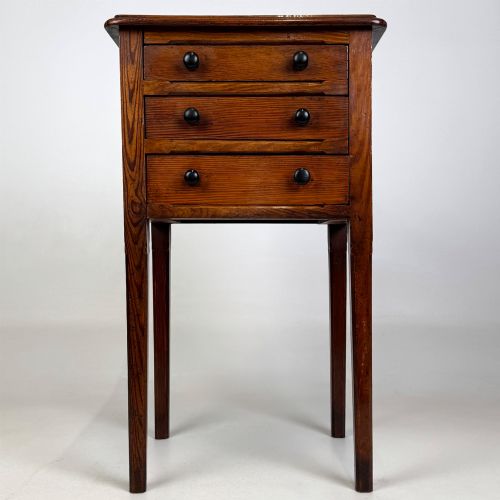
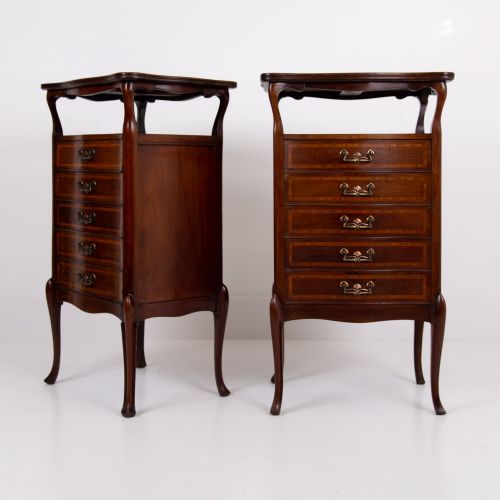
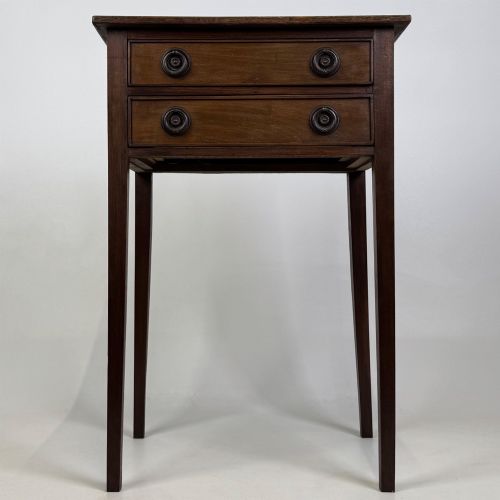
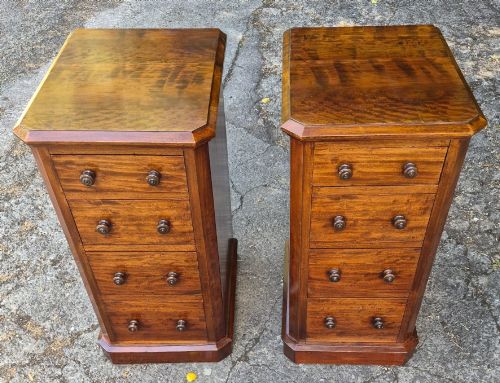
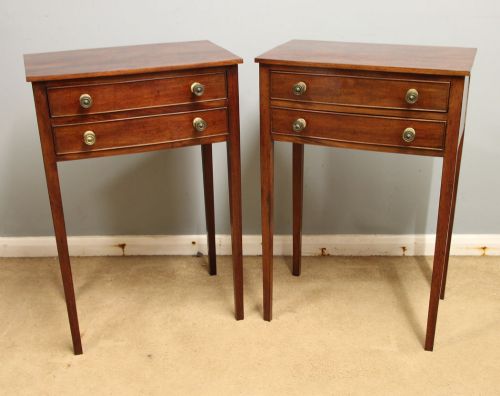
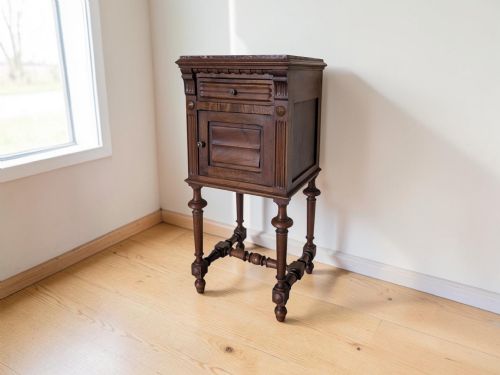
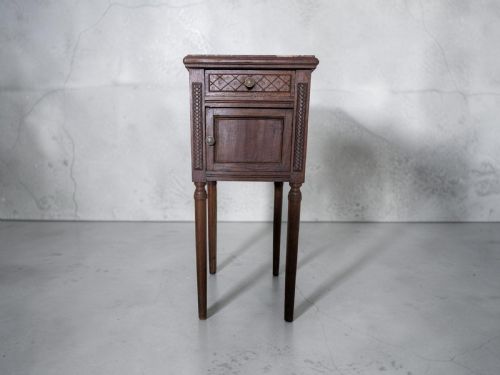
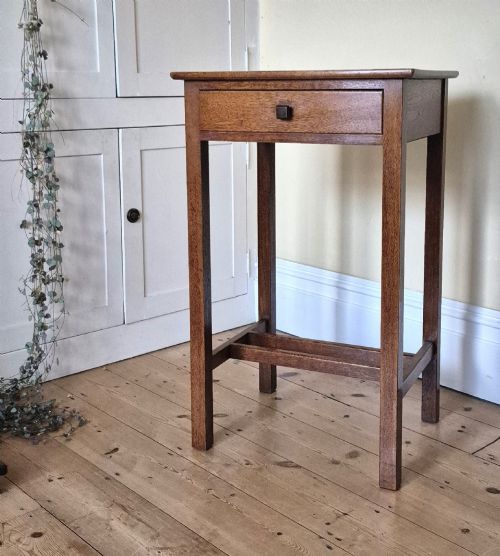
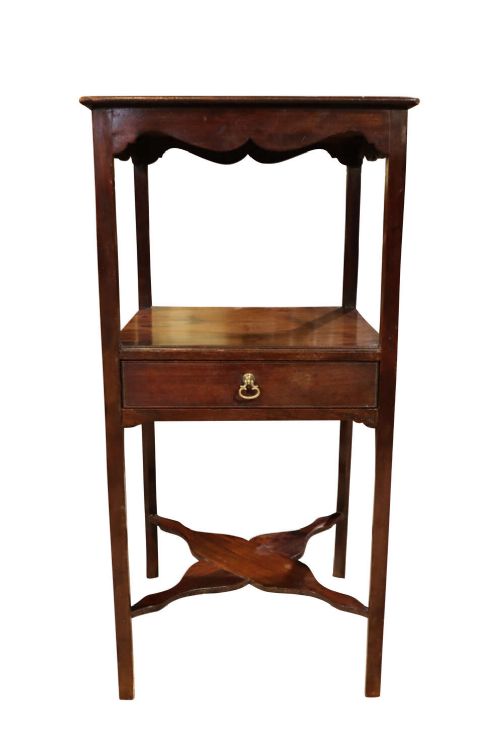
When searching for antique tall nightstands, buyers encounter a specialised selection of bedside furniture designed to sit higher than standard low tables. These pieces frequently appear as pedestal cupboards, bedside chests of drawers, and pot cupboards originating from the nineteenth and early twentieth centuries.
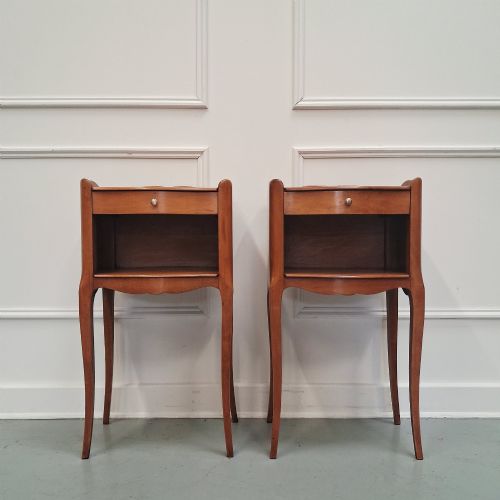
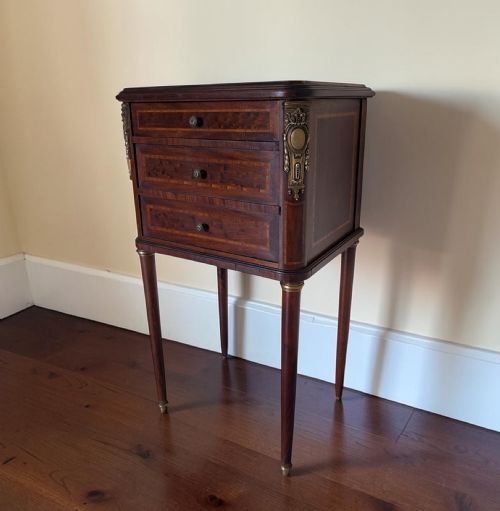
The inventory on this page spans several distinct eras, notably the Victorian and Edwardian periods, alongside later twentieth-century examples. Alongside traditional English mahogany and walnut designs, buyers regularly find French styles featuring cabinet doors and drawers.
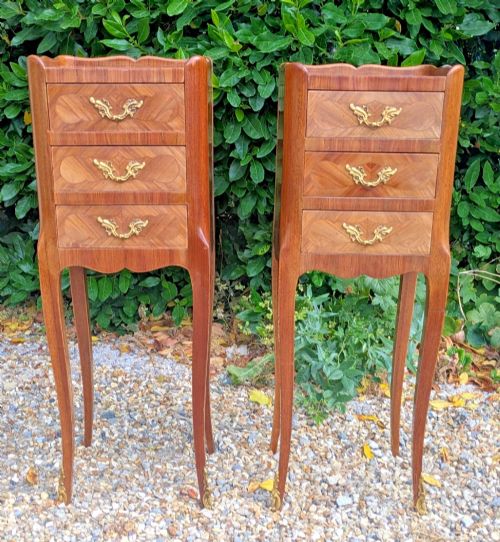
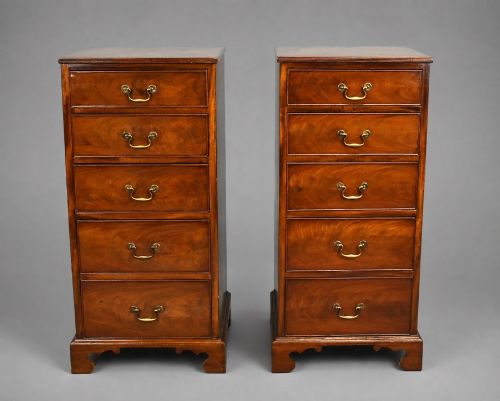
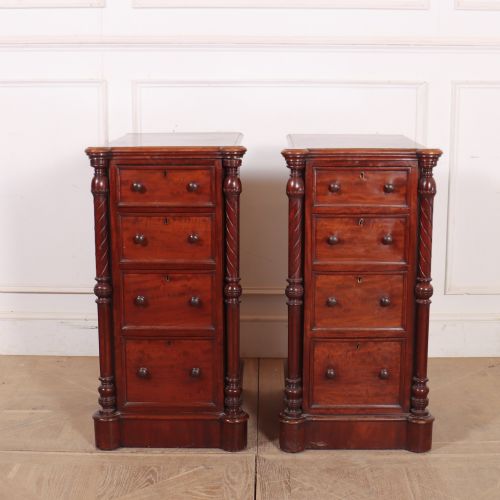
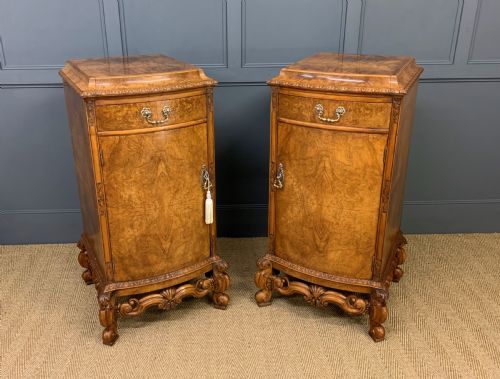
Many of these elevated bedside pieces are offered as matched pairs, though individual cabinets and side cupboards also appear. Their taller proportions accommodate additional drawer space or deeper interior compartments while maintaining a compact footprint suited to tighter bedroom layouts.
How they were made
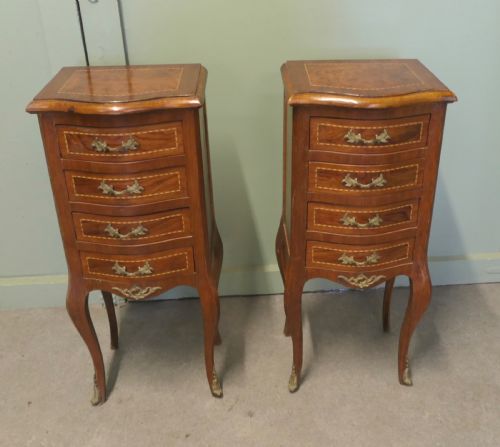
Cabinet makers utilised a range of timber species, relying heavily on solid mahogany, walnut, and rosewood for structural integrity and rich surface grain. Timber veneers such as burr walnut, kingwood, and parquetry were applied to primary panels to create decorative geometric patterns.
Many examples incorporate contrasting materials, pairing wooden carcases with inset marble tops, cast brass mounts, and ormolu details. Joinery techniques from these periods ensured stable construction for pieces subject to daily domestic use beside the bed.
Some nineteenth century nightstands began life as washstands before retiring beside the bed.
What varies in quality
The distinction between standard utility pieces and finer examples rests upon the selection of timber veneers, the crispness of applied brass or ormolu mounts, and the integration of internal drawer construction. Finer pieces display careful matching of grain patterns across drawer fronts and cabinet doors, elevating simple storage into decorative cabinet work.
Proportion and execution also define the upper tier of these pieces. Cabinets retaining original marble tops, well-fitted hardware, and balanced vertical dimensions represent the higher end of the range found in nineteenth and early twentieth century furniture.
The Antique Tall Nightstands Glossary
- Pot cupboard
- A small bedside cabinet originally designed to house a chamber pot behind a single door. These pieces often feature an enclosed interior shelf and a raised gallery top.
- Pedestal cupboard
- A tall, narrow freestanding cabinet with a single door enclosing vertical storage space. They are frequently constructed from walnut or mahogany.
- Parquetry
- A geometric mosaic of wood pieces used for decorative veneer on cabinet surfaces. This technique creates patterned tops and drawer fronts on Edwardian and later pieces.
- Ormolu
- Gilded bronze mounts applied to furniture for decorative enrichment. They appear frequently on French nightstands alongside brass detailing.
Antique Tall Nightstands: Frequently Asked Questions
What is a tall nightstand?
A tall nightstand is an elevated bedside storage piece designed to sit higher than standard low tables, offering increased surface height and deeper internal compartments.
These pieces typically take the form of narrow chests of drawers, pedestal cupboards, or enclosed bedside cabinets dating from the nineteenth and early twentieth centuries.
Are these pieces sold as pairs?
Many bedside tables and cabinets on this page are available as matched pairs, though single cupboards also appear in the selection. Pairs are particularly sought after for symmetrical placement on either side of a bed.
Buyers searching for matching sets will find examples spanning Victorian, Edwardian, and later twentieth-century periods.
What woods were used?
Cabinet makers constructed these nightstands from a variety of hardwoods, with mahogany and walnut appearing most frequently across English and French examples. Rosewood, satinwood, oak, and pine are also represented in the listings.
Decorative veneers such as burr walnut and kingwood were frequently applied to enhance the visual texture of the cabinet fronts and top surfaces.
How do I measure for one?
When choosing a tall nightstand, measure both the height of your mattress and the available floor space beside the bed to ensure proper proportion and clearance. Because these pieces are taller than standard tables, checking the door swing and drawer clearance is essential for tight spaces.
Listing dimensions often indicate specific widths, such as narrow thirty-seven centimetre formats, to help accommodate compact bedroom layouts.