
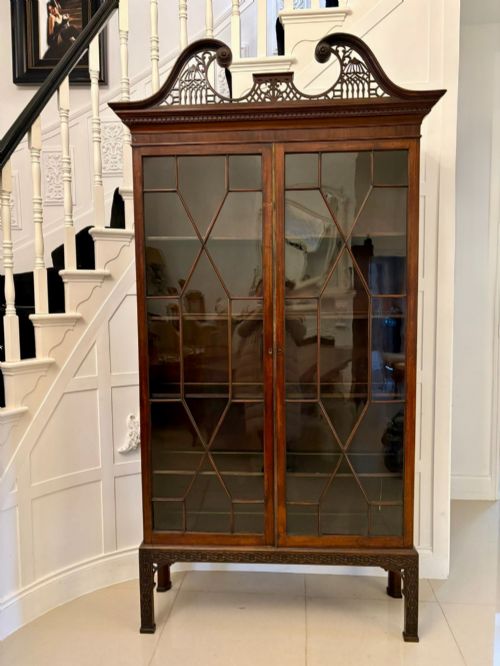
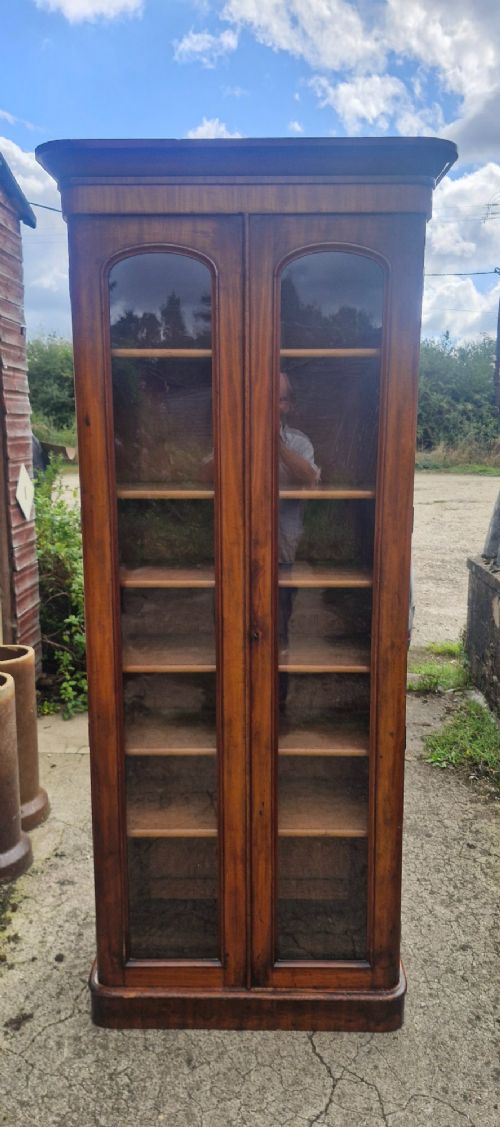
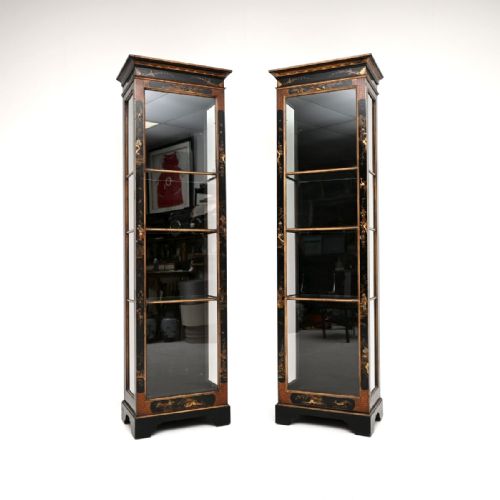
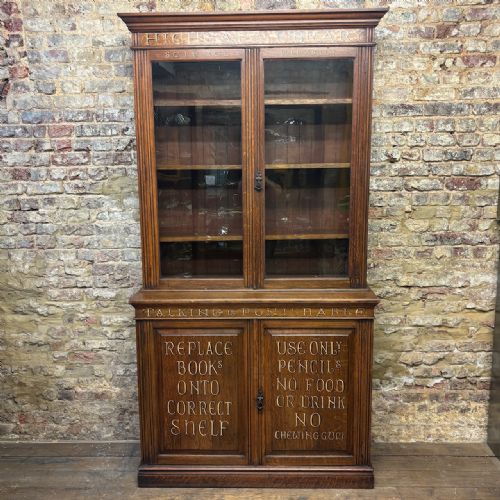


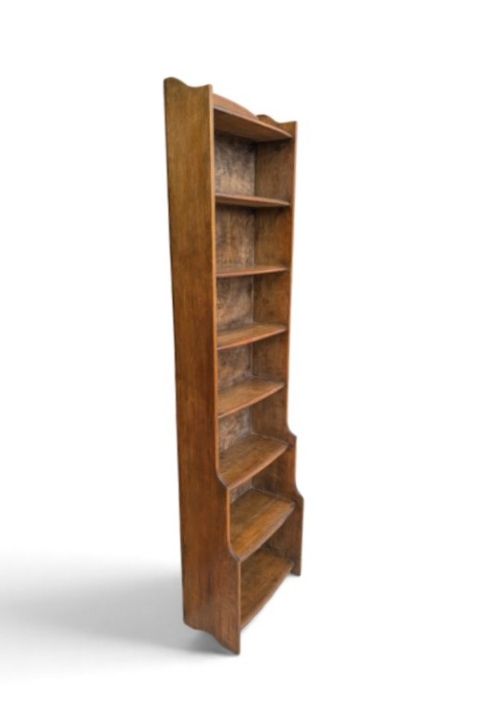
Antique Tall Display Bookcase
When you search for an antique tall display bookcase, you are looking for vertical timber storage that protects volumes behind glass while holding a room's height.
Antique Tall Display Bookcase
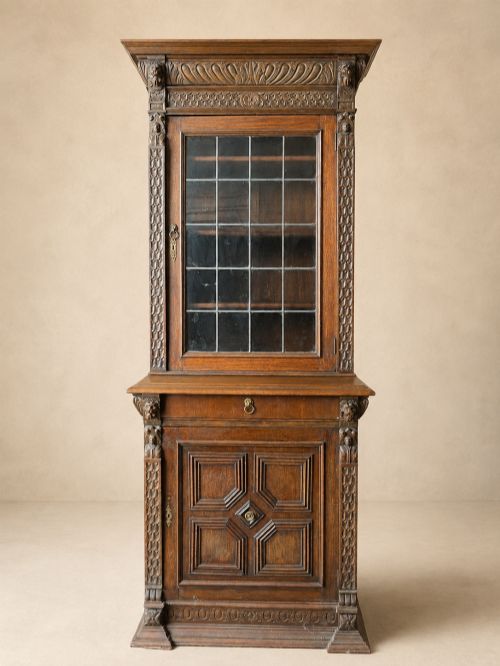
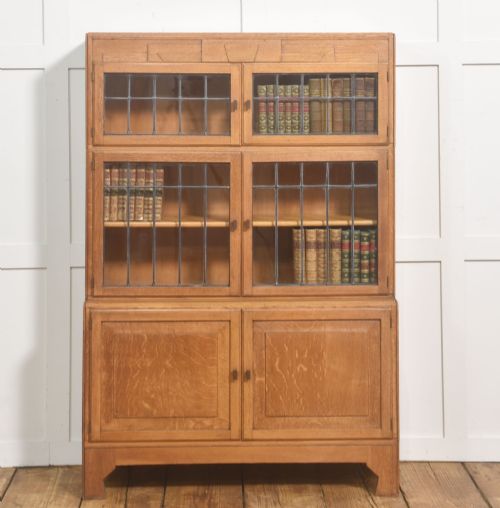
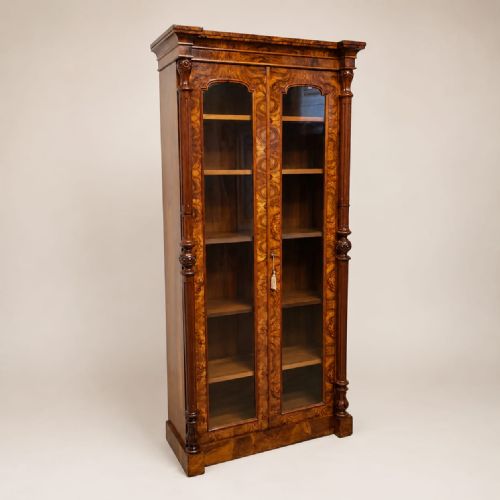
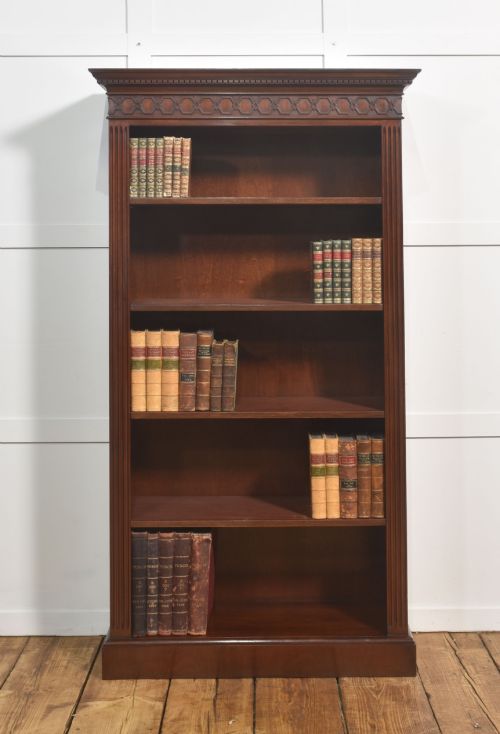
An antique tall display bookcase combines open or glazed shelving with significant vertical presence, serving libraries, parlours and offices. The pieces you encounter most frequently date from the Victorian and Edwardian eras, constructed in mahogany, oak or walnut to suit domestic and institutional settings.
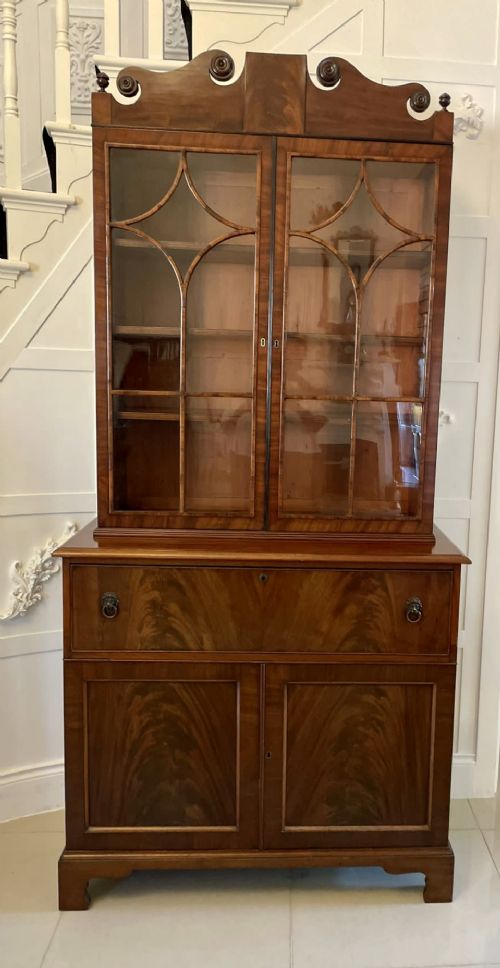
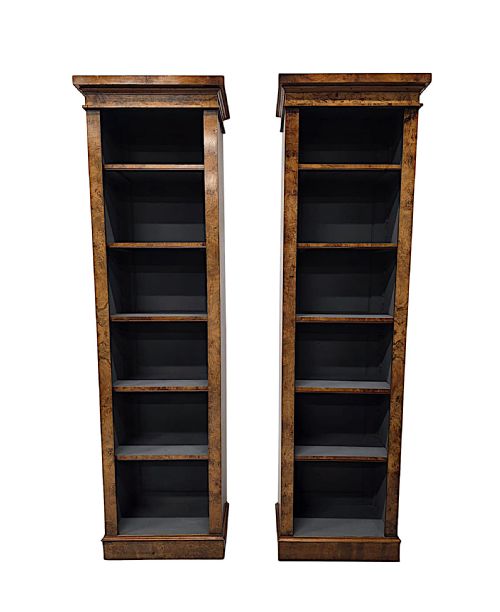
Forms range from two-part glazed cabinets and bureau bookcases with secretaire drawers to open library shelving and corner cabinets. Makers utilised timber grains such as burr walnut and pollard oak to add visual depth to these tall elevations, often incorporating adjustable shelves for practical utility.
Materials and Construction
Cabinets were built using solid timbers and veneers of mahogany, oak, pine, walnut and rosewood, supported by brass hardware and glass panes for the display sections. Carving, lacquered chinoiserie finishes and painted surfaces appeared according to the prevailing Georgian, Victorian, Edwardian or Art Deco style.
Joinery techniques prioritised stable vertical frames to bear the weight of heavy book collections, with panelled doors, dovetailed drawers and rebated backboards. Glazing bars divided doors into geometric panes, while timber mouldings defined the cornice and plinth of each tall carcass.
Listings span eight distinct decades of production, incorporating pine, glass, brass and multiple variants of mahogany, oak and walnut.
Evaluating Proportion and Finish
Quality rests in the balance of proportion across tall elevations, where cornices, base plinths and stile widths relate harmoniously to the overall height. Finer examples display carefully selected timber veneers, such as matched burr walnut or figured mahogany, rather than plain stock.
The refinement of the glazing bars, the crispness of any carved ornament and the presence of original brass fittings distinguish superior work. Interior adjustments, such as functioning timber ratchets for shelves, indicate thoughtful initial construction.
Thomas Chippendale
The Antique Tall Display Bookcase Glossary
- Astral glazing
- Glazing bars arranged in a specific intersecting pattern across cabinet doors. They divide the glass into smaller panes while maintaining structural strength.
- Secretaire bookcase
- A tall cabinet featuring a fitted pull-out writing drawer with a drop-front desk. It conceals small pigeonholes and drawers behind the main shelving tier.
- Burr walnut
- A highly figured timber veneer sliced from walnut tree growths. It yields intricate swirling grain patterns prized on cabinet fronts.
- Cornice
- The moulded projection that crowns the top of a tall bookcase. It finishes the architectural silhouette against the ceiling line.
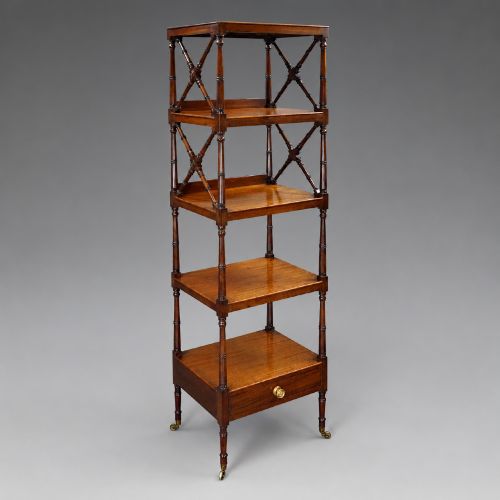
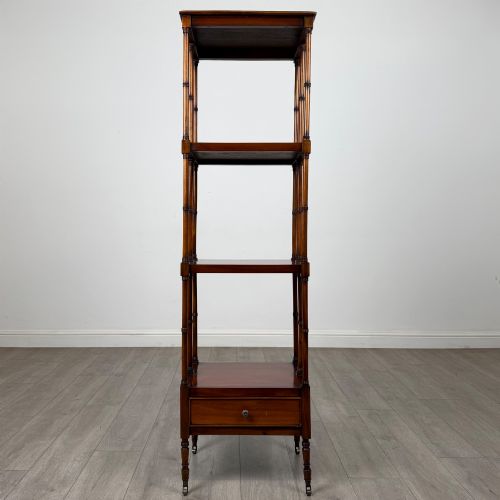
- Whatnot
- A set of open shelves supported by slender corner posts designed for displaying ornaments and small books. Pieces often rise in multiple stacked tiers.
Antique Tall Display Bookcase: Frequently Asked Questions
How do I secure a tall bookcase to the wall?
Tall timber furniture requires careful anchoring to prevent tipping, particularly on uneven historic floors. Use discreet brackets fixed through the upper backboards into solid wall studs.
Ensure the weight sits evenly on the base plinth before securing the top frame. This prevents distortion of the vertical sides over time.
Are the shelves usually adjustable in these bookcases?
Many examples feature adjustable shelving supported by wooden ratchets, brass pegs or sliding notched tracks. This flexibility allows the interior height to accommodate varying volumes.
Fixed shelves do appear, particularly in older Georgian pieces or specific open library formats. Check the listing details to confirm shelf mobility.
How do I tell a Victorian bookcase from an Edwardian one?
Victorian pieces tend to utilise dense mahogany or burr walnut with heavier cornices and darker finishes. Proportions are often substantial, reflecting formal nineteenth-century interior design.
Edwardian examples frequently show lighter oak timbers, simpler lines and occasional influences from earlier Georgian revivals or Arts and Crafts ideals. Strains of Chinoiserie and painted decoration also surface in this later period.
Can these cabinets hold heavy modern hardbacks?
Solid timber construction and robust shelving allow these pieces to hold substantial weight. However, eighteenth and nineteenth-century shelf spans should be monitored for sagging under dense modern loads.
Distribute heavier volumes evenly across lower shelves to maintain structural stability. Adjustable systems handle standard octavo volumes without difficulty.