





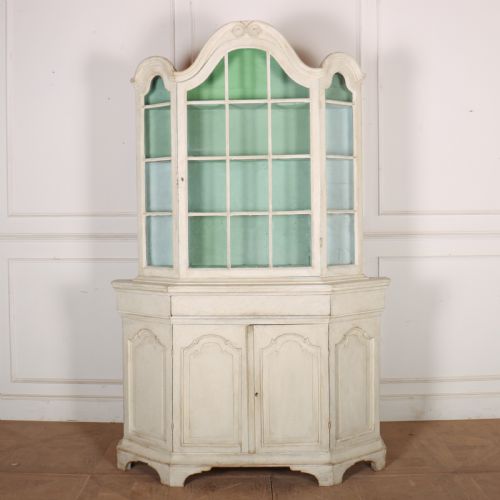


Green Painted Glazed Cupboard
These green painted glazed cupboard pieces bring practical storage and glass display together, rooted in country houses.
Green Painted Glazed Cupboard
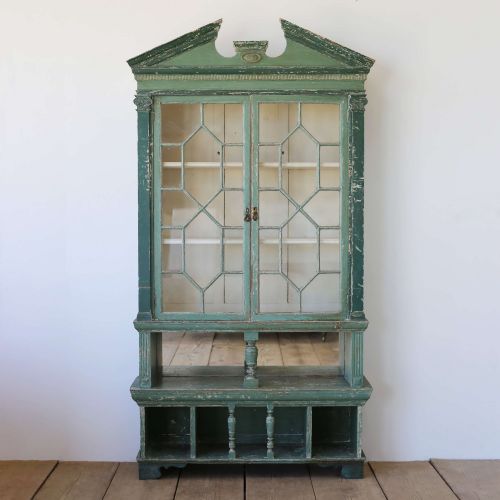
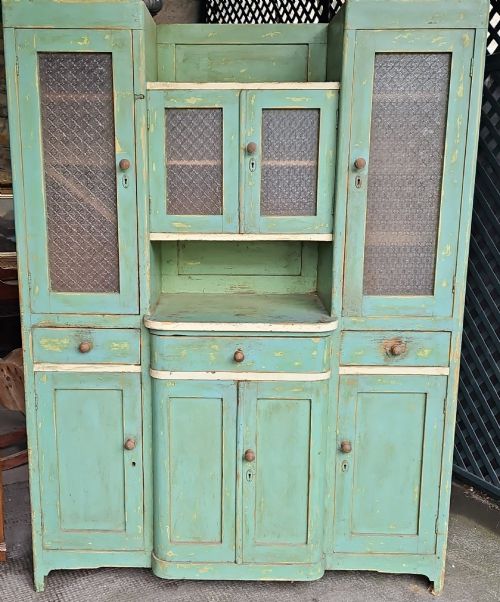
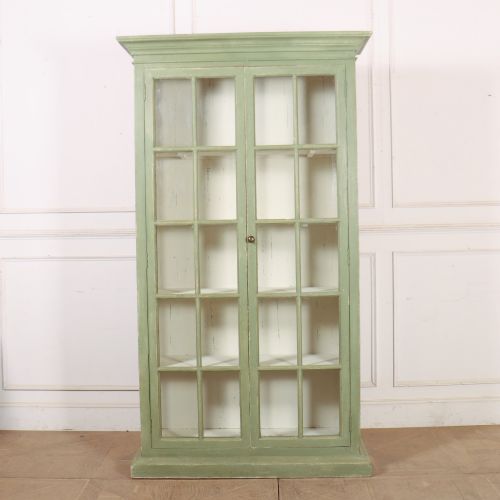
A green painted glazed cupboard serves as both storage and display, appearing across various regional country styles. When searching for a green painted glazed cupboard, buyers encounter forms ranging from tall bookcases to kitchen dressers and food cupboards. These pieces originate predominantly from the eighteenth and nineteenth centuries, alongside Edwardian examples.
The most common versions on this page are nineteenth century English kitchen dressers and display cabinets, followed by Dutch glazed cabinets and eighteenth century vitrines. Pieces span regional aesthetics including English West Country, Dutch Rococo, Scandinavian, and Irish country traditions. Each form combines lower solid storage with upper glazed shelving designed for domestic use.
How they were made
Carpenters constructed these cupboards primarily using pine and other solid wood, applying paint finishes directly to the timber surfaces. Glazed doors incorporate glass panels, occasionally textured, held by wooden framing. Brass hardware frequently appears on doors and drawers as pulls and hinges.
Joinery techniques reflect traditional country workshop methods appropriate for utilitarian furniture. Painted surfaces show historical layers of colour applied over wood, while glazing secures the upper display sections.
Green Painted Glazed Cupboard Retail Price Guide 2026
Typical asking prices for green painted glazed cupboard among the pieces listed under this phrase on Sellingantiques today, from the lower quarter to the upper quarter. They describe what is for sale here now, not the wider market.
A cupboard that has safely housed Dutch china and English jam preserves for centuries.
What varies in quality
Quality differences lie in the proportion of the carcass, the handling of the painted finish, and the clarity of the glass. Finer examples display balanced proportions between the upper glazed cabinet and the lower base, whereas simpler country pieces prioritize utilitarian function over symmetry.
The integrity of the original paint surface and timber construction distinguishes standard workshop production from finer vernacular pieces. Superior items retain well-preserved glazed doors and balanced hardware placement that complement the overall cabinet form.
The Green Painted Glazed Cupboard Glossary
- Glazed
- Fitted with glass panels in doors or windows to permit the viewing of interior contents. This feature defines the display function of upper bookcase and cabinet sections.
- Vitrine
- A glass-fronted cabinet or display case traditionally used for exhibiting fine objects or china. Eighteenth century Dutch examples demonstrate this formal display type.
- Dresser
- A kitchen or dining room furniture piece combining shelving or cupboards above with drawers and lower storage. Regional English and Irish examples feature prominently in this category.
- Pine
- A softwood commonly utilised in country furniture construction throughout the eighteenth and nineteenth centuries. It provides a stable base for painted finishes.
Green Painted Glazed Cupboard: Frequently Asked Questions
What rooms suit a green painted glazed cupboard?
These cupboards suit kitchens, dining rooms, and living spaces where both display and enclosed storage are required. Their glass doors allow crockery, books, or collections to remain visible while protected from dust.
Their country origins mean they integrate easily into both traditional and contemporary interiors as focal storage points.
How do I date a painted cupboard?
Dating relies on construction methods, timber choice, hardware styles, and the characteristics of the paint layers. Eighteenth century pieces often show different joinery and proportions compared to Edwardian or nineteenth century vernacular furniture.
Examining the glass type and backboards also provides clear indicators of the period of manufacture.
Are these cupboards purely English?
While many pieces originate from English workshops, particularly the West Country, the selection includes significant continental examples. Dutch and Scandinavian pieces frequently appear with distinct regional painted finishes and architectural proportions.
Irish country cupboards also represent a distinct regional tradition within the available inventory.
What is the difference between a dresser and a bookcase?
A dresser typically combines a lower section of drawers and cupboards with an upper plate rack or glazed cabinet suited for kitchen use. A bookcase or display cabinet focuses primarily on shelving behind glass doors for holding books or decorative items.
Both forms utilise painted pine and glass but serve slightly different domestic functions.