
Antique Tabletop Desk
An antique tabletop desk brings compact writing organisation and desktop utility into daily workspaces, drawing on Georgian, Victorian, and Edwardian craftsmanship.
Antique Tabletop Desk
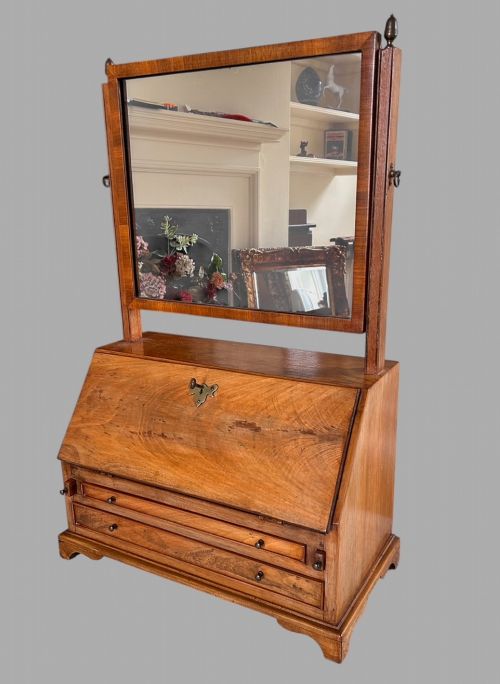
When searching for an antique tabletop desk, buyers encounter a diverse selection of small-scale writing furniture, bureau fitments, and desktop accessories designed for portability and efficient organisation. The pieces on this page span from Georgian and Victorian periods through to the Edwardian era and the early twentieth century, reflecting shifting tastes in personal correspondence and study.
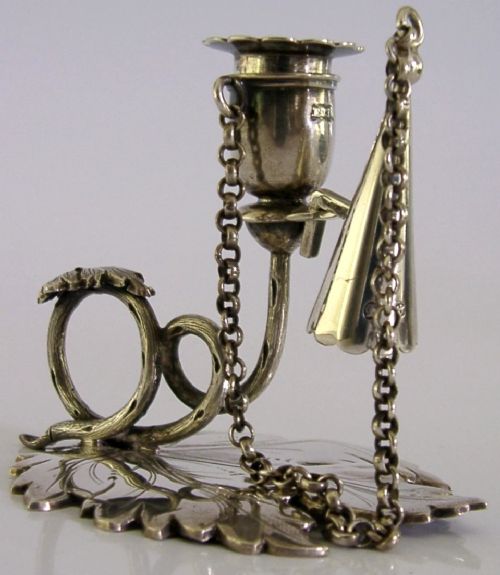
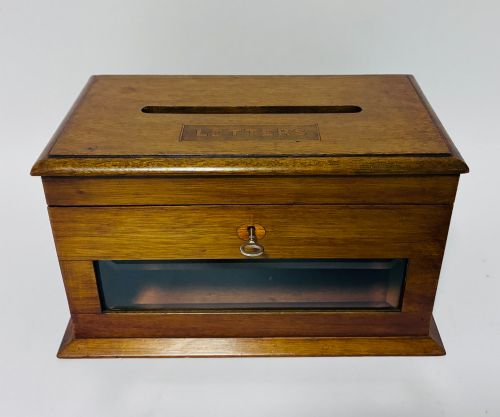
The objects take many forms beyond standard writing boxes, including tabletop bureaus, stationery cabinets, letter boxes, and document chests. Materials range from traditional timbers like mahogany, walnut, and oak to decorative accents in brass, sterling silver, and glass, offering functional workspace solutions for modern interiors.
How They Were Made
Cabinetmakers utilised dense hardwoods such as mahogany, oak, walnut, and rosewood, often pairing them with contrasting inlay or satinwood veneers to create visually striking surfaces. Construction relied on traditional joinery methods that ensured durability in portable writing furniture used daily.
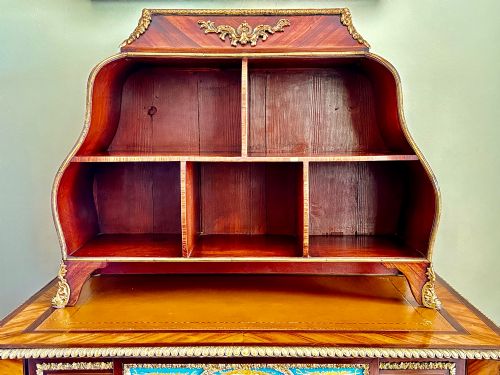
Metal fittings played both structural and decorative roles, incorporating cast iron, brass hinges, or ormolu mounts to secure lids and drawers. Interior fitments frequently included velvet-lined writing slopes, glass inkwells, and compartments shaped precisely for letters and small accessories.
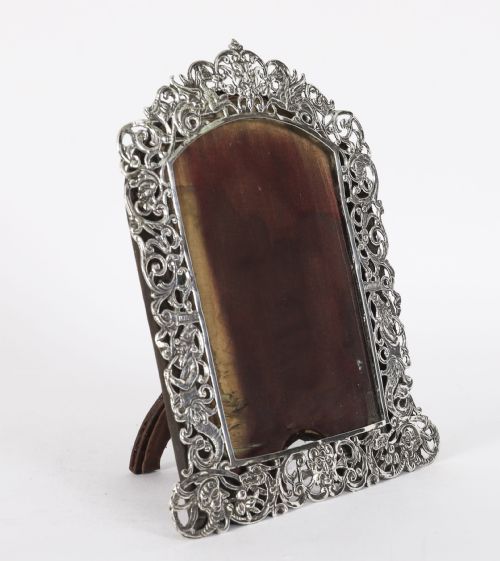
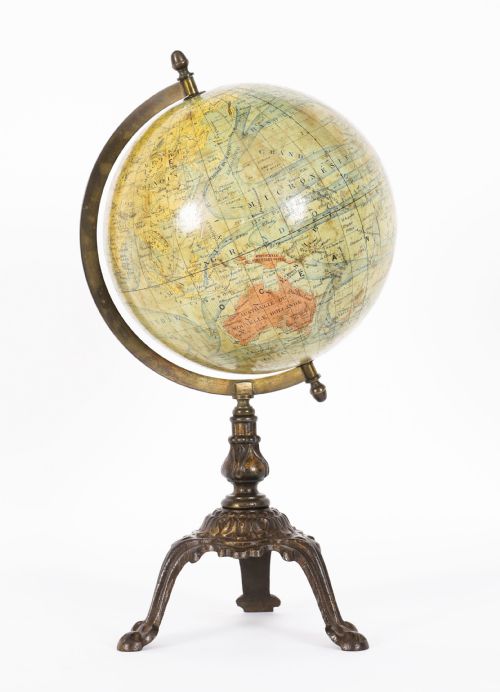
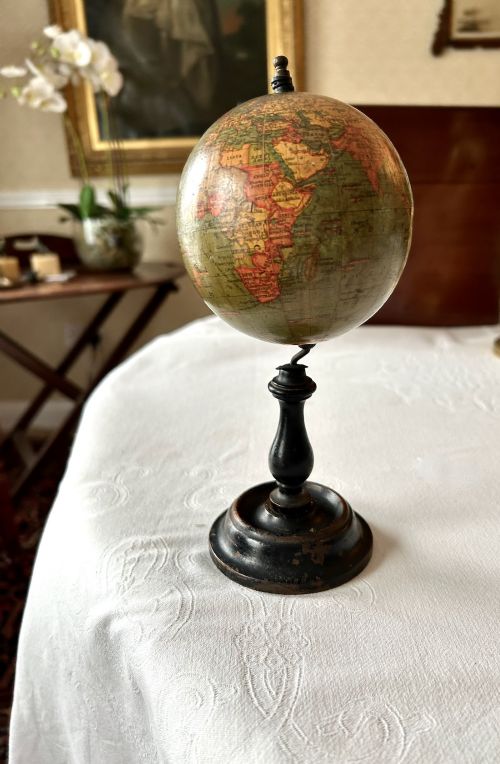
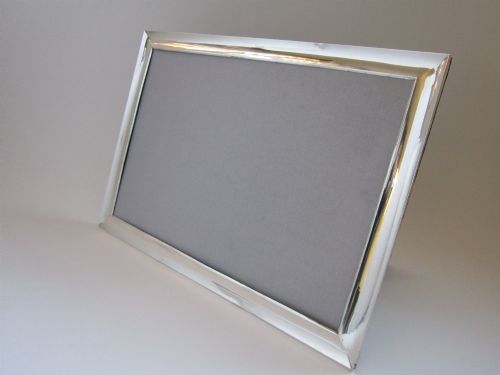
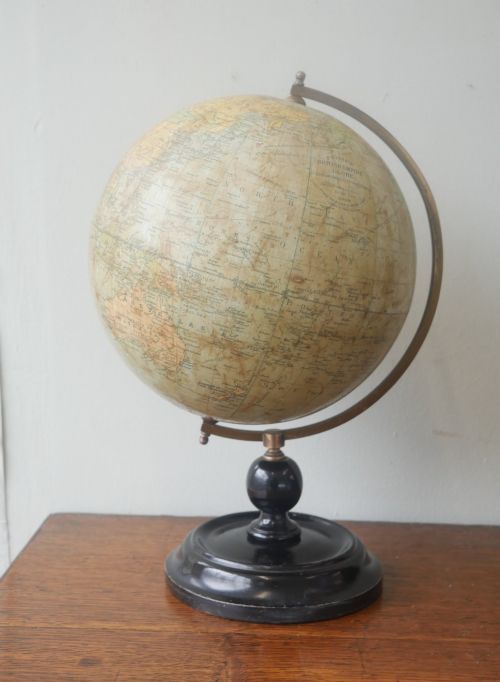
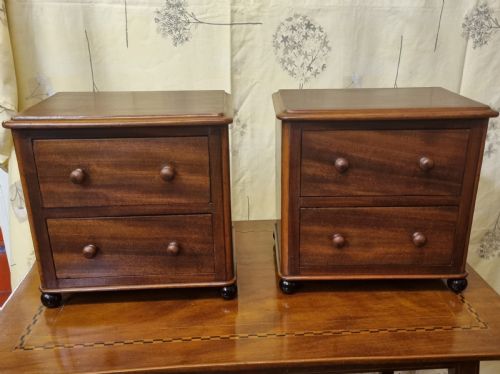
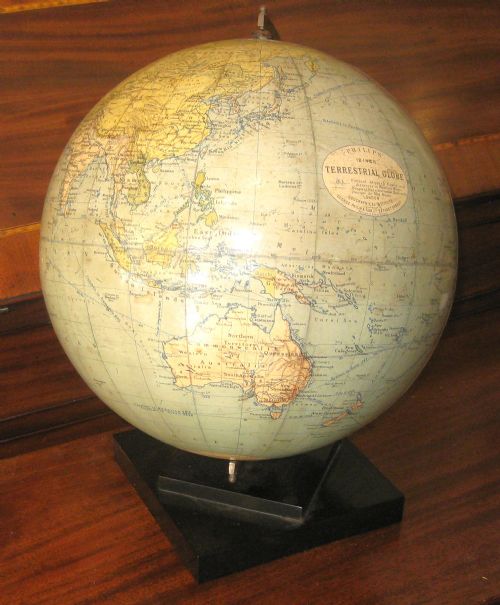
Object forms range from miniature chests of drawers and photo frames to terrestrial globes and stationery cabinets.
What Varies in Quality
The standard of a piece rests largely on the selection of timber and the precision of its veneers, with highly figured walnut or satinwood distinguishing finer examples from plain utility boxes. The integration of secondary materials, such as heavy gauge sterling silver mounts or finely cast brass hardware, elevates the character of the object.
Interior complexity separates standard containers from superior pieces, particularly those featuring secret compartments, coordinated stationery fittings, or detailed hand-carved ornamentation. Original condition, including intact velvet surfaces and matching keys, heavily influences the standing of an individual item.
Rosenthal, Jacob & Co.·Lebegue & Cie·Arthur Simpson·Osborne Garrett & Co
The Antique Tabletop Desk Glossary
- Bureau fitment
- A miniature writing interior designed to sit upon a table or chest, featuring small drawers and pigeonholes for correspondence. It transforms a simple flat surface into an organised station for letter writing.
- Stationery cabinet
- An enclosed tabletop box fitted with vertical slots and horizontal shelves for paper and envelopes. These pieces became particularly popular during the Victorian and Edwardian periods.
- Cartonnuer
- A desktop cabinet designed for holding loose papers, documents, or cartons. Often seen in French styles with ornamental mounts.
- Ormolu
- Gilded bronze or brass applied as decorative mounts to furniture and desk accessories. It provides bright metallic contrast against dark woods like rosewood and mahogany.
- Satinwood
- A lustrous, yellow-brown timber utilised for banding, inlay, and decorative veneer work on fine nineteenth-century furniture. Its reflective grain adds distinct visual depth to writing surfaces.
Antique Tabletop Desk: Frequently Asked Questions
What is an antique tabletop desk used for?
These pieces served as portable writing stations, document storage units, and correspondence organisers before the widespread use of large fitted desks. Owners kept stationery, ink, and letters inside them for private study or parlor use.
Today, they function well on modern desks or sideboards for storing paper goods, pens, or small everyday items while adding period character to a room.
How do I identify the period of a tabletop desk?
Dating relies on observing the primary timbers, hardware styles, and construction techniques present in the piece. Georgian and Regency items often display restrained mahogany veneers, while Victorian and Edwardian examples may feature heavier oak construction or elaborate brass mounts.
Makers' marks, paper labels, and hallmarks on silver components can also provide specific dates or attributions to known workshops.
Where should I place a tabletop desk in my home?
These compact units fit comfortably on top of larger sideboards, chests of drawers, or dedicated study tables where their detailed woodwork remains visible. Placing them out of direct sunlight protects delicate wood veneers and velvet interior linings from fading.
Closed boxes can sit safely on low tables, while slant-front bureau fitments require a stable surface at a comfortable height for display.
Are tabletop desks and writing boxes the same thing?
While the terms often overlap, writing boxes typically feature a hinged slope that folds down to create a slanted writing surface with internal pen trays. Tabletop desks and bureau fitments may incorporate drawers, pigeonholes, and vertical compartments for storing stationery rather than a folding writing bed.
Both categories fall under the broader umbrella of portable workspace furniture produced from the Georgian era through the early twentieth century.