
Antique Table Silverware
Antique table silverware brings the weight of past dining rooms to the modern board, offering functional service pieces from sugar castors to cutlery canteens.
Antique Table Silverware
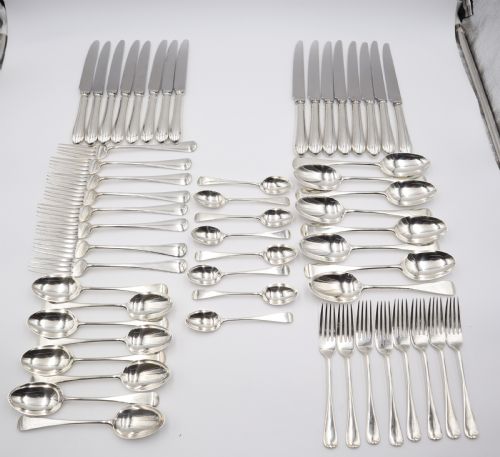
When you search for antique table silverware, you encounter a range of dining implements and serving vessels designed for formal meals. The selection spans utilitarian flatware sets alongside decorative centerpieces and condiment holders.
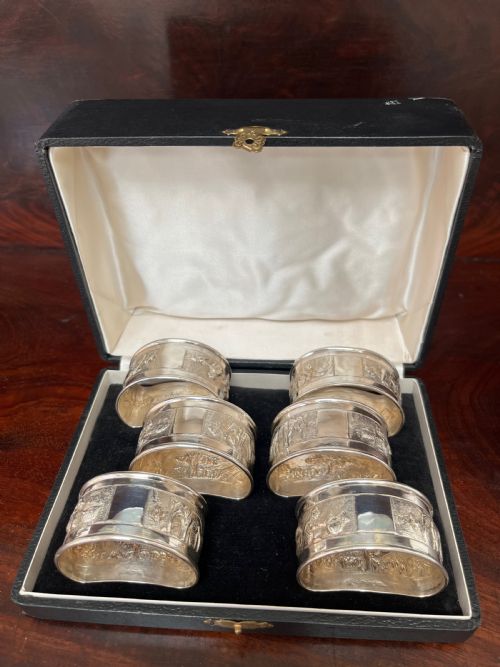
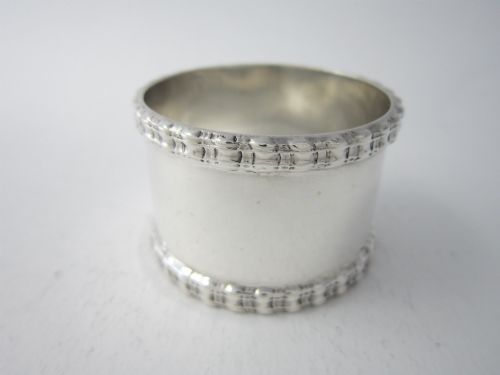
Victorian and Edwardian examples dominate the available forms, ranging from cased napkin rings to heavy soup ladles. Earlier Georgian and 18th Century pieces appear occasionally, showing simpler lines or threaded borders.
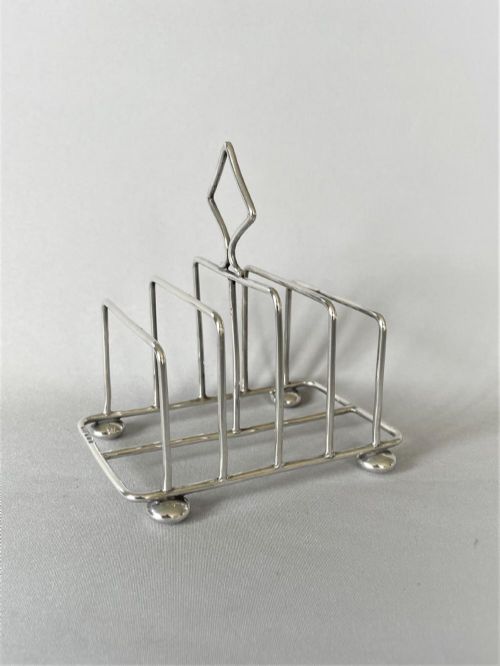
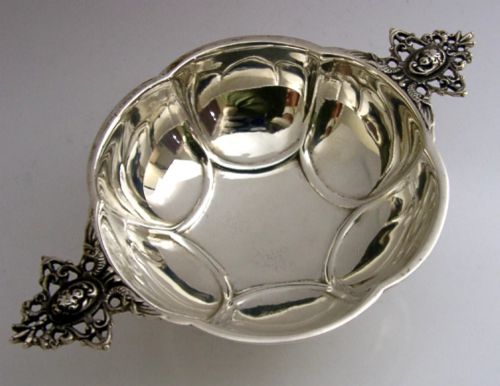
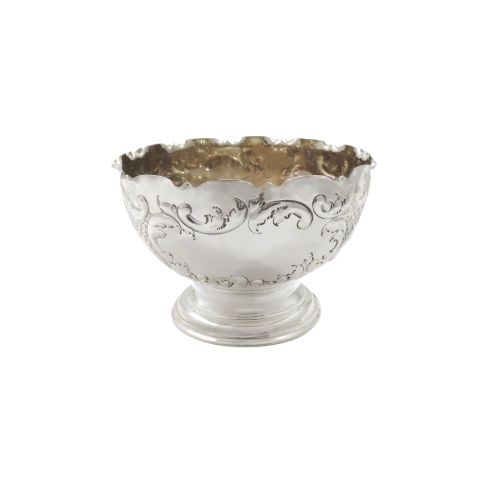
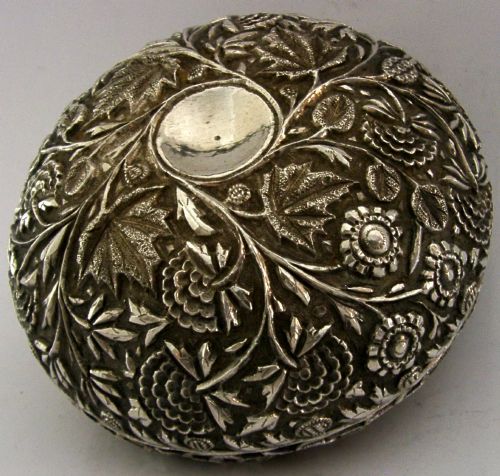
Regional variations include traditional Dutch brandy bowls, Anglo-Indian solid silver pieces, and Jugendstil plated candelabra. Object types stretch from toast racks and biscuit barrels to individual salt cellars and menu card holders.
Materials and construction methods
Sterling silver and silver plate form the primary substance of these dining wares, often complemented by steel in cutting implements or ceramic inserts in biscuit barrels.
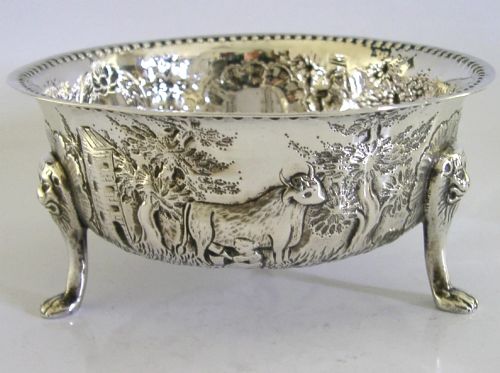
Silversmiths utilised casting, hammering, and piercing techniques to shape bowls, castors, and epergnes, applying detailed borders and handles by hand.
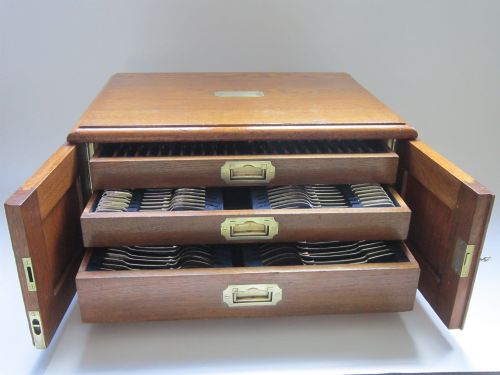
Cases incorporate wood lined with velvet or felt, housing canteens of cutlery and matching napkin rings securely for storage and presentation.
Among the functional soup ladles and toast racks sit whimsical novelty baby peppers, ready to season dinner plates with a Victorian smile.
Assessing quality in silver service
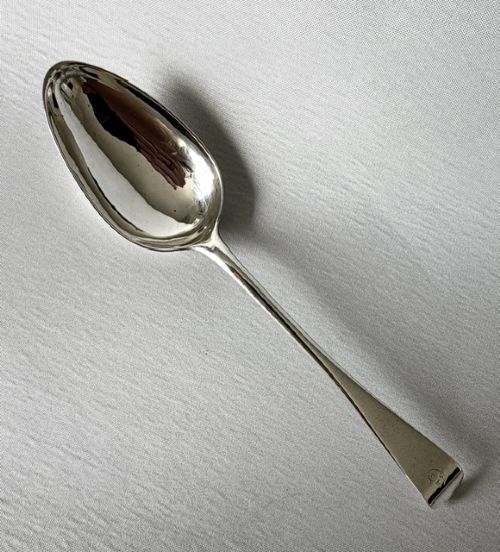
The weight of the metal dictates the structural integrity of pieces like napkin rings, spoons, and large bowls, with heavier gauges resisting dents through daily use.
The clarity of hallmarks and maker marks provides certainty regarding origin and silver purity, whilst crispness in chased or engraved decoration indicates the skill of the original silversmith.
Liberty & Co·The Barker Brothers
The Antique Table Silverware Glossary
- Sterling silver
- A silver alloy containing 92.5 percent pure silver by mass and 7.5 percent other metals, usually copper. This standard ensures durability while maintaining high purity.
- Silver plate
- A layer of silver applied to a base metal such as copper or nickel brass. It provides the appearance of solid silver at a different cost.
- Hallmark
- A series of official marks stamped on items made of precious metals in the United Kingdom. These symbols indicate the maker, standard of purity, assay office, and year of testing.
- Canteen
- A fitted box, chest, or case designed to hold a complete set of cutlery or flatware. They keep service pieces organised and protected.
- Epergne
- A large table centrepiece featuring a central bowl with multiple branching arms and smaller hanging baskets. It serves fruit, sweets, or flowers during formal dining.
Antique Table Silverware: Frequently Asked Questions
What is included in table silverware?
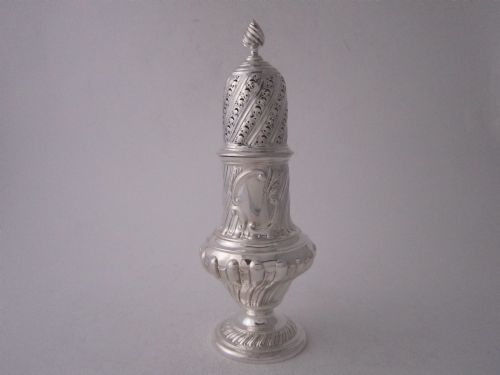
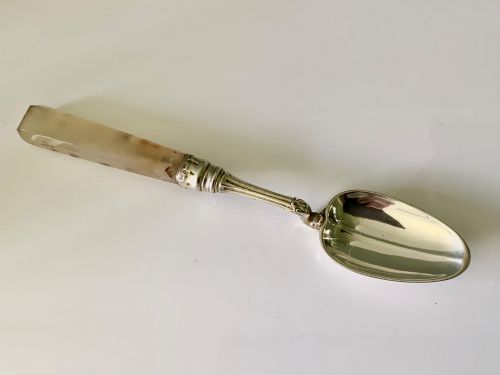
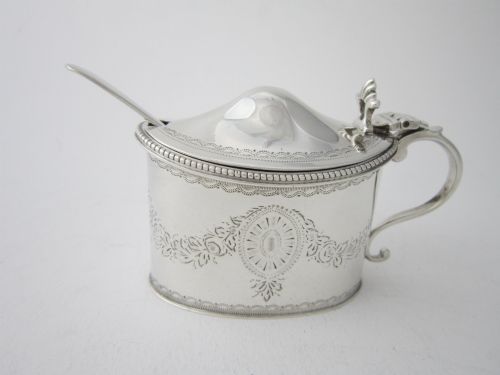
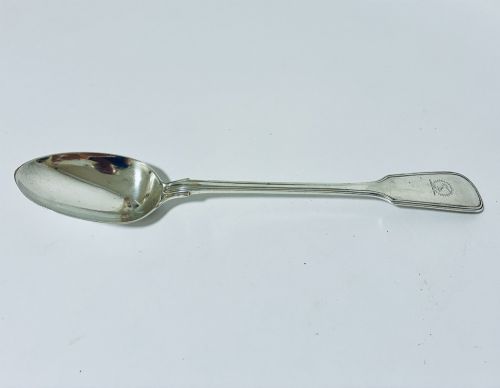
Table silverware encompasses a broad category of items used for serving and eating food at the dining table. This includes flatware sets, soup ladles, serving spoons, toast racks, sugar castors, and mustard pots.
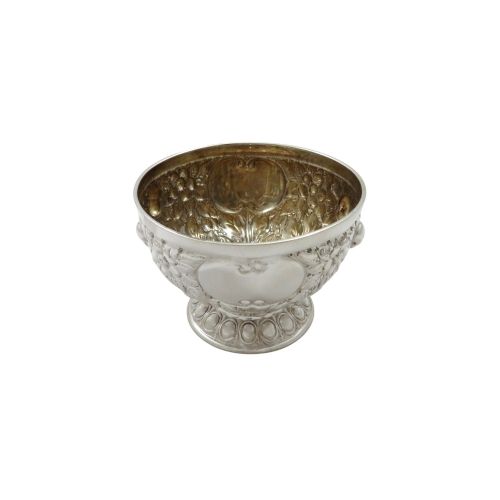
Items also extend to decorative bowls, bread dishes, and novelty pieces like baby peppers or menu card holders. Each object served a specific function in formal historical dining rituals.
How do I care for antique silver?
Caring for silver requires gentle cleaning using specialised silver polishes that remove tarnish without scratching the soft metal. Avoid abrasive cloths or harsh chemical dips that strip away the subtle details of engraving.
Store pieces in dry environments, utilising fitted wooden canteens or lined cases where possible to prevent rapid tarnishing from air exposure. Regular, careful use prevents heavy tarnish buildup and maintains a natural gleam.
How can I date antique silver?
Dating silver relies heavily on the stamped hallmarks found on British pieces, which include specific letters corresponding to the assay office and year of testing. Comparing style markers such as Victorian aesthetic movement engraving or Georgian thread borders also helps narrow the era.
Documentation and registration numbers on pieces from the Edwardian and later periods offer further precision. Examining the construction techniques, such as hand-hammering versus machine rolling, guides the estimation.
Can I use antique silverware daily?
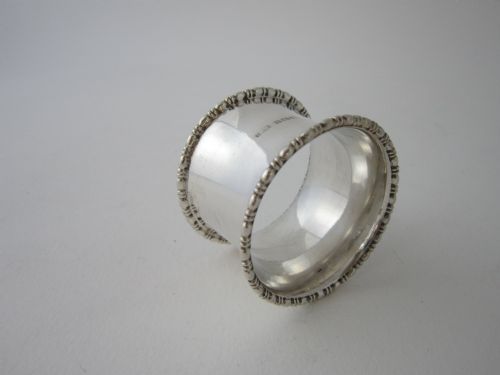
Many antique silver items are sturdy enough for regular use at the dining table, particularly heavy sterling pieces designed for functional service. Flatware, napkin rings, and serving spoons perform everyday tasks reliably when handled with care.
Delicate items like epergnes, antique enamel pieces, or thin silver plate require more caution to avoid structural damage or wear to the surface. Hand washing is essential, as modern dishwashers use harsh detergents that ruin antique finishes.