




Antique Table Planter Trough
When you want an antique table planter trough, you seek a container designed to hold living greenery on furniture.
Antique Table Planter Trough
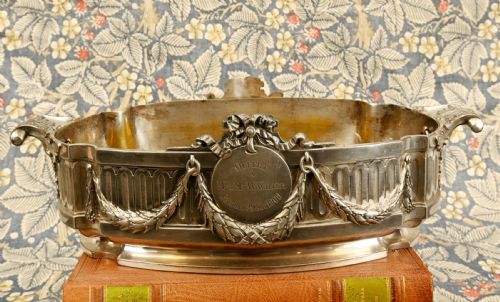
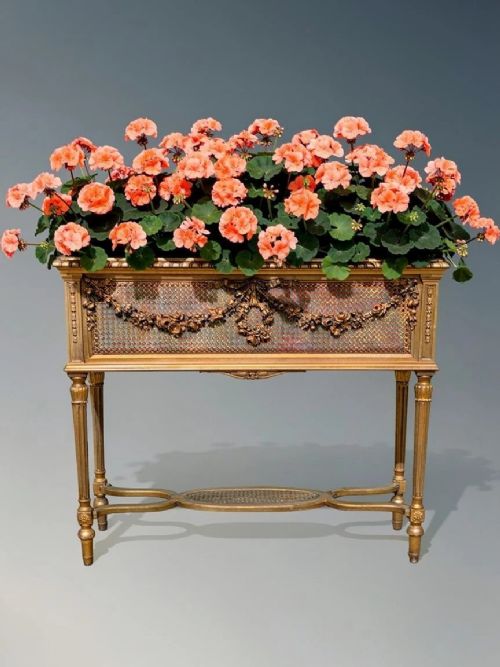
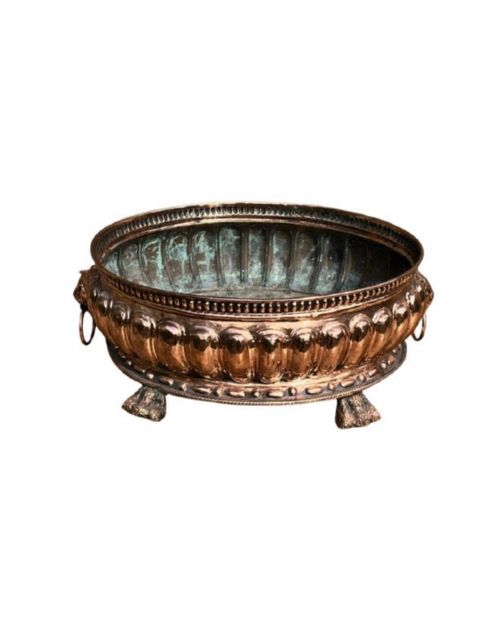
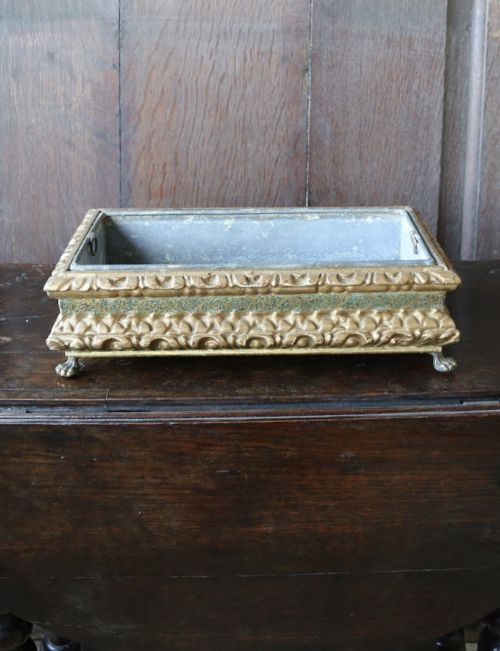
An antique table planter trough is a vessel designed to sit upon furniture and hold plants or flowers indoors. You find these objects described in listings as jardinieres, plant stands, or centrepiece bowls.
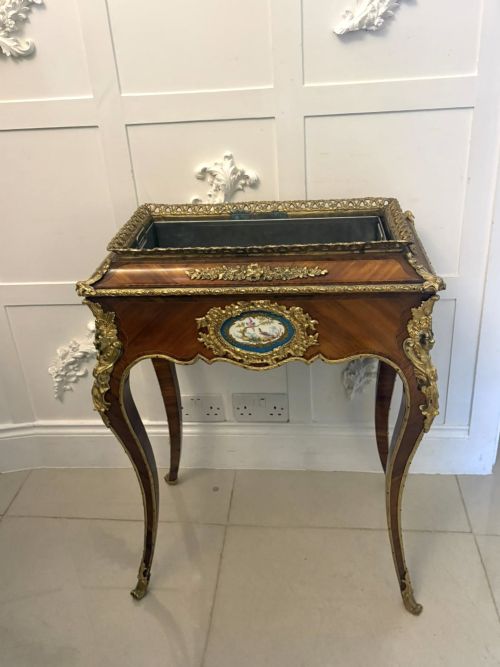
The versions you meet on this page span from the seventeenth century through to the Edwardian period and nineteen thirty. They appear in forms ranging from French walnut and ormolu mounts to Italian majolica porcelain and plain painted pine.
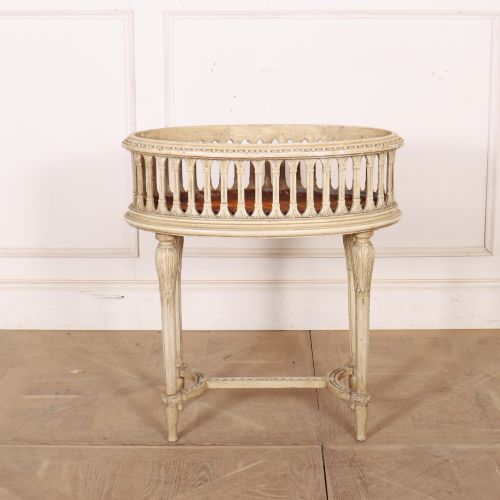
Makers and craftsmen shaped these troughs in styles such as Louis XVI, French Empire, Neo-Classical, and Edwardian. They served to bring garden foliage directly into the dining room or drawing room table setting.
How they were made
Makers utilised timber frames of walnut, satinwood, kingwood, mahogany, and giltwood for the main bodies of these planters. They frequently added marquetry, inlay, paint, or ebonised finishes to ornament the exterior surfaces.
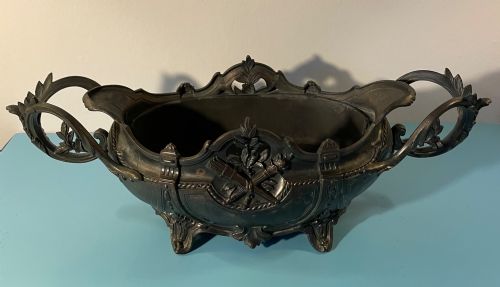
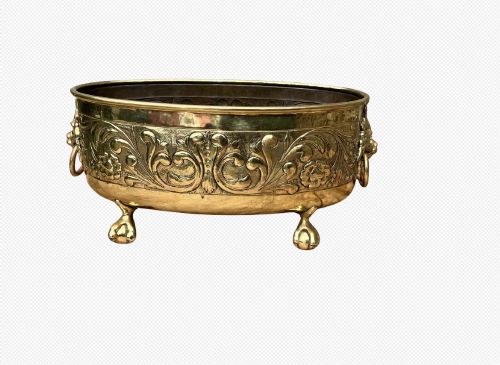
Metal components played a structural and decorative role, featuring brass, ormolu, silver plate, copper, and zinc linings. These metal liners protected the wooden structures from water damage caused by live plants.
The listings show materials ranging from zinc, brass, and copper to giltwood, satinwood, and burr walnut across multiple centuries.
What varies in quality
The refinement of the surface marquetry and the crispness of the giltwood or ormolu mounts dictate the upper tier of quality. Finer examples display meticulous attention to timber selection, such as burr walnut or figured satinwood, paired with heavy, well-cast metal mounts.
Simpler vernacular pieces rely on painted pine, rustic wire work, or basic ceramic bodies, which represent a more utilitarian domestic standard. The presence of original metal or zinc liners also shifts the standard of a piece significantly.
The Antique Table Planter Trough Glossary
- Jardiniere
- A decorative pot or trough, typically ceramic or metal, designed to hold plants or flowers. French makers applied this term widely to table centrepieces meant for botanical display.
- Ormolu
- Gilded bronze mounts applied to furniture and decorative objects during the eighteenth and nineteenth centuries. Found frequently on French walnut and mahogany planters.
- Marquetry
- Decorative veneer patterns assembled from various woods on a furniture surface. Craftsmen used this technique to create intricate floral or geometric designs on planter bodies.
- Majolica
- Tin-glazed earthenware popular in Italian and European pottery traditions. This ceramic finish provides a colourful, glossy surface suited to centrepiece planters.
Antique Table Planter Trough: Frequently Asked Questions
What were antique table planter troughs used for?
These vessels stood upon dining tables or sideboards to display potted plants and cut flowers indoors. They allowed households to incorporate living greenery into formal interior spaces.
Protective metal liners held the soil and water securely, preventing dampness from reaching the polished wooden furniture underneath.
How do I care for an antique planter trough?
Keep the wood or metal surfaces dry and polish them only with appropriate traditional wax where finishes permit. Avoid placing damp pots directly onto unlined antique timber.
Use a removable inner pot or plastic tray inside the original liner to water plants safely away from the antique structure.
How do I distinguish French styles on these planters?
French Revival and Louis XVI styles typically feature symmetrical ormolu mounts, refined wood veneers like kingwood, and classical motifs. Later pieces often display more eclectic Arts and Crafts or Edwardian influences.
Examining the underlying timber framing and the style of the metal casting helps separate continental workshop output from British vernacular pieces.
Are these troughs suitable for real plants?
They were originally designed to hold real plants, provided the internal waterproof liner remains intact. Many surviving pieces retain their original zinc or copper inserts for this purpose.
Check the condition of the inner lining before introducing moisture to ensure the surrounding antique wood stays protected.