

Antique Table Display Cabinet
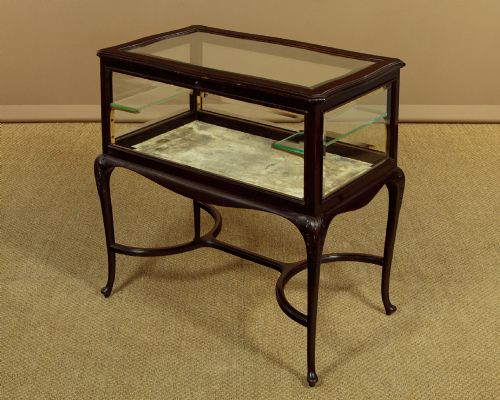
An antique table display cabinet brings together the functions of a writing or occasional table and a glazed showcase for small treasures.
Antique Table Display Cabinet
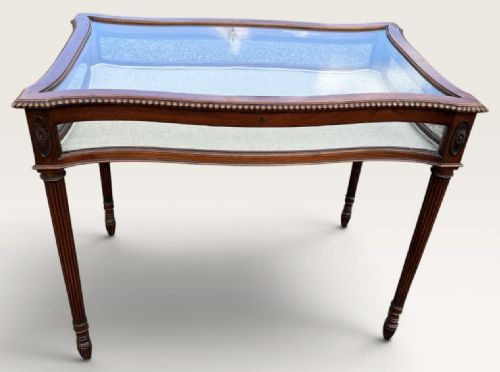
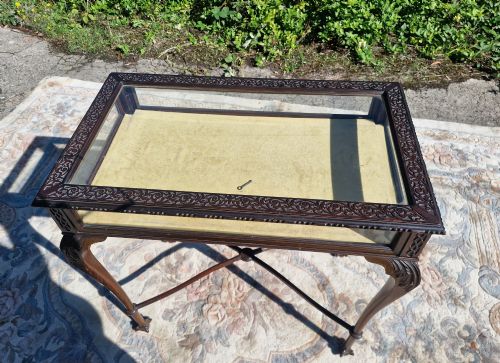
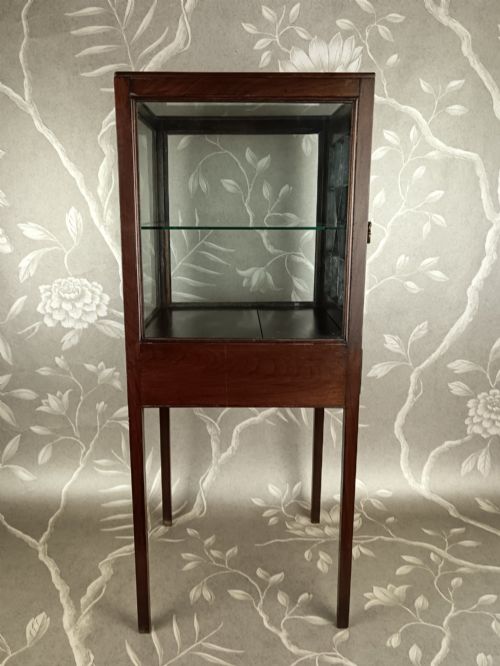
An antique table display cabinet serves to hold and exhibit precious objects, medals, and jewellery at a comfortable viewing height. These items merge the practicality of a small table with the enclosed security of a glass-topped showcase.
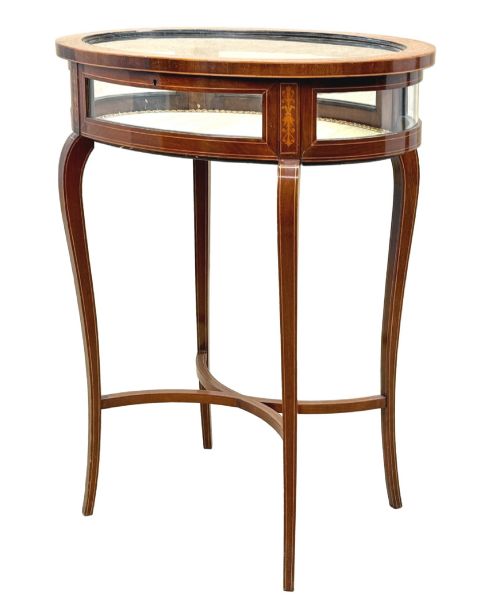
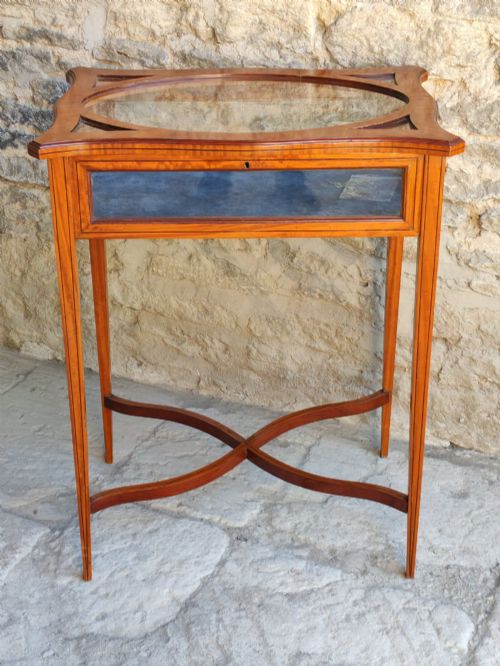
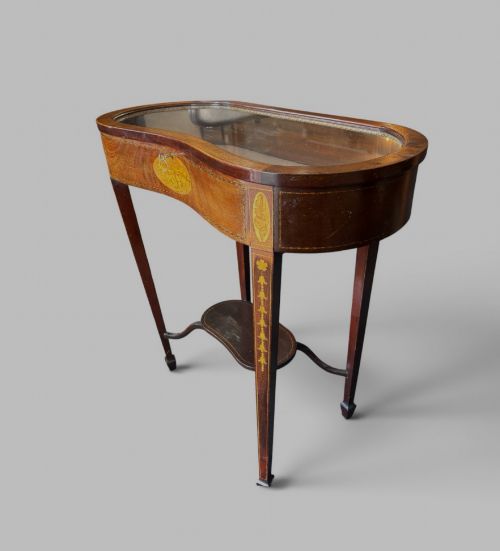
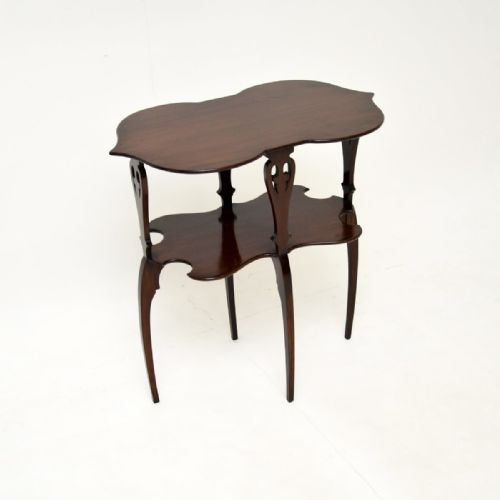
The pieces appearing most frequently take the form of Edwardian and Victorian bijouterie tables, alongside nineteenth-century table-top vitrines and mahogany display cases. Formats range from serpentine and kidney shapes to simple rectangular boxes designed to sit upon existing surfaces.
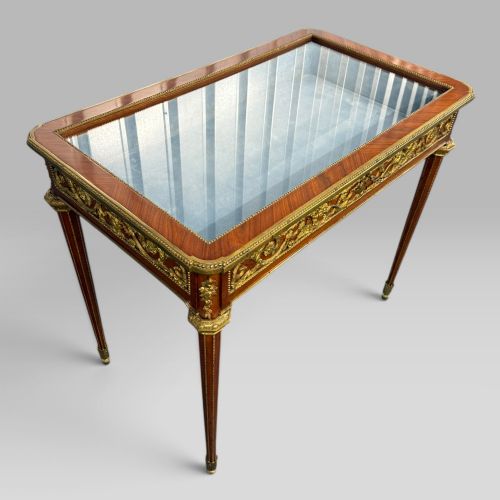
Origins span English workshops of the Georgian and Edwardian eras, alongside French creations featuring gilt mounts and delicate marquetry. Many examples utilise slender legs, allowing the glazed compartment to remain the visual centrepiece.
How they were made
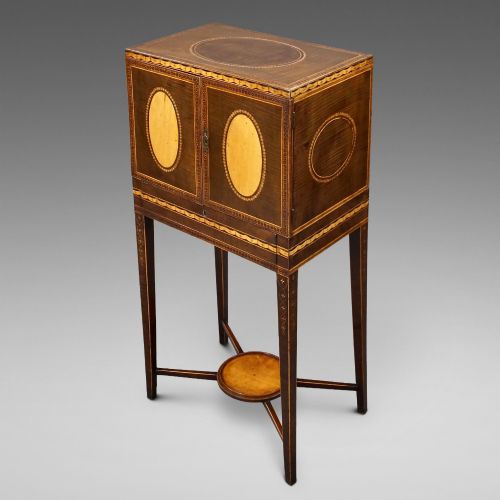
Cabinet makers relied primarily on mahogany, walnut, and satinwood as foundational timbers, often applying intricate crossbanding and stringing in lighter woods like harewood. Frames were constructed with tight joinery to support the weight of heavy glass lids and bevelled panes.
Metalwork played a critical role in decoration and structure, with brass hinges, locks, and cast ormolu mounts securing the glass elements. Interiors were traditionally lined with velvet, silk, or fabric to cushion delicate collectors' items and jewellery.
Some nineteenth-century tables served a double life as sewing desks, hiding silk threads beneath the glass.
What varies in quality
The refinement of the timber preparation and the precision of the inlay dictate the upper tier of execution, where satinwood and marquetry are handled with exceptional control. Lesser examples feature simpler painted decoration or plain secondary timbers without the same attention to grain matching.
Hardware and glass selection mark distinct levels of craftsmanship, with bevelled edge glass and heavy, finely chased ormolu mounts appearing on superior French and English productions. Simpler shop-fitting counters and utilitarian table-top cases rely on standard clear glass and straightforward brass hinges.
Edwards and Roberts·Gabriel Viardot
The Antique Table Display Cabinet Glossary
- Bijouterie table
- A specialised low table with a glass-topped compartment specifically designed for displaying small trinkets and jewellery. These pieces often feature hinged or lifting lids.
- Vitrine
- A glass-fronted or glass-sided cabinet used for exhibiting porcelain, curiosities, or books. In this context, the term frequently applies to table-top display cases.
- Marquetry
- The art of applying decorative veneer pieces in wood, shell, or ivory to a structural surface to create pictorial or geometric designs. This technique defines many Edwardian and Georgian table cabinets.
- Ormolu
- Gilt bronze ornamentation applied to furniture, popular in French-influenced designs of the nineteenth century. It adds metallic contrast to dark woods such as mahogany.
- Satinwood
- A lustrous, hard timber native to India and Sri Lanka, utilised widely for banding and full veneers during the eighteenth and nineteenth centuries. Its pale golden colour brightens inlaid table designs.
Antique Table Display Cabinet: Frequently Asked Questions
What were antique table display cabinets used for?
These tables allowed Victorian and Edwardian collectors to exhibit small treasures, pocket watches, and jewellery within a secure glass enclosure while entertaining guests in a drawing room.
The surface also served as an occasional table for holding light items, combining everyday utility with the display of personal taste and status.
How do I tell an Edwardian piece from a Victorian one?
Edwardian examples often display lighter satinwood inlays, slender tapered legs, and influences from Sheraton or Chippendale revivals, reflecting a brighter aesthetic.
Victorian pieces tend to employ heavier walnut or mahogany timbers, with richer marquetry, darker interior velvet linings, and more robust turned or carved supports.
Are the interiors of bijouterie tables original?
Many surviving tables retain their original velvet or silk fabric linings, though fragile textiles frequently required replacement over the decades of use.
Inspect the condition of the lining and the surrounding wood channel to determine whether a past restoration has taken place inside the glass compartment.
How do I care for the wood and glass?
Keep these cabinets away from direct sunlight and strong heat sources to prevent the delicate veneer from drying out and the timber from cracking.
Clean the glass panes with a dry or barely damp cloth, avoiding excess moisture near the antique wood frame and fragile brass hardware.