
Antique Table Desk Box
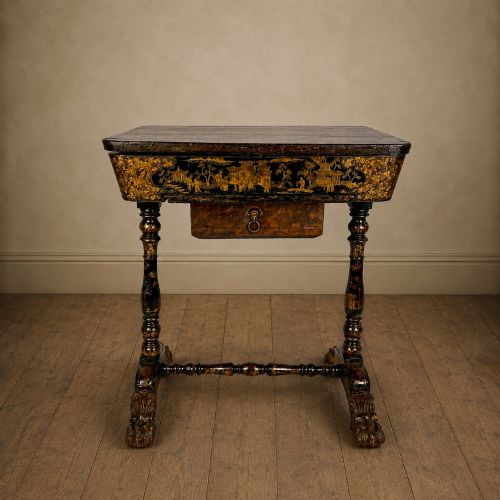
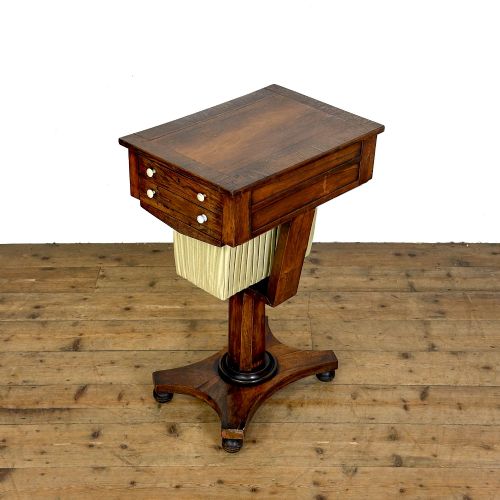
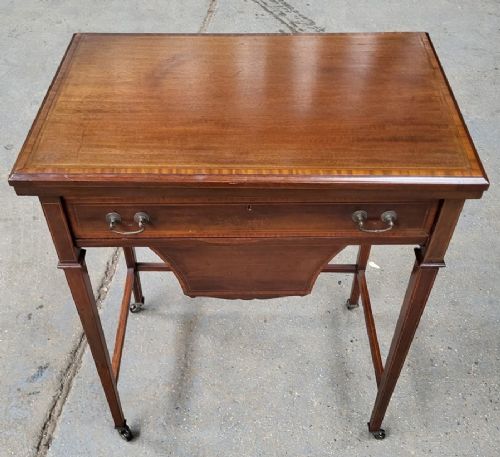
When an antique table desk box sits before you, it brings together practical writing storage and portable craftsmanship from centuries past.
Antique Table Desk Box
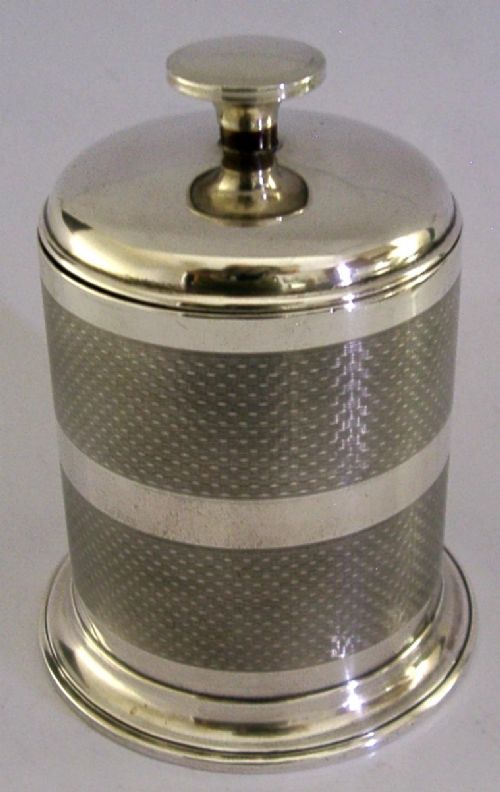
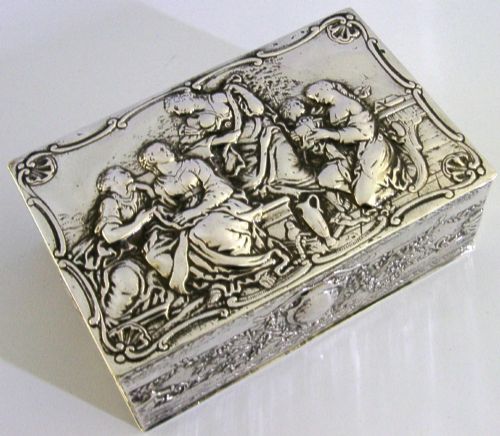
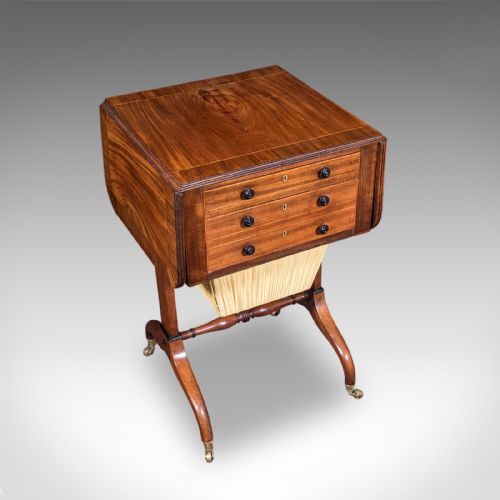
An antique table desk box encompasses compact lidded containers, slanted writing slopes, and small cabinets designed to sit upon furniture for storage and correspondence. These pieces serve as functional repositories for papers, writing implements, and personal valuables.
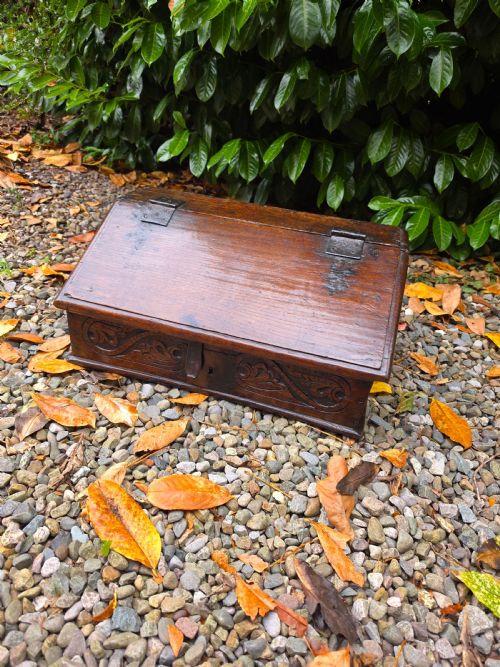
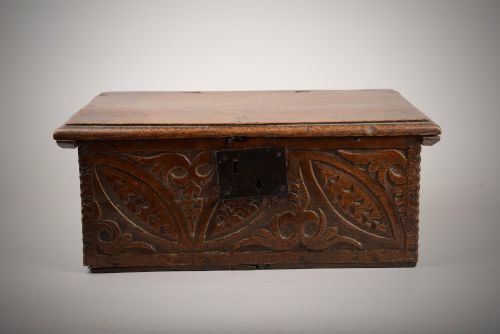
The selections span from robust seventeenth-century oak Bible boxes to nineteenth-century burr walnut slope designs inlaid with Tunbridge ware. Buyers frequently encounter nineteenth-century examples alongside earlier walnut and mahogany iterations.
What varies in quality
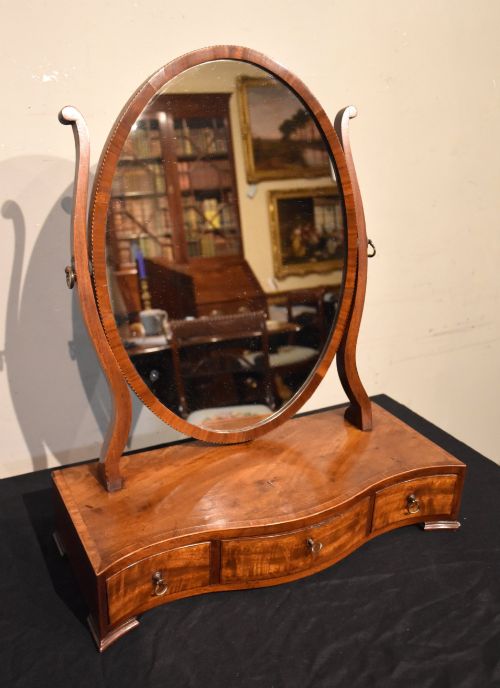
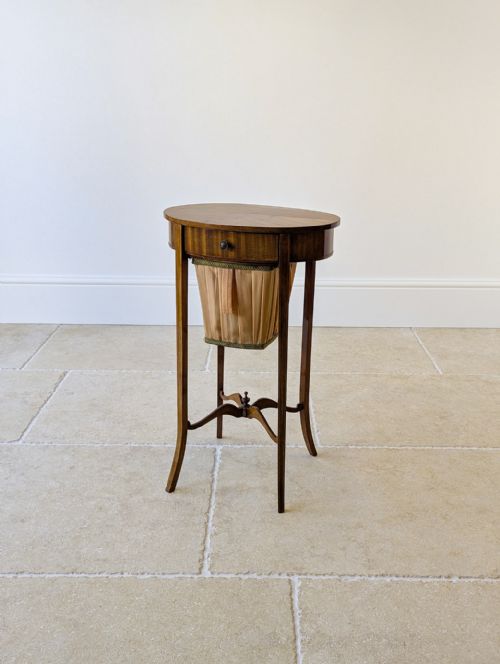
The standard of timber selection and grain matching distinguishes finer pieces, particularly in burr walnut and rosewood boxes where symmetry matters. Superior execution shows in the precision of dovetail joinery, flush-fitting lids, and intact internal partitions.
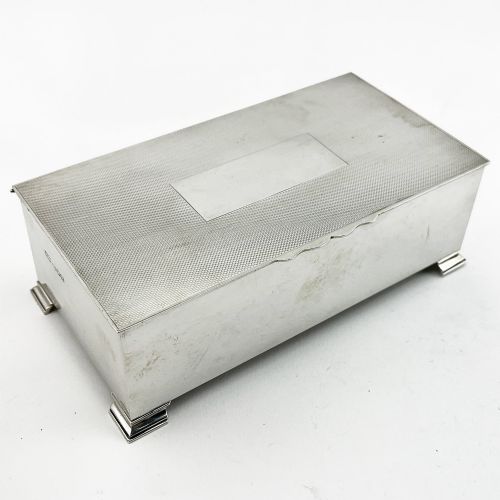
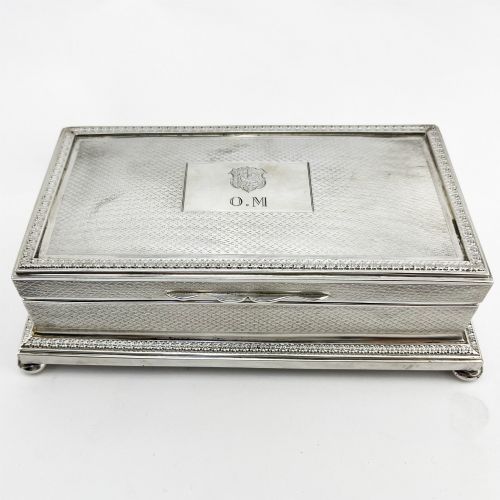
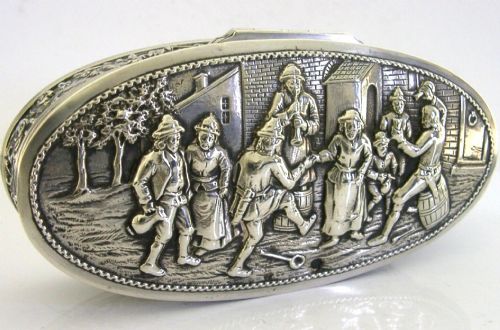
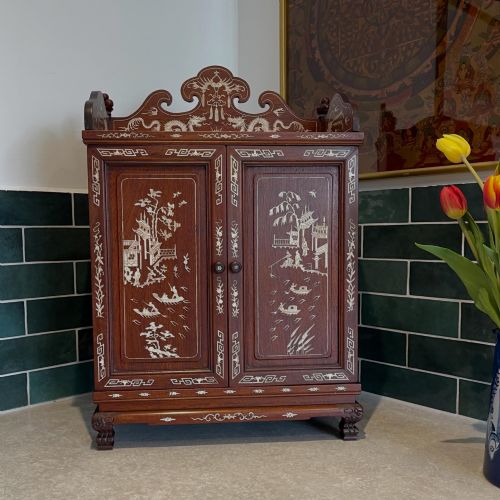
Metal components reflect the tier of manufacture, with heavy cast brass hardware and hallmarked silver outlasting thin stamped platings. The crispness of hand-engraving on silver surfaces and the intricacy of wood inlay separate standard items from superior works.
Several diminutive silver snuff boxes incorporate hidden spring mechanisms designed to surprise the unwary recipient upon opening.
Mappin & Webb·Sigvard Bernadotte for Georg Jensen·Jane Brownett Alexander Jones
The Antique Table Desk Box Glossary
- Bible box
- A lidded wooden container originally used to hold family Bibles or documents, often featuring a sloping lid.
- Slant front
- A hinged desktop that angles downward for writing, lifting to reveal internal letter slots and small drawers.
- Tunbridge inlay
- Micro-mosaic woodwork utilising thousands of tiny dyed wood blocks to create pictorial or geometric motifs.
- Navette
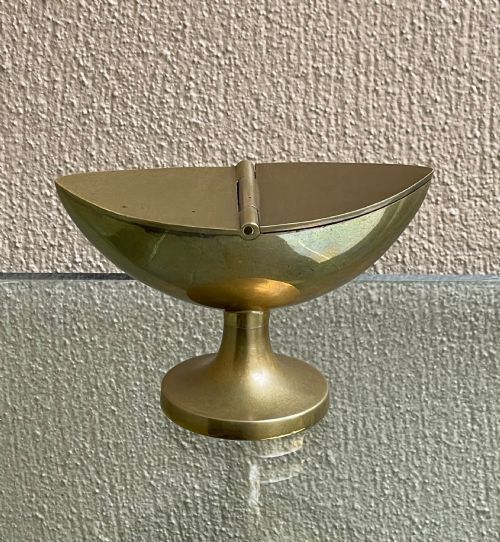
- A pointed, boat-shaped form common in Georgian silver snuff boxes and decorative table items.
- Shagreen
- Untanned skin, typically from shark or ray, used as a textured luxury covering on twentieth-century boxes.
Antique Table Desk Box: Frequently Asked Questions
What is an antique table desk box used for?
These boxes provided a secure, portable surface for writing letters and storing precious documents before fitted furniture became standard. Owners kept inkwells, paper, and personal seals inside the compartments.
Today, they function as decorative desktop storage for modern stationery, jewellery, or keepsakes while maintaining their historical character.
How do I date an antique wooden box?
Construction methods offer the clearest timeline, as hand-cut dovetails and native timbers like oak or elm point toward the seventeenth and eighteenth centuries. Later nineteenth-century pieces frequently employ machine-sawn elements, exotic veneers, and brass stringing.
Style indicators such as Regency brass banding or Art Deco shagreen coverings further narrow the decade of origin.
Are silver table boxes marked?
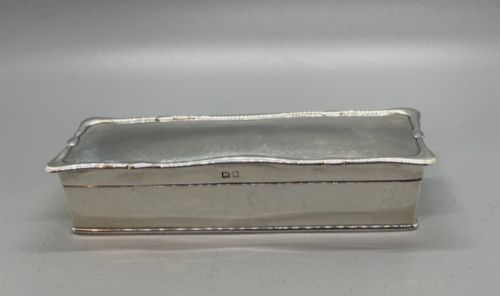
British silver boxes usually bear hallmark stamps indicating the assay office, date letter, and maker's mark. Continental pieces often display standard silver purity numbers such as eight hundred.
These tiny stamped impressions confirm the metal composition and help trace the geographic origin of the workshop.
How should I care for a wood and brass box?
Keep wooden boxes away from direct sunlight and extreme humidity fluctuations to prevent veneer cracking or wood warping. Occasional application of suitable wax preserves the polish of walnut and mahogany surfaces.
Brass hardware benefits from gentle dusting rather than harsh chemical cleaning to retain its natural historic patina.