

Antique Table Cutlery
Antique table cutlery gathers the spoons, forks, knives, and serving pieces forged and shaped across Georgian, Victorian, and Edwardian dining rooms.
Antique Table Cutlery
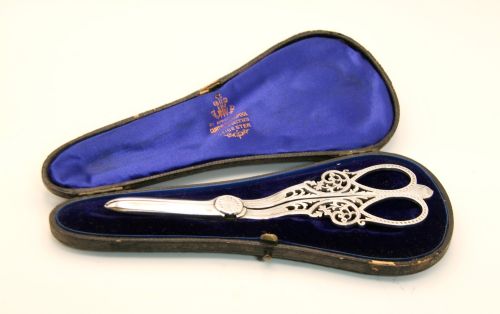
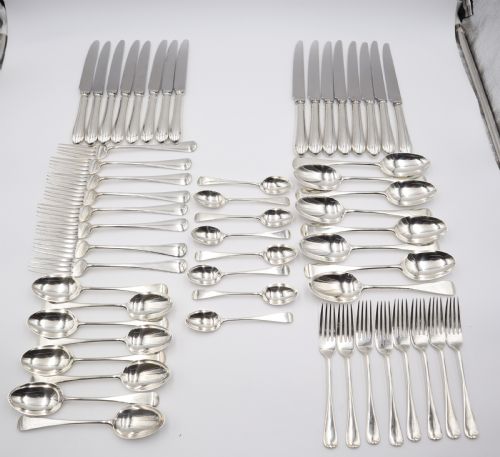
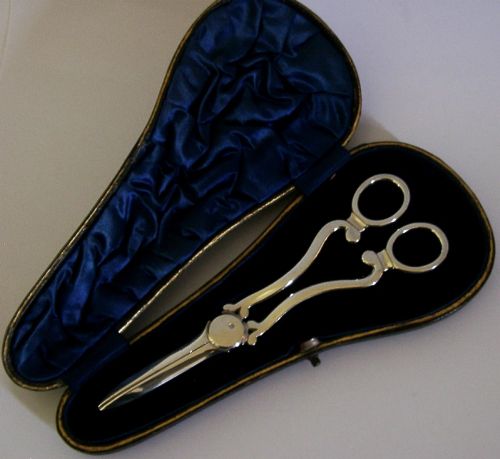
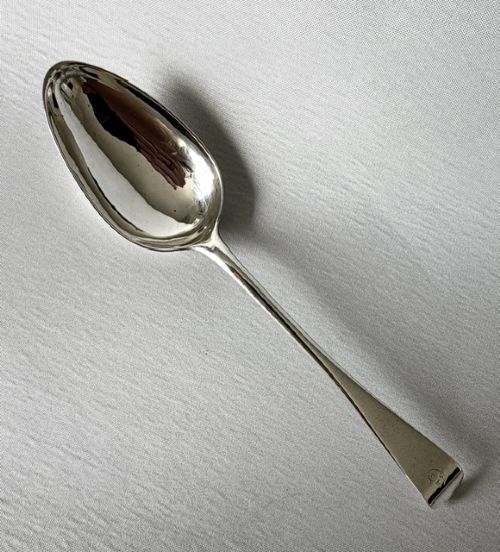
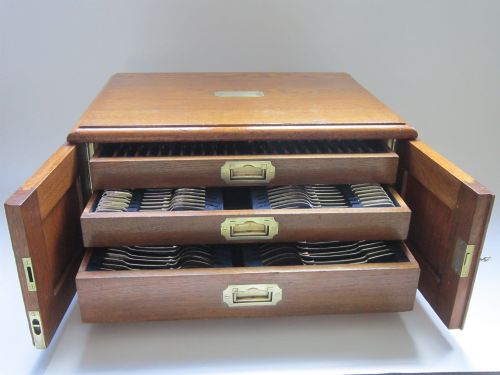
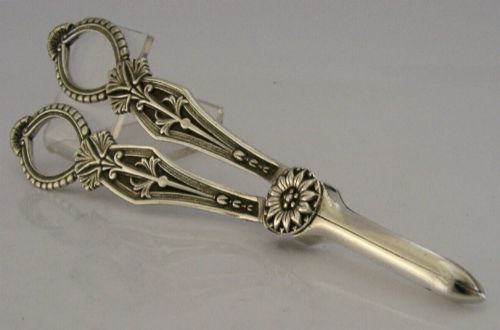
Antique table cutlery spans single spoons, knife rests, and large fitted canteens designed for dining and serving across centuries. Pieces range from early eighteenth-century pewter dog nose spoons and George II forks to Victorian canteens and Art Deco silver-plated flatware sets.
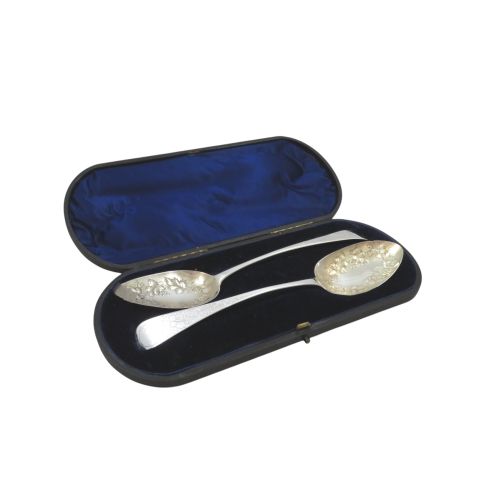
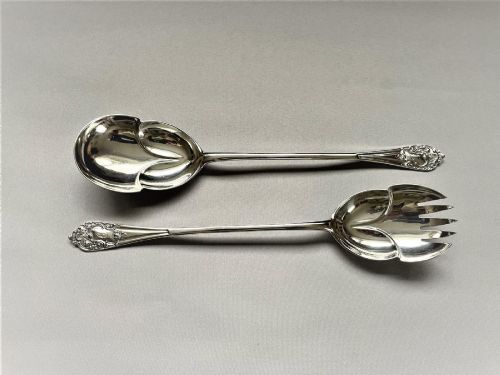
Buyers most frequently meet complete canteens, individual serving spoons, and matched sets originating from the Georgian and Victorian eras. These implements reflect the formal dining practices of their periods, utilising specific forms for soup, fish, dessert, and fruit.
How they were made
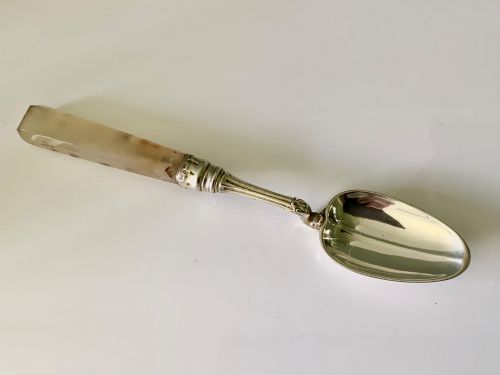
Makers utilised sterling silver, silver plate, steel, and occasionally pewter, shaping the metal by hand or through early industrial stamping methods. Handles incorporate supplementary materials such as mahogany, silk, velvet, agate, and brass.
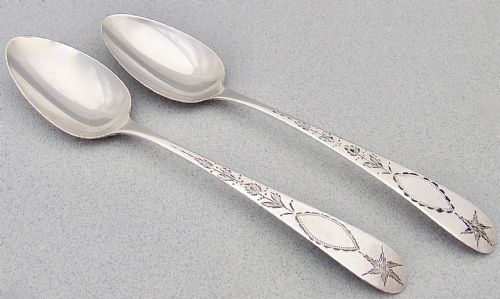
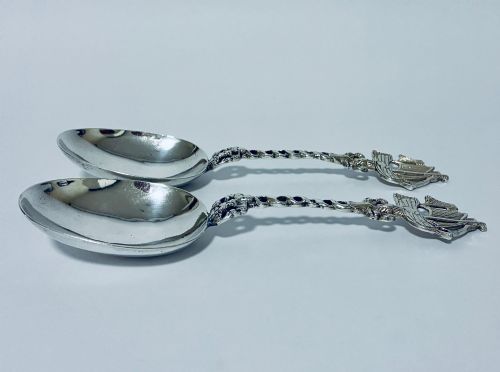
Construction techniques include cast or forged metal components soldered, riveted, or fitted with specialised handles. Many items, particularly canteens and knife rests, rely on detailed chasing, engraving, and crest work.
Listings feature items fashioned from sterling silver, silver plate, steel, mahogany, brass, silk, and velvet across multiple centuries.
What varies in quality
Quality rests in the heaviness of the gauge, the crispness of the hallmarking, and the preservation of engraved crests and patterns. Superior pieces maintain robust structural integrity without thinning at the bowls of spoons or the tines of forks.
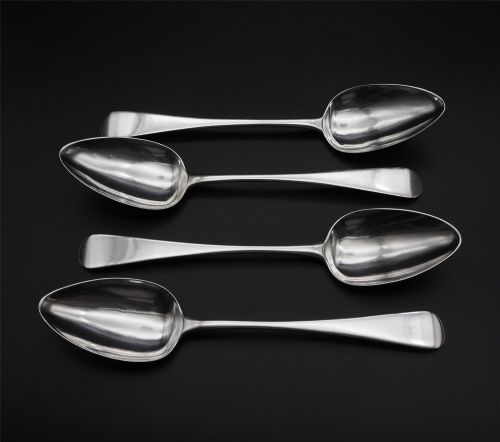
The sophistication of the design, such as Fiddle pattern handles or intricate cast motifs, distinguishes standard utility ware from exceptional artisan output. Complete sets retained in original fitted wooden canteens or cases command greater historical cohesion.
John Pittar·E Coker·John Locker·Asprey And Co·Georg Jensen·Christofle
The Antique Table Cutlery Glossary
- Sterling silver
- A silver alloy containing 92.5 percent pure silver by mass, frequently hallmarked to indicate origin and date of assay.
- Silver plate
- A base metal substrate coated with a thin layer of silver, common in nineteenth and twentieth-century dining sets.
- Fiddle pattern
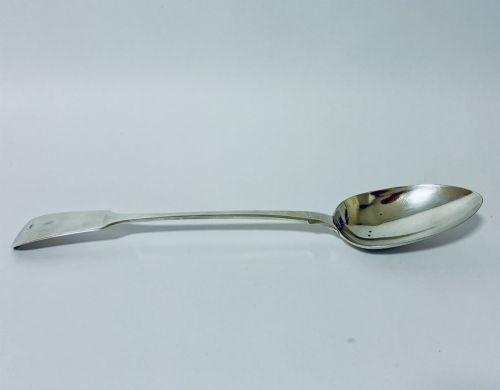
- A nineteenth-century cutlery handle design featuring a distinctive broadened, shoulders-down outline resembling a stringed instrument.
- Dog nose spoon
- An early eighteenth-century spoon style characterised by a flattened, notched terminal at the end of the handle.
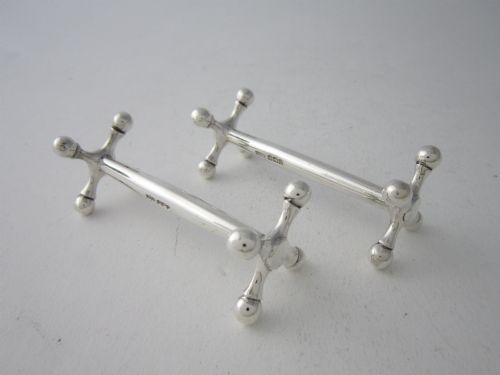
- Knife rest
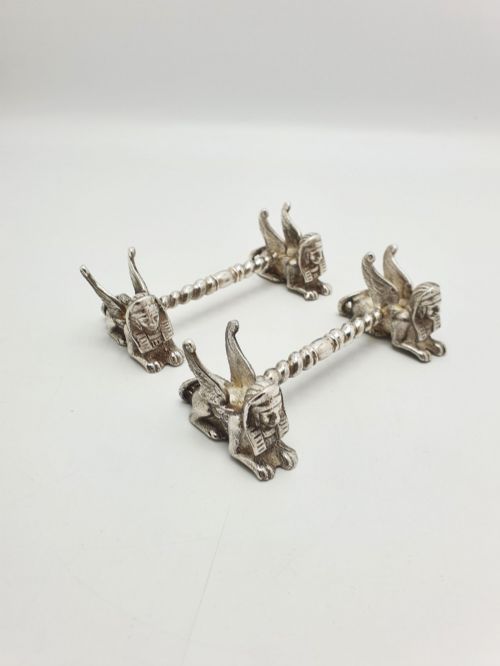
- A small support, often cast in silver or plated metal, designed to keep carving or table knives elevated above the tablecloth.
Antique Table Cutlery: Frequently Asked Questions
How do I clean antique silver cutlery?
Clean silver pieces gently using specialist silver polish and a soft cloth to protect the underlying metal and any engraved crests. Avoid harsh scrubbing that can wear down hallmarks or thin silver-plated surfaces.
Store items in dry conditions, preferably within lined canteens or cloth rolls, to minimise tarnishing and prevent scratching between uses.
Can I use antique cutlery every day?
Many solid silver and sturdy silver-plated sets remain entirely functional for regular dining. Care should be taken with hollow-handled knives, antique steel blades, and delicate early forms.
Hand washing is essential, as modern dishwashers use abrasive detergents and excessive heat that damage historic metals and handle adhesives.
How do I date antique cutlery sets?
Dating relies heavily on official hallmarks stamped into sterling silver pieces, which indicate the assay office, year, and maker. Stylistic indicators like handle shapes, such as Fiddle pattern or dog nose terminals, also help place pieces within Georgian or Victorian periods.
What is the difference between flatware and cutlery?
Flatware traditionally refers to implements that lie flat, such as spoons and forks used for serving and eating. Cutlery strictly denotes cutting instruments with blades, though modern usage often combines both terms into one category.