

Antique Table Chime
An antique table chime brings measured sound into a room through tuned bells, gongs and striking movements.
Antique Table Chime
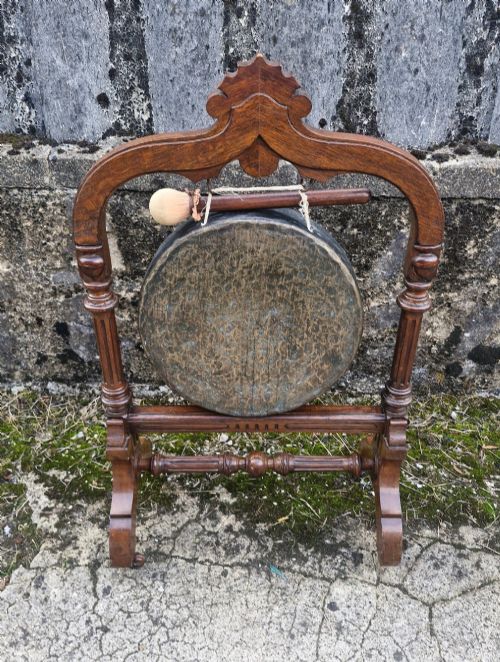
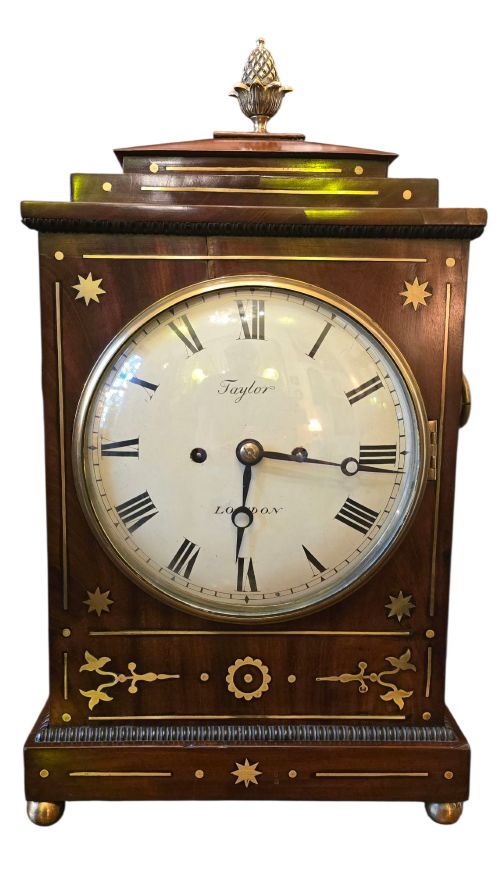
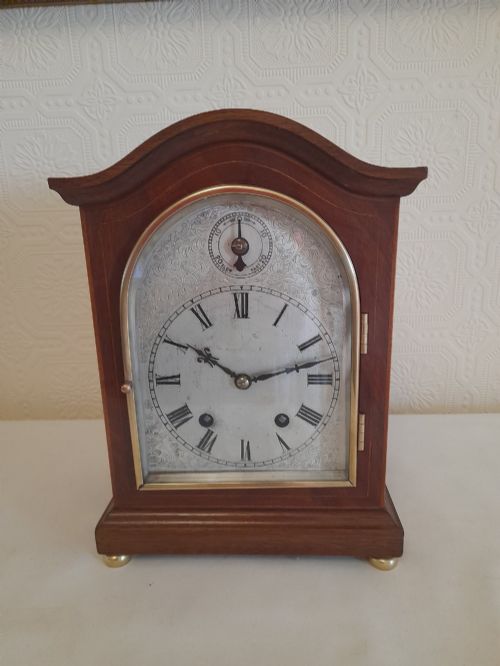
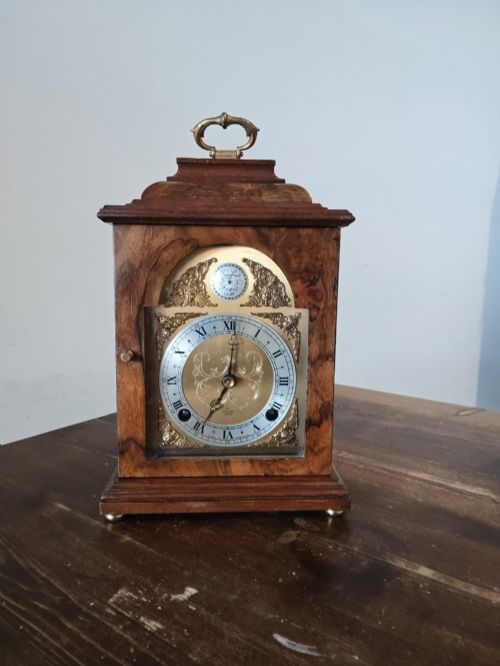
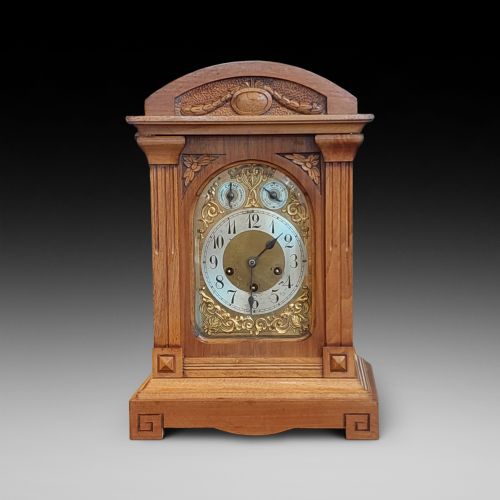
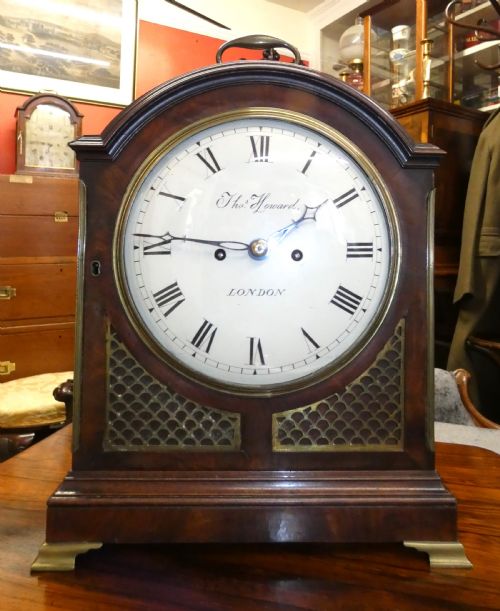
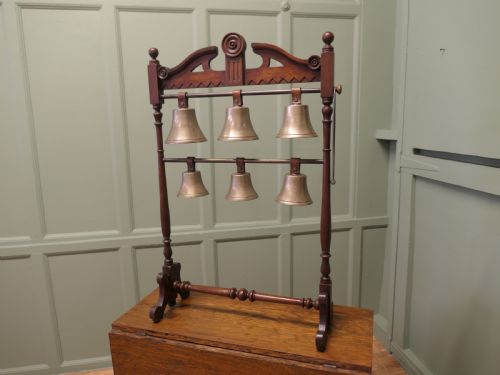
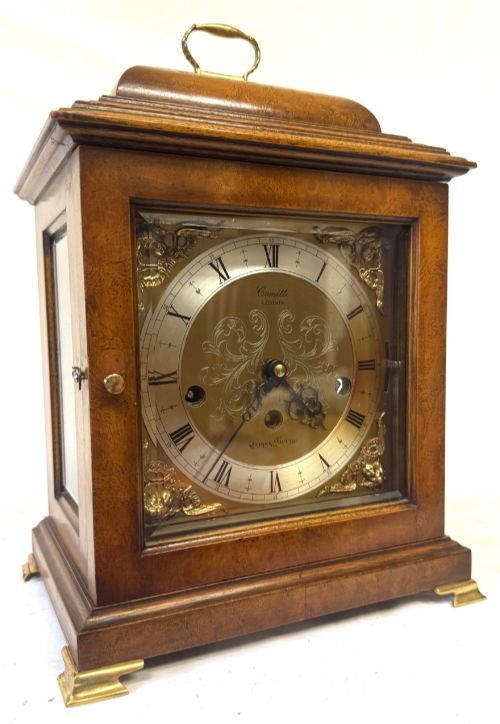
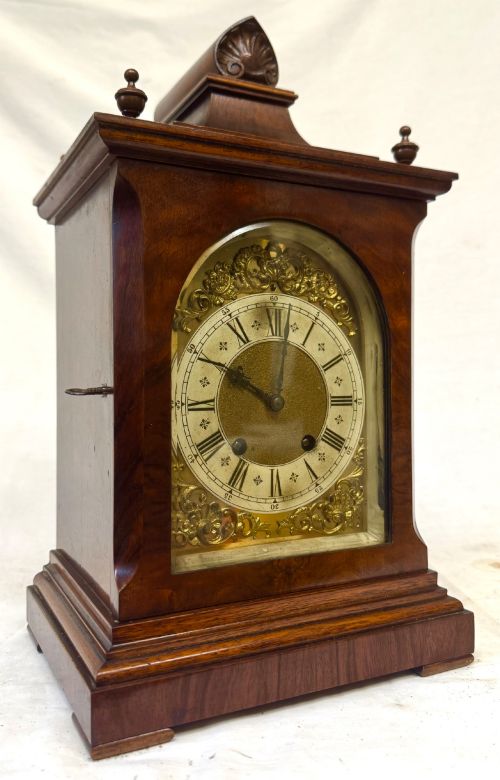
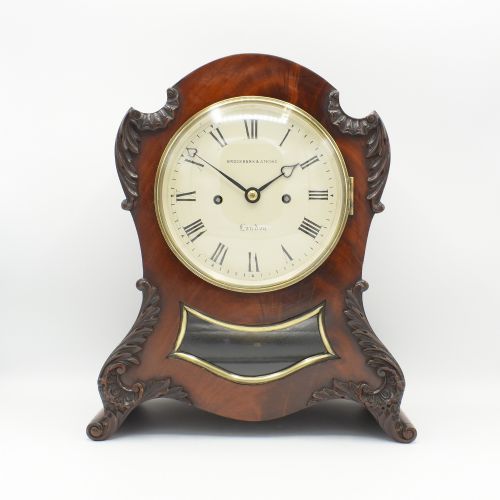
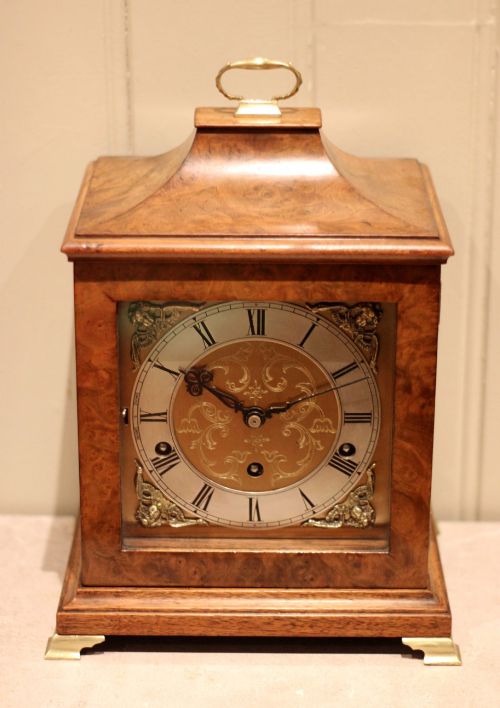
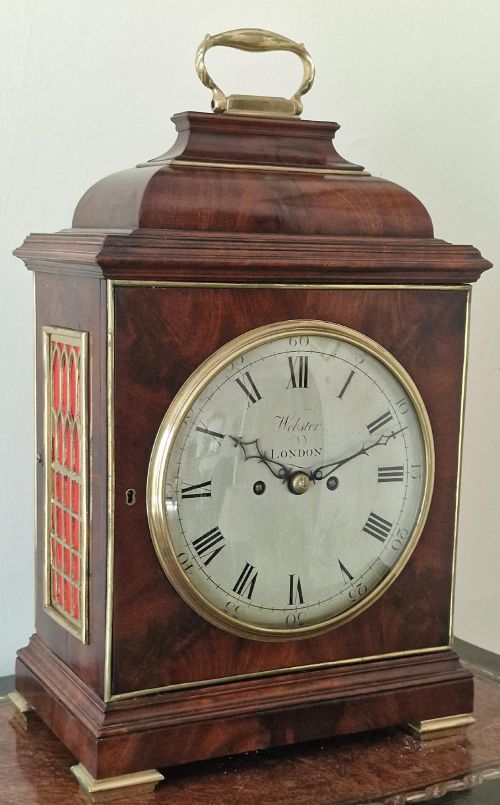
When you search for an antique table chime, you encounter both timepieces with chiming mechanisms and dedicated acoustic gongs intended for dining rooms or halls. The selection on this page ranges from compact mahogany and walnut bracket clocks with musical bells to mounted brass dinner gongs resting on carved oak or bamboo stands.
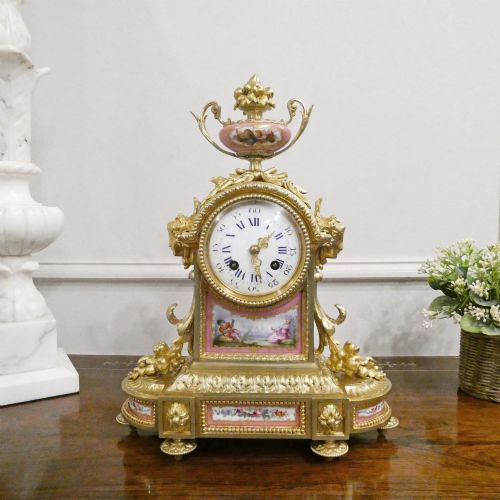
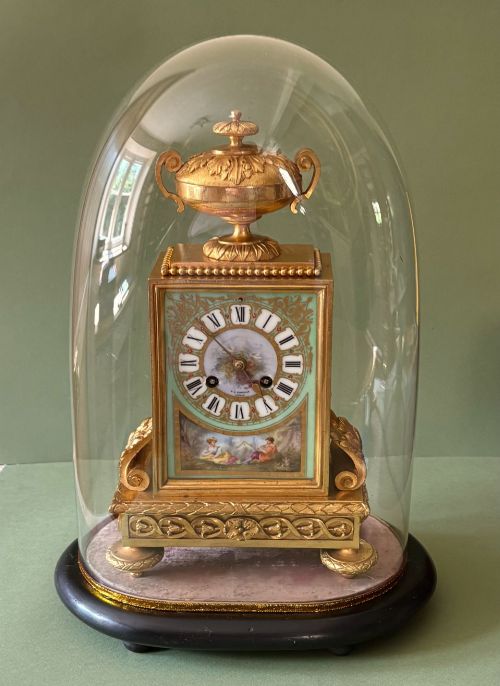
Mantel and bracket clocks dominate the material evidence, often housing fusee or spring-driven movements that sound the hours and quarters. Alongside these sit Japanese bronze gongs, French porcelain-mounted designs and English table chimes set upon wooden bases complete with handheld strikers.
Materials and construction
Cabinetmakers utilised rich timber veneers including mahogany, walnut, burr walnut and ebonised wood to house the delicate brass and gilt bronze movements. Cases frequently display fine carved details, brass dial fittings, porcelain mounts and glass panels protecting the moving parts.
Acoustic gongs combine cast brass, copper or bronze with structural stands of oak, bamboo or carved oriental wood. The mechanical chime clocks rely on precision engineering within brass plates, utilising steel springs, fusee chains and tuned musical bells to produce their tone.
The listings combine British and continental European origins, spanning Georgian, Victorian, Edwardian and Art Deco periods across woods, brass and bronze.
Judgments of quality
Quality rests in the precision of the interior movement and the acoustic clarity of the bells or gongs. Master clockmakers such as those working in London or specialist German workshops produced movements with refined escapements and complex striking trains that retain their precision over centuries.
The architectural execution of the case separates standard production pieces from exceptional examples. Fine timber selection, crisp bronze or ormolu mounts, and harmonious proportions elevate a piece from a simple utility clock to a substantial work of decorative art.
George Wadham·Japy Freres·Mappin & Webb·Winterhalder And Hofmeier·Francis Perigal
The Antique Table Chime Glossary
- Bracket clock
- A portable spring-driven clock originally designed to sit on a wall bracket. They evolved into substantial table timepieces housed in architectural wooden cases.
- Fusee
- A conical pulley used in better clocks to maintain equal power as the mainspring unwinds. This mechanism significantly improves the timekeeping accuracy of the movement.
- Dinner gong
- A suspended metal disc, bowl or set of bells struck with a mallet to summon household members. They appear in oak, bamboo and bronze formats from the Victorian and Edwardian eras.
- Ting tang
- A two-bell striking system that sounds two different notes to mark the quarters. It provides a distinct acoustic signature compared to standard coil gongs.
Antique Table Chime: Frequently Asked Questions
How do I wind an antique table chime?
Most mechanical chime clocks require a specific winding key inserted into the dial holes to tension the springs or pull the weights up. Care must be taken not to overwind the mainspring.
Quarter-chiming movements often feature separate arbors for timekeeping, striking and chiming functions. Each train needs winding independently to maintain proper acoustic operation.
Where were table gongs used?
Dinner gongs stood in hallways, drawing rooms or dining areas of large houses to announce meals or afternoon tea. Their resonant tone carried across multiple rooms.
Smaller desk or veranda models served similar communicative purposes in domestic settings before electronic bells replaced them.
What is a fusee movement?
A fusee is a cone-shaped gear connected to the mainspring by a cord or chain. It compensates for the decreasing torque of the spring as it runs down.
This sophisticated device is a hallmark of higher-quality English clockmaking from the Georgian and Victorian periods.
How do I date an antique table chime?
Dating relies on the style of the wooden case, the signature of the maker on the brass dial, and the type of striking mechanism used. Victorian pieces often feature heavy walnut or ebonised cases, while Edwardian examples favour lighter oak stands.
Inscriptions or maker plaques on the backplate of the movement offer the most precise chronological markers.