

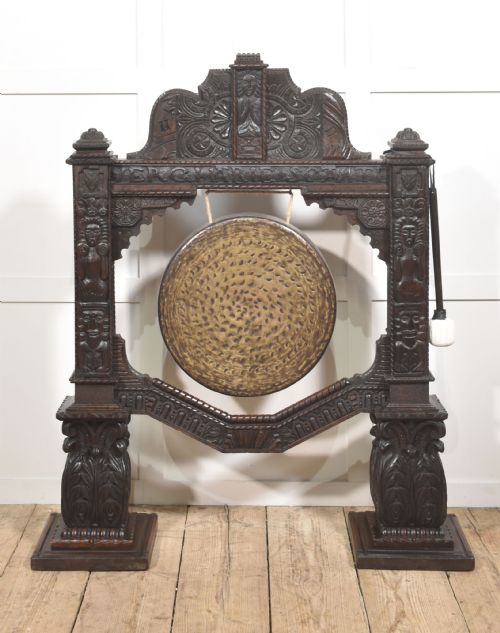


Antique Bell Stand
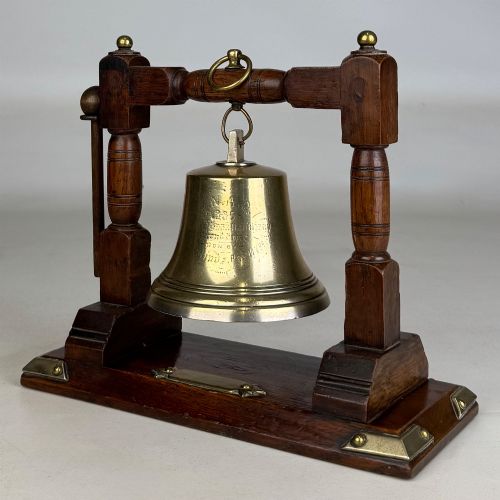
An antique bell stand provides a sturdy mounting for call bells and gongs, combining practical utility with period craftsmanship.
Antique Bell Stand
An antique bell stand supports table bells, tea ceremony gongs, and dinner gongs across Victorian, Edwardian, and Georgian periods.
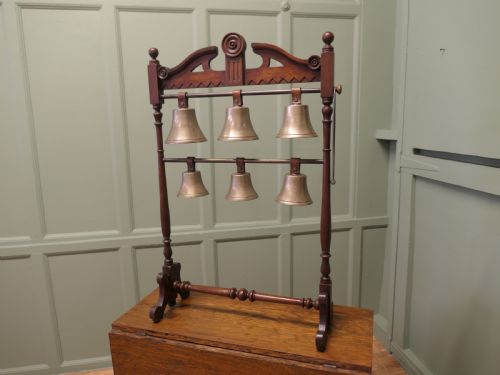
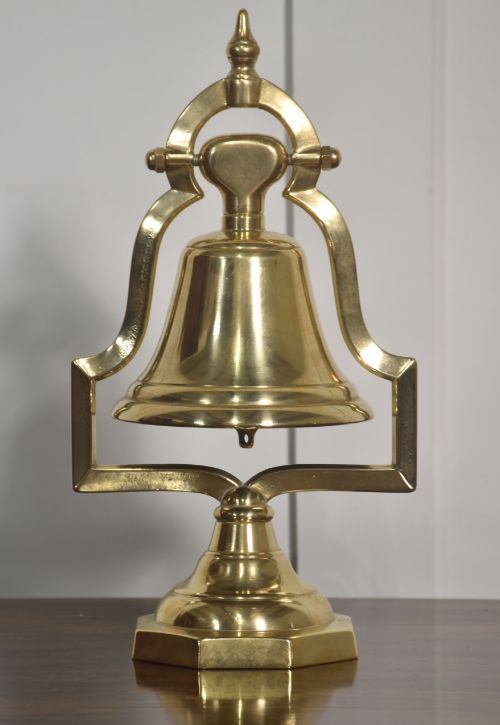
These pieces range from small brass table mounts to carved wooden frames designed for hanging metal gongs.
Buyers encounter oak, mahogany, and brass constructions that elevate domestic signalling devices into decorative focal points.
How they were made
Carpenters utilised hardwoods such as oak, mahogany, and walnut to carve supportive frames and stands, often incorporating decorative inlay or polished finishes.
Foundries cast brass, bell metal, and cast iron to shape the hanging gongs and small table bells mounted upon these bases.
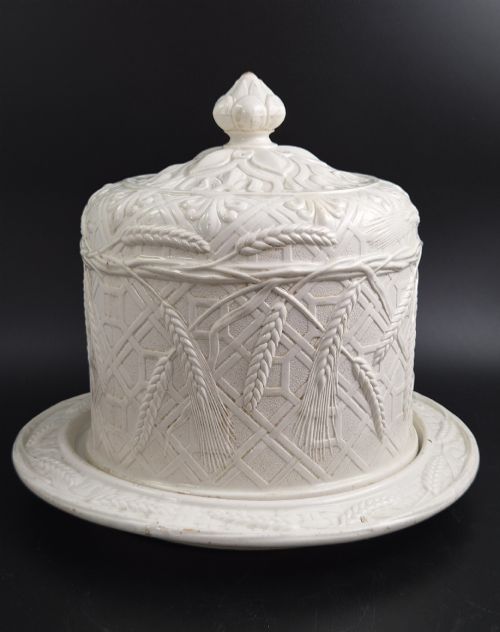
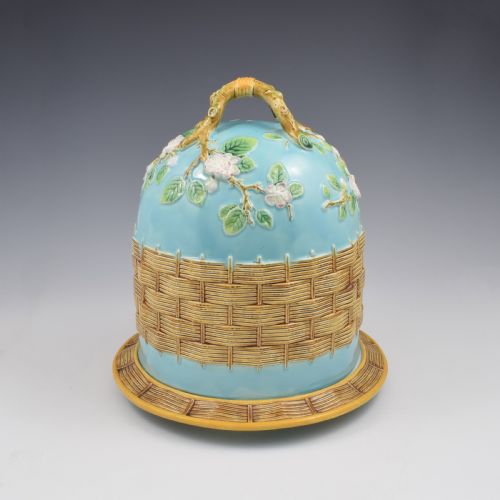
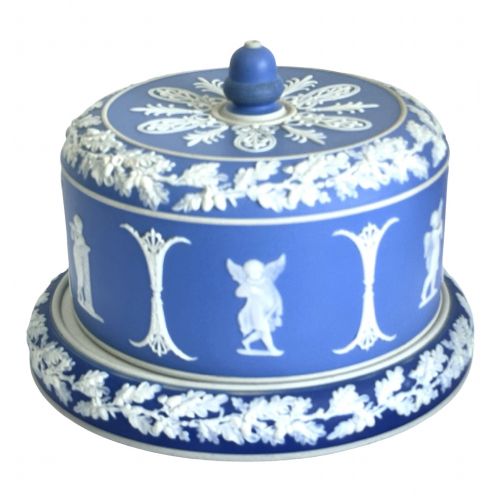
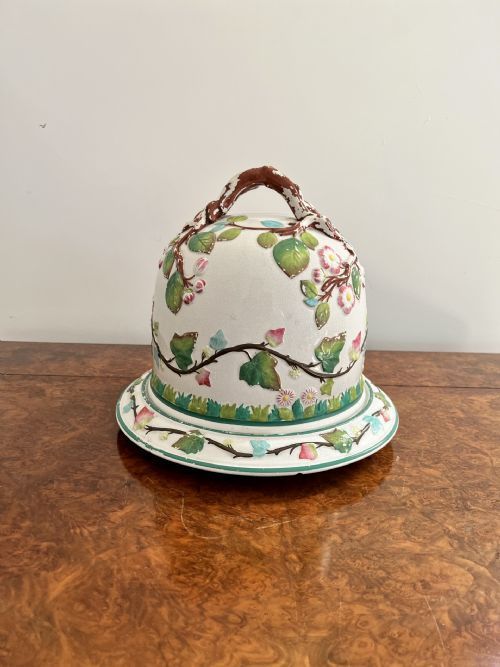
Potteries shaped white ironstone and glazed ceramic into domed covers and fitted ceramic stands for cheese service equipment.
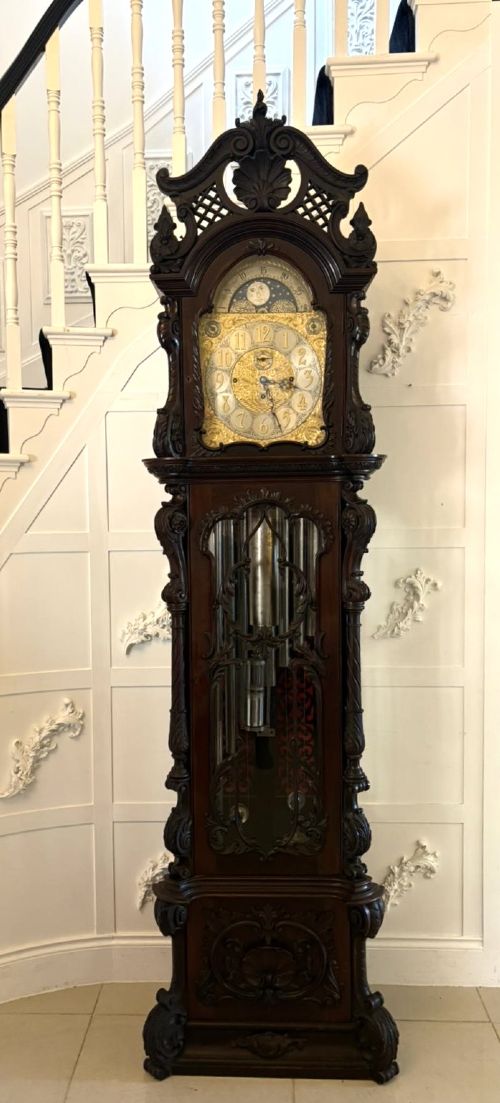
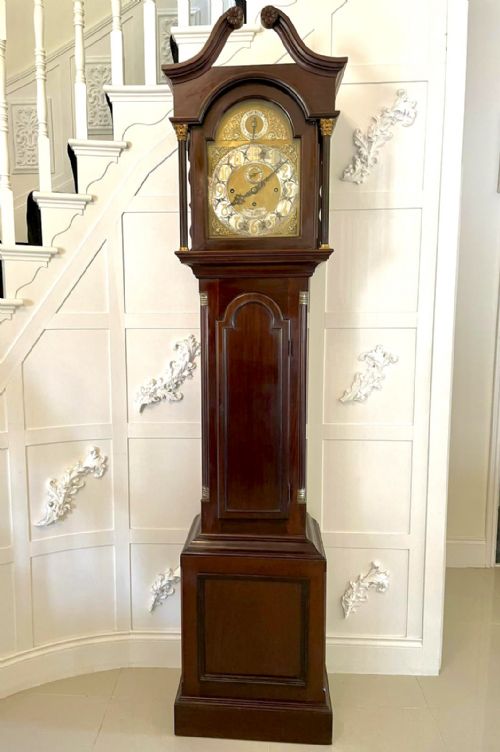
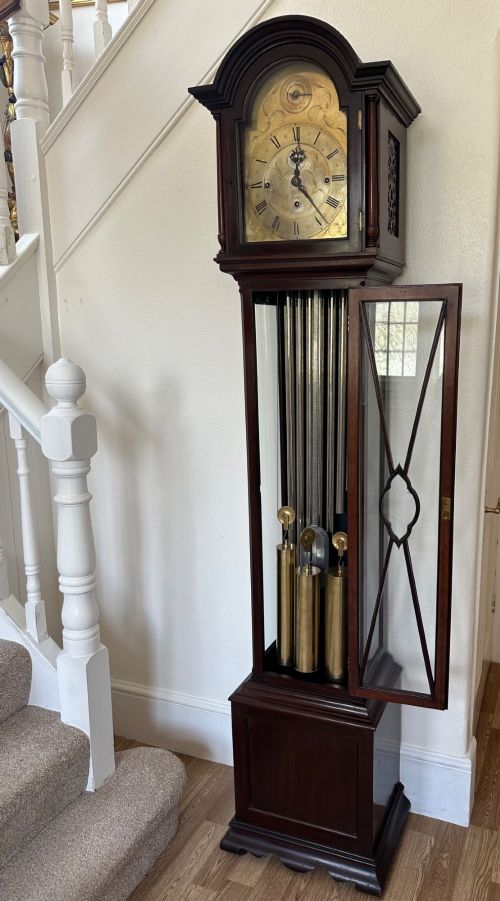
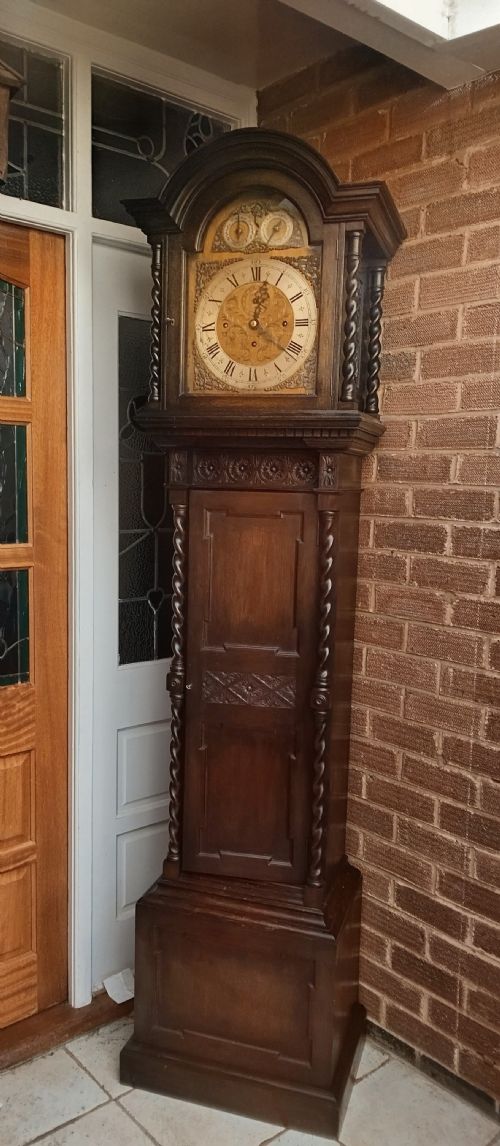
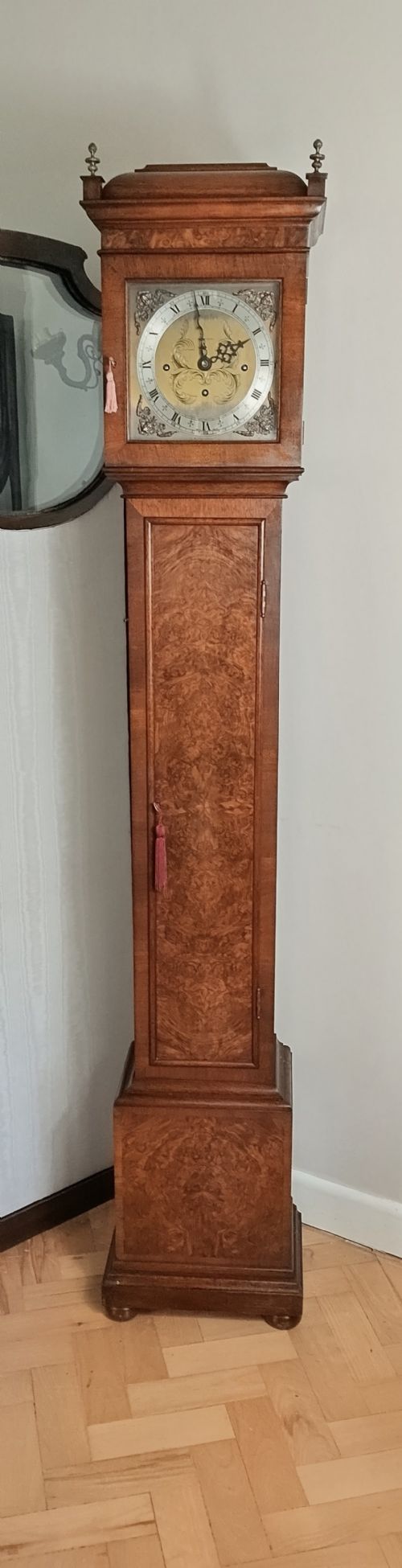
The selection includes musical clock movements alongside traditional table bells and dinner gongs.
What varies in quality
The refinement of the woodwork, from plain turned oak to intricately carved mahogany and oriental motifs, distinguishes standard utility pieces from high-status items.
Metal casting precision governs the acoustic resonance of the bell or gong and the clean execution of brass details.
The integration between the stand and the suspended or mounted bell reflects the original maker's design ambition and structural stability.
Winsor Bishop Norwich·George Jones·Wedgwood·James Dudson·Copeland·Camerer Cuss And Co
The Antique Bell Stand Glossary
- Bell metal
- An alloy of copper and tin traditionally used for casting bells and gongs to achieve optimal acoustic resonance. This hard bronze material produces a clear tone when struck.
- Cheese dome
- A ceramic or glass cover paired with a matching stand to protect cheese on the dining table. Victorian examples frequently feature elaborate majolica or ironstone decoration.
- Dinner gong
- A large suspended metal bell struck with a mallet to announce meals in large households. These are often supported by elaborate carved wooden frames.
- Jasperware
- A type of fine stoneware developed by Josiah Wedgwood featuring contrasting applied white reliefs on a coloured clay background. It appears on several prominent nineteenth-century domed stands.
- Majolica
- A colourful lead-glazed earthenware popular during the Victorian era. It displays vibrant botanical and figurative moulded designs on serving pieces.
Antique Bell Stand: Frequently Asked Questions
How were dinner gongs used?
Dinner gongs stood in halls or dining rooms to signal the start of formal evening meals.
A member of the household struck the suspended brass or bronze disc with a mallet so the sound carried through the rooms.
What materials make up these stands?
Stands incorporate turned and carved timbers including oak, walnut, and mahogany alongside cast brass.
Some configurations pair ceramic plates with metal hanging arches or wooden frames.
How do I date an Edwardian piece?
Edwardian items date from the reign of King Edward VII between nineteen hundred and nineteen ten.
They often combine earlier revival styles with lighter proportions and polished oak or brass finishes.
Where should I place a bell stand?
These pieces suit entrance halls, sideboards, or display tables where their structural woodwork and metal elements remain visible.
Ensure hanging gongs have adequate swing clearance if you intend to strike them.